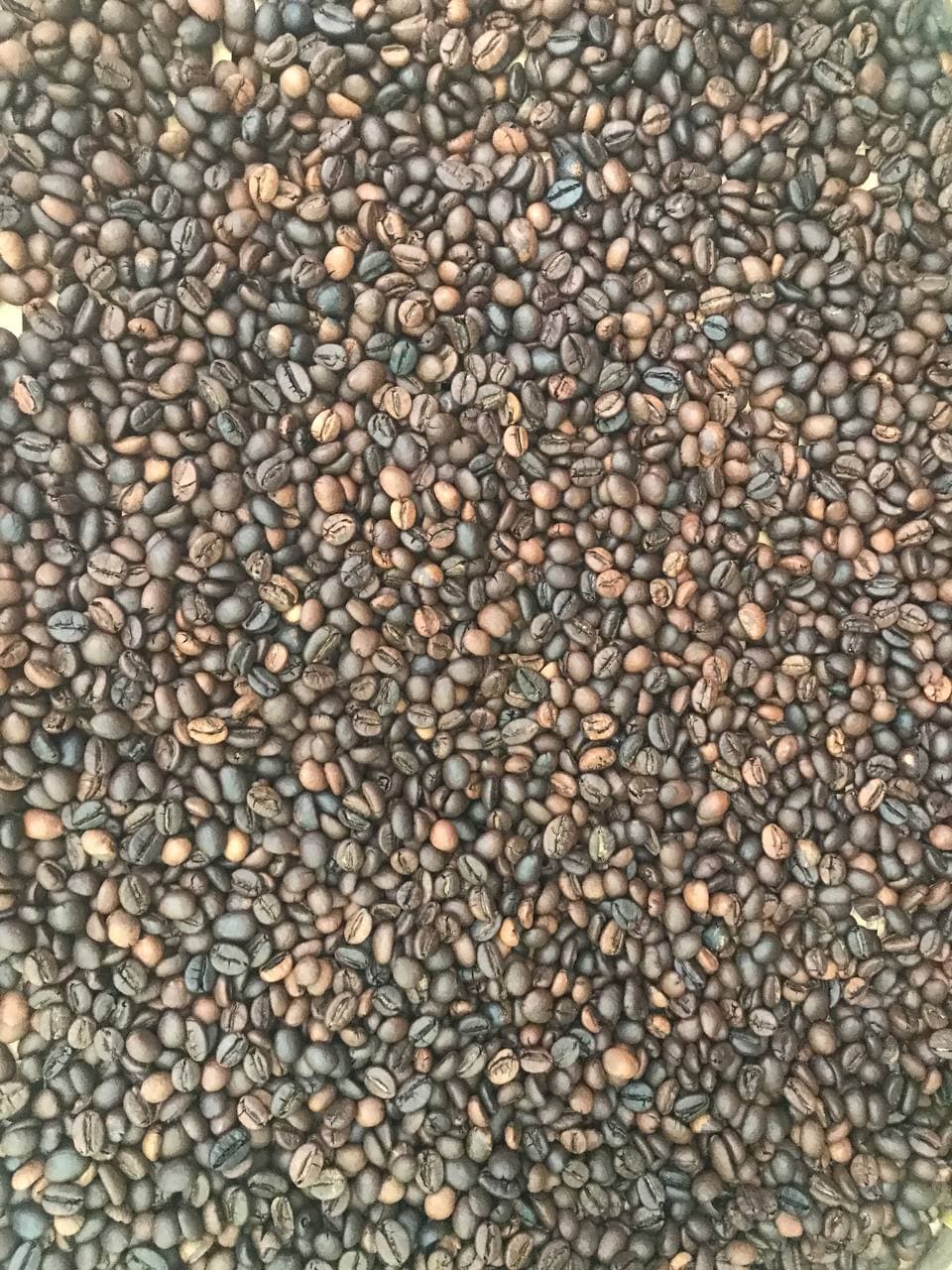
Defect và foreign matter không cùng một loại khái niệm
Khi kiểm tra cà phê xanh, “defect” và “foreign matter” không nên được dùng thay cho nhau. Defect nói về một khiếm khuyết hoặc tình trạng bất thường của hạt cà phê. Foreign matter lại chỉ vật liệu không thuộc hạt cà phê nhưng xuất hiện cùng lô.
Sự khác nhau này tưởng như đơn giản nhưng có ý nghĩa lớn trong kiểm tra chất lượng. Một hạt bị tổn thương, đổi màu hoặc có một dạng khuyết tật nhất định vẫn là một hạt cà phê. Một mảnh vật liệu lạ đi cùng lô lại là một đối tượng khác. Nếu hai nhóm bị gộp chung, người kiểm tra sẽ khó biết vấn đề nằm ở chất lượng của hạt hay ở sự lẫn vật liệu từ bên ngoài.
ISO 4149:2025 đặt việc xác định foreign matter và defects trong cùng một phương pháp kiểm tra cà phê xanh, nhưng chính việc gọi tên riêng hai nhóm đã cho thấy chúng cần được nhận diện như hai đối tượng khác nhau.
Vì sao hai loại này cần tách
Nguyên nhân của defect thường liên quan đến chính hạt: giống, quá trình phát triển, côn trùng, tổn thương cơ học, chế biến hoặc bảo quản. Foreign matter lại thường gắn với môi trường và thao tác: vật liệu từ thu hoạch, phơi, bao chứa, vận chuyển hoặc khu vực sản xuất.
Cách xử lý vì thế cũng khác. Nếu một lô có nhiều hạt bị khuyết tật, người mua hoặc cơ sở chế biến cần xem lại chất lượng nguyên liệu và nguyên nhân hình thành khuyết tật. Nếu lô có vật liệu lạ, câu hỏi lại chuyển sang vệ sinh, phân loại, thiết bị và điều kiện sau thu hoạch.
Hai loại cũng tạo ra hai kiểu dữ liệu. Tỷ lệ khuyết tật có thể cho biết nhiều điều về chất lượng của chính hạt. Sự xuất hiện của vật liệu lạ có thể là tín hiệu về một điểm kiểm soát trong chuỗi xử lý. Tách chúng giúp dữ liệu có giá trị để tìm nguyên nhân, thay vì chỉ tạo ra một con số “hạt lỗi” chung chung.
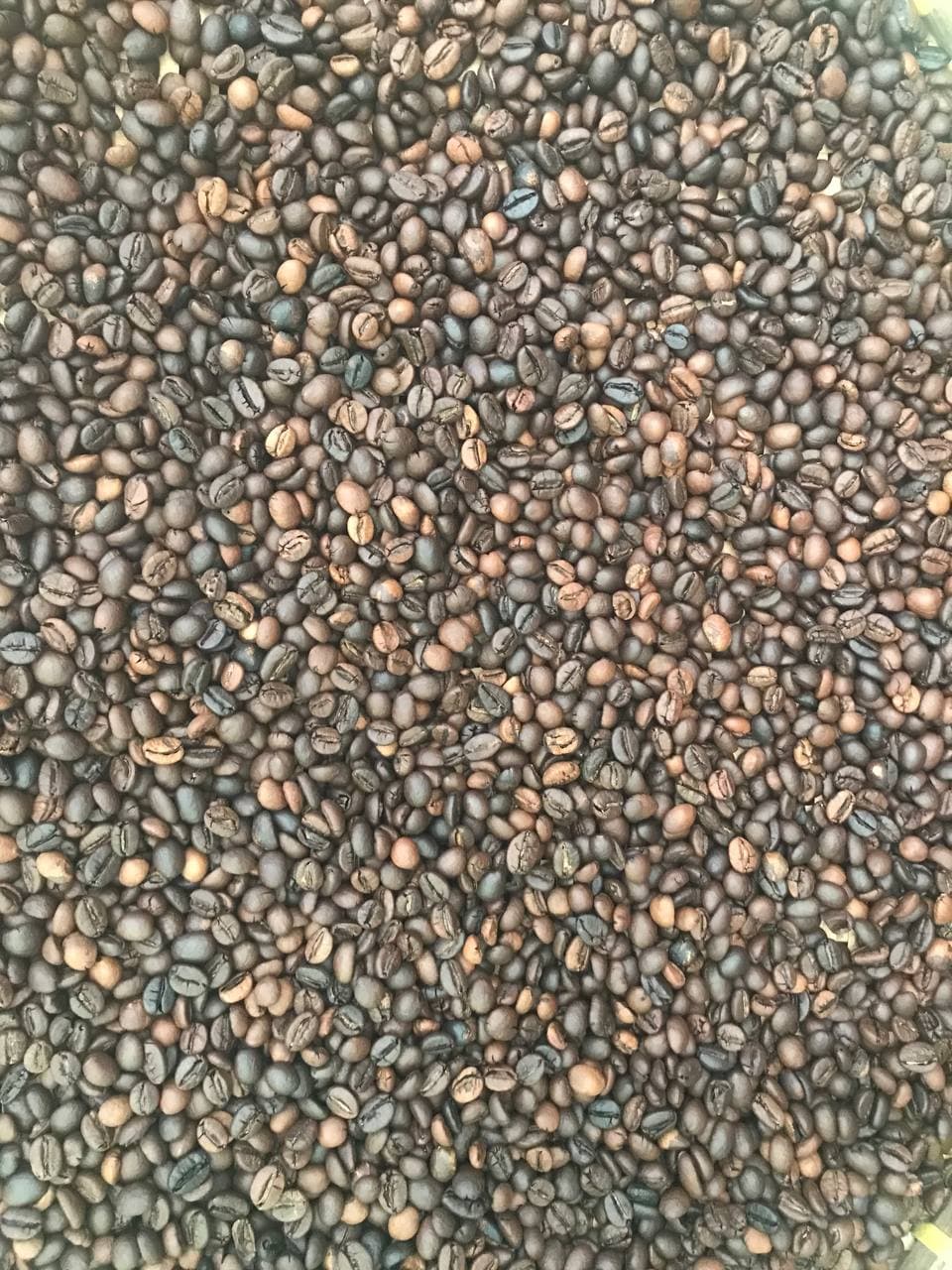
ISO nhìn hai nhóm này như thế nào
ISO 4149:2025 quy định việc kiểm tra bằng giác quan và xác định foreign matter và defects trong cà phê xanh từ các nguồn gốc khác nhau. Tiêu chuẩn cũng nêu khả năng sử dụng phương pháp cho kiểm soát chất lượng và kiểm tra chất lượng.
Điểm đáng chú ý là phương pháp không chỉ phục vụ việc “nhặt hạt”. Nó tạo ra một cách tiếp cận có thể sử dụng trong giao dịch, kiểm tra kỹ thuật hoặc đánh giá lô. Khi một tiêu chí được xác định rõ, hai bên có cơ sở chung để hiểu một bất thường thuộc nhóm nào.
ISO 10470:2004 lại cung cấp bảng tham chiếu về các nhóm khuyết tật chính trong cà phê xanh và ảnh hưởng của chúng đối với tổn thất khối lượng và mối quan tâm về cảm quan. Vì vậy, khi nói về defect, cần đặt nó trong hệ thống phân loại và đánh giá khuyết tật thay vì dùng từ này như một nhãn chung cho mọi vật thể bất thường.
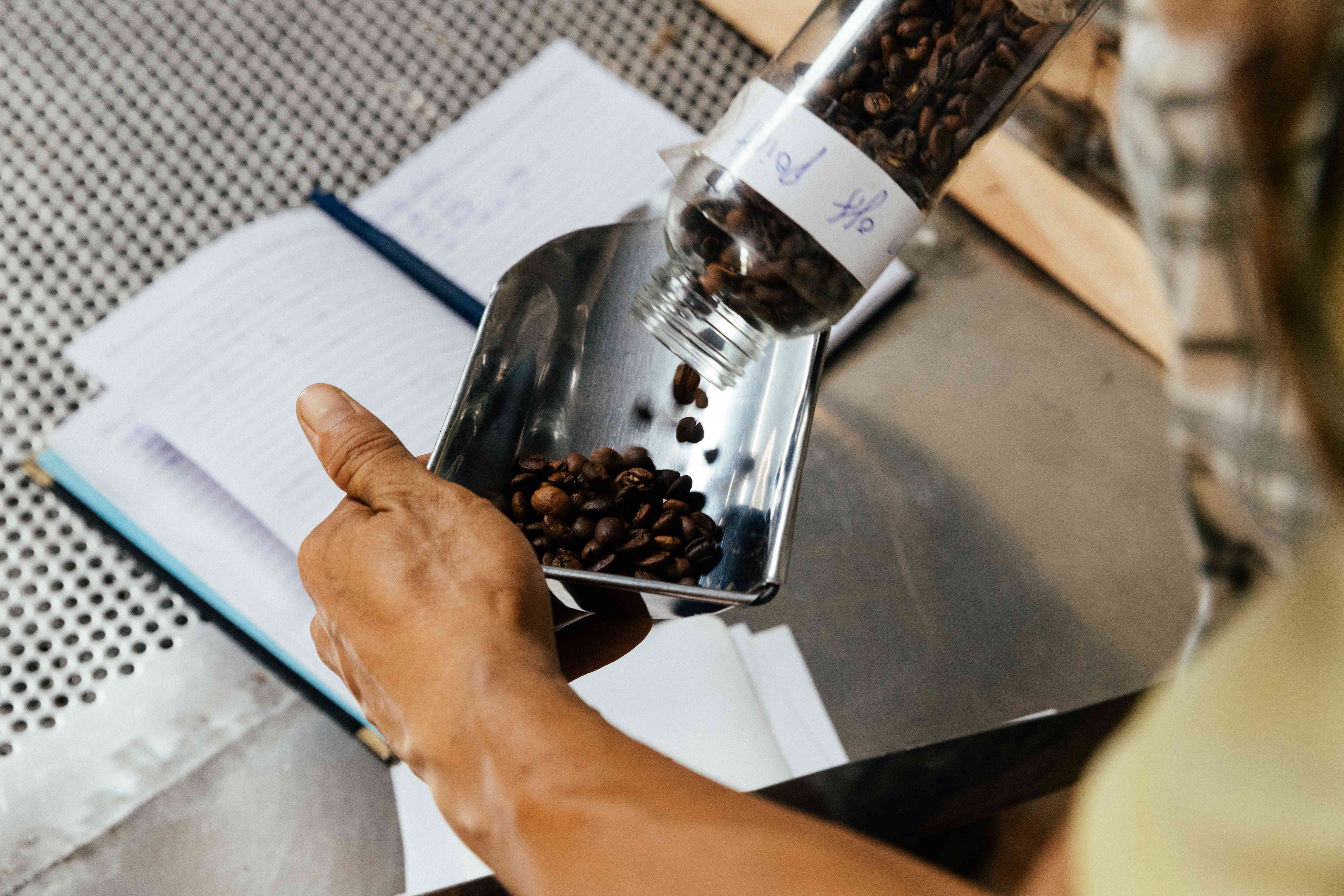
Khi xây biểu mẫu kiểm tra
Một biểu mẫu tiếp nhận hoặc kiểm tra cà phê xanh nên có trường riêng cho foreign matter và defect. Không nhất thiết phải làm biểu mẫu phức tạp; điều quan trọng là người kiểm tra có thể ghi được hai loại thông tin mà không phải gộp chúng.
Với foreign matter, có thể ghi loại vật liệu quan sát được, vị trí hoặc tình huống phát hiện và cách xử lý. Với defect, có thể ghi dạng khuyết tật, số lượng hoặc tỷ lệ theo phương pháp kiểm tra đang áp dụng. Nếu cần so sánh giữa các lô, cách ghi phải thống nhất.
Việc tách dữ liệu còn hữu ích khi điều tra sự cố. Nếu một lô có nhiều vật liệu lạ, cần quay lại các khâu thu hoạch, phơi, vận chuyển hoặc bao chứa. Nếu defect tăng lên, cần xem lại nguồn nguyên liệu, chế biến hoặc điều kiện bảo quản. Một biểu mẫu tốt không chỉ ghi “có lỗi”; nó giúp chỉ ra loại lỗi để biết nên nhìn về đâu.
Tài liệu tham khảo
- ISO 4149:2025 — Green coffee — Olfactory and visual examination and determination of foreign matter and defects — https://www.iso.org/standard/87699.html
- ISO 10470:2004 — Green coffee — Defect reference chart — https://www.iso.org/standard/40401.html
Defect and foreign matter aren't the same kind of concept
When inspecting green coffee, “defect” and “foreign matter” shouldn't be used interchangeably. A defect refers to a flaw or abnormal condition of the coffee bean itself. Foreign matter refers to material that isn't coffee at all, but happens to be traveling with the batch.
The distinction sounds simple, but it matters a great deal for quality inspection. A bean that's damaged, discolored, or shows some form of defect is still a coffee bean. A piece of foreign material in the batch is an entirely different object. If the two categories get merged, inspectors lose the ability to tell whether an issue lies with bean quality or with outside material getting mixed in.
ISO 4149:2025 groups the identification of foreign matter and defects under a single examination method for green coffee, but the very fact that the two are named separately shows they need to be recognized as distinct objects.
Why the two need to be kept apart
The causes of a defect usually trace back to the bean itself: variety, growing conditions, insects, mechanical damage, processing, or storage. Foreign matter, on the other hand, is usually tied to the environment and handling: material from the harvest, drying, containers, transport, or the production area.
The response differs accordingly. If a batch has a lot of defective beans, the buyer or processor needs to reassess raw-material quality and what's causing the defects. If a batch has foreign material, the question shifts to hygiene, sorting, equipment, and post-harvest conditions.
The two also produce two different kinds of data. Defect rates can say a lot about the quality of the bean itself. The presence of foreign material can be a signal about a specific control point somewhere in the handling chain. Keeping them separate gives the data real diagnostic value, instead of collapsing everything into one vague “bad beans” number.
How ISO treats these two categories
ISO 4149:2025 sets out sensory examination methods for identifying foreign matter and defects in green coffee from various origins. The standard also notes that the method can be used for both quality control and quality inspection.
What's worth noting is that this method isn't only for “picking through beans.” It creates an approach that can be used in trading, technical inspection, or batch evaluation. Once a criterion is clearly defined, both parties have common ground for understanding which category a given anomaly falls into.
ISO 10470:2004, meanwhile, provides a reference chart for the main defect categories in green coffee and how they affect weight loss and sensory concerns. So when talking about “defect,” it should sit within a proper classification and assessment system, rather than being used as a catch-all label for anything unusual.
Building an inspection form
A green-coffee receiving or inspection form should have separate fields for foreign matter and defects. The form doesn't need to be complicated — what matters is that the inspector can record the two types of information without merging them.
For foreign matter, you can log the type of material observed, where or how it was found, and how it was handled. For defects, you can log the type of defect and the count or rate according to whichever inspection method is being applied. If batches need to be compared, the recording method needs to be consistent.
Keeping the data separate also helps when investigating an issue. If a batch has a lot of foreign material, the trail leads back to harvest, drying, transport, or storage. If defects have increased, it points back to the raw-material source, processing, or storage conditions. A good form doesn't just record “there was a problem” — it identifies the type of problem so you know where to look.
References
- ISO 4149:2025 — Green coffee — Olfactory and visual examination and determination of foreign matter and defects — https://www.iso.org/standard/87699.html
- ISO 10470:2004 — Green coffee — Defect reference chart — https://www.iso.org/standard/40401.html