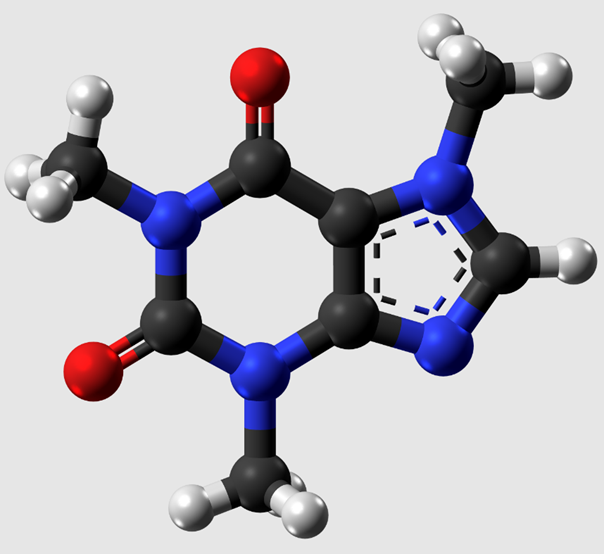
Mùi có thể đi vào cà phê từ đâu
Cà phê rang và cà phê xanh đều có khả năng tiếp nhận mùi từ môi trường xung quanh. Mức độ nhạy cảm thay đổi theo trạng thái của sản phẩm, vật liệu bao chứa, thời gian tiếp xúc và điều kiện lưu trữ. Một kho có mùi mạnh không nhất thiết làm mọi bao cà phê đổi mùi ngay, nhưng môi trường có mùi là một yếu tố cần được xem xét khi thiết kế nơi bảo quản.
Những con đường truyền mùi thường gặp
Mùi có thể tiếp cận cà phê qua không khí khi sản phẩm không được bảo vệ đủ kín. Nó cũng có thể liên quan đến vật liệu bao bì nếu vật liệu hoặc lớp tiếp xúc không phù hợp. Với hàng đóng gói, độ kín của đường hàn và tính cản của cấu trúc bao bì quyết định mức độ môi trường bên ngoài có thể tác động vào sản phẩm. Vì vậy, chỉ nói “đã đóng túi” chưa đủ để kết luận cà phê được cách ly hoàn toàn khỏi mùi.
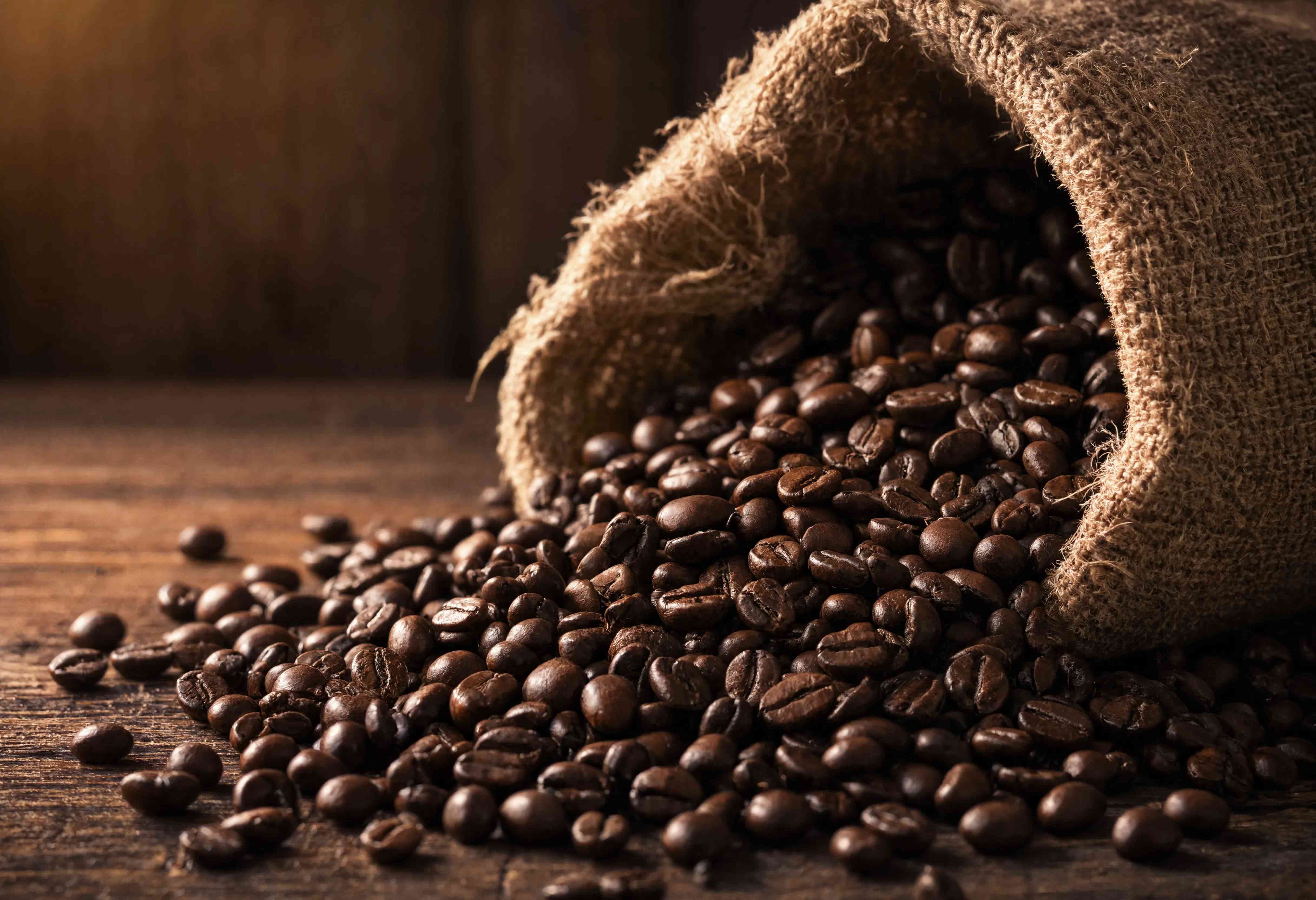
Kho và phương tiện vận chuyển cần được nhìn cùng nhau
Nguồn mùi không chỉ nằm trong kho. Xe vận chuyển, khu vực trung chuyển và các hàng hóa xếp chung đều có thể tạo ra môi trường không phù hợp. Những nhóm hàng có mùi mạnh nên được tách khỏi cà phê, đặc biệt khi bao bì không được thiết kế để cản mùi ở mức cao. Điều kiện vận chuyển tốt cần tiếp tục nguyên tắc kiểm soát đã áp dụng trong kho.
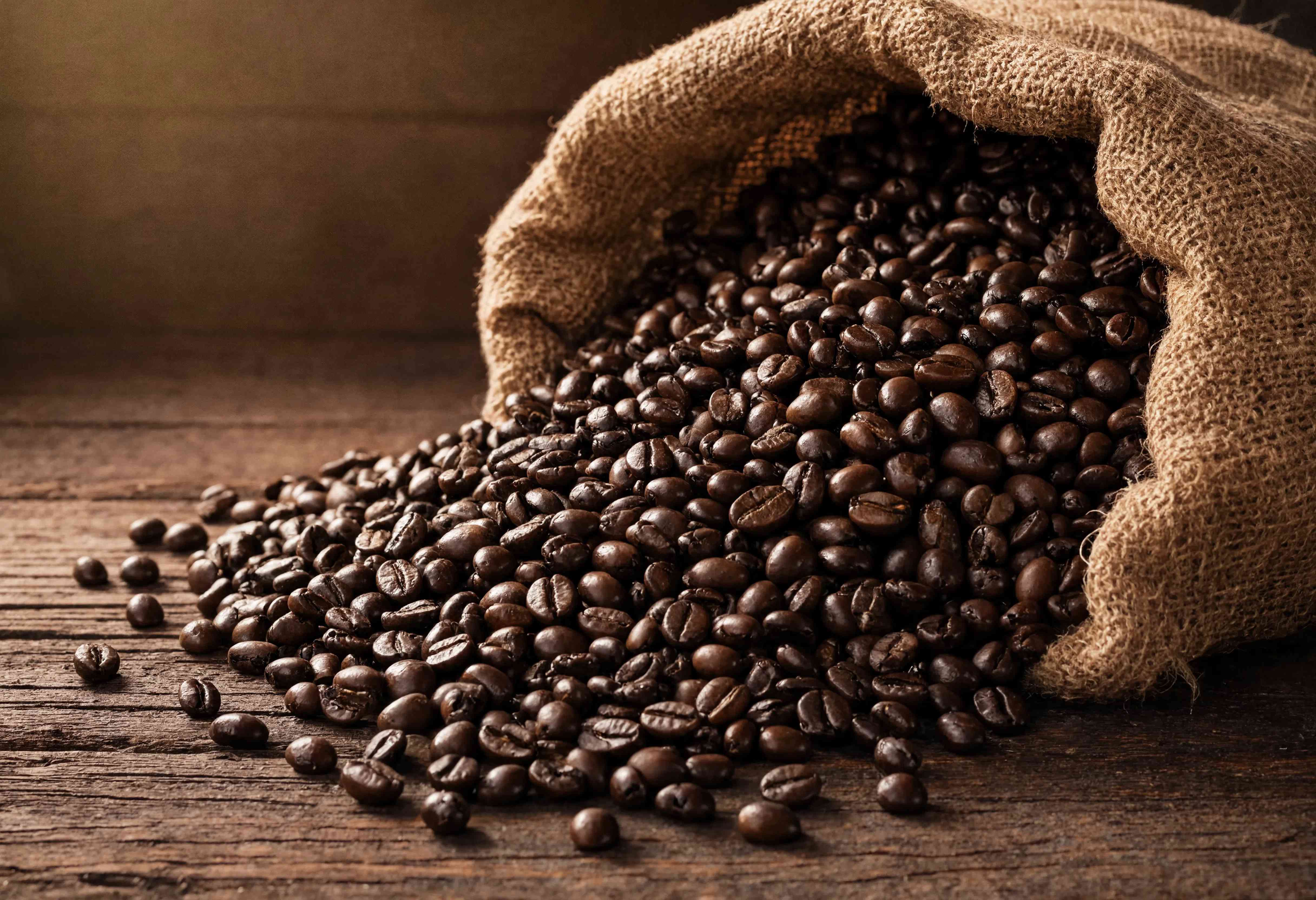
Kiểm soát mùi bằng cách nào
Biện pháp đầu tiên là loại bỏ nguồn mùi khỏi khu vực chứa cà phê. Tiếp theo là giữ sản phẩm trong bao bì phù hợp, kiểm tra tình trạng bao và đường hàn, đồng thời tránh mở bao trong môi trường có mùi mạnh. Khi phát hiện một lô có mùi bất thường, cần xác định mùi xuất hiện trước hay sau đóng gói để phân biệt vấn đề nguyên liệu, bao bì, kho hay vận chuyển.
Tài liệu tham khảo
- FAO — Prevention and reduction of food and feed contamination in coffee — https://www.fao.org/4/i2556e/i2556e.pdf
- Volatile compounds indicating latent damage to sensory attributes in coffee stored in permeable and hermetic packaging — Food Research International, 2021 — https://www.sciencedirect.com/science/article/pii/S2214289421000739
Where can odor get into coffee
Both roasted and green coffee are capable of absorbing odors from their surroundings. How sensitive they are depends on the product's state, the packaging material, contact time, and storage conditions. A strongly scented warehouse won't necessarily taint every bag of coffee right away, but a smelly environment is still a factor worth considering when designing a storage space.
Common routes for odor transfer
Odor can reach coffee through the air when the product isn't sealed tightly enough. It can also relate to the packaging material itself if the material or contact layer isn't suitable. For packaged goods, seal integrity and the barrier properties of the packaging structure determine how much the outside environment can actually affect the product. So simply saying “it's bagged” isn't enough to conclude the coffee is fully isolated from odor.
Warehouses and transport vehicles need to be looked at together
Odor sources aren't limited to the warehouse. Transport vehicles, transit areas, and goods stored or shipped alongside coffee can all create an unsuitable environment. Strongly scented goods should be kept away from coffee, especially when the packaging isn't designed to block odor at a high level. Good transport conditions need to carry forward the same control principles already applied in the warehouse.
How odor can be controlled
The first measure is removing odor sources from the area where coffee is stored. Next is keeping the product in suitable packaging, checking the condition of the bags and their seals, and avoiding opening packages in a strongly scented environment. When a batch shows an unusual odor, it's worth determining whether that odor appeared before or after packaging, to distinguish whether the issue lies with the raw material, the packaging, the warehouse, or transport.
References
- FAO — Prevention and reduction of food and feed contamination in coffee — https://www.fao.org/4/i2556e/i2556e.pdf
- Volatile compounds indicating latent damage to sensory attributes in coffee stored in permeable and hermetic packaging — Food Research International, 2021 — https://www.sciencedirect.com/science/article/pii/S2214289421000739