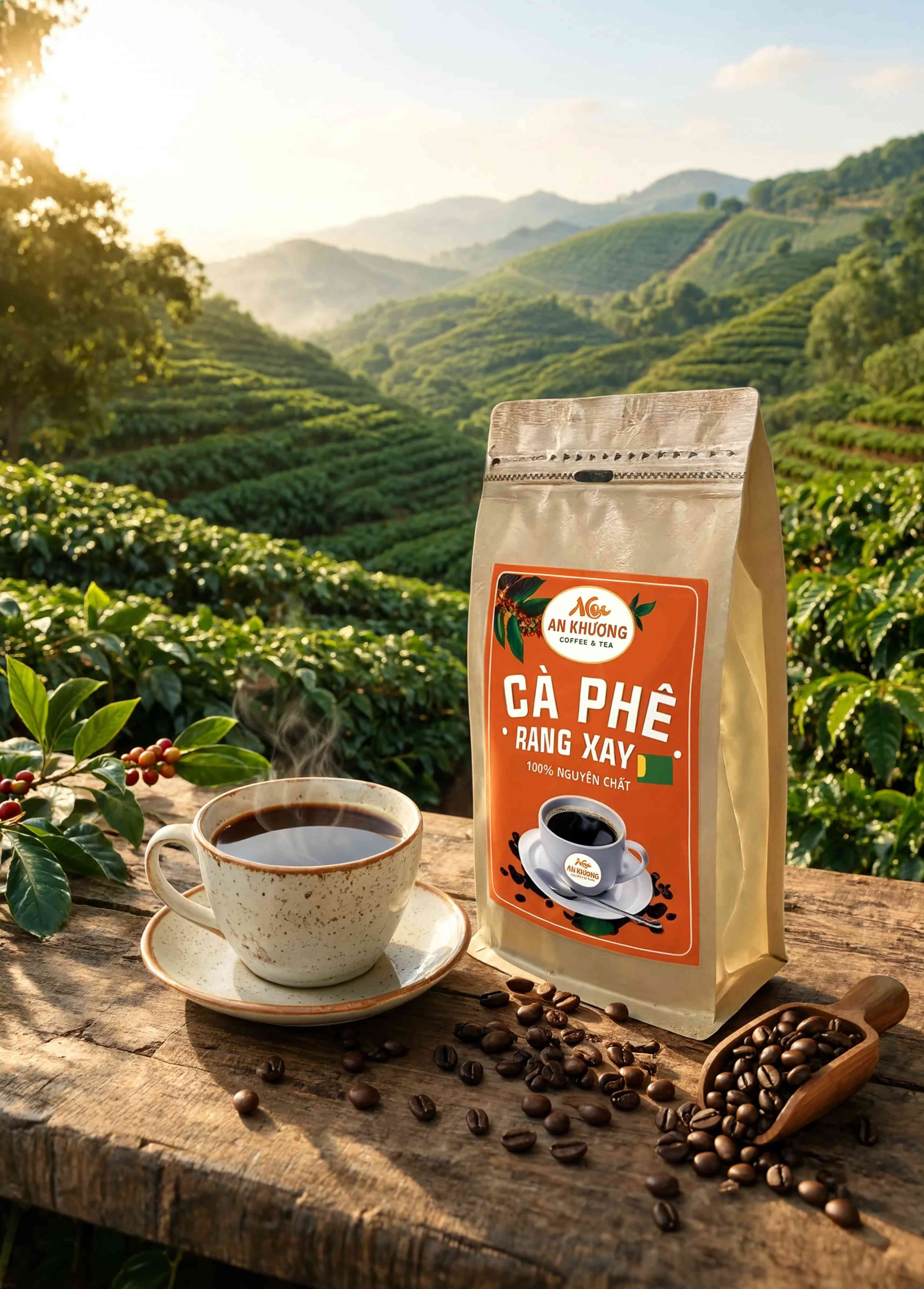
Hạt xanh luôn tương tác với hơi ẩm
Hạt cà phê xanh không phải vật liệu hoàn toàn tách biệt với môi trường. Độ ẩm trong hạt có thể thay đổi theo điều kiện bảo quản. Khi môi trường quá ẩm hoặc bao chứa không bảo vệ đủ, hạt có thể nhận thêm ẩm; khi môi trường khô hơn, hạt có thể mất ẩm. Vì vậy, độ ẩm là một phần của trạng thái vật lý của lô hàng.
Độ ẩm thay đổi điều gì
Độ ẩm ảnh hưởng đến khối lượng, cấu trúc và độ ổn định của hạt. Khi lượng nước tăng, nguy cơ xuất hiện những điều kiện thuận lợi cho hoạt động vi sinh và suy giảm chất lượng cũng tăng. Quá trình bảo quản vì thế không chỉ cần nhìn vào con số độ ẩm lúc nhập kho mà còn phải xem môi trường có làm trạng thái đó thay đổi theo thời gian hay không.
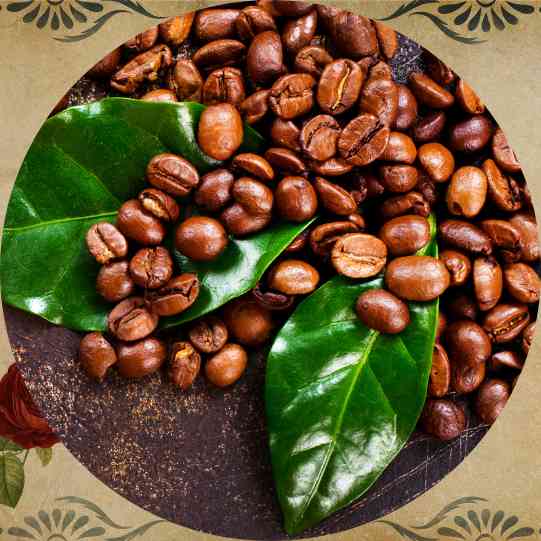
Độ ẩm liên quan đến vận chuyển và bao chứa
Bao chứa không phù hợp có thể khiến hạt trao đổi ẩm với môi trường. Trong quá trình vận chuyển, sự thay đổi nhiệt độ cũng có thể tạo điều kiện cho ngưng tụ. FAO nhấn mạnh việc giữ cà phê khô, sạch và tránh tiếp xúc với nguồn ẩm trong bảo quản. Đây là lý do điều kiện của cả kho lẫn phương tiện đều cần được xem xét.
Kiểm soát độ ẩm không chỉ là đo một lần
Một phép đo tại thời điểm tiếp nhận chỉ cho biết trạng thái của mẫu ở thời điểm đó. Nếu muốn quản lý chất lượng, cần biết phương pháp đo, cách lấy mẫu và điều kiện bảo quản sau đó. Việc theo dõi định kỳ giúp phát hiện lô có xu hướng thay đổi trước khi xuất hiện vấn đề rõ rệt.
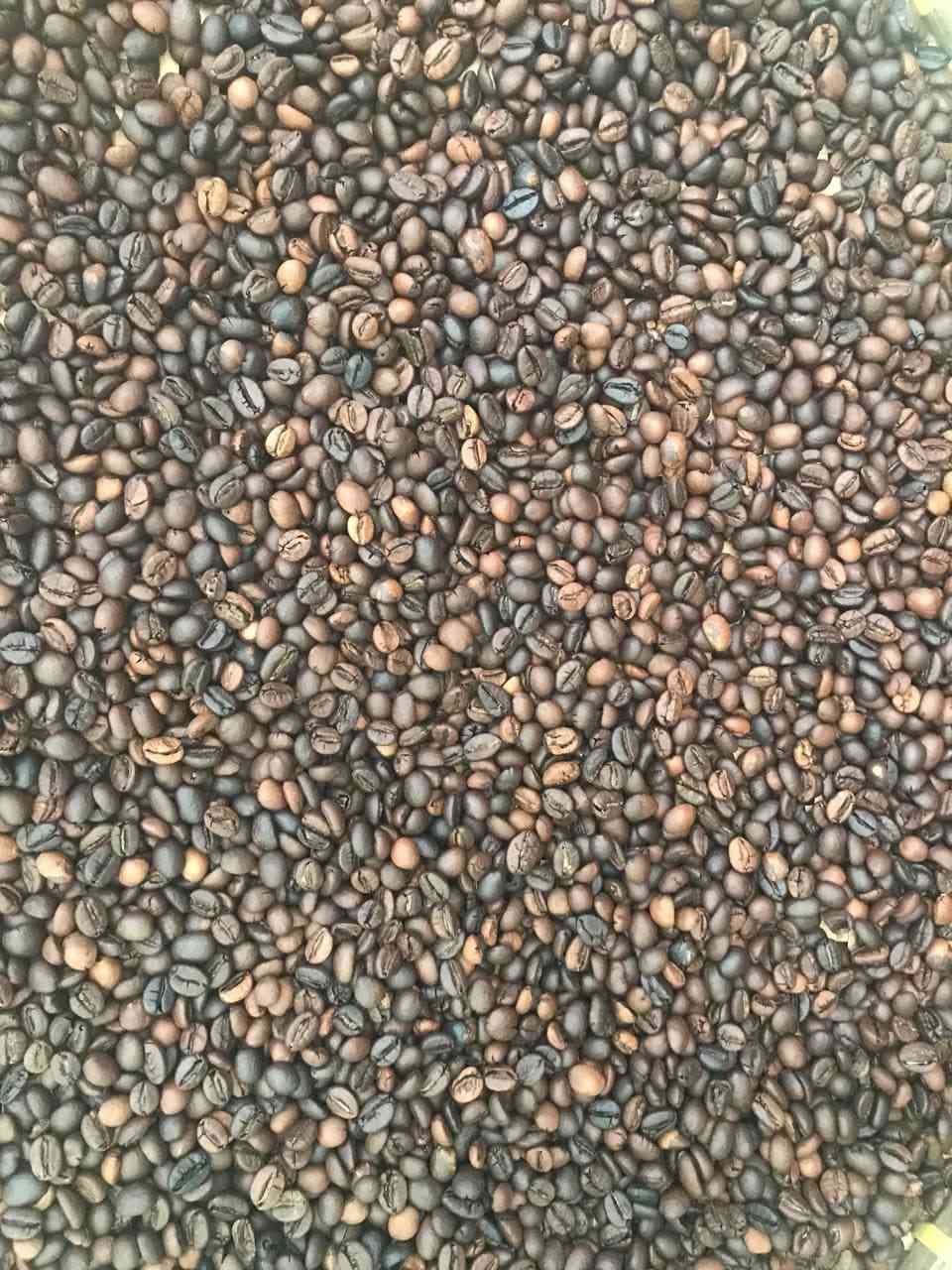
Độ ẩm cần được đọc cùng các chỉ tiêu khác
Không nên dùng độ ẩm như một chỉ số duy nhất để kết luận toàn bộ chất lượng hạt xanh. Cần xem cùng tình trạng ngoại quan, mùi, khuyết tật, điều kiện kho và lịch sử lưu trữ. Độ ẩm là một biến quan trọng, nhưng nó chỉ có ý nghĩa đầy đủ khi được đặt vào bối cảnh của cả lô hàng.
Tài liệu tham khảo
- ISO 1446:2001 — Green coffee — Determination of water content — Basic reference method — https://www.iso.org/standard/34008.html
- ISO 6673:2025 — Green coffee — Determination of loss in mass at 105 °C — https://www.iso.org/standard/87697.html
- FAO — Coffee storage guidance — https://www.fao.org/4/x6939e/x6939e05.htm
Green beans are always interacting with moisture
Green coffee beans aren't a material that's fully isolated from their environment. The moisture inside a bean can shift depending on storage conditions. When the surrounding environment is too humid or the container doesn't offer enough protection, beans can pick up extra moisture; in a drier environment, they can lose it. So moisture is part of the physical state of a batch — not a fixed number.
What does moisture actually change
Moisture affects a bean's weight, structure, and stability. As water content rises, so does the risk of conditions that favor microbial activity and quality decline. Storage management, then, can't rely only on the moisture reading taken at intake — it also needs to consider whether the environment will let that condition drift over time.
Moisture is tied to transport and containers
Unsuitable containers can let beans exchange moisture with the environment. During transport, temperature swings can also create conditions for condensation. The FAO stresses keeping coffee dry, clean, and away from sources of moisture during storage. That's why conditions in both the warehouse and the transport vehicle deserve attention.
Controlling moisture isn't just a one-time measurement
A single reading at receiving only tells you the sample's state at that moment. To actually manage quality, you need to know the measurement method, the sampling approach, and the storage conditions that follow. Periodic monitoring helps catch a batch that's starting to drift before it turns into a visible problem.
Moisture needs to be read alongside other indicators
Moisture shouldn't be used as the single number that determines a green bean's overall quality. It needs to be considered alongside visual condition, smell, defects, warehouse conditions, and storage history. Moisture is an important variable, but it only carries its full meaning within the context of the whole batch.
References
- ISO 1446:2001 — Green coffee — Determination of water content — Basic reference method — https://www.iso.org/standard/34008.html
- ISO 6673:2025 — Green coffee — Determination of loss in mass at 105 °C — https://www.iso.org/standard/87697.html
- FAO — Coffee storage guidance — https://www.fao.org/4/x6939e/x6939e05.htm