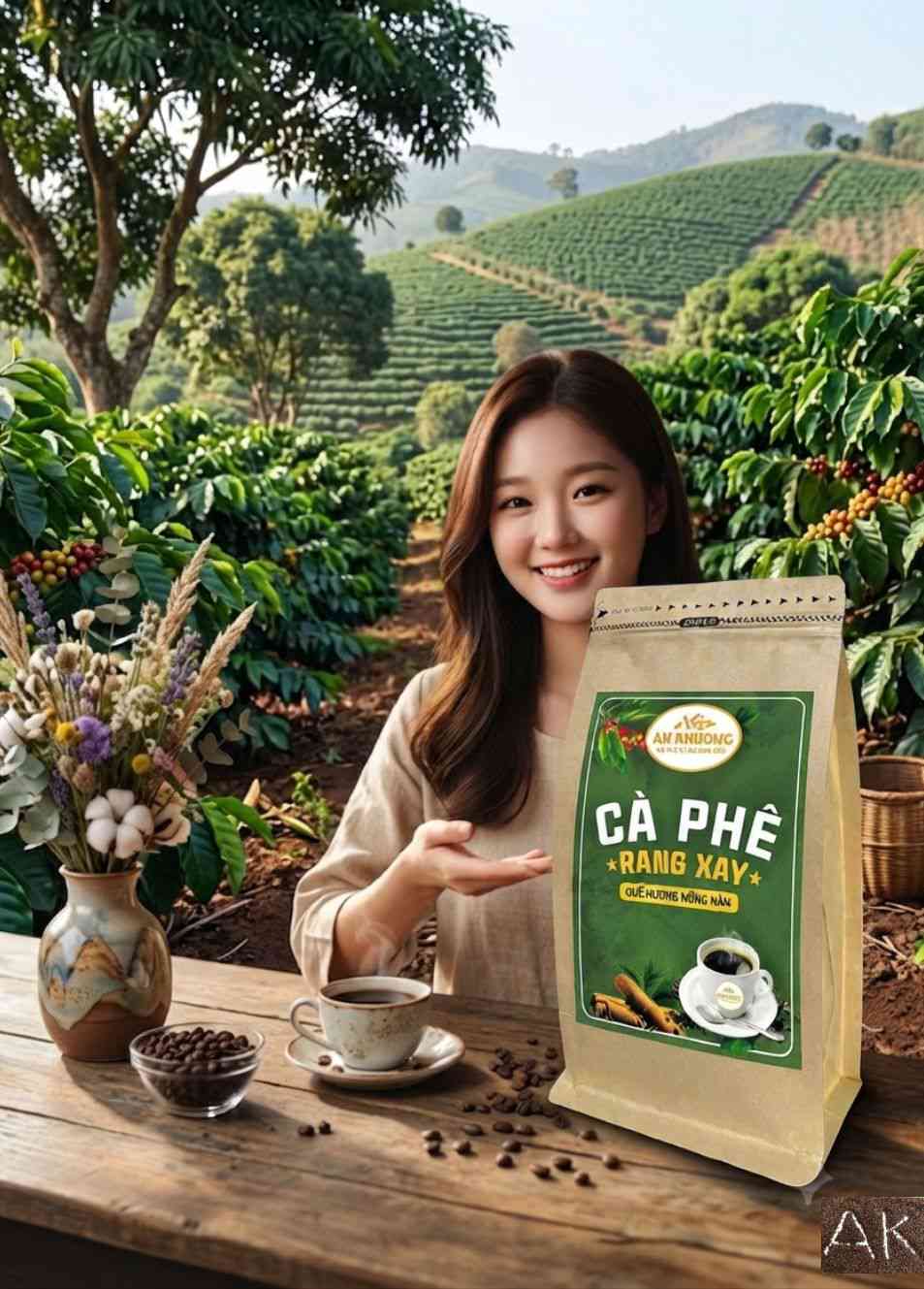
Bao bì chỉ bảo vệ từ thời điểm nào
Bao bì bắt đầu phát huy vai trò từ khi sản phẩm được đặt vào trong hệ thống bao gói và được đóng kín theo cách thiết kế. Nó có thể làm giảm sự tiếp xúc tiếp theo với oxygen, hơi ẩm, ánh sáng hoặc mùi, nhưng không thể quay ngược thời gian để đưa một hạt cà phê đã thay đổi trở về trạng thái ban đầu.
Điểm này dễ bị bỏ qua khi người ta nói về bao bì như một “lá chắn”. Một lá chắn chỉ ngăn tác động mới nếu nó còn phù hợp và được sử dụng đúng. Nếu hạt đã trải qua một thời gian dài trong môi trường ẩm, đã nhận mùi lạ hoặc đã suy giảm do điều kiện nhiệt độ không phù hợp, việc đóng gói sau đó chỉ làm giảm những tác động tiếp theo. Nó không xóa được lịch sử của nguyên liệu.
Vì vậy, câu hỏi đúng không phải “bao bì có tốt không?” mà là “sản phẩm bước vào bao bì ở trạng thái nào, và bao bì có đủ khả năng bảo vệ trạng thái đó trong điều kiện thực tế hay không?”
Điều gì xảy ra khi hạt đã hút ẩm hoặc nhiễm mùi
Khi hạt đã trao đổi ẩm với môi trường, trạng thái của hạt đã thay đổi. Với cà phê xanh, độ ẩm của hạt liên quan chặt chẽ đến điều kiện bảo quản và độ ổn định trong thời gian lưu trữ. Một bao bì có tính cản ẩm tốt có thể hạn chế trao đổi mới, nhưng không tự loại lượng ẩm đã đi vào hạt.
Tương tự, nếu cà phê đã tiếp xúc với môi trường có mùi mạnh và đã hình thành mùi bất thường, việc chuyển sang một bao mới không đồng nghĩa mùi đó biến mất. Bao bì mới chỉ có thể giúp giảm tiếp xúc với nguồn mùi tiếp theo.
Nghiên cứu năm 2026 về bao bì cho cà phê xanh lên men cho thấy khả năng cản oxygen và hơi nước của cấu trúc bao bì có liên quan đến việc duy trì độ ổn định trong lưu trữ. Nghiên cứu này theo dõi độ ẩm, màu, cấu trúc và các chỉ tiêu vật lý trong chín tháng. Chính cách nghiên cứu này cũng cho thấy bao bì được đánh giá như một công cụ duy trì trạng thái trong thời gian bảo quản, chứ không phải một phương pháp phục hồi nguyên liệu đã hư hại trước đó.
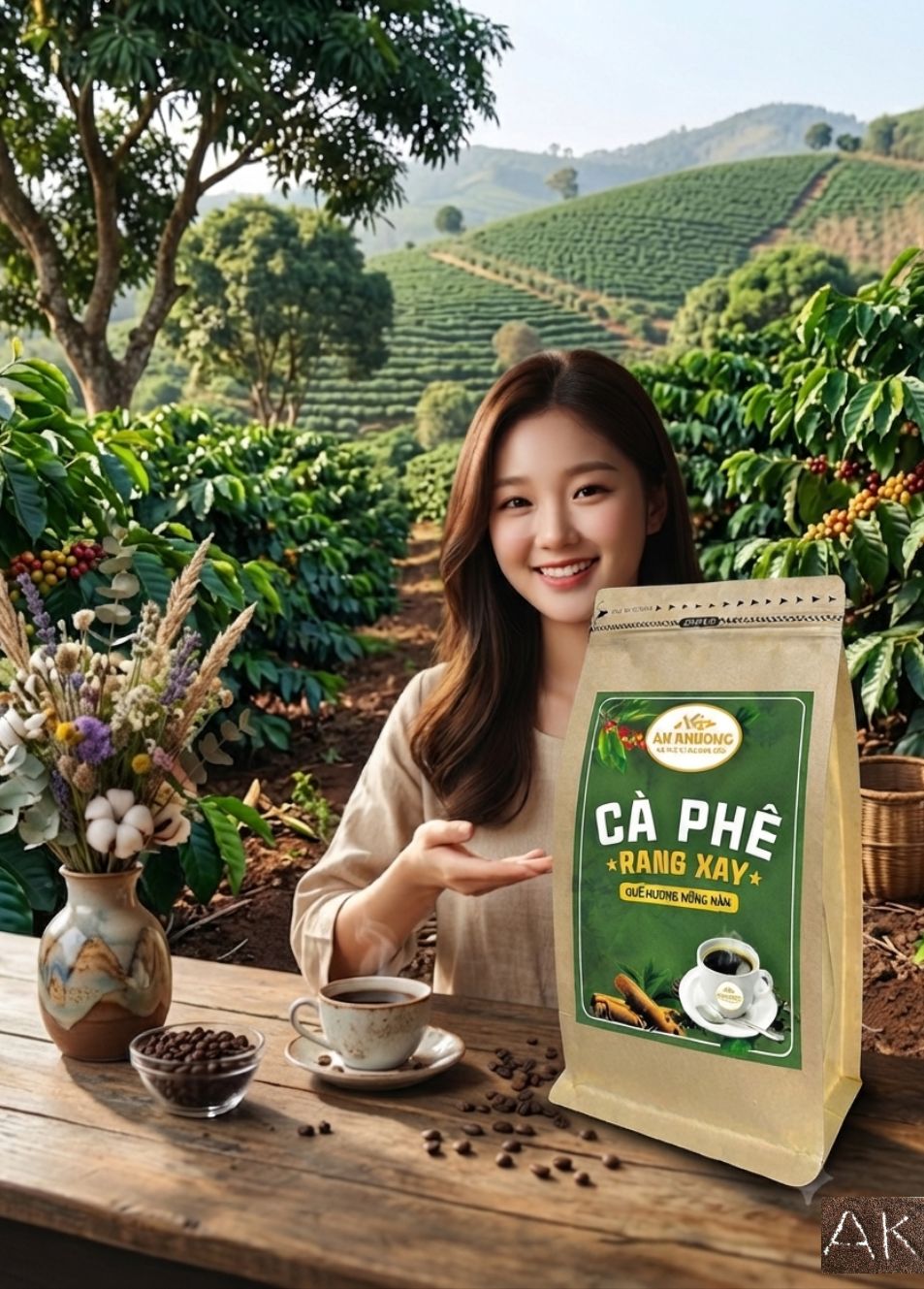
Bao bì tốt vẫn có vai trò gì
Nói bao bì không thể cứu nguyên liệu đã bảo quản sai không có nghĩa bao bì không quan trọng. Ngược lại, một bao bì phù hợp là một lớp kiểm soát rất quan trọng sau khi nguyên liệu đã đạt trạng thái cần bảo vệ.
Đối với cà phê xanh, bao bì có thể giúp giảm trao đổi với hơi ẩm và khí, hạn chế tác động của ánh sáng tùy cấu trúc, đồng thời bảo vệ sản phẩm trong vận chuyển. Nghiên cứu năm 2026 cho thấy các hệ bao bì nhiều lớp có khả năng cản khí và hơi nước tốt đã giúp duy trì ổn định lý hóa của mẫu cà phê xanh trong điều kiện nghiên cứu.
Nhưng hiệu quả của bao bì luôn phụ thuộc vào môi trường. Một bao tốt được đặt trong kho có nước rò rỉ, nhiệt độ bất lợi hoặc cách xử lý sai vẫn không thể biến kho đó thành môi trường bảo quản tốt. Bao bì là một lớp trong hệ thống, không phải lớp duy nhất.
Vì thế, khi đánh giá bao bì, cần xem cả vật liệu, cấu trúc, độ kín, điều kiện đóng gói và môi trường lưu trữ. Chỉ nhìn vào tên vật liệu hoặc hình thức bên ngoài của túi là chưa đủ.
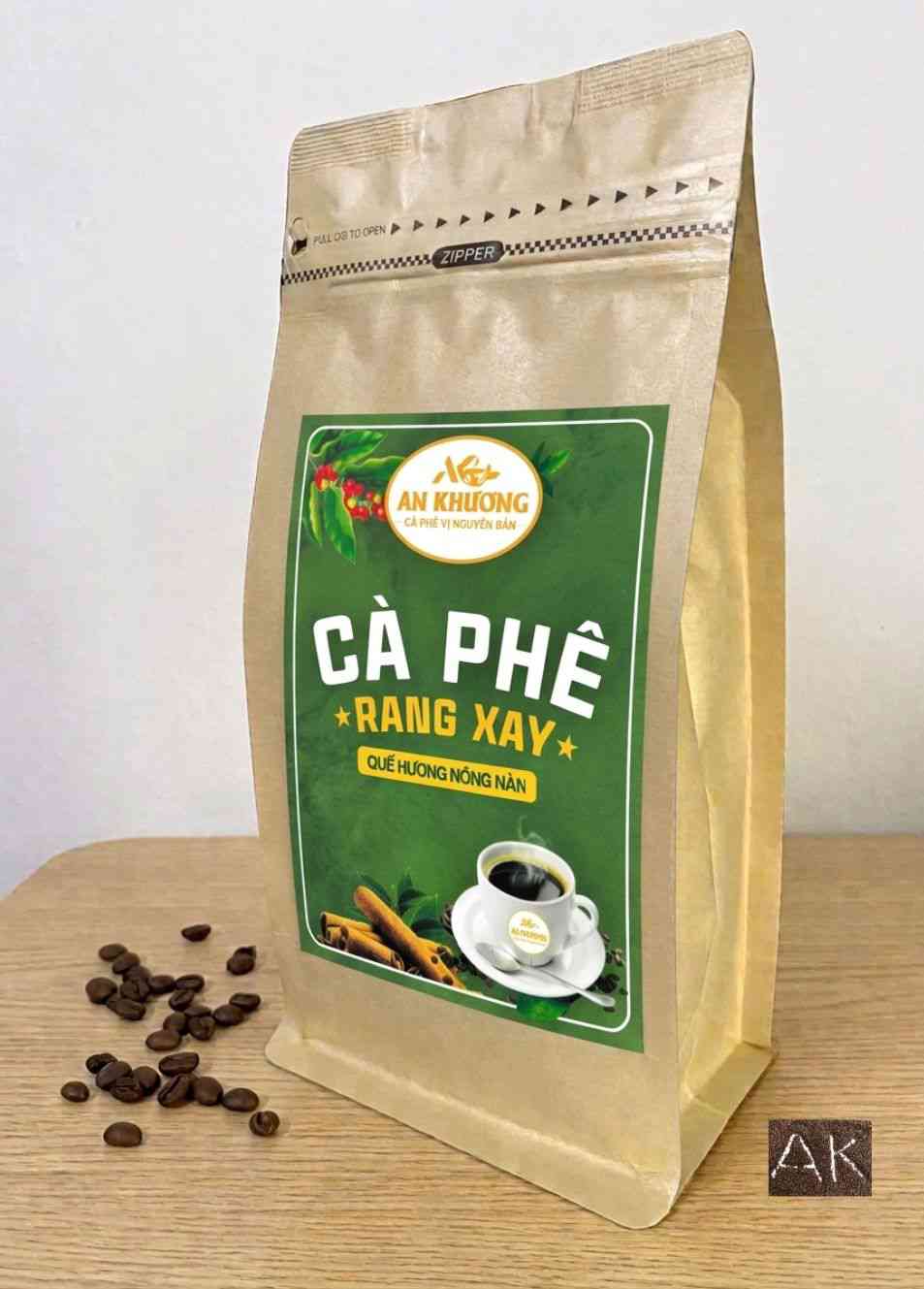
Thứ tự đúng của kiểm soát
Một chuỗi kiểm soát hợp lý bắt đầu từ nguyên liệu. Hạt phải được tiếp nhận trong trạng thái phù hợp, được xử lý và làm khô theo quy trình thích hợp, sau đó được bảo quản trong điều kiện hạn chế những tác động bất lợi. Bao bì tiếp tục bảo vệ trạng thái đó trong quá trình lưu trữ, vận chuyển và phân phối.
FAO nhấn mạnh việc bảo quản cà phê cần kiểm soát các điều kiện như độ ẩm và môi trường lưu trữ. Điều này phù hợp với nguyên tắc rộng hơn: không nên dùng một biện pháp ở cuối chuỗi để bù cho việc kiểm soát bị bỏ qua ở đầu chuỗi.
Một hạt cà phê đã bị ảnh hưởng bởi ẩm, mùi hoặc điều kiện lưu trữ bất lợi cần được đánh giá trước khi đóng gói lại. Nếu vẫn sử dụng, phải biết rõ mục đích sử dụng và mức độ ảnh hưởng; không nên mặc nhiên xem bao bì mới là bằng chứng rằng nguyên liệu đã trở lại trạng thái ban đầu.
Bao bì tốt nhất là bao bì được đặt đúng chỗ trong một hệ thống tốt: nguyên liệu phù hợp, bảo quản phù hợp, đóng gói phù hợp và theo dõi phù hợp. Nó bảo vệ chất lượng đã có; nó không thể tạo ra chất lượng đã mất.
Tài liệu tham khảo
- FAO — Arabica Coffee Manual for Lao PDR: drying, storage and transport — https://www.fao.org/4/x6939e/x6939e05.htm
- Machado et al. — Influence of Packaging on the Storage Stability of Fermented Green Coffee Beans — Applied Sciences, 2026 — https://www.mdpi.com/2076-3417/16/12/5925
From what point does packaging actually protect
Packaging starts doing its job from the moment a product is placed into the packaging system and sealed the way it's designed to be. It can reduce further exposure to oxygen, moisture, light, or odor, but it can't turn back time and restore a bean that's already changed to its original state.
This is easy to overlook when packaging gets talked about as a “shield.” A shield only blocks new impact if it's still suitable and used correctly. If beans have spent a long time in a humid environment, picked up an off odor, or degraded due to unsuitable temperature conditions, packaging them afterward only reduces further impact. It can't erase the raw material's history.
So the right question isn't “is the packaging good?” It's “what state does the product enter the packaging in, and is the packaging actually capable of protecting that state under real-world conditions?”
What happens once beans have absorbed moisture or odor
Once beans have exchanged moisture with their environment, their state has already changed. For green coffee, bean moisture is closely tied to storage conditions and stability over time. Packaging with good moisture resistance can limit further exchange, but it doesn't remove the moisture that's already entered the bean.
Similarly, if coffee has been exposed to a strongly scented environment and has already picked up an unusual odor, switching to new packaging doesn't mean that odor disappears. New packaging can only help reduce exposure to further odor sources going forward.
A 2026 study on packaging for fermented green coffee found that the oxygen and moisture barrier properties of the packaging structure were linked to maintaining storage stability. The study tracked moisture, color, structure, and other physical indicators over nine months. The very design of that research shows packaging is evaluated as a tool for maintaining a state during storage — not as a way to reverse damage that's already occurred.
What role does good packaging still play
Saying packaging can't rescue improperly stored raw material doesn't mean packaging isn't important. On the contrary, suitable packaging is a crucial layer of control once the raw material has already reached the state that needs protecting.
For green coffee, packaging can help reduce exchange with moisture and gases, limit the effects of light depending on the structure, and protect the product during transport. The 2026 study found that multilayer packaging systems with good gas and moisture barriers helped maintain the physical and chemical stability of green coffee samples under the study's conditions.
But packaging's effectiveness always depends on its environment. Good packaging sitting in a warehouse with water leaks, unfavorable temperatures, or poor handling still can't turn that warehouse into a good storage environment. Packaging is one layer in the system — not the only one.
So when assessing packaging, you need to look at the material, the structure, seal integrity, packing conditions, and the storage environment together. Looking only at the name of the material or the outward appearance of the bag isn't enough.
The right order for control
A sound chain of control starts with the raw material. Beans need to be received in suitable condition, processed and dried using an appropriate procedure, and then stored under conditions that limit adverse impacts. Packaging then continues protecting that state through storage, transport, and distribution.
The FAO emphasizes that coffee storage needs to control conditions such as humidity and the storage environment. This fits a broader principle: a measure at the end of the chain shouldn't be used to compensate for control that was skipped earlier on.
A bean that's already been affected by moisture, odor, or unfavorable storage conditions needs to be assessed before being repackaged. If it's still going to be used, its intended purpose and the extent of the impact need to be clearly understood — new packaging shouldn't automatically be treated as proof the raw material has returned to its original state.
The best packaging is packaging placed correctly within a good system: suitable raw material, suitable storage, suitable packing, and suitable monitoring. It protects quality that already exists; it can't create quality that's already been lost.
References
- FAO — Arabica Coffee Manual for Lao PDR: drying, storage and transport — https://www.fao.org/4/x6939e/x6939e05.htm
- Machado et al. — Influence of Packaging on the Storage Stability of Fermented Green Coffee Beans — Applied Sciences, 2026 — https://www.mdpi.com/2076-3417/16/12/5925