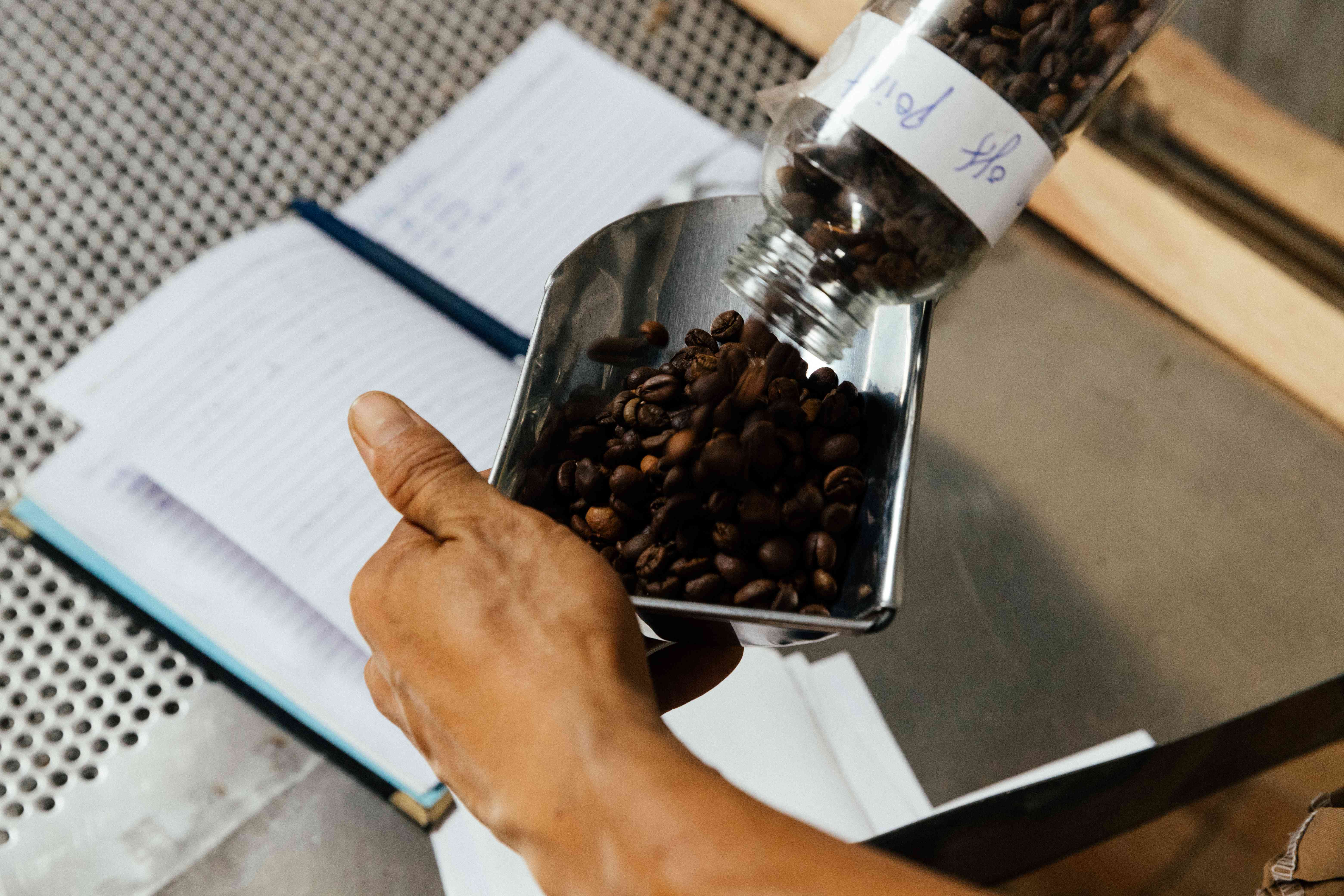
Một khuyết tật có thể biểu hiện theo nhiều cách
Khi kiểm tra cà phê xanh, nhìn màu hạt là bước hữu ích nhưng không đủ. Một hạt có vấn đề có thể đồng thời có thay đổi về màu, hình dạng, kích thước, bề mặt hoặc mùi. Nếu chỉ dùng một tiêu chí, người kiểm tra có thể bỏ sót những trường hợp nằm ngoài mẫu điển hình.
ISO 4149:2025 xây dựng việc kiểm tra cà phê xanh trên cả quan sát bằng mắt và đánh giá bằng khứu giác, với mục tiêu xác định tạp chất và khuyết tật. Chính phạm vi này cho thấy chất lượng không thể được đọc bằng một đặc điểm đơn lẻ.
Ví dụ, hai hạt có thể có màu tương tự nhau nhưng một hạt có hình dạng bất thường hoặc dấu hiệu hư hỏng trên bề mặt. Ngược lại, một hạt có màu hơi khác chưa chắc đã là khuyết tật nếu sự khác biệt nằm trong phạm vi tự nhiên của nguyên liệu.
Vì thế, người kiểm tra cần nhìn một mẫu như một tập hợp dấu hiệu. Mỗi dấu hiệu làm tăng hoặc giảm khả năng một hạt thuộc nhóm cần loại bỏ, nhưng không nên biến một dấu hiệu thành kết luận tự động.
Màu giúp phát hiện nhanh nhưng có giới hạn
Màu là một trong những tín hiệu trực quan dễ sử dụng nhất. Hạt đen, quá nhạt hoặc có màu bất thường thường dễ được chú ý khi mẫu được trải đều dưới điều kiện ánh sáng phù hợp. Đây cũng là lý do máy phân loại quang học có thể xử lý hiệu quả nhiều loại hạt có khác biệt màu rõ.
Nhưng màu chịu ảnh hưởng của ánh sáng, nền quan sát và trạng thái bề mặt. Hai mẫu được quan sát dưới điều kiện khác nhau có thể tạo cảm nhận khác nhau. Một số khuyết tật cũng không tạo ra sự thay đổi màu đủ lớn để mắt người hoặc một hệ thống chỉ dựa trên màu nhận biết chắc chắn.
Tiêu chuẩn cũ ISO 4149:2005 từng mô tả việc đánh giá tổng thể màu và độ đồng đều của mẫu dưới điều kiện chiếu sáng xác định; ISO 4149:2025 hiện là phiên bản mới đã thay thế phiên bản cũ. Điều đáng rút ra không phải là “màu là vô ích”, mà là việc quan sát phải được chuẩn hóa và đặt trong một quy trình kiểm tra rộng hơn.
Màu nên là một tín hiệu sàng lọc mạnh, không phải phán quyết duy nhất.
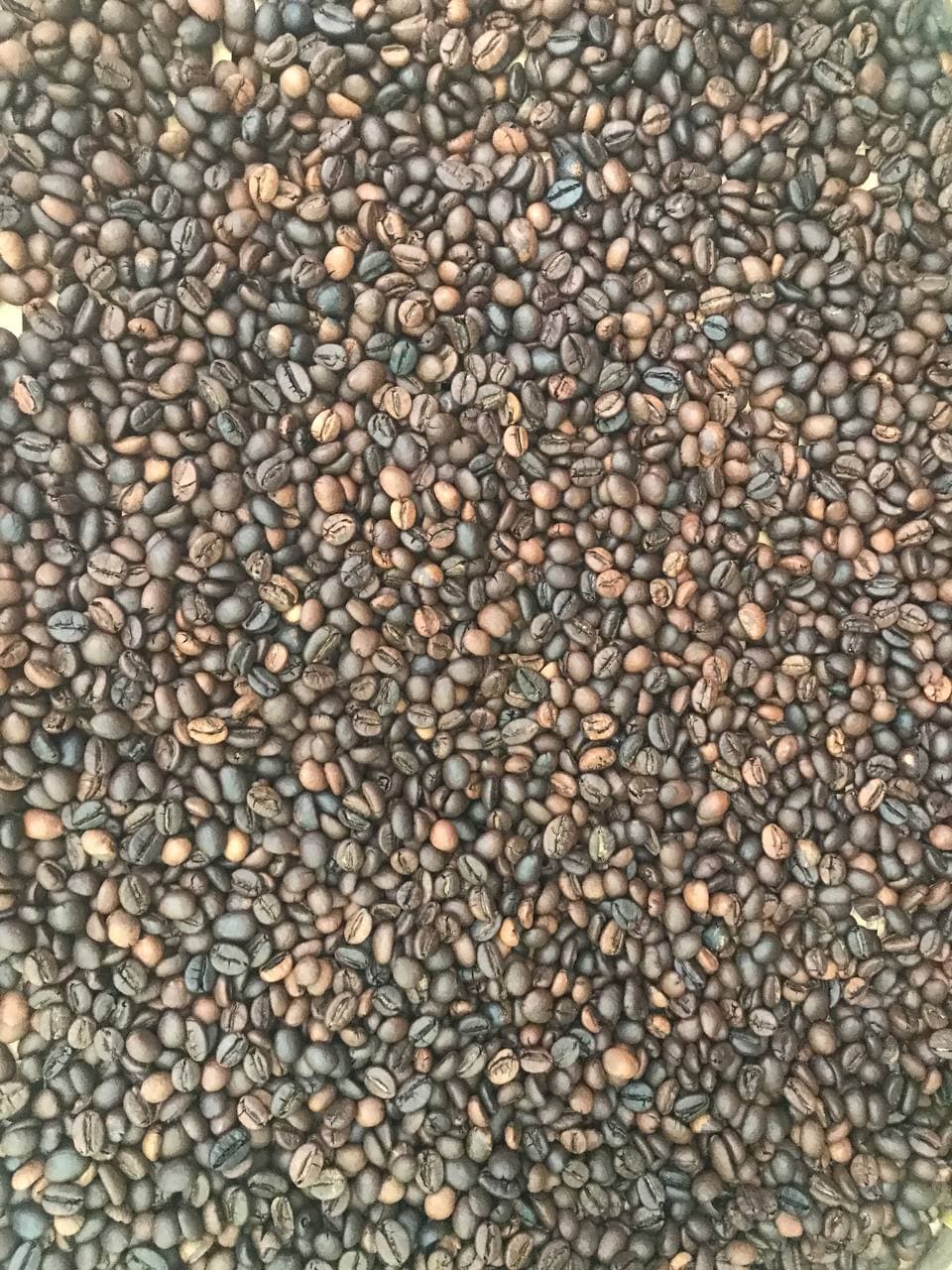
Hình dạng, kích thước và bề mặt bổ sung cho màu
Hình dạng có thể cho thấy hạt bị vỡ, biến dạng hoặc không phát triển bình thường. Kích thước giúp nhận biết những hạt lệch khỏi nhóm phân loại. Bề mặt có thể cho thấy dấu hiệu cơ học, côn trùng hoặc tổn thương khác. Những thông tin này có thể bổ sung cho màu khi đánh giá một mẫu.
Điều quan trọng là không tách từng tiêu chí thành những “cây thước” độc lập. Một hạt có kích thước nhỏ không nhất thiết là lỗi; một hạt có hình dạng khác cũng không nhất thiết phải loại bỏ. Ý nghĩa của đặc điểm phụ thuộc vào tiêu chuẩn của lô, giống, nguồn nguyên liệu và mục đích sử dụng.
Trong kiểm tra thực tế, người có kinh nghiệm thường không tự hỏi một hạt “có đúng màu không?” rồi dừng lại. Họ nhìn tổng thể: màu có bất thường không, hình dạng có phù hợp không, bề mặt có dấu hiệu đáng ngờ không và mùi của mẫu có vấn đề không.
Đây cũng là lý do dữ liệu kiểm tra nên ghi nhận loại khuyết tật thay vì chỉ ghi một tỷ lệ “hạt xấu”. Khi biết lỗi thuộc nhóm nào, cơ sở mới có thể truy tìm nguyên nhân và lựa chọn bước xử lý phù hợp.
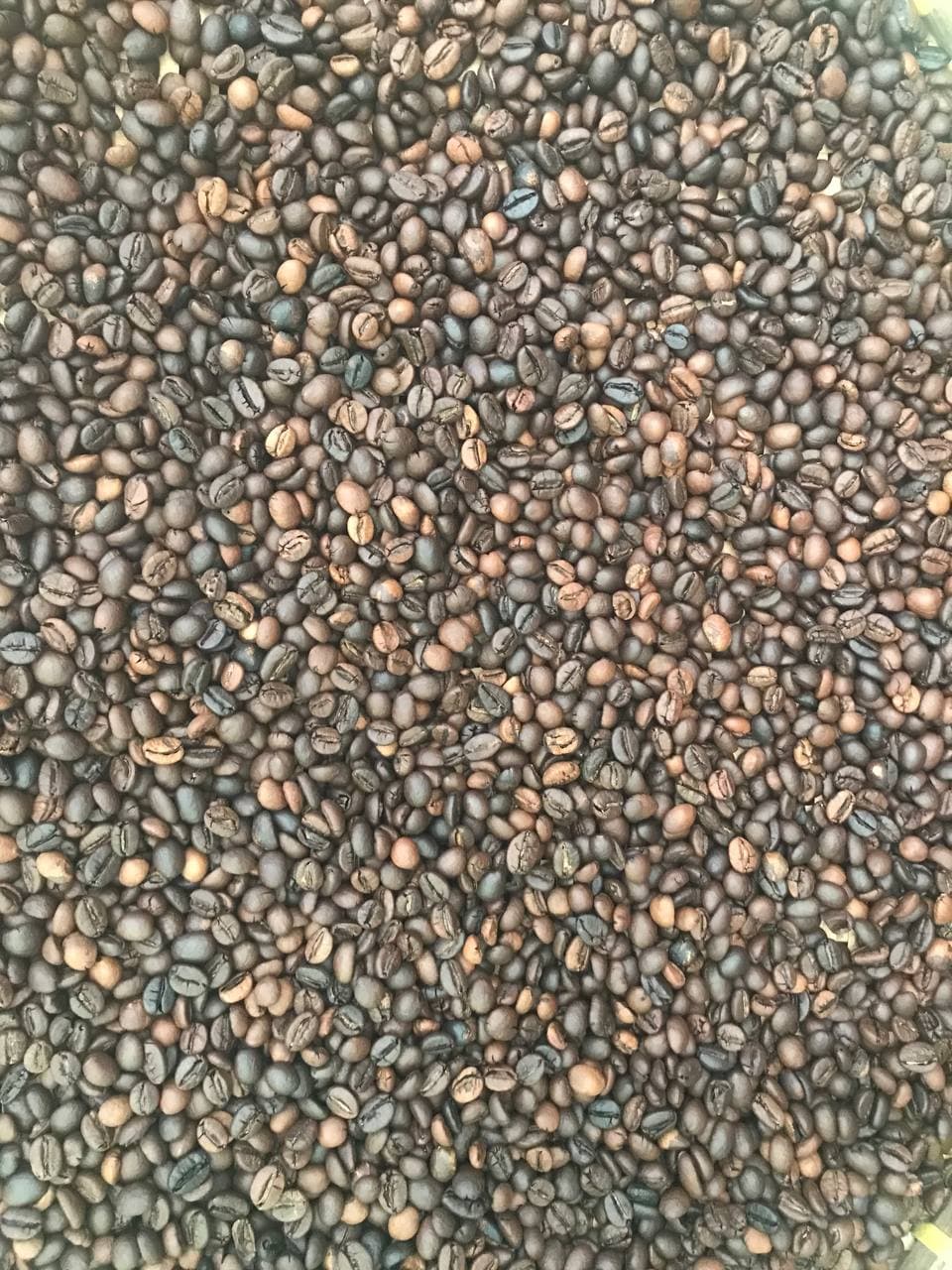
Tiêu chí kiểm tra phải gắn với cách lấy mẫu và mục tiêu
Ngay cả một bộ tiêu chí tốt cũng có thể cho kết quả sai nếu mẫu không đại diện cho lô. Nếu người kiểm tra chỉ nhìn một số hạt đẹp ở phía trên bao, kết luận không thể đại diện cho toàn bộ nguyên liệu.
ISO 4149:2025 được thiết kế cho việc kiểm tra cà phê xanh nhằm xác định tạp chất và khuyết tật, phục vụ cả kiểm soát chất lượng và kiểm tra theo yêu cầu kỹ thuật. Điều này nhấn mạnh vai trò của phương pháp, không chỉ của mắt người.
Với cơ sở sản xuất, biểu mẫu kiểm tra nên tách các nhóm thông tin cần thiết: tạp chất, khuyết tật, màu sắc hoặc ngoại quan, mùi và những tiêu chí riêng của lô. Khi một vấn đề xuất hiện nhiều lần, dữ liệu đó có thể được dùng để điều tra nguồn nguyên liệu, khâu sơ chế hoặc điều kiện bảo quản.
Một hạt cà phê không phải là một bài toán chỉ có đáp án “đạt” hoặc “không đạt” dựa trên màu. Kiểm tra tốt là quá trình ghép nhiều dấu hiệu với một phương pháp lấy mẫu phù hợp, rồi đưa ra quyết định dựa trên tiêu chuẩn đã xác định trước.
Tài liệu tham khảo
- ISO 4149:2025 — https://www.iso.org/standard/87699.html
A defect can show up in more than one way
When inspecting green coffee, looking at bean color is a useful step, but not a sufficient one. A problem bean can show changes in color, shape, size, surface, and smell all at once. Relying on a single criterion risks missing cases that fall outside the typical pattern.
ISO 4149:2025 builds green-coffee inspection on both visual observation and olfactory assessment, aimed at identifying foreign matter and defects. That scope alone shows quality can't be read from a single feature.
For example, two beans might share a similar color, but one could have an unusual shape or a sign of damage on its surface. Conversely, a bean with a slightly different color isn't necessarily defective if that difference falls within the raw material's natural range.
So an inspector needs to look at a sample as a set of signals. Each signal raises or lowers the likelihood that a bean belongs in the group to be removed, but no single signal should be turned into an automatic conclusion.
Color enables quick detection, but has limits
Color is one of the easiest visual signals to use. Black, overly pale, or unusually colored beans are typically easy to spot when a sample is spread out under suitable lighting. That's also why optical sorting machines can efficiently handle many types of beans with a clear color difference.
But color is affected by lighting, background, and surface condition. The same two samples observed under different conditions can look different. Some defects also don't produce a large enough color change for the human eye, or a color-only system, to reliably detect.
The older ISO 4149:2005 standard once described assessing overall sample color and uniformity under defined lighting conditions; ISO 4149:2025 is now the version that has replaced it. The takeaway isn't that “color is useless” — it's that observation needs to be standardized and placed within a broader inspection process.
Color should be a strong screening signal, not the sole verdict.
Shape, size, and surface complement color
Shape can reveal a broken, deformed, or improperly developed bean. Size helps identify beans that fall outside a sorting group. Surface condition can show mechanical damage, insect activity, or other harm. All of this information can supplement color when assessing a sample.
What matters is not treating each criterion as an independent standalone ruler. A small bean isn't necessarily a defect; a bean with a different shape isn't necessarily one to remove. The meaning of a given trait depends on the batch's standard, the variety, the raw-material source, and the intended use.
In practical inspection, experienced inspectors usually don't ask “is this bean the right color?” and stop there. They look at the whole picture: is the color unusual, does the shape fit, is there anything suspicious on the surface, and does the sample's smell raise concerns?
That's also why inspection data should record the type of defect, rather than just a single “bad bean” percentage. Knowing which category an issue falls into gives a facility the ability to trace the cause and choose the right response.
Inspection criteria need to be tied to sampling and purpose
Even a good set of criteria can produce a wrong conclusion if the sample doesn't represent the batch. If an inspector only looks at a handful of nice-looking beans on top of a sack, the conclusion can't represent the whole batch.
ISO 4149:2025 is designed for inspecting green coffee to identify foreign matter and defects, serving both quality control and requirement-based inspection. This underscores the role of the method itself, not just the human eye.
For a production facility, inspection forms should separate out the necessary categories of information: foreign matter, defects, color or visual appearance, smell, and any batch-specific criteria. When an issue recurs, that data can be used to investigate the raw-material source, processing step, or storage conditions.
A coffee bean isn't a problem with a simple “pass” or “fail” answer based on color alone. Good inspection is a process of combining multiple signals with an appropriate sampling method, then making a decision based on a predefined standard.
References
- ISO 4149:2025 — https://www.iso.org/standard/87699.html