
Vệ sinh trả lời câu hỏi gì
Kiểm soát vệ sinh tập trung vào điều kiện và thao tác giúp thực phẩm không bị nhiễm bẩn trong quá trình sản xuất, chế biến, đóng gói và bảo quản. Với cà phê, điều đó có thể liên quan đến nguyên liệu, bề mặt tiếp xúc, thiết bị, nước, khu vực sản xuất, kho và cách xử lý.
Mục tiêu của lớp kiểm soát này là ngăn hoặc giảm những nguy cơ có thể xuất hiện trong quá trình vận hành. Một máy được vệ sinh đúng không đồng nghĩa với việc lô nguyên liệu có nguồn gốc rõ ràng; ngược lại, một lô có nguồn gốc rõ vẫn cần được chế biến trong điều kiện phù hợp.
Vệ sinh vì vậy là câu chuyện về trạng thái và điều kiện của quá trình. Nó hỏi: bề mặt có sạch không, thiết bị có được vệ sinh đúng không, nguyên liệu có được bảo vệ không, khu vực có phù hợp không?
Những câu hỏi này rất quan trọng nhưng không trả lời được toàn bộ lịch sử của sản phẩm. Muốn biết một bao cà phê đến từ lô nào, qua những công đoạn nào và liên quan đến nguồn nào, cần một lớp thông tin khác: truy xuất.
Truy xuất trả lời câu hỏi sản phẩm đi qua đâu
FAO định nghĩa truy xuất trong hệ thống kiểm soát thực phẩm là khả năng theo dõi sự di chuyển của thực phẩm qua những giai đoạn xác định của sản xuất, chế biến và phân phối. Như vậy, truy xuất không phải là một hình thức vệ sinh; nó là một hệ thống nhận diện và liên kết thông tin.
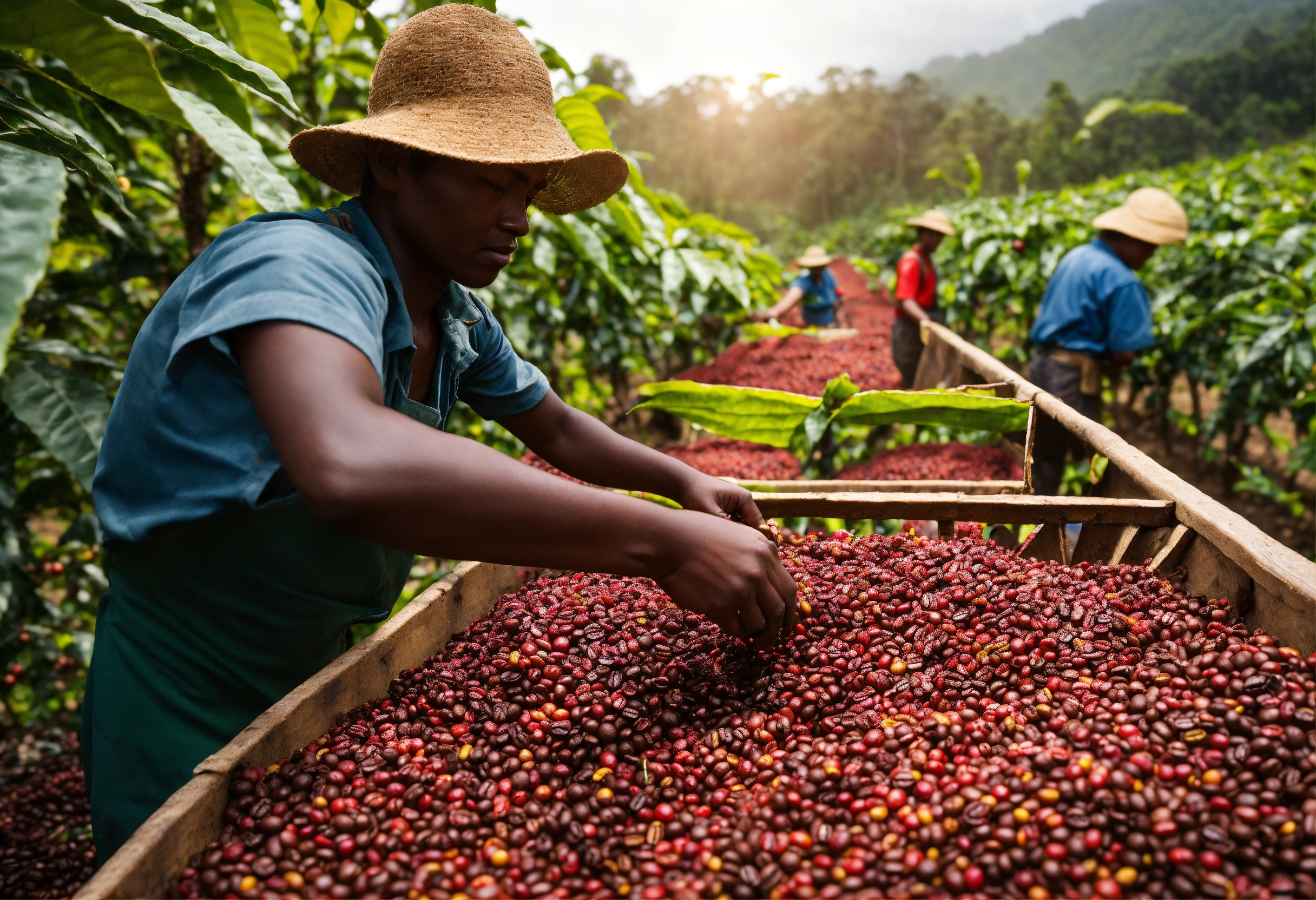
Trong chuỗi cà phê, một mã lô có thể liên kết nguyên liệu đầu vào với ngày tiếp nhận, quá trình chế biến, rang, đóng gói và phân phối. Mức độ chi tiết phụ thuộc vào quy mô và mục tiêu của cơ sở. Nhưng nguyên tắc chung là mỗi bước phải để lại đủ thông tin để có thể lần theo khi cần.
Giá trị của truy xuất đặc biệt rõ khi xảy ra sự cố. Nếu một lô có vấn đề, cơ sở cần biết sản phẩm nào có liên quan, đang ở đâu và còn những lô nào cùng nguồn hoặc cùng quá trình. FAO xem truy xuất và thu hồi là những thành phần quan trọng của hệ thống kiểm soát thực phẩm.
Một hệ thống truy xuất tốt vì vậy không làm cho sản phẩm “sạch” hơn về mặt vật lý. Nó làm cho lịch sử và phạm vi kiểm soát của sản phẩm rõ hơn.
Hai lớp này bổ sung cho nhau
Một ví dụ đơn giản cho thấy sự khác nhau. Giả sử một cơ sở có mã lô rất rõ, biết một bao cà phê đến từ đâu và đã được rang ngày nào. Nếu máy xay hoặc khu vực đóng gói không được vệ sinh đúng, truy xuất không thể thay thế cho vệ sinh.
Chiều ngược lại cũng vậy. Một dây chuyền có điều kiện vệ sinh tốt nhưng hồ sơ lô quá mơ hồ sẽ gặp khó khi cần xác định nguồn của một sản phẩm hoặc khoanh vùng một vấn đề. Không biết sản phẩm đến từ đâu thì việc điều tra và thu hồi sẽ khó chính xác.
Vì thế, hai lớp nên được xây dựng song song. Lớp vệ sinh kiểm soát điều kiện sản xuất; lớp truy xuất giữ lại thông tin về dòng di chuyển của sản phẩm. Một lớp tập trung vào “sản phẩm được xử lý trong điều kiện nào”, lớp kia tập trung vào “sản phẩm này đến từ đâu và đã đi qua đâu”.
Đây cũng là lý do không nên dùng câu “có truy xuất nên sạch” hoặc “nhà xưởng sạch nên có thể truy xuất”. Hai kết luận đó đều vượt quá những gì mỗi hệ thống thực sự chứng minh.

Một cơ sở nhỏ có thể bắt đầu từ đâu
Truy xuất không nhất thiết bắt đầu bằng phần mềm phức tạp. Một cơ sở nhỏ có thể bắt đầu bằng mã lô nhất quán và hồ sơ liên kết các điểm quan trọng: nguồn nguyên liệu, ngày tiếp nhận, lượng nhập, mẻ rang, ngày đóng gói và lượng xuất.
Ở phía vệ sinh, có thể duy trì lịch vệ sinh thiết bị, khu vực, dụng cụ và ghi nhận người thực hiện cùng thời điểm. Hai loại hồ sơ này phục vụ hai mục đích khác nhau nhưng có thể liên kết bằng mã lô hoặc ngày sản xuất.
Khi có sự cố, cơ sở sẽ có hai câu hỏi cần trả lời. Câu hỏi thứ nhất: điều kiện sản xuất tại thời điểm đó có gì bất thường? Câu hỏi thứ hai: những sản phẩm nào liên quan đến cùng lô hoặc cùng khoảng thời gian? Hồ sơ vệ sinh và truy xuất phối hợp sẽ giúp trả lời cả hai.
Giá trị của hệ thống không nằm ở số lượng biểu mẫu. Một hệ thống nhỏ nhưng được ghi đúng, nhất quán và có thể dùng lại khi điều tra sẽ hữu ích hơn một bộ hồ sơ dày nhưng không phản ánh hoạt động thực tế. Từ vệ sinh đến truy xuất, mục tiêu cuối cùng vẫn là làm cho quá trình kiểm soát có thể nhìn thấy và có thể kiểm tra.
Tài liệu tham khảo
- FAO — Traceability & recalls — https://www.fao.org/food-safety/food-control-systems/traceability---recalls/en
What question does hygiene answer
Hygiene control focuses on the conditions and practices that keep food from becoming contaminated during production, processing, packaging, and storage. For coffee, that can involve raw material, contact surfaces, equipment, water, the production area, the warehouse, and handling practices.
The goal of this layer of control is to prevent or reduce risks that can arise during operation. A properly cleaned machine doesn't mean a batch of raw material has a clear origin; conversely, a batch with a well-documented origin still needs to be processed under suitable conditions.
Hygiene, then, is a story about the state and conditions of the process. It asks: is the surface clean, was the equipment properly cleaned, is the raw material protected, is the area suitable?
These questions matter a great deal, but they don't tell the product's whole history. To know which batch a bag of coffee came from, which steps it passed through, and which source it's tied to, you need a different layer of information: traceability.
Traceability answers where the product has traveled
The FAO defines traceability in a food control system as the ability to follow food through specified stages of production, processing, and distribution. Traceability, then, isn't a form of hygiene — it's a system for identification and linking information.
In the coffee chain, a batch code can link incoming raw material to the intake date, processing, roasting, packing, and distribution. The level of detail depends on the facility's scale and goals. But the general principle is that each step needs to leave behind enough information to be traced when necessary.
The value of traceability shows most clearly when something goes wrong. If a batch has an issue, the facility needs to know which products are affected, where they currently are, and which other batches share the same source or process. The FAO treats traceability and recall as important components of a food control system.
A good traceability system, then, doesn't make a product physically “cleaner.” It makes the product's history and scope of control clearer.
These two layers complement each other
A simple example shows the difference. Suppose a facility has very clear batch codes and knows exactly where a bag of coffee came from and when it was roasted. If the grinder or the packing area wasn't cleaned properly, traceability can't substitute for hygiene.
The reverse holds too. A production line with good hygiene conditions but very vague batch records will struggle when it needs to identify a product's source or narrow down an issue. Without knowing where a product came from, investigation and recall become far harder to carry out accurately.
So the two layers should be built side by side. The hygiene layer controls production conditions; the traceability layer preserves information about how the product moved. One focuses on “what conditions was the product handled under”; the other focuses on “where did this product come from and where has it been.”
This is also why sentences like “we have traceability, so we're clean” or “our facility is clean, so we must be traceable” don't hold up. Both conclusions go beyond what each system actually proves.
Where can a small facility start
Traceability doesn't have to begin with complex software. A small facility can start with a consistent batch-coding system and records linking key points: raw-material source, intake date, quantity received, roast batch, packing date, and quantity shipped.
On the hygiene side, a facility can maintain a cleaning schedule for equipment, areas, and tools, and record who performed each task and when. These two kinds of records serve different purposes, but they can be linked through the batch code or production date.
When something goes wrong, a facility faces two questions. First: was anything unusual about the production conditions at that time? Second: which products are tied to the same batch or timeframe? Hygiene and traceability records working together help answer both.
The value of a system doesn't lie in the number of forms it has. A small system that's recorded accurately, consistently, and can actually be used during an investigation is far more useful than a thick set of records that doesn't reflect real activity. From hygiene to traceability, the ultimate goal is always the same: making the control process visible and verifiable.
References
- FAO — Traceability & recalls — https://www.fao.org/food-safety/food-control-systems/traceability---recalls/en