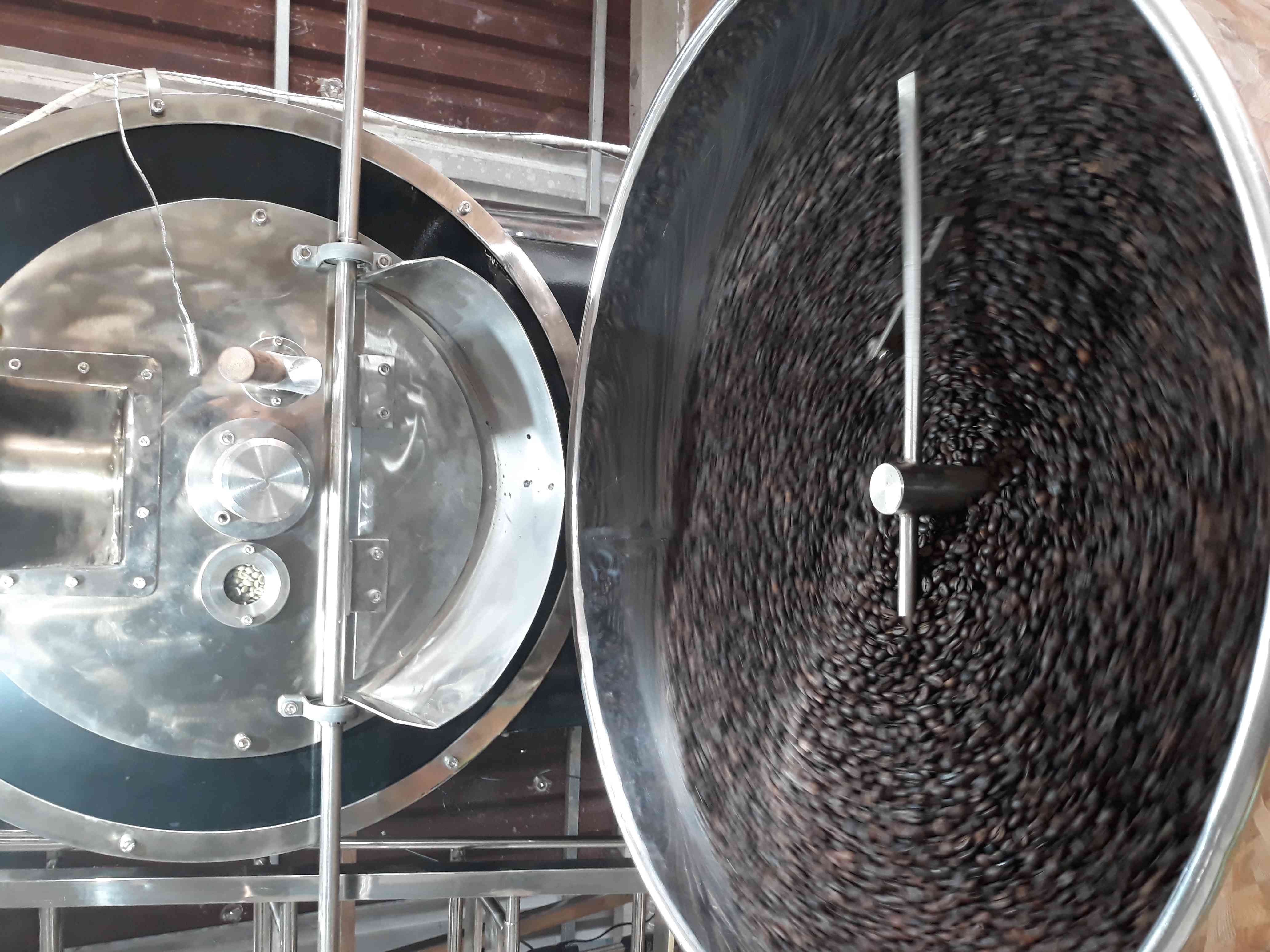
Cà phê rang tiếp tục giải phóng khí sau khi rang
Sau khi ra khỏi máy rang, hạt cà phê không lập tức trở thành một vật liệu hoàn toàn ổn định. Carbon dioxide được tạo ra trong quá trình rang và một phần vẫn bị giữ trong cấu trúc hạt. Khí này tiếp tục khuếch tán ra ngoài trong thời gian sau rang.
Đây là lý do bao bì cà phê có một bài toán khác với nhiều thực phẩm khô thông thường. Nếu gói được đóng kín tuyệt đối trong khi lượng carbon dioxide tiếp tục tăng, áp suất bên trong có thể tăng và làm túi phồng lên.
Nghiên cứu về động học giải phóng carbon dioxide cho thấy cà phê rang cần được xử lý theo cách cân bằng giữa việc giải phóng khí và bảo toàn chất lượng. Một hướng là chờ khử khí trước khi đóng gói; hướng khác là dùng bao bì có khả năng cho carbon dioxide thoát ra.
Van một chiều được thiết kế cho bài toán thứ hai.
Van một chiều cho khí đi ra nhưng hạn chế khí đi vào
Van một chiều trên túi cà phê được thiết kế để tạo ra dòng khí ưu tiên theo một hướng. Khi áp suất bên trong túi tăng đến mức phù hợp, carbon dioxide có thể thoát ra qua van. Khi áp suất bên ngoài cao hơn, cấu trúc van hạn chế dòng khí đi ngược vào túi.
Nguyên lý này giúp giải quyết một mâu thuẫn thực tế. Cà phê cần có đường để giải phóng khí sau rang, nhưng nhà sản xuất đồng thời muốn hạn chế sự trao đổi với môi trường bên ngoài để bảo vệ độ tươi.
Không nên hiểu van như một thiết bị hút hết khí khỏi túi. Nó cũng không thay thế cho vật liệu bao bì có hàng rào khí phù hợp. Van và cấu trúc túi thực hiện hai nhiệm vụ liên quan nhưng khác nhau.
Hiệu quả thực tế còn phụ thuộc vào thiết kế van, mức độ kín của túi, lượng carbon dioxide còn lại trong cà phê và điều kiện bảo quản. Vì vậy, một chiếc van tốt chỉ phát huy đúng chức năng khi được đặt trong một hệ thống bao bì phù hợp.
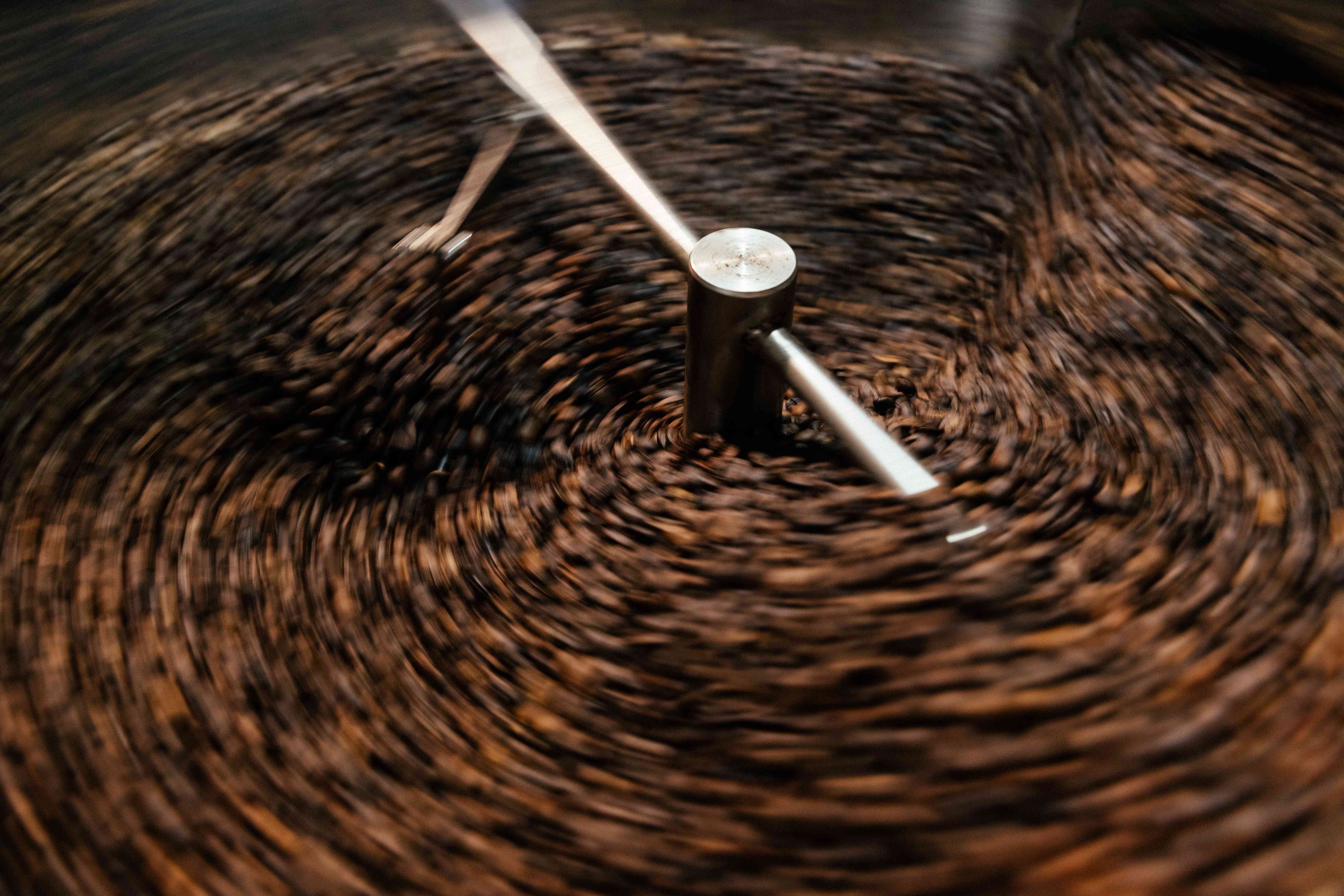
Vì sao van phải được lắp kín với cấu trúc bao bì
Một van không thể tự bảo vệ cả gói nếu các vị trí khác của bao bì cho khí đi qua quá dễ dàng. Đường hàn, vật liệu nhiều lớp và vị trí lắp van đều góp phần quyết định cách khí di chuyển.
Nếu đường hàn có khuyết tật, túi có thể mất khí theo một con đường không được kiểm soát. Nếu vật liệu có khả năng truyền khí cao hơn dự kiến, lợi ích của van cũng không thể bù lại toàn bộ. Ngược lại, một cấu trúc bao bì tốt nhưng van không hoạt động đúng có thể gặp vấn đề do khí tích tụ.
Vì vậy, khi kiểm tra túi cà phê, không nên chỉ hỏi “có van hay không”. Cần hỏi van có phù hợp với sản phẩm, cấu trúc bao bì có kín không và hệ thống đã được kiểm tra trong điều kiện thực tế chưa.
Các nghiên cứu về carbon dioxide trong cà phê cho thấy tốc độ giải phóng khí thay đổi theo mức rang, nhiệt độ, kích thước hạt và điều kiện bảo quản. Thiết kế van vì vậy cần gắn với đặc tính của sản phẩm chứ không phải một thông số chung cho mọi loại cà phê.
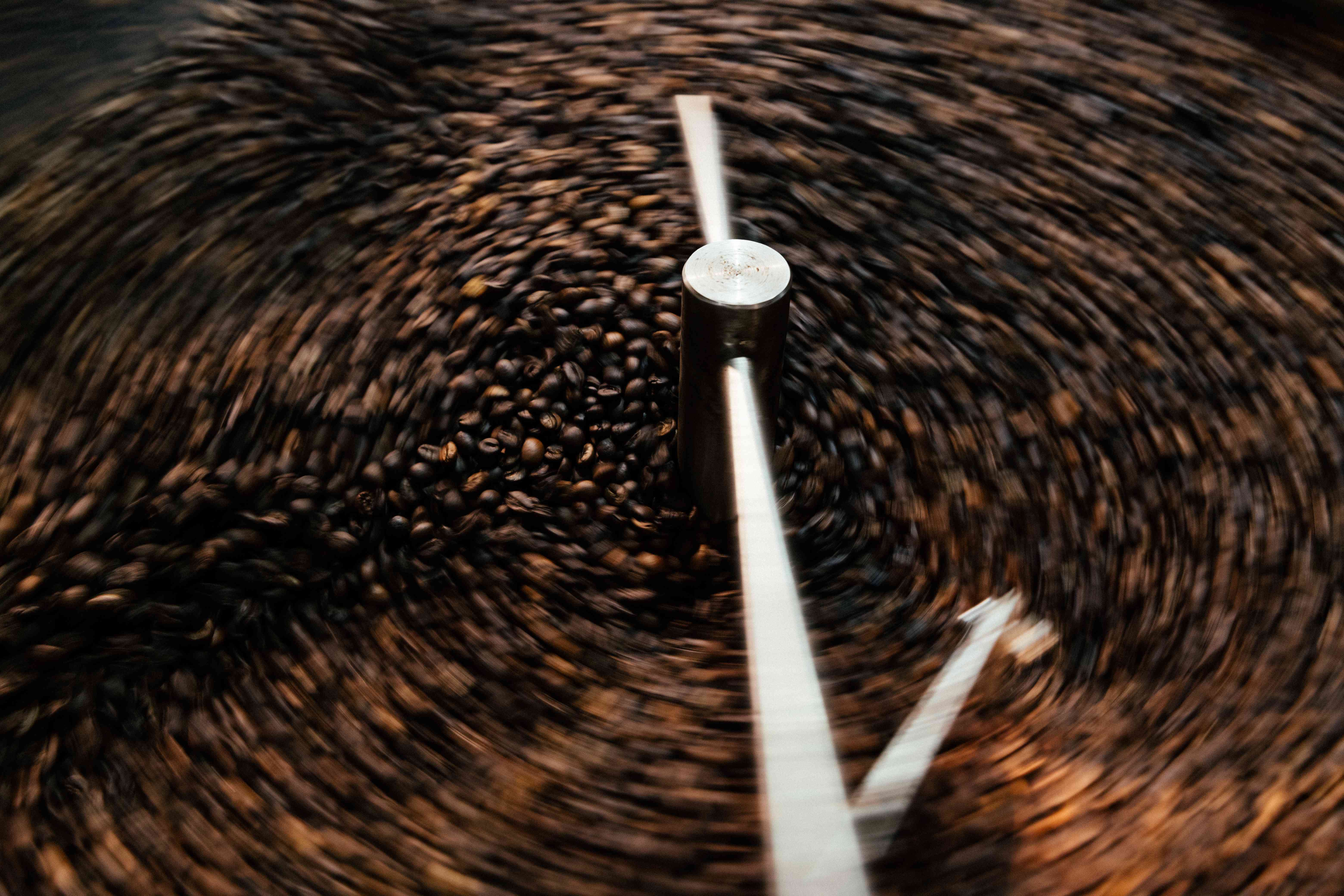
Van một chiều không đồng nghĩa với bảo quản vô hạn
Một chiếc van có thể giúp giải quyết áp suất do carbon dioxide nhưng không ngăn tất cả các cơ chế làm cà phê mất độ tươi. Hương dễ bay hơi vẫn có thể giảm, oxygen vẫn có thể tham gia vào quá trình oxy hóa và nhiệt độ bảo quản vẫn có ảnh hưởng đến tốc độ suy giảm.
Một nghiên cứu về cà phê rang cho thấy các hiện tượng quan trọng trong quá trình bảo quản gồm giải phóng carbon dioxide, mất hợp chất dễ bay hơi, di chuyển dầu và các phản ứng oxy hóa. Van chủ yếu giải quyết bài toán khí sinh ra từ sản phẩm.
Vì thế, van một chiều nên được xem là một thành phần của hệ thống đóng gói. Vật liệu cản khí, đường hàn, mức khí ban đầu, thời điểm đóng gói và điều kiện kho vẫn cần được kiểm soát.
Hiểu đúng chức năng của van giúp tránh hai thái cực: coi van là chi tiết trang trí không có tác dụng, hoặc coi van là thứ có thể tự mình giữ cà phê tươi bất kể bao bì và điều kiện bảo quản.
Tài liệu tham khảo
- Anderson et al. (2003), The diffusion kinetics of carbon dioxide in fresh roasted and ground coffee — https://www.sciencedirect.com/science/article/pii/S0260877402004326
- Investigation of CO2 precursors in roasted coffee (2017) — https://www.sciencedirect.com/science/article/pii/S030881461631487X
- Effect of roasting conditions on carbon dioxide degassing behavior in coffee (2014) — https://www.sciencedirect.com/science/article/pii/S0963996914000337
Roasted coffee keeps releasing gas after roasting
Once beans leave the roaster, they don't immediately become a completely stable material. Carbon dioxide is generated during roasting, and some of it stays trapped within the bean's structure. This gas continues diffusing outward for a while after roasting.
That's why coffee packaging faces a different challenge than many typical dry foods. If a bag is sealed absolutely airtight while carbon dioxide is still building up, internal pressure can rise and cause the bag to swell.
Research on the kinetics of carbon dioxide release shows that roasted coffee needs to be handled in a way that balances gas release with preserving quality. One approach is waiting for degassing before packing; another is using packaging that lets carbon dioxide escape.
One-way valves are designed for that second approach.
A one-way valve lets gas out while limiting gas coming in
The one-way valve on a coffee bag is designed to create a preferred flow of gas in a single direction. When internal pressure rises to an appropriate level, carbon dioxide can escape through the valve. When outside pressure is higher, the valve's structure restricts gas from flowing back into the bag.
This principle addresses a real-world contradiction. Coffee needs an outlet to release gas after roasting, but producers also want to limit exchange with the outside environment to protect freshness.
A valve shouldn't be understood as a device that sucks all the air out of a bag. It also doesn't replace the packaging material's gas-barrier function. The valve and the bag's structure perform two related but distinct jobs.
Real-world effectiveness also depends on the valve's design, how airtight the bag is, how much carbon dioxide remains in the coffee, and storage conditions. So a good valve only works as intended when it's placed within a suitable packaging system.
Why the valve needs to be tightly fitted to the packaging structure
A valve can't protect an entire bag on its own if other parts of the packaging let gas pass through too easily. The seal, the multilayer material, and the valve's placement all contribute to how gas actually moves.
If the seal has a flaw, the bag can lose gas through an uncontrolled route. If the material has a higher gas transmission rate than expected, the valve's benefit can't fully compensate for that either. Conversely, a good packaging structure with a malfunctioning valve can still run into problems from gas buildup.
So when inspecting a coffee bag, the question shouldn't just be “does it have a valve?” It should be whether the valve suits the product, whether the packaging structure is airtight, and whether the whole system has been tested under real conditions.
Studies on carbon dioxide in coffee show that the rate of gas release varies with roast level, temperature, bean size, and storage conditions. Valve design, then, needs to be matched to the specific product's characteristics — not a single generic figure applied to every type of coffee.
A one-way valve doesn't mean unlimited storage life
A valve can help manage pressure from carbon dioxide, but it doesn't prevent every mechanism that causes coffee to lose freshness. Volatile aroma compounds can still decline, oxygen can still take part in oxidation, and storage temperature still affects the rate of decline.
A study on roasted coffee identifies several key phenomena during storage: carbon dioxide release, loss of volatile compounds, oil migration, and oxidation reactions. The valve mainly addresses the gas generated by the product itself.
So a one-way valve should be seen as one component of the packaging system. The gas-barrier material, the seal, the initial gas level, the packing timing, and warehouse conditions all still need to be controlled.
Understanding the valve's actual function correctly helps avoid two extremes: treating it as a useless decorative detail, or treating it as something that can keep coffee fresh entirely on its own, regardless of the packaging and storage conditions around it.
References
- Anderson et al. (2003), The diffusion kinetics of carbon dioxide in fresh roasted and ground coffee — https://www.sciencedirect.com/science/article/pii/S0260877402004326
- Investigation of CO2 precursors in roasted coffee (2017) — https://www.sciencedirect.com/science/article/pii/S030881461631487X
- Effect of roasting conditions on carbon dioxide degassing behavior in coffee (2014) — https://www.sciencedirect.com/science/article/pii/S0963996914000337