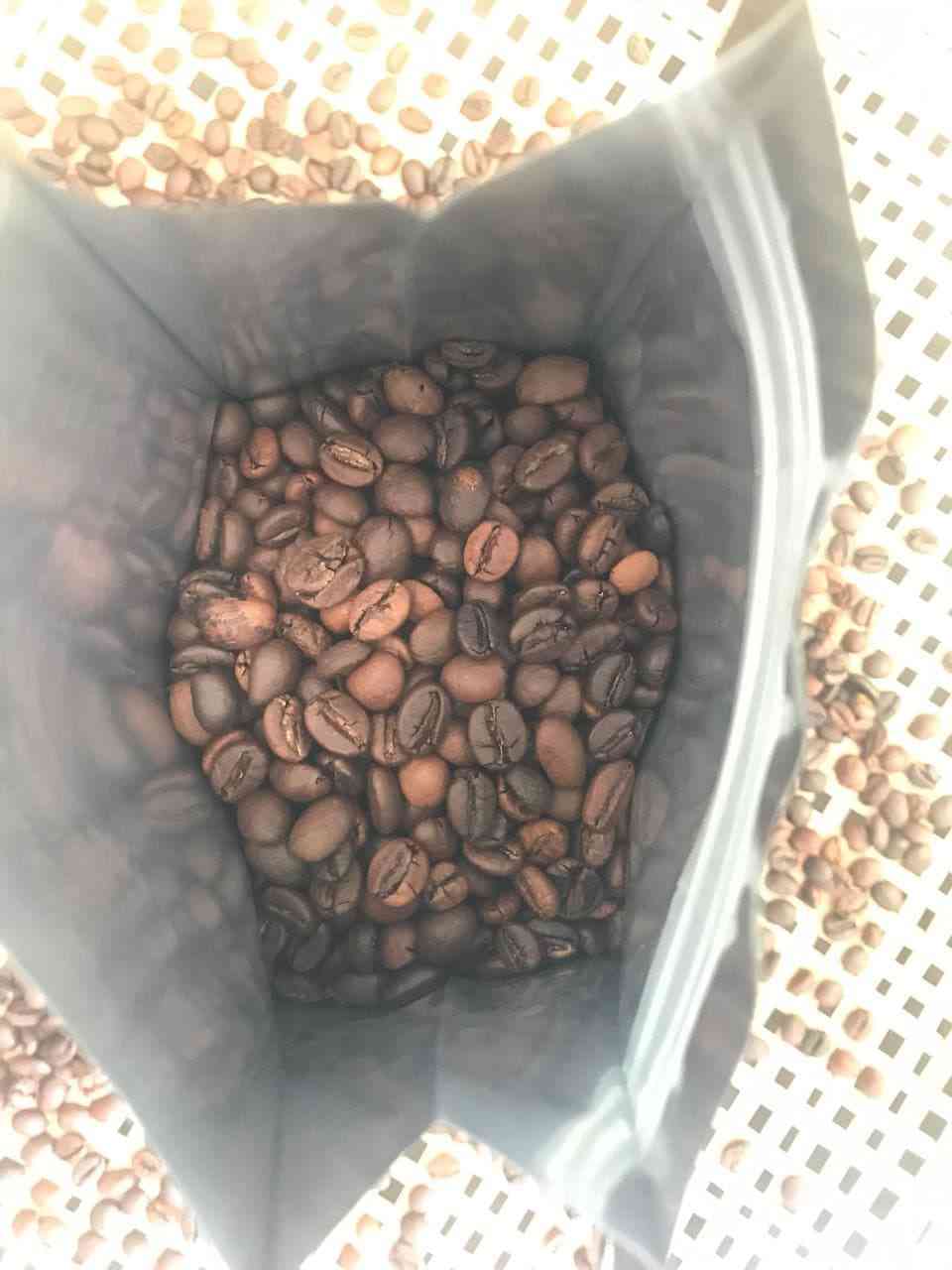
Mùi từ bao bì có thể trở thành vấn đề như thế nào
Cà phê rang có hệ thống hợp chất dễ bay hơi rất phong phú và chính những hợp chất này tạo nên phần lớn cảm nhận về hương. Vì vậy, một bao bì không phù hợp không chỉ làm thay đổi khả năng bảo quản mà trong một số điều kiện còn có thể làm xuất hiện mùi không mong muốn.
Cần phân biệt hai hiện tượng. Một là cà phê mất các hợp chất hương vốn có. Hai là sản phẩm nhận thêm một mùi từ môi trường hoặc vật liệu tiếp xúc. Khi hai quá trình xảy ra cùng lúc, người uống có thể cảm nhận sản phẩm khác xa so với lúc mới đóng gói.
Bao bì thực phẩm được xem là vật liệu tiếp xúc thực phẩm và các thành phần của nó phải được đánh giá theo mục đích sử dụng. FDA lưu ý rằng vật liệu tiếp xúc thực phẩm bao gồm cả bao bì và các thành phần của bao bì. Điều này cho thấy việc chọn túi không chỉ là chọn hình dáng hay độ dày.
Với cà phê, câu hỏi quan trọng là vật liệu có phù hợp với sản phẩm, điều kiện tiếp xúc và thời gian bảo quản dự kiến hay không.
Vì sao cà phê dễ làm lộ mùi không mong muốn
Cà phê có khả năng giữ và giải phóng nhiều hợp chất mùi. Sau rang, bề mặt hạt và đặc biệt là cà phê xay có diện tích tiếp xúc lớn hơn, khiến tương tác giữa sản phẩm và môi trường trở nên đáng chú ý hơn.
Nếu vật liệu bao bì hoặc lớp keo, mực, chất phủ hay thành phần khác có hợp chất dễ bay hơi, những chất này có thể tạo ra mùi trong khoảng không của bao. Mức độ cảm nhận phụ thuộc vào loại vật liệu, nhiệt độ, thời gian tiếp xúc và đặc tính của chính cà phê.
Không nên kết luận rằng cứ có mùi nhựa là vật liệu chắc chắn “độc”. Mùi cảm quan và đánh giá an toàn là hai câu hỏi khác nhau. Một vật liệu có thể có mùi làm ảnh hưởng cảm quan nhưng vẫn phải được đánh giá riêng về tính phù hợp khi tiếp xúc thực phẩm; ngược lại, một vật liệu không có mùi rõ rệt cũng không vì thế mà tự động được coi là phù hợp.
Do đó, kiểm soát mùi cần bắt đầu từ việc lựa chọn vật liệu và thử nghiệm trong điều kiện sử dụng thực tế.
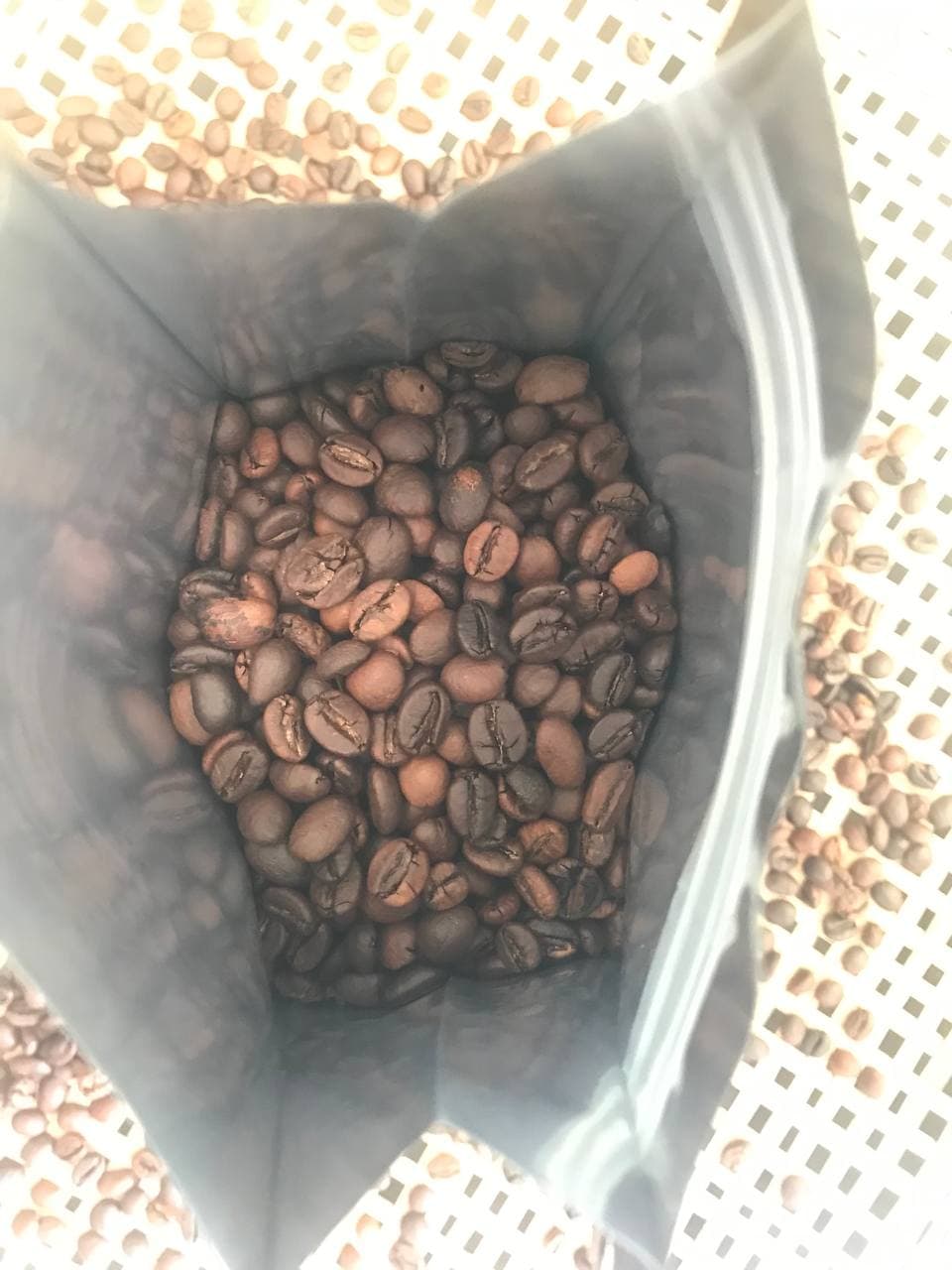
Những yếu tố làm nguy cơ chuyển mùi tăng lên
Nhiệt độ cao thường làm tăng tốc độ khuếch tán và giải phóng nhiều hợp chất dễ bay hơi. Thời gian tiếp xúc dài cũng làm tăng cơ hội để các chất từ vật liệu và sản phẩm tương tác với nhau. Cấu trúc bao bì có độ cản khí khác nhau cũng tạo ra những điều kiện khác nhau.
Cà phê xay thường nhạy với môi trường hơn hạt nguyên vì diện tích bề mặt lớn. Nếu sản phẩm được đóng trong một bao bì có mùi mạnh ngay sau khi rang hoặc xay, khoảng không bên trong có thể trở thành nơi tích tụ các hợp chất bay hơi.
Điều kiện kho cũng quan trọng. Một bao bì được thiết kế tốt nhưng được lưu ở nơi nóng, có nhiều mùi hóa chất hoặc tiếp xúc với nguồn mùi mạnh vẫn có thể gặp vấn đề. Bao bì không phải một bức tường tuyệt đối tách sản phẩm khỏi mọi thứ bên ngoài.
Vì vậy, đánh giá mùi phải xem cả vật liệu, sản phẩm, nhiệt độ, thời gian và môi trường bảo quản.

Kiểm soát mùi nên bắt đầu trước khi đóng gói
Một quy trình hợp lý có thể bắt đầu bằng việc chọn vật liệu được phép dùng cho loại thực phẩm và điều kiện sử dụng dự kiến. FDA cung cấp các nhóm thực phẩm và điều kiện sử dụng để đánh giá chất tiếp xúc thực phẩm; điều đó nhắc nhở rằng cùng một vật liệu không nên được xem là phù hợp cho mọi mục đích chỉ vì nó được dùng phổ biến trên thị trường.
Sau đó, cơ sở có thể đánh giá cảm quan bao bì và sản phẩm trong điều kiện bảo quản dự kiến. Nếu có mùi bất thường, cần xác định xem nguồn nằm ở cà phê, bao bì, khu vực kho hay một công đoạn khác.
Một phép thử đơn giản tại thời điểm đóng gói không thay thế cho đánh giá ổn định theo thời gian. Mùi có thể thay đổi khi nhiệt độ, thời gian và trạng thái của sản phẩm thay đổi.
Bao bì tốt vì vậy không chỉ giữ cà phê bên trong túi. Nó phải giúp sản phẩm giữ được đặc tính cảm quan vốn có và không tạo thêm một vấn đề mới trong suốt thời gian sử dụng dự kiến.
Tài liệu tham khảo
- FDA — Food Packaging & Other Substances that Come in Contact with Food — https://www.fda.gov/food/food-ingredients-packaging/food-packaging-other-substances-come-contact-food-information
- FDA — Food Types & Conditions of Use for Food Contact Substances — https://www.fda.gov/food/packaging-food-contact-substances-fcs/food-types-conditions-use-food-contact-substances
How odor from packaging can become a real problem
Roasted coffee has a very rich system of volatile compounds, and those compounds are largely responsible for how we perceive its aroma. So unsuitable packaging doesn't just change how well the product stores — under certain conditions, it can actually introduce an unwanted odor.
Two phenomena need to be distinguished. One is coffee losing the aroma compounds it originally had. The other is the product picking up an additional odor from the environment or the contact material. When both happen at once, a drinker can perceive a product very different from what it was right after packing.
Food packaging is treated as a food-contact material, and its components need to be assessed against their intended use. The FDA notes that food-contact substances include packaging and its components. That shows choosing a bag isn't just about shape or thickness.
For coffee, the important question is whether the material suits the product, the contact conditions, and the intended storage period.
Why coffee readily reveals unwanted odors
Coffee has a strong capacity to hold and release aroma compounds. After roasting, the bean's surface — and especially ground coffee — has a much larger contact area, which makes interaction between the product and its environment more noticeable.
If the packaging material, adhesive layer, ink, coating, or other components contain volatile compounds, those substances can create an odor within the bag's headspace. How noticeable this is depends on the type of material, temperature, exposure time, and the coffee's own characteristics.
It shouldn't be assumed that any plastic-like smell automatically means the material is “toxic.” Sensory odor and safety assessment are two separate questions. A material might have a smell that affects sensory perception while still needing to be separately evaluated for its suitability in food contact; conversely, a material with no noticeable smell isn't automatically considered suitable either.
So controlling odor needs to start with choosing the right material and testing it under actual use conditions.
Factors that increase the risk of odor transfer
High temperature typically speeds up diffusion and the release of many volatile compounds. Longer contact time also increases the chance for substances from the material and the product to interact. Packaging structures with different gas-barrier properties create different conditions too.
Ground coffee is usually more sensitive to its environment than whole beans, due to its larger surface area. If the product is packed in strongly scented packaging right after roasting or grinding, the headspace inside can become a place where volatile compounds accumulate.
Warehouse conditions matter as well. Well-designed packaging stored somewhere hot, with strong chemical smells, or exposed to a strong odor source can still run into problems. Packaging isn't an absolute wall separating the product from everything outside.
So assessing odor needs to consider the material, the product, temperature, time, and the storage environment all together.
Odor control should start before packing
A sound process can begin with choosing a material that's approved for the type of food and the intended conditions of use. The FDA provides food categories and conditions of use for assessing food-contact substances — a reminder that the same material shouldn't be considered suitable for every purpose just because it's commonly used in the market.
After that, a facility can carry out sensory evaluation of the packaging and the product under expected storage conditions. If there's an unusual smell, it's worth identifying whether the source is the coffee itself, the packaging, the warehouse area, or another step in the process.
A simple test at the moment of packing doesn't substitute for a stability assessment over time. Odor can change as temperature, time, and the product's state shift.
Good packaging, then, doesn't just keep coffee contained inside a bag. It needs to help the product retain its original sensory character and avoid introducing a new problem over the entire intended period of use.
References
- FDA — Food Packaging & Other Substances that Come in Contact with Food — https://www.fda.gov/food/food-ingredients-packaging/food-packaging-other-substances-come-contact-food-information
- FDA — Food Types & Conditions of Use for Food Contact Substances — https://www.fda.gov/food/packaging-food-contact-substances-fcs/food-types-conditions-use-food-contact-substances