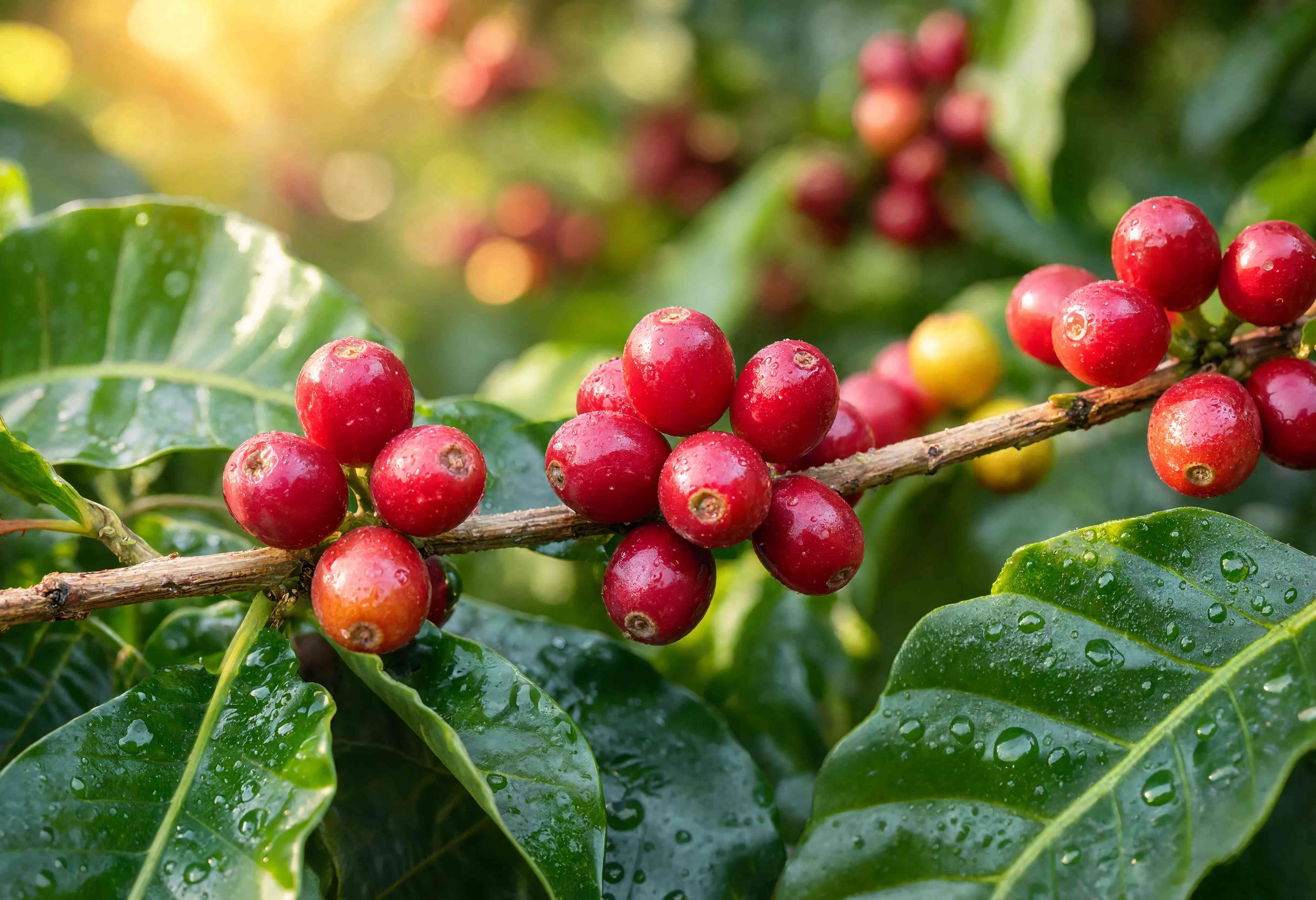
Water activity không chỉ là lượng nước trong hạt
Water activity, ký hiệu aw, mô tả mức độ nước trong vật liệu ở trạng thái sẵn có để tham gia vào các quá trình hóa học hoặc sinh học. Đây là điểm khác với moisture content, vốn nói về tổng lượng nước có trong mẫu.
Hai lô cà phê có thể có lượng nước tương tự nhưng nước được giữ trong cấu trúc hạt theo cách khác nhau. Vì vậy, chỉ một con số phần trăm nước không phải lúc nào cũng mô tả đầy đủ khả năng ổn định của nguyên liệu.
Trong nghiên cứu thực phẩm, aw được sử dụng để đánh giá khả năng phát triển vi sinh vật và các phản ứng liên quan đến nước. Với cà phê, nó vì thế có thể bổ sung một lớp thông tin mà phép đo moisture content không cung cấp trực tiếp.
aw giúp nhìn rủi ro ổn định theo một góc khác
Nước có sẵn nhiều hơn không đồng nghĩa mọi thay đổi đều xảy ra ngay, nhưng aw cao có thể tạo điều kiện thuận lợi hơn cho một số quá trình. Green Coffee Collective mô tả aw là chỉ số về lượng nước có khả năng tham gia vào phát triển nấm mốc và suy giảm.
Một nghiên cứu trên Robusta lưu trữ trong điều kiện nhiệt đới cũng theo dõi đồng thời moisture content và aw, và ghi nhận cả hai tăng trong điều kiện độ ẩm môi trường cao. Những thay đổi đó đi cùng sự thay đổi về một số dấu hiệu chất lượng trong thời gian lưu trữ.
Điều quan trọng là không biến aw thành một “điểm đạt” áp dụng cho mọi trường hợp. Giá trị của nó nằm ở việc giúp đánh giá trạng thái ổn định cùng với loại cà phê, bao bì và điều kiện bảo quản.
aw có thể liên quan đến chất lượng cảm quan và cấu trúc
Nước không chỉ liên quan đến nguy cơ vi sinh. Nghiên cứu về tính chất cơ học của cà phê sống và cà phê rang cho thấy tính chất cấu trúc phụ thuộc mạnh vào water activity; khi mức hydrat hóa tăng đến một vùng nhất định, ma trận hạt có thể mềm hóa.
Điều này đặc biệt đáng chú ý với cà phê rang vì độ giòn và trạng thái cấu trúc ảnh hưởng đến quá trình xay. Với cà phê xanh, trạng thái nước cũng liên quan đến cách hạt đáp ứng trong quá trình rang.
Vì vậy, aw không nên được xem là một chỉ số chỉ dành cho an toàn. Nó có thể là một phần của bức tranh về độ ổn định vật lý, hóa học và sinh học của cà phê.
Đọc aw cùng moisture content và dữ liệu kho
Một giá trị aw không nên đứng một mình. Khi kiểm tra một lô cà phê, có thể đặt nó cạnh moisture content, nhiệt độ, độ ẩm tương đối, tình trạng bao bì và thời gian lưu trữ. Nếu các dữ liệu này biến động cùng chiều, chúng tạo thành một câu chuyện có ý nghĩa hơn một con số đơn lẻ.
Nghiên cứu năm 2026 trên cà phê xanh cho thấy các hệ thống bao bì khác nhau có thể tạo ra khác biệt về cả moisture content và aw trong thời gian dài. Một nghiên cứu khác trên cà phê rang và xay cũng cho thấy có thể lập bản đồ phân bố của hai chỉ số này trong mẫu.
Do đó, water activity có giá trị nhất khi được dùng như một công cụ theo dõi. Nó giúp trả lời câu hỏi “nước đang ở trạng thái nào và có khả năng gây ra thay đổi gì?”, thay vì chỉ hỏi “cà phê có bao nhiêu phần trăm nước?”.
Tài liệu tham khảo
- Green Coffee Collective — Water Activity (aw)
- ACS — Industrial Storage of Green Robusta Coffee under Tropical Conditions
- Wiley — Effect of Moisture and Water Activity on Textural Properties of Raw and Roasted Coffee Beans
- ScienceDirect — Determination and visualization of water activity and moisture properties of roasted and ground coffees (2026)
Water activity isn't just the amount of water in a bean
Water activity, denoted aw, describes how much water in a material is available to take part in chemical or biological processes. This is different from moisture content, which describes the total amount of water present in a sample.
Two batches of coffee can have a similar water content while the water is held within the bean's structure in different ways. So a single moisture percentage doesn't always fully describe a raw material's stability.
In food science, aw is used to assess the potential for microbial growth and other water-related reactions. For coffee, it can add a layer of information that a moisture-content measurement alone doesn't directly provide.
aw offers a different angle on stability risk
More available water doesn't mean every change happens immediately, but a high aw can create more favorable conditions for certain processes. Green Coffee Collective describes aw as an indicator of how much water is capable of supporting mold growth and decline.
A study on Robusta stored under tropical conditions tracked moisture content and aw together, finding both rose under high ambient humidity. These changes came alongside shifts in certain quality indicators during storage.
What matters is not turning aw into one universal “pass mark” for every case. Its value lies in helping assess stability together with the type of coffee, packaging, and storage conditions.
aw can relate to sensory quality and structure
Water isn't only relevant to microbial risk. Research on the mechanical properties of green and roasted coffee shows structural properties depend heavily on water activity; as hydration reaches a certain range, the bean matrix can soften.
This matters especially for roasted coffee, since brittleness and structural state affect grinding. For green coffee, the state of water also relates to how the bean responds during roasting.
So aw shouldn't be seen only as a safety indicator. It can be part of the picture for coffee's physical, chemical, and biological stability.
Reading aw alongside moisture content and warehouse data
A single aw value shouldn't stand alone. When inspecting a batch of coffee, it can be considered alongside moisture content, temperature, relative humidity, packaging condition, and storage duration. When these pieces of data move in the same direction, they tell a more meaningful story than a single isolated number.
A 2026 study on green coffee found different packaging systems produced differences in both moisture content and aw over an extended period. Another study on roasted and ground coffee mapped the distribution of both indicators within samples.
Water activity, then, has the most value when used as a monitoring tool. It helps answer “what state is the water in, and what changes might it drive?” rather than simply “how many percent water does the coffee have?”
References
- Green Coffee Collective — Water Activity (aw)
- ACS — Industrial Storage of Green Robusta Coffee under Tropical Conditions
- Wiley — Effect of Moisture and Water Activity on Textural Properties of Raw and Roasted Coffee Beans
- ScienceDirect — Determination and visualization of water activity and moisture properties of roasted and ground coffees (2026)