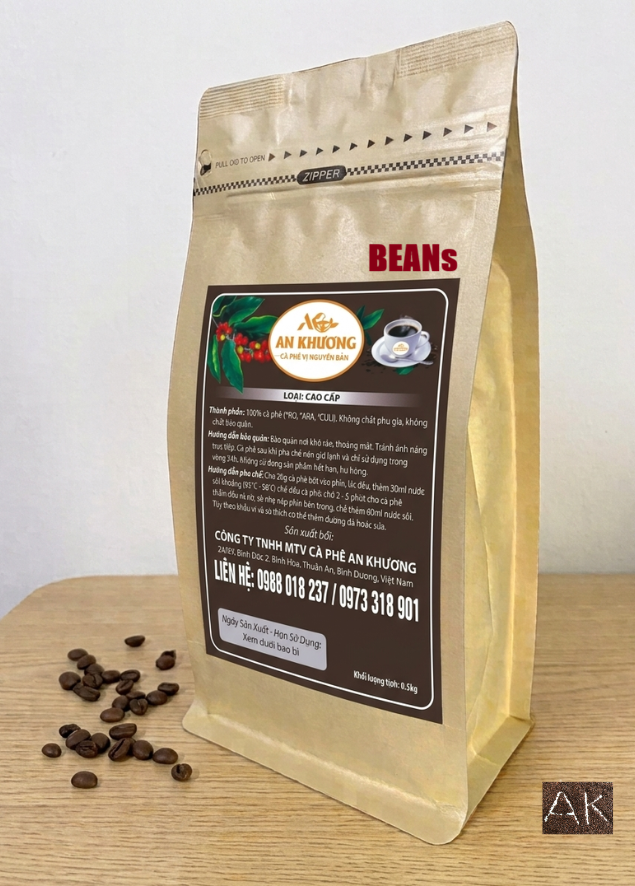
Hai yếu tố này cùng đi vào câu chuyện bảo quản nhưng không giống nhau
Oxygen và hơi ẩm đều có thể làm thay đổi cà phê trong quá trình lưu trữ, nhưng chúng tác động theo những cơ chế khác nhau. Oxygen liên quan mạnh đến các phản ứng oxy hóa và sự suy giảm hợp chất dễ bay hơi; hơi ẩm có thể làm thay đổi trạng thái vật lý của sản phẩm và thúc đẩy một số phản ứng không mong muốn.
Nghiên cứu về cà phê rang xay cho thấy tăng áp suất riêng phần oxygen làm tốc độ suy giảm tăng mạnh, trong khi water activity cũng có ảnh hưởng rõ đến tốc độ biến đổi. Một nghiên cứu năm 2026 tiếp tục cho thấy oxygen và moisture exposure có thể được theo dõi đồng thời bằng các kỹ thuật cảm quan và phân tích.
Vì vậy, một bao bì tốt không nên được mô tả chỉ bằng câu “cản khí tốt”. Cần biết nó cản yếu tố nào và trong điều kiện nào.
Khả năng cản oxygen phụ thuộc vào cấu trúc bao bì
Không phải mọi lớp vật liệu đều cản oxygen như nhau. Bao bì nhiều lớp có thể kết hợp các lớp polymer, lớp kim loại hoặc vật liệu có tính cản khí để giảm tốc độ oxygen đi qua.
Với cà phê, thiết kế còn phải xét đến đường hàn, nắp hoặc van, vì một vật liệu có độ cản tốt nhưng mối ghép không kín vẫn tạo thành điểm yếu. Các nghiên cứu về bao bì cà phê cho thấy vật liệu và cấu trúc bao có ảnh hưởng trực tiếp đến tốc độ oxy hóa và sự thay đổi hương.
Do đó, khi đánh giá bao bì, không nên chỉ hỏi “màng này cản oxygen bao nhiêu?”. Cần hỏi cả hệ thống bao bì có duy trì hàng rào đó trong điều kiện sử dụng thực tế hay không.
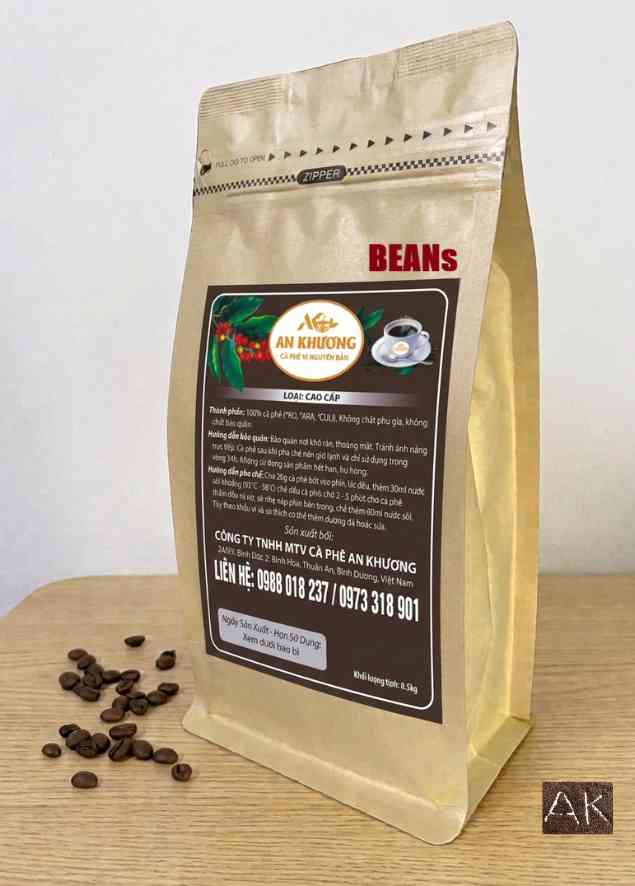
Khả năng cản hơi ẩm cũng phải nhìn theo hệ thống
Hơi ẩm có thể đi qua vật liệu, qua đường hàn hoặc qua các điểm đóng mở. Với cà phê bột, việc hấp thụ ẩm còn có thể làm thay đổi cấu trúc và chất lượng pha.
Nghiên cứu năm 2024 về viên cà phê trong bao bì có khả năng cản ẩm kém cho thấy nhiệt độ và độ ẩm môi trường cao làm lượng ẩm hấp thụ tăng và chất lượng đồ uống suy giảm nhanh hơn. Một nghiên cứu năm 2023 cũng ghi nhận độ ẩm tăng trong quá trình bảo quản và những thay đổi hóa học khác nhau tùy cấu trúc bao bì.
Vì thế, “cản ẩm” không phải một thuộc tính chỉ dành cho kho. Nó là phần của mối liên hệ giữa vật liệu bao, đường hàn, môi trường và thời gian.
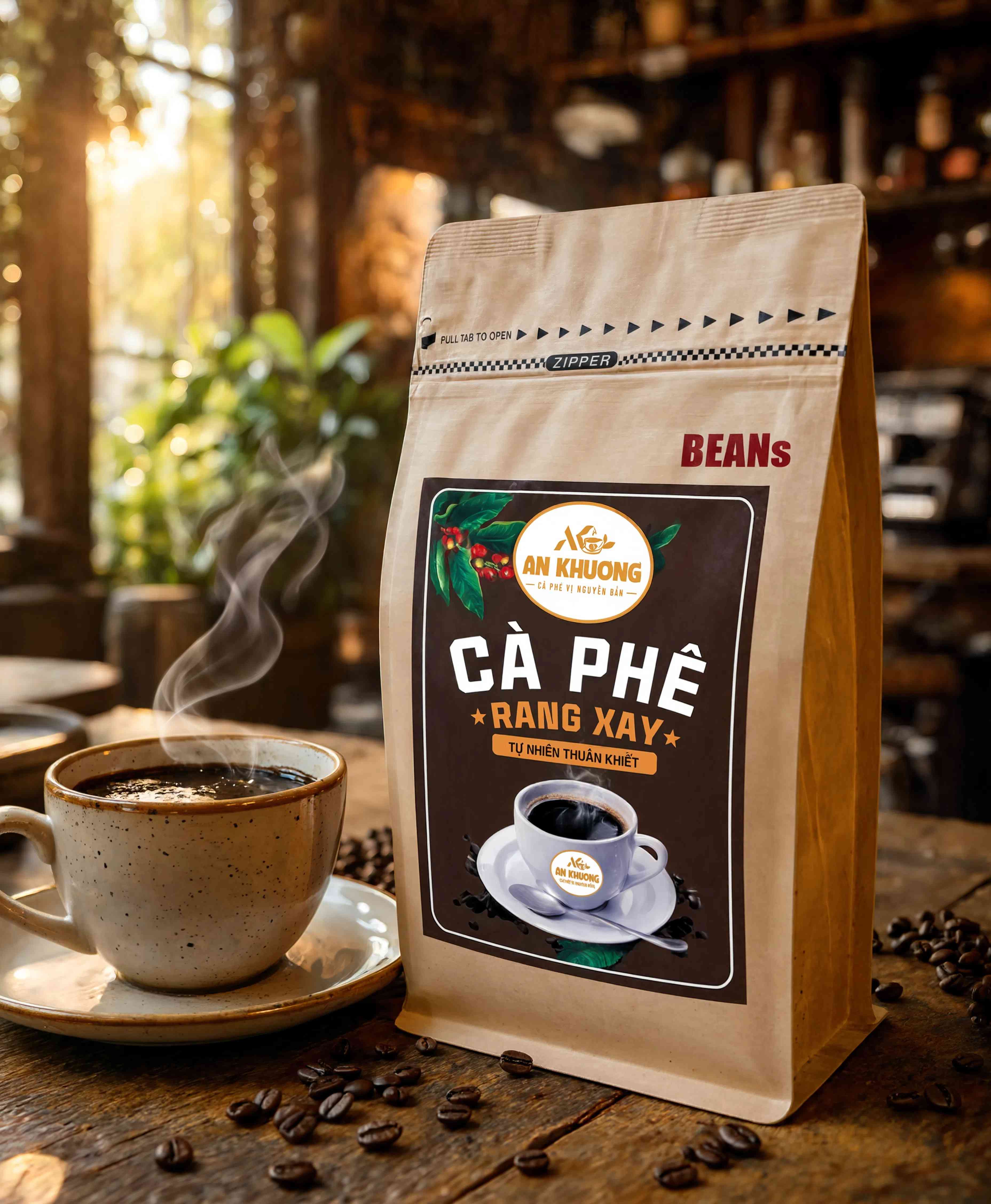
Bao bì phải phù hợp với sản phẩm và thời hạn mong muốn
Cùng một cấu trúc bao bì không nhất thiết phù hợp với mọi dạng cà phê. Hạt nguyên, cà phê xay, viên đơn liều và sản phẩm hòa tan có diện tích bề mặt, độ nhạy và cách sử dụng khác nhau.
Nếu sản phẩm cần giữ hương lâu, hàng rào oxygen có thể trở thành yếu tố quan trọng. Nếu sản phẩm nhạy với ẩm, khả năng cản hơi ẩm cần được đặt ngang hàng. Với sản phẩm rang tiếp tục giải phóng CO2, thiết kế còn phải xử lý bài toán khử khí sau rang.
Cách đánh giá hợp lý là bắt đầu từ thời hạn bảo quản và điều kiện phân phối, sau đó xác định mức bảo vệ cần thiết. Bao bì tốt không phải bao bì có nhiều lớp nhất, mà là cấu trúc đủ để bảo vệ sản phẩm trong chính điều kiện mà sản phẩm sẽ trải qua.
Tài liệu tham khảo
- Cardelli & Labuza — Application of Weibull Hazard Analysis to the Determination of the Shelf Life of Roasted and Ground Coffee
- ScienceDirect — Accelerated storage of ground coffee (2026)
- ScienceDirect — Moisture uptake during storage of coffee packed into compostable capsules (2024)
- ScienceDirect — Evaluation of phenols and alkaloids in roasted and ground coffee under different packaging (2023)
These two factors both matter for storage, but they act differently
Both oxygen and moisture can change coffee during storage, but they work through different mechanisms. Oxygen is strongly linked to oxidation reactions and the decline of volatile compounds; moisture can change the product's physical state and drive certain unwanted reactions.
Research on ground roasted coffee shows increasing oxygen partial pressure sharply increases the rate of decline, while water activity also has a clear effect on the rate of change. A 2026 study further showed oxygen and moisture exposure can be tracked simultaneously using sensory and analytical techniques.
So good packaging shouldn't just be described as “good gas barrier.” You need to know which factor it blocks, and under what conditions.
Oxygen barrier depends on the packaging structure
Not every material layer blocks oxygen equally. Multilayer packaging can combine polymer layers, metallic layers, or gas-barrier materials to reduce the rate of oxygen transmission.
For coffee, the design also needs to account for the seal, lid, or valve, since a material with a good barrier rating can still have a weak point if the joint isn't airtight. Research on coffee packaging shows material and structure directly affect the rate of oxidation and aroma change.
So when evaluating packaging, the question shouldn't just be “how well does this film block oxygen?” It should also be whether the whole packaging system maintains that barrier under real-world use.
Moisture barrier also needs to be viewed as a system
Moisture can pass through the material, through the seal, or through opening and closing points. For ground coffee, absorbing moisture can also change its structure and brewing quality.
A 2024 study on coffee pods in packaging with poor moisture barrier found that high ambient temperature and humidity increased moisture uptake and caused the brewed drink's quality to decline faster. A 2023 study also recorded rising moisture during storage, with different chemical changes depending on the packaging structure.
So “moisture barrier” isn't a property that only matters for the warehouse. It's part of the relationship between the packaging material, the seal, the environment, and time.
Packaging needs to suit the product and its intended shelf life
The same packaging structure doesn't necessarily suit every form of coffee. Whole beans, ground coffee, single-serve pods, and instant coffee have different surface areas, sensitivities, and usage patterns.
If a product needs to retain aroma for a long time, oxygen barrier can become the priority factor. If a product is moisture-sensitive, moisture barrier needs to be considered just as seriously. For a roasted product that keeps releasing CO2, the design also has to handle post-roast degassing.
A sound approach is to start from the intended shelf life and distribution conditions, then determine the level of protection needed. Good packaging isn't packaging with the most layers — it's a structure sufficient to protect the product under the exact conditions it will actually go through.
References
- Cardelli & Labuza — Application of Weibull Hazard Analysis to the Determination of the Shelf Life of Roasted and Ground Coffee
- ScienceDirect — Accelerated storage of ground coffee (2026)
- ScienceDirect — Moisture uptake during storage of coffee packed into compostable capsules (2024)
- ScienceDirect — Evaluation of phenols and alkaloids in roasted and ground coffee under different packaging (2023)