
Độ kín quyết định hàng rào bảo vệ có thực sự hoạt động
Một cấu trúc bao bì có khả năng cản oxygen và hơi ẩm tốt trên giấy vẫn không thể bảo vệ sản phẩm nếu có đường rò ở mối hàn, nắp hoặc vị trí lắp van. Đối với cà phê, điều này đặc biệt quan trọng vì chất lượng phụ thuộc mạnh vào môi trường bên trong bao.
Nghiên cứu về bảo quản cà phê cho thấy oxygen, độ ẩm và nhiệt độ đều ảnh hưởng đến tốc độ suy giảm. Nếu bao bì không kín, những hàng rào được thiết kế trong vật liệu có thể bị vô hiệu bởi một điểm rò nhỏ.
Vì vậy, độ kín không phải một chi tiết cơ khí đứng ngoài câu chuyện “cà phê sạch”. Nó là điều kiện để hệ thống bảo vệ sản phẩm thực sự hoạt động.
Đường hàn là một điểm yếu thường bị bỏ qua
Trong bao bì mềm, đường hàn tạo thành vùng kết nối giữa các lớp vật liệu. Nhiệt độ, áp lực, thời gian hàn và tình trạng bề mặt đều có thể ảnh hưởng đến chất lượng mối hàn.
Một mối hàn nhìn đẹp không đồng nghĩa với độ kín tuyệt đối. Những khuyết tật rất nhỏ có thể không dễ nhận biết bằng mắt nhưng vẫn tạo đường cho khí hoặc hơi ẩm trao đổi. Vì vậy, kiểm soát đường hàn cần dựa vào thông số máy và phương pháp kiểm tra phù hợp.
Khi sản phẩm cần thời hạn bảo quản dài, việc theo dõi tỷ lệ lỗi đường hàn có thể quan trọng không kém việc chọn vật liệu màng.
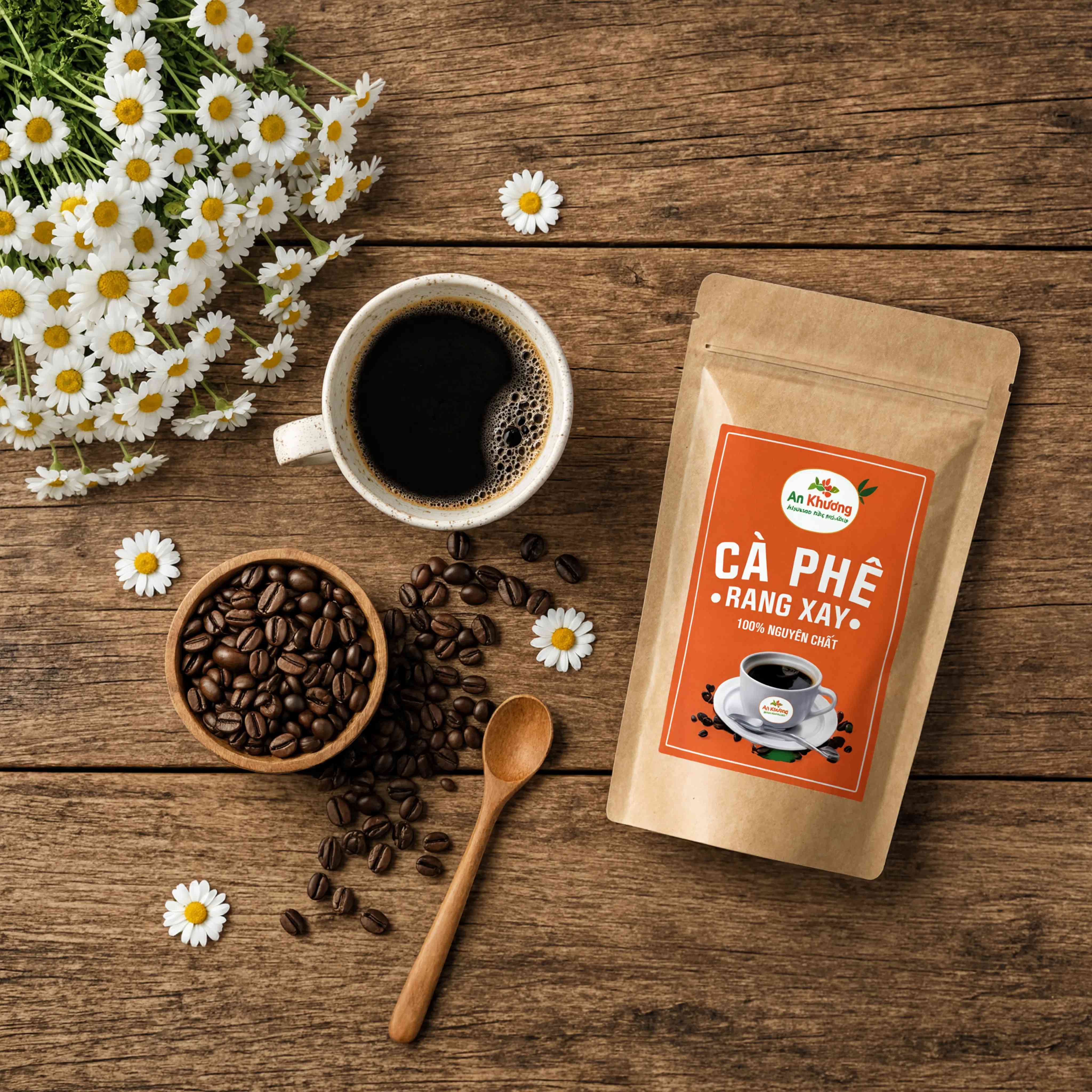
Bao bì kín phải phù hợp với đặc tính của cà phê rang
Cà phê rang có một đặc điểm khác nhiều sản phẩm khô khác: nó tiếp tục giải phóng CO2 sau khi rang. Vì vậy, “kín” không có nghĩa là bịt mọi đường thoát khí trong mọi trường hợp.
Bao bì có van một chiều được thiết kế để cho CO2 đi ra trong khi hạn chế khí bên ngoài đi vào. Hệ thống này cho phép cân bằng hai yêu cầu tưởng như đối lập: giữ hàng rào bảo vệ và xử lý quá trình khử khí.
Do đó, khi nói độ kín, cần phân biệt độ kín của mối hàn và tính năng có chủ đích của van. Một túi có van tốt vẫn phải kín ở những vùng không được phép rò.

Độ kín cần được kiểm tra bằng dữ liệu
Kiểm tra bằng mắt hữu ích để phát hiện lỗi lớn nhưng không đủ để chứng minh toàn bộ độ kín. Tùy loại bao bì, cơ sở có thể cần kiểm tra độ bền mối hàn, rò rỉ, thông số máy hàn hoặc theo dõi tỷ lệ lỗi theo lô.
Khi một lô cà phê có tốc độ mất hương bất thường, việc xem lại độ kín bao bì nên nằm trong danh sách kiểm tra cùng với oxygen, moisture, nhiệt độ và điều kiện lưu kho. Nghiên cứu thời hạn bảo quản cho thấy những yếu tố này tác động lẫn nhau đến chất lượng.
Một bao bì “sạch” theo nghĩa kiểm soát tốt không chỉ là bao bì không bẩn. Đó là bao bì được làm từ vật liệu phù hợp, được đóng gói đúng và duy trì được hàng rào bảo vệ trong suốt thời gian sử dụng.
Tài liệu tham khảo
- ScienceDirect — Accelerated storage of ground coffee (2026)
- ScienceDirect — Effect of roasting conditions on carbon dioxide degassing behavior in coffee (2014)
- FDA — Food Contact Substances and Food Packaging
- ScienceDirect — Application of Weibull Hazard Analysis to the Determination of the Shelf Life of Roasted and Ground Coffee
Seal integrity determines whether the barrier actually works
A packaging structure with excellent oxygen and moisture barrier on paper still can't protect the product if there's a leak at the seal, lid, or valve fitting. For coffee, this matters especially because quality depends heavily on the environment inside the bag.
Research on coffee storage shows oxygen, humidity, and temperature all affect the rate of decline. If packaging isn't airtight, the barriers designed into the material can be undone by a single small leak.
So seal integrity isn't a mechanical detail standing outside the “clean coffee” story. It's the condition that lets the protective system actually function.
The seal is a weak point that often gets overlooked
In flexible packaging, the seal forms the joining area between material layers. Temperature, pressure, sealing time, and surface condition can all affect seal quality.
A seal that looks nice doesn't mean absolute airtightness. Very small flaws might not be easy to spot visually but can still create a pathway for gas or moisture exchange. So controlling the seal needs to rely on machine settings and appropriate testing methods.
When a product needs a long shelf life, tracking the seal defect rate can matter just as much as choosing the film material.
Airtight packaging still has to suit roasted coffee's characteristics
Roasted coffee has a characteristic many other dry products don't share: it keeps releasing CO2 after roasting. So “airtight” doesn't mean sealing off every gas outlet under every circumstance.
One-way valve packaging is designed to let CO2 out while limiting outside air from entering. This system balances two seemingly opposing requirements: maintaining a protective barrier while handling degassing.
So when discussing seal integrity, it's worth distinguishing between the seal's own airtightness and the valve's intentional function. A bag with a good valve still needs to be airtight everywhere leaks aren't allowed.
Seal integrity needs to be verified with data
Visual inspection is useful for catching major flaws but isn't enough to prove overall seal integrity. Depending on the packaging type, a facility may need to test seal strength, leak testing, sealing-machine parameters, or track defect rates by batch.
When a batch of coffee shows an unusual rate of aroma loss, reviewing seal integrity should be on the checklist alongside oxygen, moisture, temperature, and warehouse conditions. Shelf-life research shows these factors interact with each other in affecting quality.
“Clean” packaging in the sense of good control isn't just packaging that's free of dirt. It's packaging made from suitable material, correctly packed, and able to maintain its protective barrier for the entire intended period of use.
References
- ScienceDirect — Accelerated storage of ground coffee (2026)
- ScienceDirect — Effect of roasting conditions on carbon dioxide degassing behavior in coffee (2014)
- FDA — Food Contact Substances and Food Packaging
- ScienceDirect — Application of Weibull Hazard Analysis to the Determination of the Shelf Life of Roasted and Ground Coffee