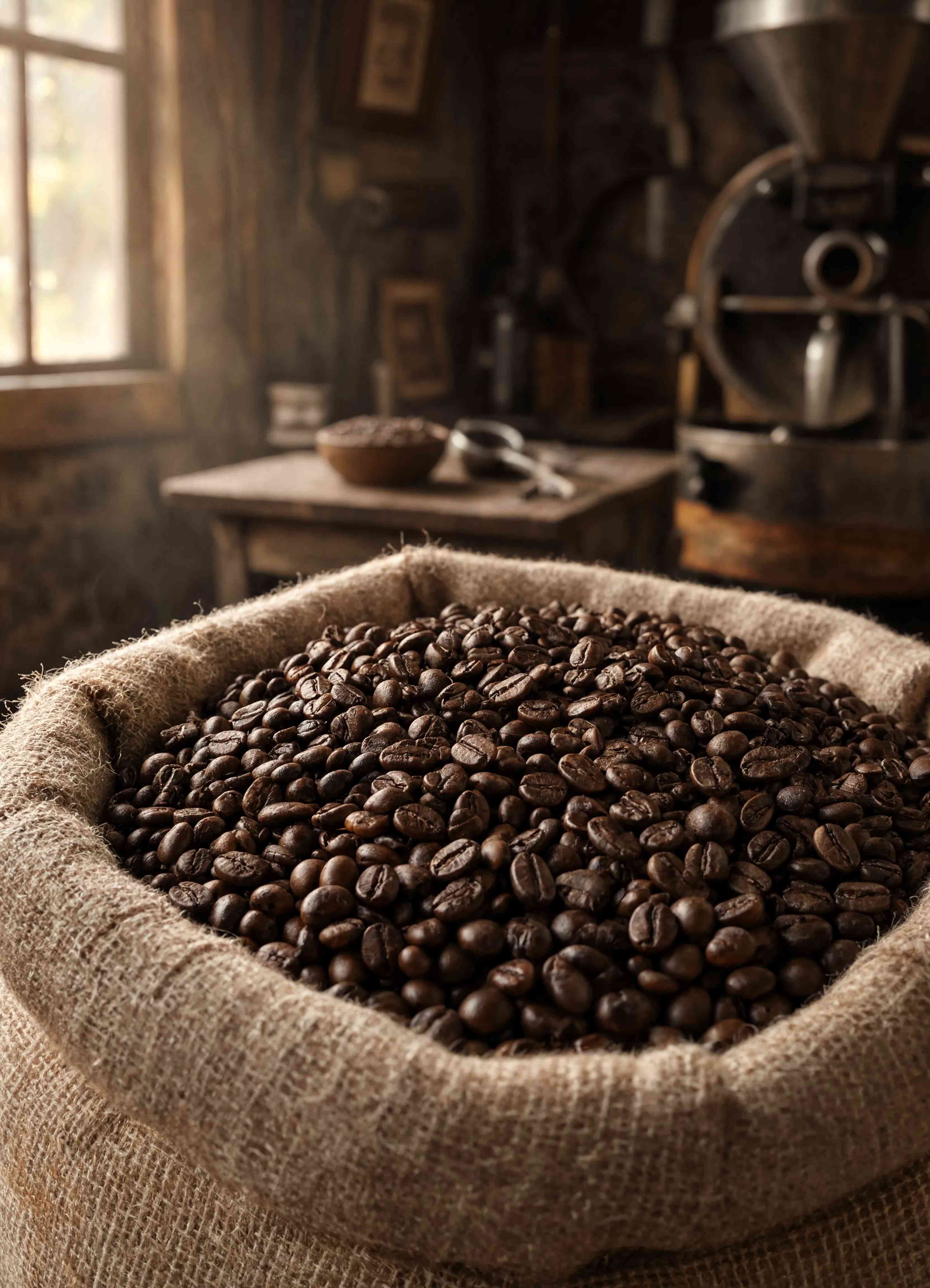
Khử khí và oxy hóa bắt đầu từ hai cơ chế khác nhau
Sau khi rang, cà phê tiếp tục giải phóng các khí đã hình thành trong quá trình rang, trong đó carbon dioxide là thành phần quan trọng. Quá trình khí thoát dần khỏi cấu trúc hạt được gọi là khử khí. Đây chủ yếu là một quá trình vật lý liên quan đến sự khuếch tán và giải phóng khí.
Oxy hóa lại là một nhóm phản ứng hóa học xảy ra khi các thành phần của cà phê tiếp xúc với oxygen. Hai quá trình có thể diễn ra đồng thời trong cùng một gói cà phê nhưng không phải là một quá trình. Nghiên cứu về khử khí cho thấy CO2 tiếp tục thoát ra trong thời gian bảo quản, trong khi các nghiên cứu về thời hạn bảo quản cho thấy oxygen thúc đẩy sự suy giảm chất lượng.
Khử khí liên quan trực tiếp đến CO2 sau rang
Trong quá trình rang, nhiều khí được tạo thành và một phần CO2 được giữ lại trong các lỗ xốp của hạt. Sau khi rang, khí tiếp tục khuếch tán ra ngoài; tốc độ phụ thuộc vào mức rang, cấu trúc hạt, nhiệt độ và việc hạt còn nguyên hay đã xay.
CO2 sau rang có vai trò quan trọng đối với đóng gói, độ tươi và cả quá trình pha. Khi xay, một phần khí được giải phóng nhanh hơn do diện tích tiếp xúc tăng và cấu trúc hạt bị phá vỡ.
Vì vậy, một túi phồng lên sau khi đóng gói không tự động có nghĩa cà phê đang bị oxy hóa. Nó có thể đơn giản phản ánh quá trình khử khí vẫn đang diễn ra.
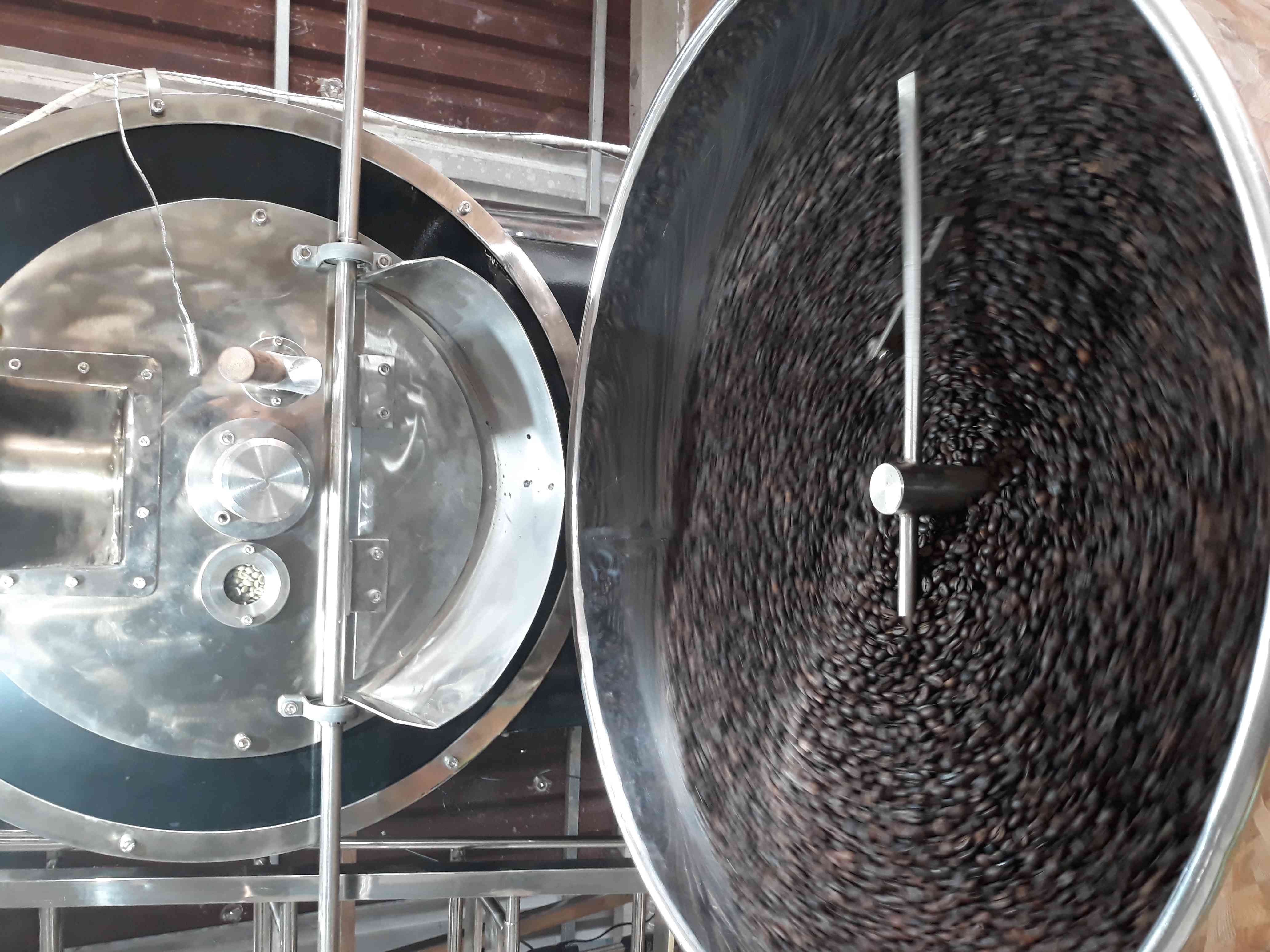
Oxy hóa liên quan đến oxygen và sự suy giảm chất lượng
Oxy hóa cần được xem xét ở một hướng khác. Nghiên cứu về cà phê rang xay cho thấy khi áp suất riêng phần oxygen tăng, tốc độ suy giảm tăng mạnh. Nhiệt độ và water activity cũng làm thay đổi tốc độ này.
Các sản phẩm oxy hóa có thể liên quan đến sự thay đổi của lipid và hợp chất dễ bay hơi, từ đó ảnh hưởng đến hương và vị. Quá trình này không phải là việc CO2 thoát ra khỏi hạt.
Điều đó có nghĩa là một gói cà phê có thể vừa đang khử khí vừa đang chịu oxy hóa. Việc một quá trình xảy ra không loại bỏ quá trình kia.
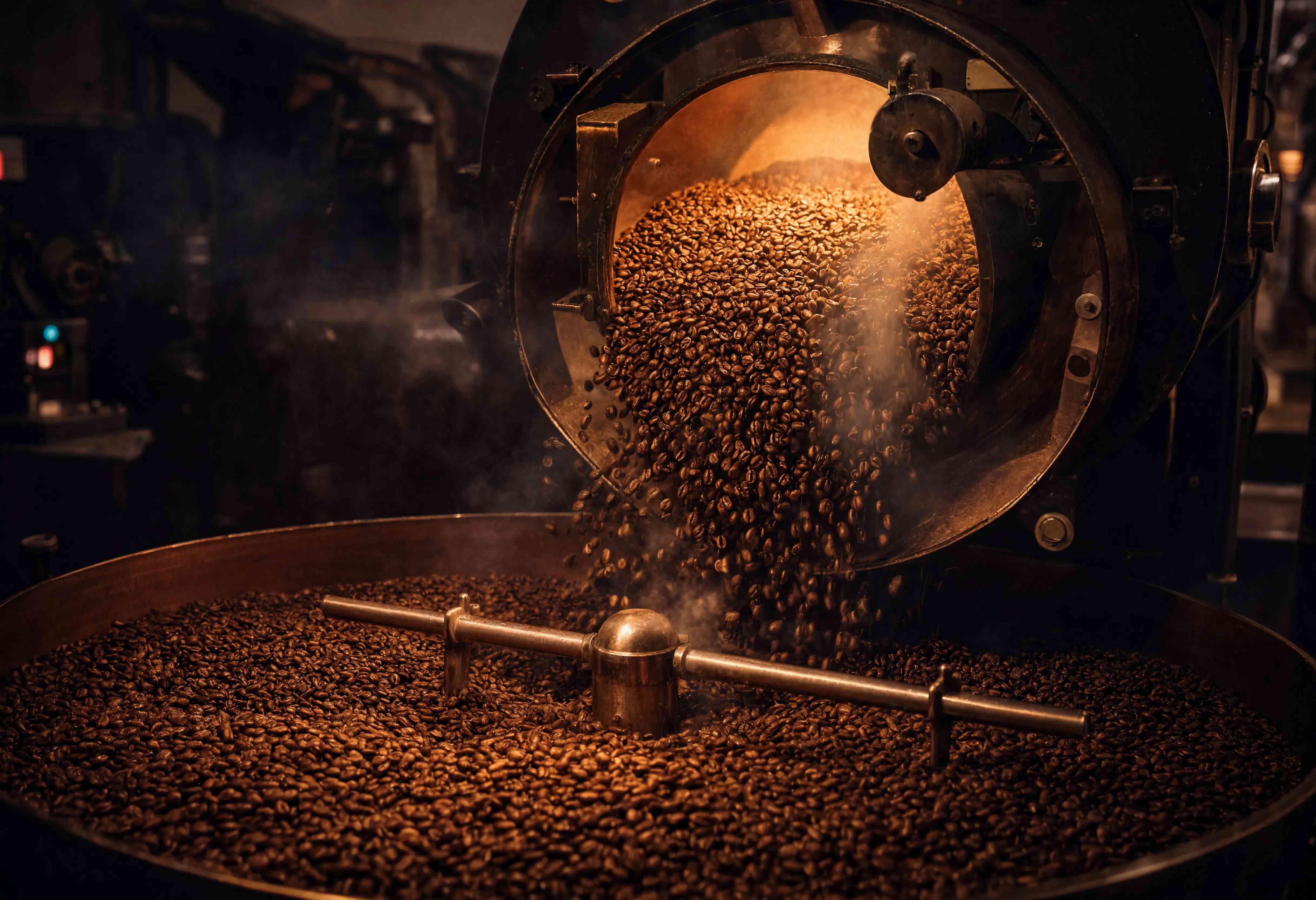
Bao bì phải xử lý hai bài toán cùng lúc
Cà phê rang đặt ra một yêu cầu đặc biệt cho bao bì: cần hạn chế oxygen đi vào nhưng vẫn phải xử lý CO2 tiếp tục sinh ra sau rang. Đây là lý do các hệ thống bao bì cà phê thường sử dụng van một chiều hoặc thiết kế phù hợp với quá trình khử khí.
Nghiên cứu về van cho thấy CO2 có thể được thoát qua hệ thống thông khí trong khi bao bì vẫn duy trì hàng rào bảo vệ. Đồng thời, vật liệu cản khí và độ kín của bao giúp hạn chế oxygen xâm nhập.
Hiểu hai quá trình riêng biệt giúp tránh một cách diễn giải sai phổ biến: khử khí không phải là “oxy hóa tốt”, và việc cà phê còn CO2 không có nghĩa sản phẩm đang xuống cấp vì oxy hóa.
Tài liệu tham khảo
- PubMed — Time-Resolved Gravimetric Method To Assess Degassing of Roasted Coffee (2017)
- ScienceDirect — Effect of roasting conditions on carbon dioxide degassing behavior in coffee (2014)
- Cardelli & Labuza — Application of Weibull Hazard Analysis to the Determination of the Shelf Life of Roasted and Ground Coffee (2001)
Degassing and oxidation start from two different mechanisms
After roasting, coffee continues releasing gases formed during the roasting process, with carbon dioxide as a key component. The gradual release of gas from within the bean's structure is called degassing. This is mainly a physical process involving diffusion and gas release.
Oxidation, on the other hand, is a group of chemical reactions that occur when coffee's components come into contact with oxygen. The two processes can happen at the same time within the same bag of coffee, but they aren't the same process. Research on degassing shows CO2 keeps escaping during storage, while shelf-life studies show oxygen drives quality decline.
Degassing is directly tied to post-roast CO2
During roasting, many gases form, and part of the CO2 gets trapped in the bean's pores. After roasting, gas keeps diffusing outward; the rate depends on roast level, bean structure, temperature, and whether the coffee is whole bean or ground.
Post-roast CO2 plays an important role in packaging, freshness, and brewing itself. When ground, part of the gas releases faster due to the increased contact area and broken-down bean structure.
So a bag that swells after packing doesn't automatically mean the coffee is oxidizing. It may simply reflect degassing that's still ongoing.
Oxidation relates to oxygen and quality decline
Oxidation needs to be looked at from a different angle. Research on ground roasted coffee shows that as oxygen partial pressure increases, the rate of decline rises sharply. Temperature and water activity also change that rate.
Oxidation products can relate to changes in lipids and volatile compounds, which in turn affect aroma and flavor. This process has nothing to do with CO2 escaping from the bean.
That means a bag of coffee can be degassing and undergoing oxidation at the same time. One process happening doesn't cancel out the other.
Packaging has to handle both problems at once
Roasted coffee sets a particular requirement for packaging: it needs to limit oxygen from getting in, while still handling the CO2 that keeps forming after roasting. That's why coffee packaging systems commonly use one-way valves or designs suited to the degassing process.
Research on valves shows CO2 can escape through a ventilation system while the packaging still maintains its protective barrier. At the same time, the gas-barrier material and seal integrity help limit oxygen ingress.
Understanding these two processes as separate helps avoid a common misinterpretation: degassing isn't “good oxidation,” and coffee still containing CO2 doesn't mean the product is deteriorating from oxidation.
References
- PubMed — Time-Resolved Gravimetric Method To Assess Degassing of Roasted Coffee (2017)
- ScienceDirect — Effect of roasting conditions on carbon dioxide degassing behavior in coffee (2014)
- Cardelli & Labuza — Application of Weibull Hazard Analysis to the Determination of the Shelf Life of Roasted and Ground Coffee (2001)