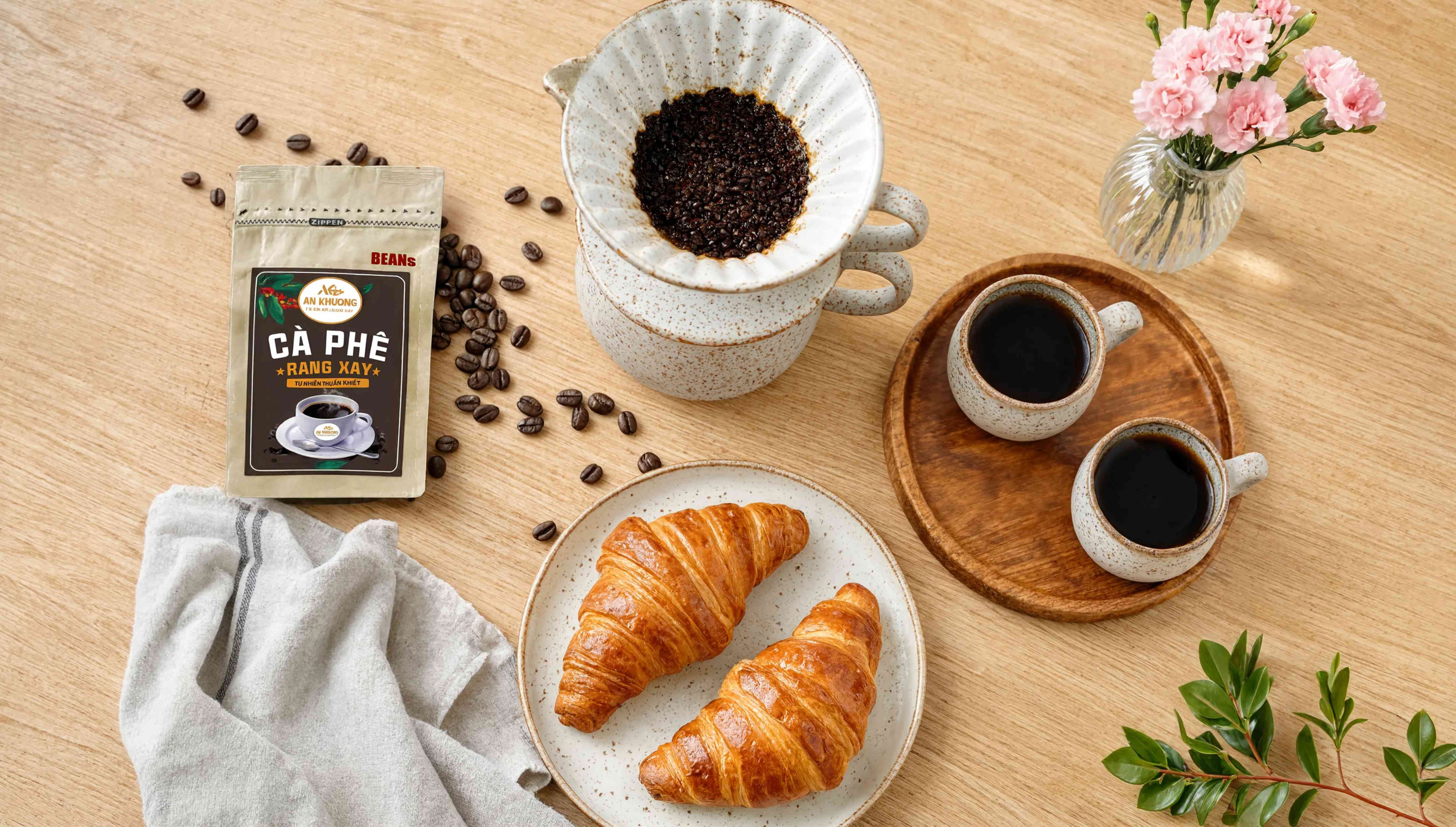
Một bộ sản phẩm cà phê không nhất thiết là nhiều gói đặt cạnh nhau. Giá trị của một bộ nằm ở việc các thành phần trong đó cùng giải quyết một nhóm nhu cầu có liên quan nhưng khác nhau. Nếu mỗi sản phẩm chỉ lặp lại vai trò của sản phẩm bên cạnh, bộ sản phẩm sẽ trở thành một danh mục dài và khó chọn thay vì một cách tổ chức nhu cầu.
Bộ sản phẩm khác với danh mục nhiều sản phẩm
Danh mục là toàn bộ các lựa chọn một thương hiệu hoặc cửa hàng cung cấp. Bộ sản phẩm có mục tiêu hẹp hơn: nó gom một số lựa chọn theo một nhu cầu hoặc một hành trình sử dụng. Chẳng hạn, một bộ có thể phục vụ người mới bắt đầu, một nhóm người có gu khác nhau trong cùng gia đình, hoặc nhiều cách pha trong cùng một không gian.
Điểm này liên quan trực tiếp đến cách người mua ra quyết định. Nghiên cứu tổng hợp về quá tải lựa chọn cho thấy số lượng lựa chọn không tự động tạo ra lợi ích. Tác động của một danh mục lớn phụ thuộc vào mục tiêu quyết định, mức độ khác biệt giữa các lựa chọn và khả năng người mua xử lý thông tin. Vì vậy, thêm sản phẩm vào một bộ chỉ có ý nghĩa khi sản phẩm mới mở ra một nhu cầu rõ ràng.
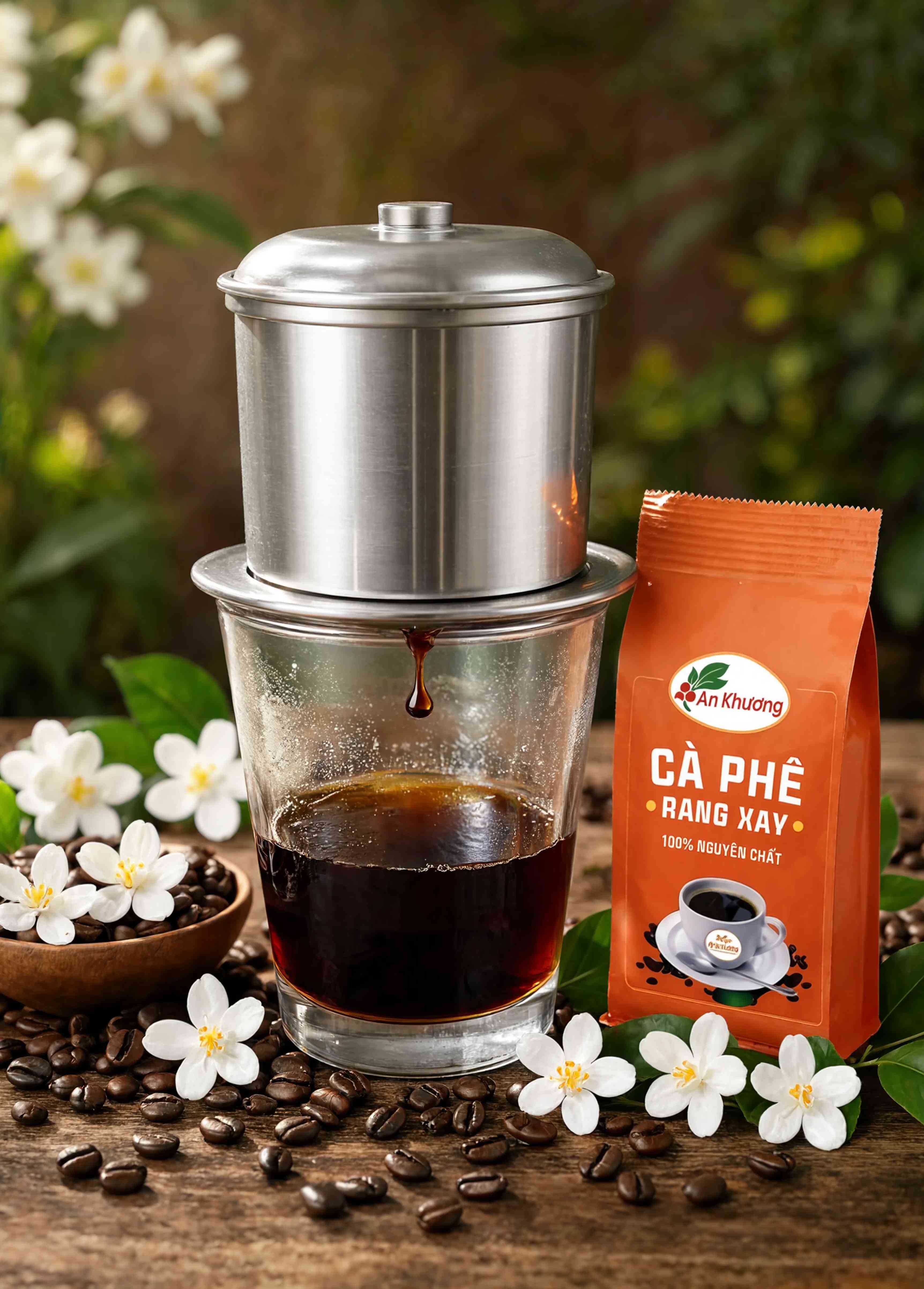
Một bộ tốt phải có các vai trò khác nhau
Hãy thử bỏ tên sản phẩm và chỉ nhìn vào nhiệm vụ. Nếu hai thành phần đều phù hợp với cùng một cách pha, cùng mức độ đậm và cùng tần suất sử dụng, người mua khó hiểu vì sao phải có cả hai. Ngược lại, nếu một thành phần phục vụ vị đậm, một thành phần phục vụ vị cân bằng và một thành phần thuận tiện cho những ngày ít thời gian, bộ đã bắt đầu có cấu trúc.
Nghiên cứu về sở thích cà phê hòa tan cho thấy có thể nhận diện nhiều nhóm người tiêu dùng dựa trên hồ sơ cảm quan ưa thích. Một nhóm ưa đặc tính đắng, rang, hạt và đầy thân hơn, trong khi nhóm khác thích độ ngọt và đặc tính nhẹ hơn. Kết quả này không có nghĩa mọi thị trường đều có cùng các nhóm, nhưng nó cho thấy nhu cầu về cà phê có thể được phân tách theo gu thay vì chỉ theo tên sản phẩm.
Bốn trục nhu cầu thường hữu ích khi xây một bộ cà phê
Gu uống
Đây là trục dễ hiểu nhất: đậm hay nhẹ, thiên về rang hay thiên về hương đặc trưng, cảm giác đầy hay gọn. Một bộ theo gu nên làm rõ khác biệt cảm quan đủ lớn để người mua nhận ra vai trò của từng thành phần.
Cách pha
Một bộ có thể được tổ chức theo phương pháp sử dụng nếu mỗi phương pháp kéo theo yêu cầu khác nhau về xay, định lượng và chiết xuất. Tổng quan khoa học về chiết xuất cà phê cho thấy nhiệt độ, áp suất, kích thước hạt xay và chất lượng nước đều có thể ảnh hưởng đến đặc tính của đồ uống. Vì vậy, bộ sản phẩm gắn với cách pha cần mô tả rõ điều kiện sử dụng thay vì chỉ đổi tên.
Tần suất sử dụng
Người uống hằng ngày và người chỉ uống vào cuối tuần có thể cần quy cách khác nhau. Một bộ có thể giải quyết nhu cầu này bằng các khối lượng hoặc dạng sản phẩm khác nhau, miễn là sự khác biệt có lý do thực tế.
Bối cảnh
Cà phê buổi sáng tại nhà, cà phê dùng khi tiếp khách và cà phê dành cho một khoảng nghỉ có thể mang những kỳ vọng khác nhau. Nghiên cứu về bối cảnh tiêu dùng cho thấy người uống gắn các thời điểm và hoàn cảnh khác nhau với những khía cạnh khác nhau của trải nghiệm cà phê. Bộ sản phẩm có thể khai thác khác biệt này, nhưng cần tránh biến một khảo sát nhỏ thành quy luật cho mọi người.
Khi nào nên đặt nhiều sản phẩm cạnh nhau để người mua tự chọn?
Có ba trường hợp đặc biệt phù hợp. Thứ nhất là khi người mua chưa biết chính xác mình thích hồ sơ nào. Khi đó, bộ có thể giúp họ thử các hướng khác nhau. Thứ hai là khi một nhu cầu có nhiều cách giải quyết, chẳng hạn cùng mục tiêu uống tại nhà nhưng khác phương pháp pha. Thứ ba là khi người mua muốn có lựa chọn thay thế mà không phải nghiên cứu toàn bộ danh mục.
Trong những trường hợp này, điều quan trọng là mỗi sản phẩm phải có một câu trả lời riêng. Nếu người mua đọc mô tả mà vẫn không biết vì sao sản phẩm A khác B, việc gom chúng thành một bộ chỉ làm tăng lượng thông tin phải xử lý.
Bộ sản phẩm trở nên quá rộng khi nào?
Một dấu hiệu rõ là số lượng sản phẩm tăng nhưng số nhu cầu được giải quyết không tăng tương ứng. Dấu hiệu thứ hai là các mô tả bắt đầu dùng những từ gần như giống nhau để phân biệt những sản phẩm rất giống nhau. Dấu hiệu thứ ba là người mua cần đọc quá nhiều chi tiết mới nhận ra khác biệt.
Tổng quan về quá tải lựa chọn nhấn mạnh rằng độ phức tạp của quyết định, mục tiêu của người mua và mức độ phù hợp giữa các lựa chọn đều ảnh hưởng đến việc danh mục lớn có trở thành gánh nặng hay không. Vì vậy, không có con số cố định nói rằng một bộ có năm sản phẩm là tốt còn tám sản phẩm là quá nhiều. Cần nhìn vào mức độ dễ phân biệt và nhiệm vụ mà bộ đang phục vụ.
Mỗi thành phần nên có một lý do tồn tại
Một cách kiểm tra thực tế là viết một câu mô tả cho từng thành phần mà không nhắc tên sản phẩm. Ví dụ: “dành cho người thích vị đậm”, “dành cho người muốn thử hồ sơ nhẹ hơn”, “dành cho nhu cầu pha nhanh”. Nếu hai thành phần đều cần cùng một câu, có khả năng bộ đang bị trùng vai trò.
Bộ sản phẩm tốt không cần nhiều lựa chọn nhất. Nó cần đủ lựa chọn để bao phủ những nhu cầu thực sự khác nhau, đồng thời giữ cho người mua hiểu được sự khác biệt. Đây là điểm cân bằng giữa độ phủ và độ phức tạp. Với cà phê, một bộ có cấu trúc rõ còn giúp người dùng học về gu của chính mình: sau vài lần thử, họ có thể biết mình thích thuộc tính nào và lần mua sau không cần bắt đầu từ đầu.
Tài liệu tham khảo
- 1. Alexander Chernev, Ulf Böckenholt và Joseph Goodman (2015), “Quá tải lựa chọn: tổng quan khái niệm và phân tích gộp”, Tạp chí Tâm lý Người tiêu dùng, 25, 333–358. DOI: 10.1016/j.jcps.2014.08.002.
- 2. L. Geel, M. Kinnear và H. L. de Kock (2005), “Liên hệ sở thích của người tiêu dùng với thuộc tính cảm quan của cà phê hòa tan”, Chất lượng Thực phẩm và Sở thích, 16, 237–244. DOI: 10.1016/j.foodqual.2004.04.014.
- 3. Nancy Córdoba Castro, Mario Fernández-Alduenda, Fabian L. Moreno Moreno và Ruth Y. Ruiz Pardo (2020), “Chiết xuất cà phê: tổng quan về các thông số và ảnh hưởng đến đặc tính lý hóa và hương vị của đồ uống cà phê”, Xu hướng trong Khoa học Thực phẩm và Công nghệ, 96, 45–60. DOI: 10.1016/j.tifs.2019.12.004.
- 4. Sara Spinelli, Caterina Dinnella, Camilla Masi, Gian Paolo Zoboli, John Prescott và Erminio Monteleone (2017), “Nghiên cứu bối cảnh tiêu dùng cà phê ưa thích bằng câu hỏi mở”, Chất lượng Thực phẩm và Sở thích, 61, 63–73. DOI: 10.1016/j.foodqual.2017.05.003.
A set of coffee products isn't necessarily several bags placed next to each other. The value of a set lies in whether its components together solve a group of related but distinct needs. If each product just repeats the role of the one beside it, the set turns into a long, hard-to-choose-from lineup instead of a way of organizing need.
A set differs from a large lineup
A lineup is the entirety of the choices a brand or shop offers. A set has a narrower goal: it gathers a number of choices around one need or one usage journey. For instance, a set could serve beginners, a group of people with different tastes in the same family, or several brewing methods within the same space.
This relates directly to how buyers decide. A meta-review on choice overload shows that the number of choices doesn't automatically create benefit. The effect of a large lineup depends on the decision goal, the degree of difference between options, and buyers' ability to process information. So adding a product to a set only makes sense when the new product opens up a clear need.
A good set needs different roles
Try removing the product names and just look at the task. If two components both suit the same brewing method, the same boldness level, and the same usage frequency, buyers will struggle to understand why both need to exist. Conversely, if one component serves a bold taste, one serves a balanced taste, and one is convenient for busy days, the set has begun to have structure.
Research on instant-coffee preference shows several consumer groups can be identified based on preferred sensory profile. One group leans toward bitter, roasted, and fuller-bodied characteristics, while another prefers sweetness and lighter characteristics. This result doesn't mean every market has the same groups, but it shows coffee demand can be split by taste rather than just by product name.
Four axes of need often useful for building a coffee set
Taste
This is the easiest axis to understand: bold or mild, leaning toward roast character or a distinctive aroma, a full or lean sensation. A set organized by taste should make sensory differences clear enough for buyers to recognize each component's role.
Brewing method
A set can be organized by usage method if each method carries different requirements for grinding, dosage, and extraction. A scientific review of coffee extraction shows that temperature, pressure, grind particle size, and water quality can all affect the drink's characteristics. So a set tied to brewing method needs to clearly describe the conditions of use rather than just renaming products.
Usage frequency
Daily drinkers and weekend-only drinkers may need different package sizes. A set can address this with different weights or product forms, as long as the difference has a real basis.
Context
Morning coffee at home, coffee for entertaining guests, and coffee for a break can carry different expectations. Research on usage context shows drinkers associate different times and circumstances with different aspects of the coffee experience. A set can tap into this difference, but should avoid turning a small survey into a rule for everyone.
When should you place several products side by side for buyers to choose themselves?
There are three especially suitable cases. First, when buyers don't yet know exactly which profile they like. In that case, a set can help them try different directions. Second, when a need has several ways of being solved, such as the same at-home drinking goal but different brewing methods. Third, when buyers want an alternative option without having to research the entire lineup.
In these cases, it's important that each product has its own distinct answer. If buyers read the descriptions and still don't know why product A differs from B, grouping them into a set just increases the amount of information to process.
When does a set become too broad?
A clear sign is when the number of products increases but the number of needs solved doesn't increase correspondingly. A second sign is when descriptions start using nearly identical words to distinguish very similar products. A third sign is when buyers have to read too much detail before recognizing any difference.
A review of choice overload emphasizes that decision complexity, the buyer's goal, and the degree of fit between options all affect whether a large lineup becomes a burden. So there's no fixed number saying a set of five products is good while eight is too many. What matters is how easy it is to distinguish between them and what task the set is serving.
Each component should have a reason to exist
A practical test is writing one descriptive sentence for each component without mentioning the product name. For example: "for someone who likes it bold," "for someone wanting to try a lighter profile," "for a need to brew quickly." If two components both need the exact same sentence, the set is likely duplicating roles.
A good set doesn't need the most options. It needs enough options to cover genuinely different needs while keeping buyers able to understand the difference. This is the balance between coverage and complexity. With coffee, a well-structured set also helps users learn their own taste: after a few tries, they can know which attribute they like, and their next purchase won't need to start from scratch.
References
- Chernev, A., Böckenholt, U. & Goodman, J. (2015). Choice overload: A conceptual review and meta-analysis. Journal of Consumer Psychology, 25, 333–358. https://doi.org/10.1016/j.jcps.2014.08.002
- Geel, L., Kinnear, M. & de Kock, H. L. (2005). Relating consumer preferences to sensory attributes of instant coffee. Food Quality and Preference, 16, 237–244. https://doi.org/10.1016/j.foodqual.2004.04.014
- Córdoba Castro, N., Fernández-Alduenda, M., Moreno Moreno, F. L. & Ruiz Pardo, R. Y. (2020). Coffee extraction: A review of parameters and their influence on the physicochemical characteristics and flavour of coffee brews. Trends in Food Science & Technology, 96, 45–60. https://doi.org/10.1016/j.tifs.2019.12.004
- Spinelli, S., Dinnella, C., Masi, C., Zoboli, G. P., Prescott, J. & Monteleone, E. (2017). Investigating preferred coffee consumption contexts using open-ended questions. Food Quality and Preference, 61, 63–73. https://doi.org/10.1016/j.foodqual.2017.05.003