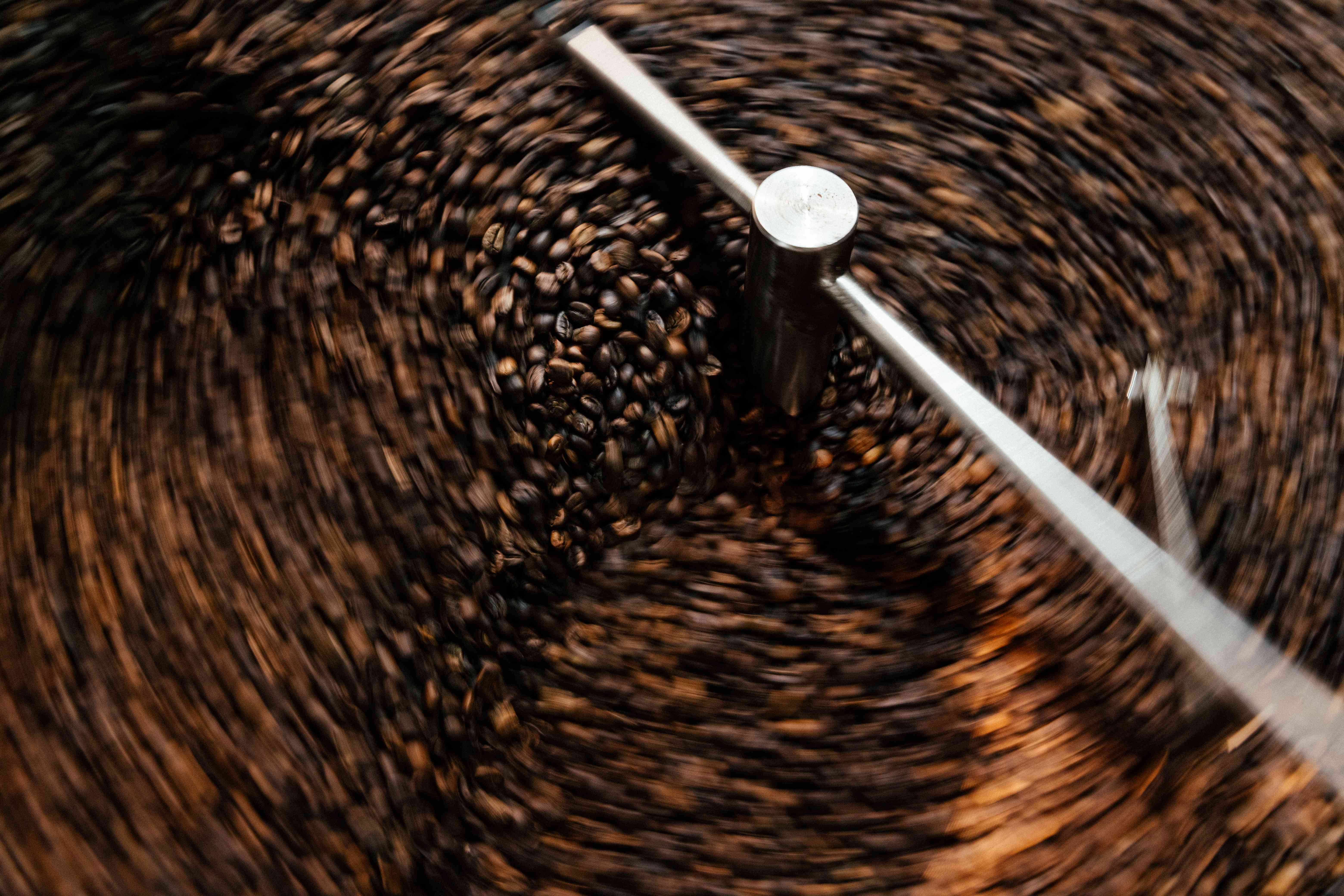
Màu sắc của hạt sau rang là một tín hiệu dễ quan sát và thường được dùng để ước lượng mức rang. Tuy nhiên, một phép đo màu chỉ phản ánh một phần bề mặt của hạt tại một thời điểm, trong khi mức rang thực chất là kết quả của cả một quá trình hóa học và vật lý phức tạp hơn nhiều so với một con số màu duy nhất.
Màu là tín hiệu hữu ích nhưng không phải toàn bộ profile
Trong quá trình rang, phản ứng nâu hóa làm hạt chuyển từ màu xanh lục sang vàng, nâu nhạt rồi nâu đậm. Vì diễn biến màu tương đối đồng bộ với diễn biến nhiệt độ và thời gian, màu trở thành một cách nhanh để ước lượng mức rang. Nhưng cùng một mức rang có thể đạt được qua nhiều đường nhiệt khác nhau, và hai hạt cùng màu chưa chắc đã trải qua cùng một lịch sử nhiệt.
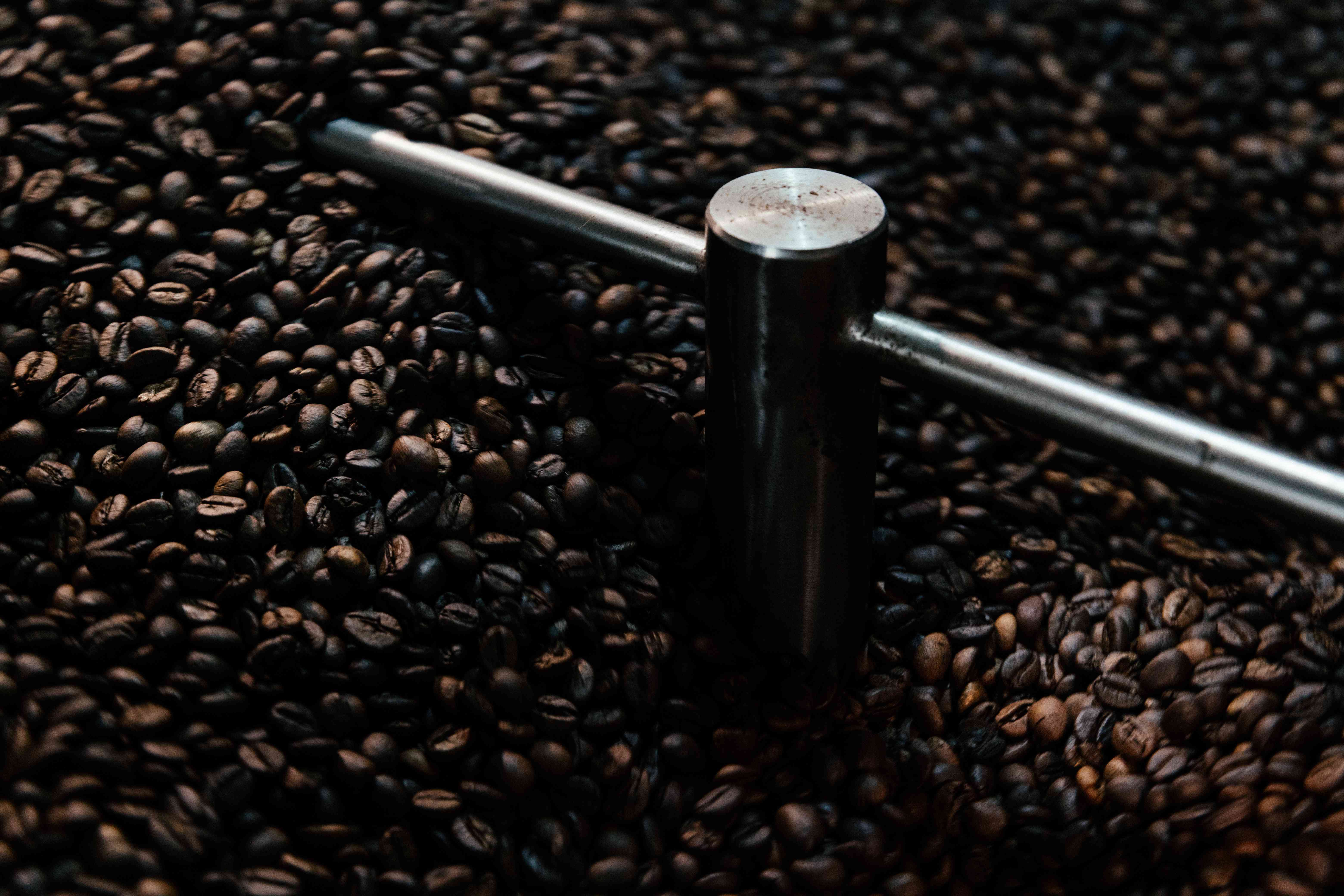
Một phép đo màu thực sự đo những gì
Các thiết bị đo màu quang học ghi nhận ánh sáng phản xạ từ bề mặt hạt hoặc bột cà phê ở một hoặc một vài bước sóng nhất định, rồi quy đổi sang một thang số như hệ Agtron hoặc các hệ màu tương tự. Kết quả phụ thuộc vào việc mẫu là hạt nguyên hay đã xay, độ đồng đều của bề mặt đo, và cấu hình của chính thiết bị.
Bằng chứng về khả năng dùng màu để phân loại mức rang
Nghiên cứu về một đường cong màu phổ quát cho cà phê Arabica rang cho thấy có thể xây dựng mối liên hệ giữa chỉ số màu và mức rang trong phạm vi nghiên cứu đó. Một nghiên cứu khác về khả năng dùng thiết bị đo màu để dự đoán mức rang cho cả hạt nguyên và cà phê xay cũng ghi nhận màu có tương quan với mức rang, nhưng đồng thời chỉ ra sự khác biệt giữa đo trên hạt nguyên và đo trên bột xay.
Vì sao hai phép đo có thể cho số khác nhau
Hai thiết bị đo màu khác hãng, khác bước sóng tham chiếu, hoặc khác cách hiệu chuẩn có thể cho ra hai con số khác nhau trên cùng một mẫu hạt. Yeager và cộng sự đã ghi nhận sự khác biệt giữa các phương pháp đo màu trong nghiên cứu công bố trên Journal of Food Science, cho thấy việc so sánh số liệu màu giữa các thiết bị khác nhau cần thận trọng nếu chưa quy đổi về cùng một chuẩn.
Màu không thay thế dữ liệu nhiệt
Vì màu chỉ là kết quả cuối, nó không cho biết đường nhiệt độ theo thời gian đã diễn ra như thế nào để đạt tới màu đó. Hai mẻ có cùng chỉ số màu vẫn có thể khác nhau về tốc độ gia nhiệt, thời điểm nứt lần thứ nhất, hoặc tổng thời gian rang — những yếu tố có thể ảnh hưởng đến hương vị dù màu cuối cùng giống nhau.
Chuẩn hóa phép đo trước khi so sánh
Để số liệu màu có thể so sánh được giữa các mẻ hoặc giữa các cơ sở, cần cố định loại thiết bị, cách chuẩn bị mẫu, số điểm đo trên mỗi mẫu, và quy trình hiệu chuẩn thiết bị theo lịch định kỳ. Nếu thiếu chuẩn hóa, một khác biệt nhỏ về màu có thể chỉ phản ánh sai số đo lường chứ không phải khác biệt thực sự về mức rang.
Dùng màu đúng vai trò trong kiểm soát chất lượng
Màu phù hợp nhất khi dùng như một chỉ số kiểm tra nhanh để phát hiện mẻ rang lệch khỏi dải mong muốn, kết hợp cùng dữ liệu nhiệt độ, thời gian và đánh giá cảm quan. Không nên dùng một mình chỉ số màu để khẳng định chất lượng mẻ rang, vì màu chỉ phản ánh một khía cạnh trong toàn bộ quá trình biến đổi của hạt.
Kết luận thực hành
Đo màu là công cụ hữu ích để theo dõi nhanh mức rang, nhưng cần được chuẩn hóa về thiết bị và quy trình đo, đồng thời luôn đọc cùng dữ liệu nhiệt độ, thời gian và cảm quan. Một con số màu đơn lẻ không đủ để kết luận về toàn bộ chất lượng của mẻ rang.
Tài liệu tham khảo
- A universal color curve for roasted arabica coffee (2025). Scientific Reports.
- Carvalho Pires, F. et al. (2024). Feasibility of using colorimetric devices for whole and ground coffee roasting degrees prediction. DOI 10.1002/jsfa.13376.
- Yeager, S. et al. (2022). Journal of Food Science. DOI 10.1111/1750-3841.16089.
The color of a roasted bean is an easily observed signal often used to estimate roast level. However, a color measurement only reflects part of the bean's surface at one point in time, while roast level is actually the result of a much more complex chemical and physical process than a single color number can capture.
Color is a useful signal but not the whole profile
During roasting, browning reactions turn the bean from green to yellow, light brown, and then dark brown. Because color progression is reasonably synchronized with temperature and time, color becomes a quick way to estimate roast level. But the same roast level can be reached via different heat paths, and two beans of the same color haven't necessarily gone through the same thermal history.
What a color measurement actually measures
Optical color-measuring devices record light reflected from the surface of a bean or ground coffee at one or a few specific wavelengths, then convert that into a scale such as the Agtron system or similar color systems. The result depends on whether the sample is whole bean or ground, how uniform the measured surface is, and the device's own configuration.
Evidence on using color to classify roast level
Research on a universal color curve for roasted Arabica coffee shows a relationship between color index and roast level can be built within that study's scope. Another study on the feasibility of using colorimetric devices to predict roast degree for both whole bean and ground coffee also found color correlates with roast level, while also pointing out differences between measuring whole beans and measuring ground samples.
Why two measurements can give different numbers
Two color-measuring devices from different brands, using different reference wavelengths, or calibrated differently can produce two different numbers on the exact same bean sample. Yeager and colleagues documented differences between color-measurement methods in a study published in the Journal of Food Science, showing that comparing color data across different devices needs caution unless converted to the same standard first.
Color doesn't replace thermal data
Because color is only the end result, it doesn't reveal how the temperature-over-time path unfolded to reach that result. Two batches with the same color index can still differ in rate of temperature rise, timing of first crack, or total roasting time — factors that can affect flavor even when the final color looks the same.
Standardizing measurement before comparing
For color data to be comparable across batches or across facilities, you need to fix the device type, sample-preparation method, number of measurement points per sample, and a regular device-calibration schedule. Without standardization, a small color difference may just reflect measurement error rather than a real difference in roast level.
Using color in its proper role for quality control
Color works best as a quick screening indicator for catching a batch that's drifted outside the desired range, used alongside temperature data, time, and sensory evaluation. A color index alone shouldn't be used to confirm a batch's quality, since color only reflects one aspect of the bean's overall transformation.
Practical conclusion
Measuring color is a useful tool for quickly tracking roast level, but it needs to be standardized in device and measurement procedure, and always read alongside temperature, time, and sensory data. A single color number isn't enough to conclude on the overall quality of a roast batch.
References
- A universal color curve for roasted arabica coffee (2025). Scientific Reports.
- Carvalho Pires, F. et al. (2024). Feasibility of using colorimetric devices for whole and ground coffee roasting degrees prediction. DOI 10.1002/jsfa.13376.
- Yeager, S. et al. (2022). Journal of Food Science. DOI 10.1111/1750-3841.16089.