
Hedonic scaling là phương pháp cảm quan yêu cầu người tham gia chấm điểm mức độ ưa thích một sản phẩm trên một thang đo, thường từ rất không thích đến rất thích. Khi dùng phương pháp này để kiểm chứng ảnh hưởng của độ đồng đều kích thước hạt xay, cần phân biệt rõ giữa điều phương pháp đo được — mức độ ưa thích — và điều nó không đo được — chính bản thân độ đồng đều vật lý của hạt.
Hedonic Scaling đo mức độ ưa thích
Kết quả của một bài thử hedonic scaling là điểm số phản ánh cảm nhận chủ quan của người thử đối với tách cà phê được đưa ra nếm, tại thời điểm và điều kiện thử nghiệm đó. Điểm số này chịu ảnh hưởng bởi khẩu vị cá nhân, kỳ vọng trước khi thử và cả những yếu tố không liên quan trực tiếp đến hạt xay như nhiệt độ phục vụ hay hình thức trình bày.
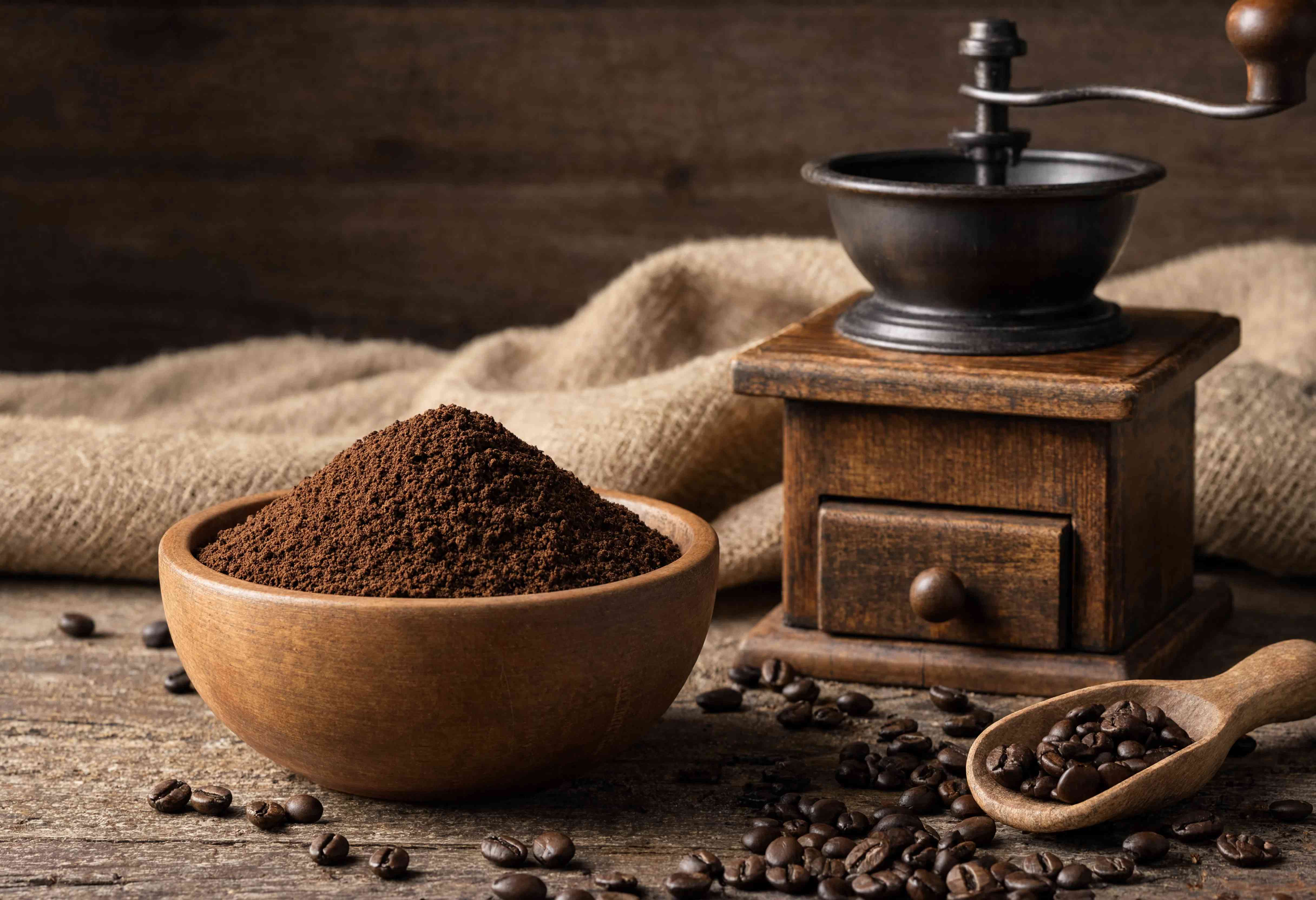
Độ đồng đều hạt xay cần phép đo vật lý
Để biết một mẻ xay có đồng đều hay không, cần dùng phương pháp đo vật lý như phân tích phân bố kích thước hạt (particle size distribution), chứ không thể suy ra từ điểm ưa thích của người thử. Nghiên cứu về việc dùng kích thước và phân bố hạt xay để mô hình hóa đặc tính đồ uống cho thấy đây là hai loại dữ liệu tách biệt, cần được đo bằng hai phương pháp khác nhau.
Tách PSD, hiệu suất chiết xuất và cảm nhận
Một thiết kế nghiên cứu chặt chẽ cần đo riêng ba lớp dữ liệu: phân bố kích thước hạt bằng thiết bị đo vật lý, hiệu suất chiết xuất bằng phương pháp hóa học hoặc khúc xạ kế, và mức độ ưa thích bằng hedonic scaling. Nghiên cứu của Smrke, Eiermann và Yeretzian về vai trò của hạt mịn trong động học chiết xuất espresso là một ví dụ về cách tách bạch dữ liệu vật lý và dữ liệu chiết xuất trước khi liên hệ với cảm nhận.
Chiết xuất cao hơn không đồng nghĩa được thích hơn
Một hiệu suất chiết xuất cao hơn về mặt hóa học không tự động dẫn đến điểm ưa thích cao hơn trên thang hedonic. Con người có thể thích một mức chiết xuất trung bình hơn là mức chiết xuất tối đa, tùy theo khẩu vị và loại đồ uống. Vì vậy, không nên dùng điểm ưa thích để suy ngược ra một hiệu suất chiết xuất cụ thể, hoặc ngược lại.
Thiết kế thử nghiệm cảm quan
Một bài thử hedonic scaling đáng tin cậy cần kiểm soát nhiệt độ phục vụ, trình tự đưa mẫu, số lượng mẫu mỗi người thử đánh giá, và tránh để người thử biết trước mẫu nào tương ứng với cấu hình xay nào. Nếu thiếu kiểm soát này, kết quả có thể bị ảnh hưởng bởi yếu tố kỳ vọng thay vì phản ánh đúng cảm nhận thực sự.
Không dùng điểm ưa thích để thay PSD
Nếu mục tiêu là kiểm soát chất lượng cối xay hoặc đánh giá độ đồng đều của hạt xay, phép đo phân bố kích thước hạt vẫn là công cụ trực tiếp và cần thiết. Điểm ưa thích chỉ nên được dùng như một lớp dữ liệu bổ sung để hiểu tác động của độ đồng đều đến trải nghiệm người uống, không thể thay thế cho phép đo vật lý.
Khi nào nghiên cứu này có giá trị
Việc kết hợp PSD, hiệu suất chiết xuất và hedonic scaling có giá trị khi mục tiêu là tìm hiểu xem một thay đổi về độ đồng đều kích thước hạt có tạo ra khác biệt cảm nhận được hay không, từ đó quyết định mức đầu tư hợp lý vào việc kiểm soát cối xay. Nếu chỉ cần biết độ đồng đều vật lý, việc đo PSD một mình đã đủ mà không cần đến bài thử cảm quan.
Kết luận thực hành
Hedonic scaling là công cụ đo mức độ ưa thích, không phải công cụ đo độ đồng đều kích thước hạt xay. Muốn kiểm chứng đầy đủ mối liên hệ giữa độ đồng đều hạt xay, hiệu suất chiết xuất và cảm nhận người uống, cần đo riêng biệt cả ba lớp dữ liệu này bằng phương pháp phù hợp cho từng lớp, rồi mới đối chiếu chúng với nhau.
Tài liệu tham khảo
- Lim, J. (2011). Hedonic scaling: A review of methods and theory. Food Quality and Preference.
- Smrke, S., Eiermann, A. & Yeretzian, C. (2024). Scientific Reports, 14, 5612. DOI 10.1038/s41598-024-55831-x.
- Using ground coffee particle size and distribution to remodel beverage properties (2023). European Food Research and Technology. DOI 10.1007/s00217-023-04210-3.
Hedonic scaling is a sensory method that asks participants to rate their level of liking for a product on a scale, usually ranging from dislike very much to like very much. When using this method to verify the effect of grind-size uniformity, it's important to distinguish clearly between what the method measures — liking — and what it doesn't measure — the actual physical uniformity of the ground beans themselves.
Hedonic scaling measures liking
The result of a hedonic-scaling test is a score reflecting the subjective impression of the person tasting the cup offered, under the conditions of that specific test. This score is influenced by personal taste, expectations set before tasting, and even factors unrelated to the grind itself, such as serving temperature or presentation.
Grind uniformity needs a physical measurement
To know whether a batch of ground coffee is uniform, you need a physical measurement method such as particle size distribution (PSD) analysis — it can't be inferred from a taster's liking score. Research on using ground-coffee particle size and distribution to model beverage properties shows these are two separate types of data that need to be measured with two different methods.
Separating PSD, extraction efficiency, and perception
A rigorous study design needs to measure three layers of data separately: particle size distribution using a physical measuring device, extraction efficiency using a chemical method or refractometer, and level of liking using hedonic scaling. Research by Smrke, Eiermann, and Yeretzian on the role of fine particles in espresso extraction dynamics is an example of separating physical and extraction data before relating them to perception.
Higher extraction doesn't mean more liked
A higher chemical extraction efficiency doesn't automatically lead to a higher hedonic score. People can prefer a moderate extraction level over a maximum one, depending on taste and beverage type. So you shouldn't use a liking score to infer a specific extraction efficiency, or vice versa.
Designing the sensory test
A reliable hedonic-scaling test needs to control serving temperature, sample presentation order, the number of samples each taster evaluates, and prevent tasters from knowing in advance which sample corresponds to which grind configuration. Without this control, results can be influenced by expectation rather than reflecting genuine perception.
Don't use liking score as a substitute for PSD
If the goal is controlling grinder quality or assessing grind uniformity, particle-size-distribution measurement remains the direct and necessary tool. Liking score should only be used as a supplementary layer of data to understand the effect of uniformity on the drinker's experience, not as a substitute for physical measurement.
When this research has value
Combining PSD, extraction efficiency, and hedonic scaling has value when the goal is understanding whether a change in grind-size uniformity creates a perceptible difference, which then informs how much investment in grinder control is justified. If all you need is physical uniformity, measuring PSD alone is enough without needing a sensory test.
Practical conclusion
Hedonic scaling is a tool for measuring liking, not a tool for measuring grind-size uniformity. To fully verify the relationship between grind uniformity, extraction efficiency, and drinker perception, all three layers of data need to be measured separately using methods appropriate to each, then cross-referenced against each other.
References
- Lim, J. (2011). Hedonic scaling: A review of methods and theory. Food Quality and Preference.
- Smrke, S., Eiermann, A. & Yeretzian, C. (2024). Scientific Reports, 14, 5612. DOI 10.1038/s41598-024-55831-x.
- Using ground coffee particle size and distribution to remodel beverage properties (2023). European Food Research and Technology. DOI 10.1007/s00217-023-04210-3.