Từ cây cà phê đến sản phẩm tiêu dùng: những hoạt động tạo nên ngành
Nếu chỉ nhìn vào cây cà phê, ngành cà phê có vẻ bắt đầu ở nông trại và kết thúc khi hạt được bán. Trên thực tế, một ly cà phê là kết quả của nhiều hoạt động nối tiếp và chồng lấn: cung cấp vật tư, trồng và thu hái, sơ chế, xay xát, phân loại, thương mại, vận chuyển, rang, xay, đóng gói, bán lẻ và pha chế. Hiệp hội Cà phê Đặc sản khi xây dựng Bản đồ hệ thống cà phê cũng không mô tả hệ thống này như một đường thẳng đơn giản. Bản đồ của tổ chức này đặt các hoạt động chính ở trung tâm và các nhóm hỗ trợ ở vòng ngoài, đồng thời lưu ý rằng một tác nhân có thể tham gia nhiều hoạt động khác nhau. Đây là điểm quan trọng để hiểu đúng ngành: “nhóm tác nhân” và “công đoạn” không phải là hai danh sách tương ứng một-một.
Nhóm sản xuất và xử lý sau thu hoạch
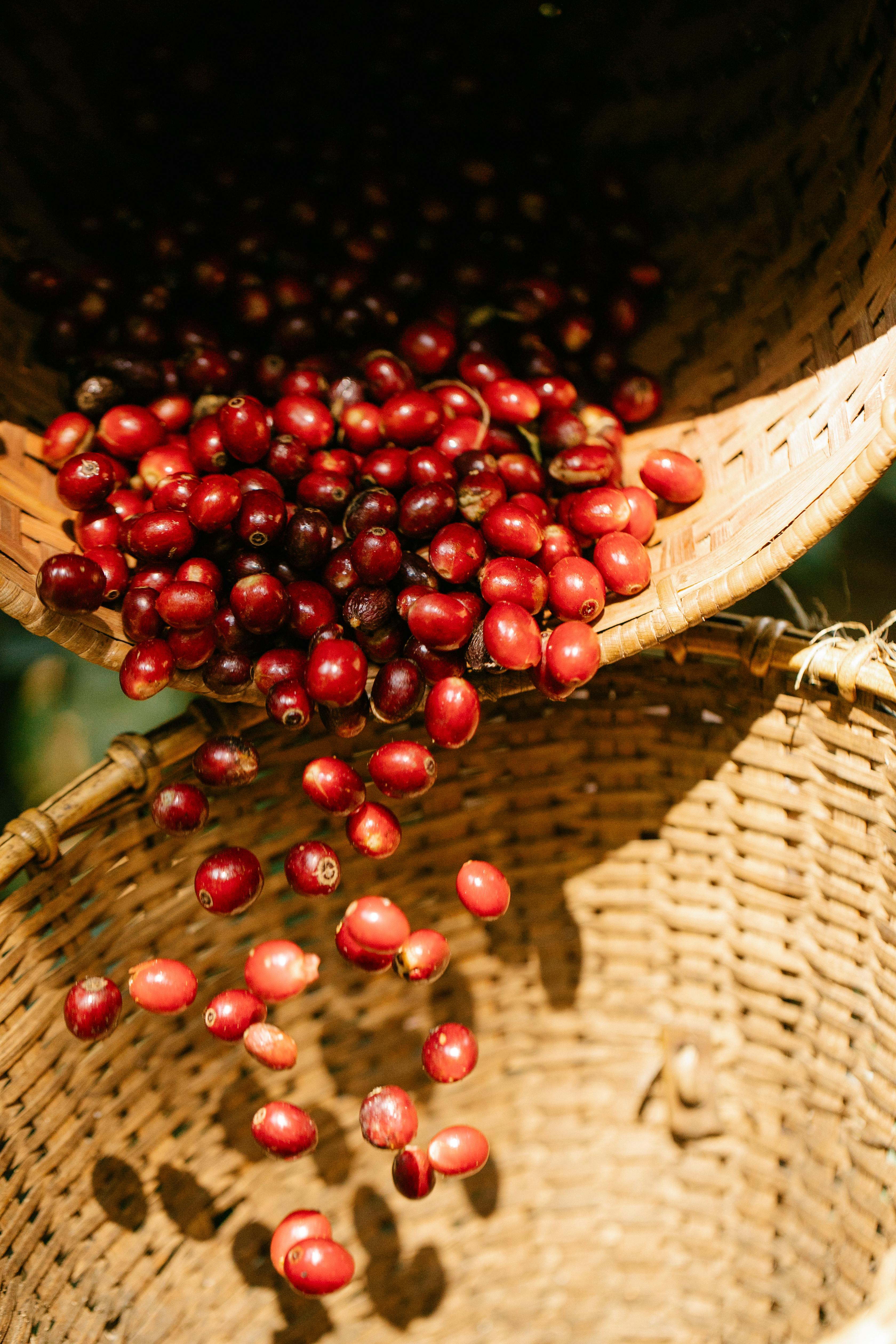
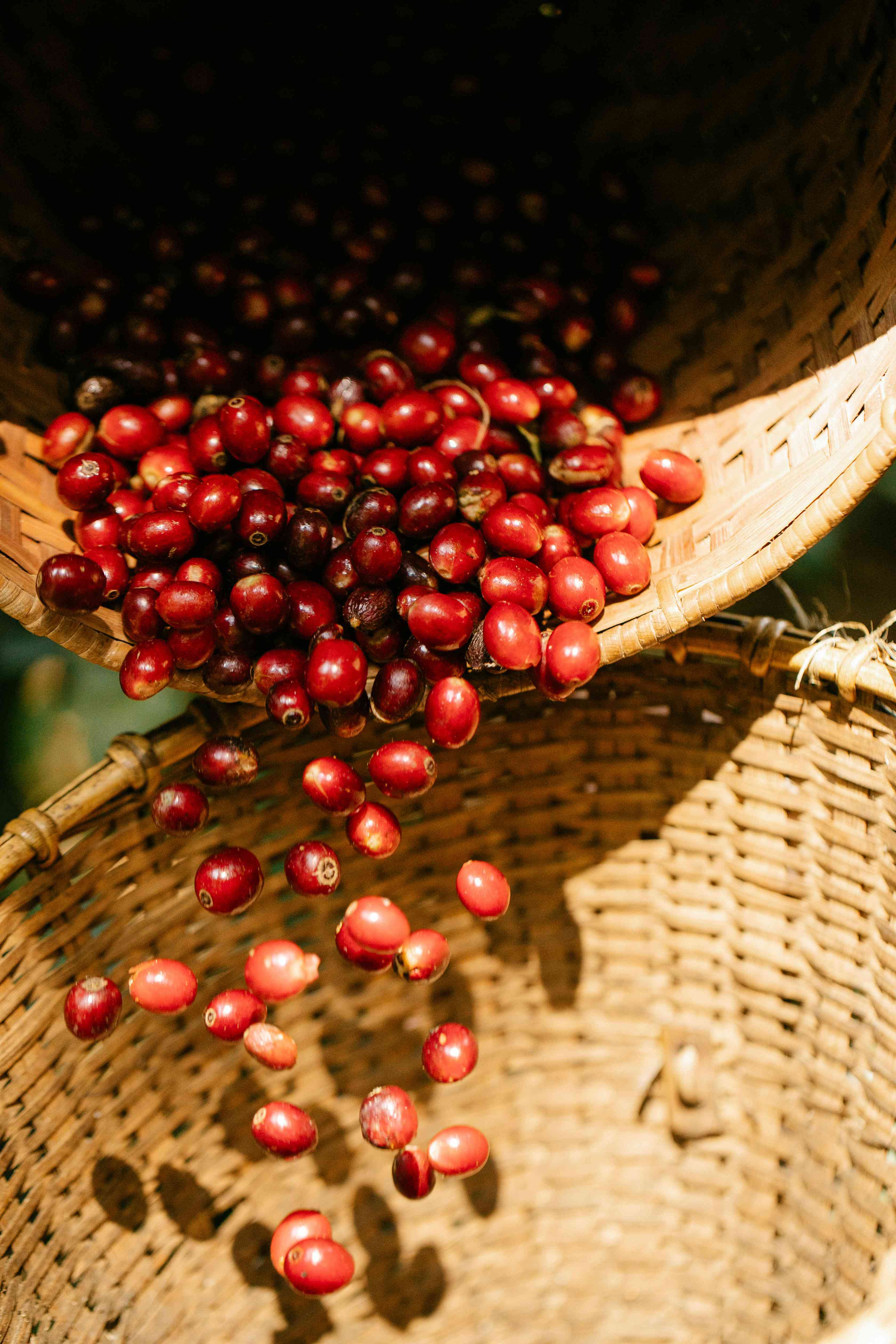
Ở đầu hệ thống là người trồng và lực lượng lao động làm việc trên đồng ruộng. Họ quyết định nhiều yếu tố ban đầu của nguyên liệu: giống, chăm sóc cây, thời điểm thu hái và cách xử lý quả sau khi hái. Sau đó là các cơ sở sơ chế, nhà máy xay xát và các đơn vị phân loại. Những tác nhân này có thể thuộc nông hộ, hợp tác xã, doanh nghiệp hoặc bên cung cấp dịch vụ, tùy từng nước. Sự phân chia này có ý nghĩa vì quả cà phê sau thu hoạch chưa phải là nguyên liệu ổn định để đưa thẳng vào thương mại quốc tế. Nó phải được xử lý để giảm nước, loại bỏ các phần không cần thiết và đưa hạt về trạng thái phù hợp cho bảo quản. Một nghiên cứu về chuỗi giá trị cà phê tại Embu và Kirinyaga, Kenya, mô tả rõ các nút sản xuất, sơ chế ướt, xay khô và phân loại trước khi cà phê đi vào thương mại. Nghiên cứu cũng cho thấy hợp tác xã tại địa bàn khảo sát có thể đồng thời cung cấp đào tạo, vật tư, tín dụng, chế biến và tiếp thị. Vì vậy, một tổ chức không nhất thiết chỉ làm một việc.

Nhóm kết nối cà phê với thị trường
Khi cà phê đã trở thành nguyên liệu thương mại, một lớp tác nhân khác xuất hiện rõ hơn: thương nhân, hợp tác xã, nhà xuất khẩu, nhà nhập khẩu, môi giới, đơn vị vận chuyển, kho và các nhà cung cấp dịch vụ liên quan. Chức năng của họ là tập hợp hàng từ nhiều nguồn, tổ chức giao dịch, chuẩn bị hồ sơ, lưu kho, vận chuyển và đưa cà phê tới nơi có nhu cầu. Điểm đáng chú ý là “kết nối thị trường” không đồng nghĩa với một hoạt động duy nhất. Một thương nhân có thể mua và tập hợp cà phê; một nhà xuất khẩu có thể chịu trách nhiệm hợp đồng và hồ sơ; một đơn vị hậu cần có thể chỉ cung cấp vận chuyển; còn nhà nhập khẩu có thể tiếp nhận cà phê xanh và kết nối nó với nhà rang. De'Longhi mô tả hành trình thương mại từ cà phê sau chế biến đến nhà nhập khẩu rồi nhà rang theo một chuỗi tương tự, nhưng đây chỉ là mô hình mô tả. Trong thực tế, có những doanh nghiệp tích hợp nhiều khâu hoặc mua trực tiếp từ vùng sản xuất.
Nhóm biến cà phê xanh thành sản phẩm cho người dùng
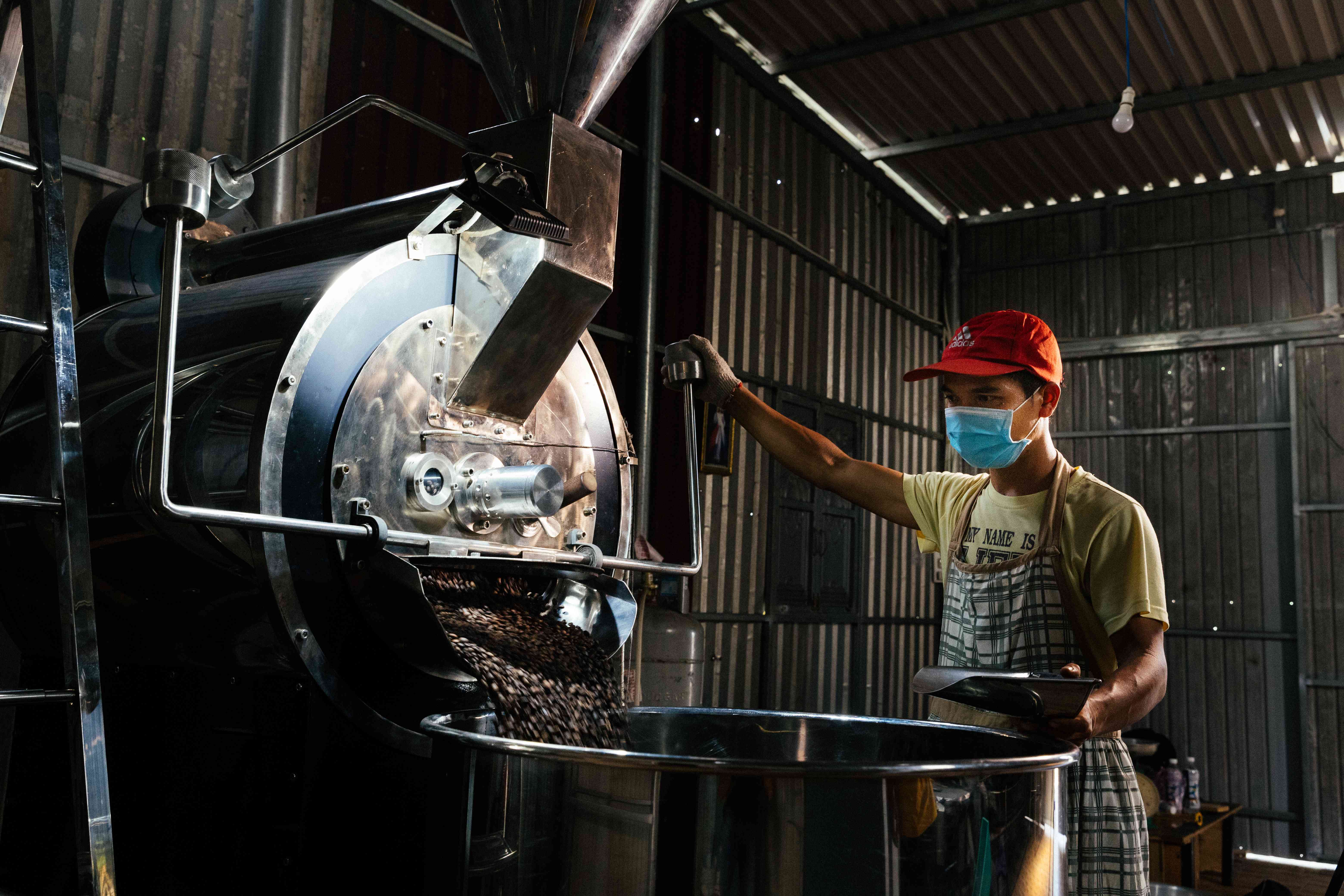
Nhà rang là tác nhân tạo ra một thay đổi vật chất rất rõ: nhiệt làm biến đổi hạt cà phê xanh thành hạt rang có màu, mùi và đặc tính pha chế khác hẳn. Sau rang có thể có xay, đóng gói và xây dựng định dạng sản phẩm. Các cơ sở này có thể bán cho quán cà phê, nhà bán lẻ, nhà hàng hoặc người tiêu dùng trực tiếp. Quán cà phê và người pha chế lại tạo ra một lớp sản phẩm khác. Họ sử dụng cà phê rang cùng nước, thiết bị và kỹ thuật để tạo thành đồ uống. Nhà bán lẻ không nhất thiết biến đổi cà phê về mặt vật chất, nhưng quyết định cách sản phẩm được trưng bày, tiếp cận và bán. Các nhà sản xuất cà phê hòa tan, cà phê đóng lon hoặc những sản phẩm chế biến sâu còn tạo thêm các dạng sản phẩm khác. Vì vậy, “ngành cà phê” rộng hơn hoạt động trồng và rang rất nhiều.
Những nhóm hỗ trợ nằm phía sau hệ thống
Có một lớp tác nhân thường ít xuất hiện trên hình ảnh quen thuộc của ngành nhưng lại cần thiết để hệ thống vận hành. Cơ quan quản lý xây dựng và thực thi quy định. Tổ chức nghiên cứu cung cấp kiến thức và công nghệ. Tổ chức tài chính cung cấp vốn. Bảo hiểm xử lý một phần rủi ro. Phòng thử nghiệm, đơn vị kiểm định và tổ chức chứng nhận tạo ra bằng chứng về những thuộc tính có thể kiểm tra. Đơn vị đào tạo, tổ chức xã hội và các chương trình phát triển cũng tham gia ở những điểm khác nhau. ICO tự mô tả mình là diễn đàn tập hợp chính phủ, khu vực tư nhân, đối tác phát triển, xã hội dân sự và các bên liên quan đến cà phê; đồng thời tổ chức này thu thập và công bố thống kê về sản xuất, thương mại và tiêu dùng. SCA Systems Map cũng cố ý đặt các nhóm hỗ trợ bên ngoài chuỗi hoạt động trung tâm. Cách nhìn này giúp tránh một sai lầm phổ biến: cho rằng chỉ những người trực tiếp cầm hạt cà phê mới thuộc ngành.
Các nhóm tác nhân liên kết với nhau như thế nào
Có thể hình dung ngành cà phê bằng ít nhất bốn dòng chuyển động cùng lúc. Dòng hàng hóa đi từ nguyên liệu đến sản phẩm tiêu dùng. Dòng thông tin đi về cả hai hướng, từ dữ liệu sản xuất và chất lượng lên thị trường, rồi từ nhu cầu và tiêu chuẩn quay trở lại vùng trồng. Dòng tiền đi qua các giao dịch. Dòng rủi ro cũng di chuyển, từ thời tiết và năng suất ở nông hộ đến rủi ro giá, chất lượng, vận chuyển và nhu cầu. Điều quan trọng là không biến hệ thống này thành một sơ đồ tuyến tính cứng nhắc. Một doanh nghiệp có thể vừa rang vừa phân phối; hợp tác xã có thể vừa tập hợp sản lượng vừa sơ chế; nhà nhập khẩu có thể tham gia kiểm soát chất lượng và kết nối thị trường; người sản xuất có thể tham gia rang hoặc bán trực tiếp nếu có điều kiện. Bản đồ hệ thống cà phê của SCA nhấn mạnh chính tính linh hoạt và quan hệ động giữa các tác nhân này. Vì vậy, bản đồ ngành cà phê nên được hiểu như một hệ thống hoạt động liên kết, trong đó mỗi nhóm có một chức năng chính nhưng ranh giới tổ chức có thể thay đổi.
- International Coffee Organization – About Us — Bối cảnh các bên liên quan và phạm vi của ngành cà phê toàn cầu.
- Hiệp hội Cà phê Đặc sản – A Coffee Value Chain Systems Map — Khung hệ thống tác nhân, hoạt động và nhóm hỗ trợ.
- FAO – Coffee: Markets and Trade — Bối cảnh sản xuất, thương mại và sinh kế toàn cầu.
- Wambua et al. – Decomposition of the Coffee Value Chain — Ví dụ thực địa về các nút và tác nhân trong chuỗi cà phê.
From Coffee Trees to Consumer Products: The Activities That Make the Industry
If we look only at the coffee tree, the industry can appear to begin on the farm and end when the beans are sold. In reality, a cup of coffee is the result of many overlapping activities: supplying farm inputs, growing and harvesting, processing, milling, grading, trading, transport, roasting, grinding, packaging, retail and brewing. The Specialty Coffee Association’s Coffee Systems Map does not present this system as a simple straight line either. It places core activities at the center and supporting groups around them, while recognizing that a single actor may participate in several activities. That distinction matters: industry actors and stages of the process are not one-to-one categories.
Producers and Post-Harvest Processing
At the front end of the system are growers and farm workers. They shape many of the raw material’s earliest conditions: variety, crop care, harvest timing and what happens to the cherries after picking. Further along are processing facilities, dry mills and grading operations. Depending on the country, these activities may be carried out by individual farms, cooperatives, businesses or specialized service providers. This distinction matters because freshly harvested coffee fruit is not yet a stable commodity ready for international trade. It has to be processed to reduce moisture, remove unwanted material and bring the beans into a condition suitable for storage. Research on coffee value chains in Embu and Kirinyaga, Kenya, describes production, wet processing, dry milling and grading as distinct nodes before coffee enters trade. The study also shows that cooperatives may provide training, inputs, credit, processing and marketing at the same time. An organization, in other words, does not necessarily perform only one function.
Actors That Connect Coffee to Markets
Once coffee becomes a tradable raw material, another layer of actors becomes visible: traders, cooperatives, exporters, importers, brokers, transport providers, warehouses and related service companies. Their work includes aggregating supply, arranging transactions, preparing documentation, storing coffee, moving it and connecting it with places where demand exists. Yet “connecting coffee to the market” is not a single standardized job. A trader may buy and aggregate coffee; an exporter may handle contracts and documentation; a logistics provider may only move the cargo; an importer may receive green coffee and connect it with a roaster. De'Longhi describes a similar commercial sequence from processed coffee through importers to roasters, but that model is descriptive rather than universal. In practice, some businesses integrate several stages, while others buy directly from producing regions.
Actors That Turn Green Coffee into Consumer Products
Roasters make one of the industry’s clearest physical transformations: heat changes green coffee into roasted beans with a very different color, aroma and brewing behavior. The roasted coffee may then be ground, packaged and developed into a particular product format. These businesses may sell to coffee shops, retailers, restaurants or consumers directly. Coffee shops and baristas create another layer of the product. They combine roasted coffee with water, equipment and technique to produce a beverage. Retailers may not physically transform the coffee, but they determine how it is presented, accessed and sold. Manufacturers of instant coffee, canned coffee and other processed products add still more product forms. The coffee industry is therefore much broader than farming and roasting alone.
The Supporting Groups Behind the System
Some actors rarely appear in the familiar picture of the coffee industry, yet the system could not function without them. Regulators establish and enforce rules. Research organizations provide knowledge and technology. Financial institutions provide capital, while insurance addresses part of the risk. Laboratories, inspection bodies and certification organizations create evidence for attributes that can be tested or verified. Training providers, civil-society organizations and development programs also enter the system at different points. The International Coffee Organization describes itself as a forum bringing together governments, the private sector, development partners, civil society and coffee stakeholders, while also collecting and publishing statistics on production, trade and consumption. The SCA Systems Map likewise places supporting groups outside the central chain of activities. This wider view avoids a common mistake: assuming that only people who physically handle coffee beans belong to the industry.
How the Different Actors Are Connected
The coffee industry can be understood as at least four flows moving at the same time. Goods move from raw material to consumer products. Information moves in both directions: production and quality data travel toward the market, while demand and standards travel back toward producing regions. Money moves through transactions. Risk moves as well, from weather and farm yields to price, quality, transport and demand risks. The system should not, however, be turned into a rigid linear diagram. A business may roast and distribute; a cooperative may aggregate production and process coffee; an importer may participate in quality control and market development; and a producer may roast or sell directly when conditions allow. The SCA Coffee Systems Map emphasizes this flexibility and the dynamic relationships among actors. The coffee industry is therefore best understood as an interconnected operating system in which each group has a primary function, while organizational boundaries can shift.
- International Coffee Organization – About Us — Context on stakeholders and the scope of the global coffee industry.
- Specialty Coffee Association – A Coffee Value Chain Systems Map — A systems framework for actors, activities and supporting groups.
- FAO – Coffee: Markets and Trade — Background on global coffee production, trade and livelihoods.
- Wambua et al. – Decomposition of the Coffee Value Chain — A field-based example of nodes and actors in a coffee value chain.