
Hợp đồng tương lai làm gì trong thị trường cà phê
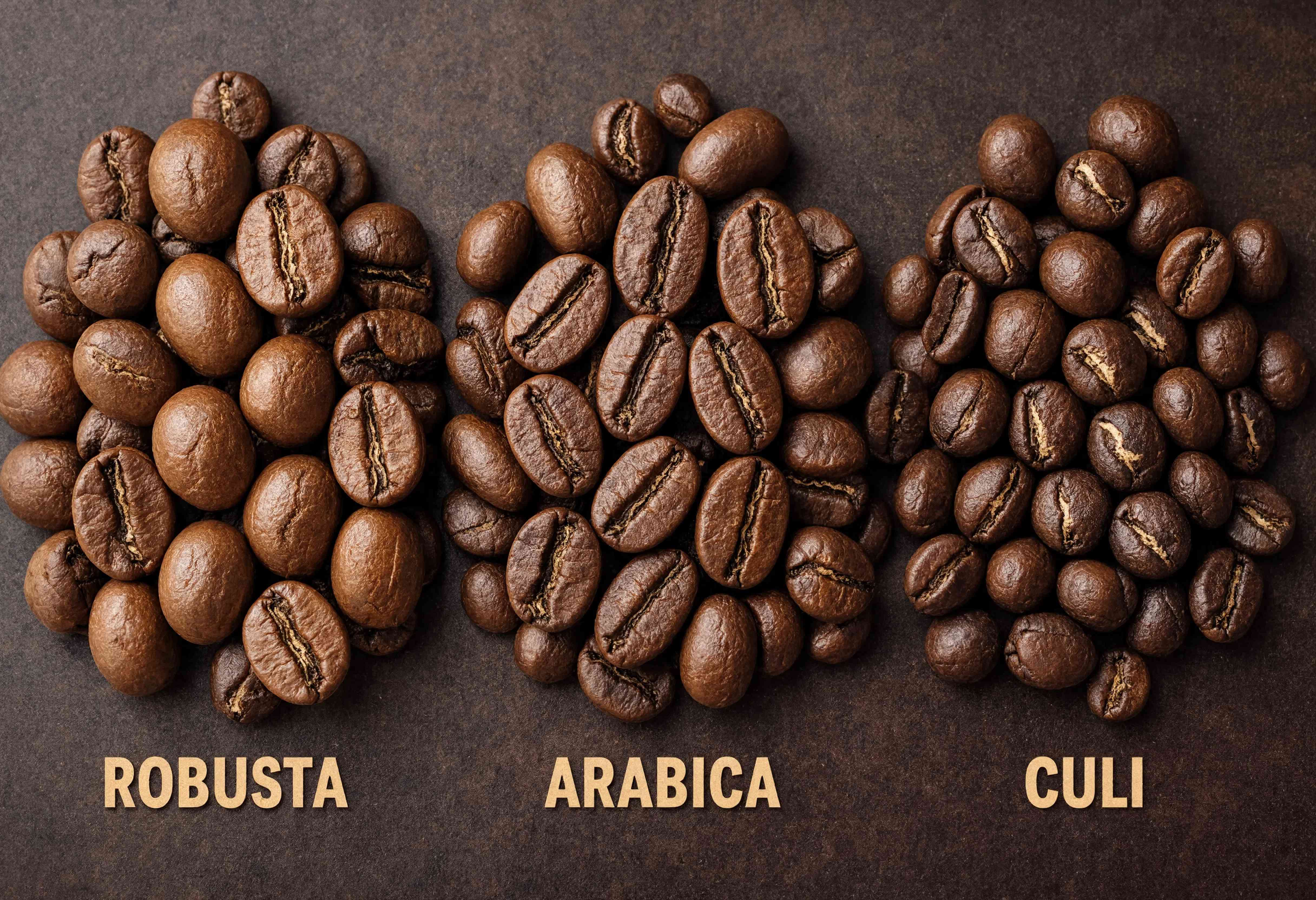
Hợp đồng tương lai cà phê là công cụ chuẩn hóa để các bên giao dịch một mức giá cho một kỳ hạn và một tiêu chuẩn hàng hóa đã được quy định. Với cà phê C của ICE hợp đồng kỳ hạn U.S., hợp đồng là chuẩn tham chiếu quốc tế cho Arabica; hợp đồng quy định quy mô 37.500 pao và có cơ chế giao hàng vật chất. Với hợp đồng kỳ hạn Robusta tại ICE hợp đồng kỳ hạn Europe, hợp đồng có quy mô 10 tấn và cũng được thanh toán bằng giao hàng vật chất. Những đặc điểm này khiến giá trên sàn trở thành một điểm tham chiếu có tính thanh khoản cao, nhưng không biến nó thành giá mua của mọi lô cà phê ngoài thị trường.
Giá tham chiếu nối với giao dịch vật chất ra sao
Một giao dịch cà phê vật chất có thể sử dụng giá hợp đồng tương lai làm điểm xuất phát rồi cộng hoặc trừ một mức chênh lệch. Cách này cho phép giá vật chất phản ánh đồng thời mặt bằng chung của thị trường và đặc điểm riêng của lô hàng. Chênh lệch có thể liên quan đến chất lượng, nguồn gốc, thời gian giao hàng, địa điểm giao nhận và điều kiện thương mại. Vì vậy, khi một báo giá nói “theo giá sàn cộng chênh lệch”, người đọc cần biết hợp đồng tham chiếu, kỳ hạn, thời điểm chốt và mức chênh lệch trước khi so sánh với một báo giá khác.

Giá hợp đồng tương lai và giá giao ngay không phải một con số
Giá hợp đồng tương lai dành cho một kỳ hạn cụ thể. Giá giao ngay phản ánh giao dịch hoặc giá trị của hàng có thể giao nhận ở thời điểm hiện tại. Hai mức giá có thể gần nhau nhưng không nhất thiết bằng nhau. Chênh lệch giữa chúng chịu ảnh hưởng của thời gian, tồn kho, chi phí tài chính, chi phí lưu giữ và điều kiện cung cầu. Trong cà phê, cấu trúc kỳ hạn còn phản ánh kỳ vọng của thị trường về nguồn cung và nhu cầu ở các thời điểm khác nhau.
Chất lượng, nguồn gốc và địa điểm làm thay đổi giá vật chất
ICE quy định tiêu chuẩn giao nhận và các mức cộng trừ đối với nhiều loại cà phê và địa điểm giao hàng. cà phê C chẳng hạn có các mức chênh lệch theo nguồn gốc và cảng giao hàng; Robusta cũng quy định chất lượng cơ sở và mức cộng trừ cho chất lượng khác. Điều này cho thấy giá chuẩn chỉ đại diện cho một cấu hình hàng hóa cụ thể. Một lô cà phê ngoài thị trường có thể có giá khác vì không trùng hoàn toàn với cấu hình đó.
Doanh nghiệp sử dụng giá tương lai để định giá và phòng ngừa rủi ro
Nhà xuất khẩu, nhà nhập khẩu, nhà rang và các doanh nghiệp thương mại có thể dùng giá tương lai làm mốc khi thương lượng giá. Họ cũng có thể sử dụng hợp đồng tương lai để quản lý một phần rủi ro giá, nhưng việc phòng ngừa rủi ro là một nghiệp vụ riêng với yêu cầu về vị thế, kỳ hạn và dòng tiền. Bài toán quan trọng ở đây là hiểu rằng giá tương lai giúp chuẩn hóa một phần rủi ro thị trường, còn giá vật chất vẫn cần xử lý các đặc điểm riêng của lô hàng.
Vì sao giá trên sàn không đồng nghĩa với giá người trồng nhận được
Giá mà nông hộ nhận được nằm ở một tầng khác của chuỗi. Từ giá tham chiếu đến giá tại nông hộ còn có chất lượng, địa điểm, chi phí thu mua, vận chuyển, chế biến, tài chính, biên lợi nhuận và cách tổ chức giao dịch. ICO duy trì dữ liệu riêng về giá người trồng, giá thương mại và các chỉ số giá quốc tế, cho thấy đây là những chuỗi dữ liệu khác nhau. Vì vậy, nhìn một mức giá ICE rồi gọi đó là giá nông dân nhận được là bỏ qua nhiều lớp của thị trường.
Phòng ngừa rủi ro không xóa bỏ chênh lệch vật chất
Một doanh nghiệp có thể khóa hoặc giảm một phần rủi ro biến động giá bằng hợp đồng tương lai, nhưng vẫn phải đối mặt với rủi ro chênh lệch giữa giá hợp đồng và giá lô hàng thực tế. Đây là lý do quản trị giá thường theo dõi riêng giá chuẩn và phần chênh lệch. Nếu chỉ nhìn một trong hai, bức tranh rủi ro sẽ không đầy đủ.
Vai trò của kỳ hạn trong báo giá
Giá của một hợp đồng tương lai luôn gắn với tháng giao hàng. Một doanh nghiệp mua cà phê giao vào một thời điểm cụ thể có thể chọn kỳ hạn phù hợp để làm mốc. Nếu dùng sai kỳ hạn, chênh lệch giá có thể bị hiểu nhầm là chênh lệch chất lượng trong khi nguyên nhân thực tế nằm ở thời gian giao.
Một giá chuẩn không phải một giá duy nhất cho mọi loại cà phê
ICE xây dựng hợp đồng chuẩn với một tập hợp điều kiện cụ thể về loại cà phê, chất lượng, nguồn gốc và nơi giao. Vì vậy, khi thị trường vật chất sử dụng giá hợp đồng kỳ hạn làm tham chiếu, phần chênh lệch có nhiệm vụ nối giá chuẩn với hàng thực tế. Nếu bỏ qua phần này, người đọc dễ tưởng rằng mọi lô Arabica hoặc Robusta đều phải có cùng một mức giá.
Góc nhìn bổ sung
Đọc giá hợp đồng kỳ hạn trong một giao dịch cụ thểGiả sử một nhà xuất khẩu có một lô cà phê cần bán trong một khoảng thời gian nhất định. Mức giá trên sàn chỉ cho biết mặt bằng của hợp đồng chuẩn. Để biến nó thành giá chào hàng, doanh nghiệp còn phải xác định loại hàng, chất lượng, nguồn gốc, nơi giao, thời điểm giao và phần chênh lệch. Nếu hàng được giao tại một cảng khác với địa điểm chuẩn của hợp đồng, chi phí đưa hàng đến điểm giao cũng cần được tính. Cách nhìn này giải thích vì sao hai doanh nghiệp có thể cùng theo dõi một mức hợp đồng kỳ hạn nhưng đưa ra hai giá vật chất khác nhau. Nó cũng giải thích vì sao một biến động trên sàn có thể truyền sang thị trường vật chất mà không làm mọi lô hàng tăng hoặc giảm cùng một tỷ lệ. Giá hợp đồng kỳ hạn là tín hiệu chung; giá vật chất là kết quả của tín hiệu đó cộng với các điều kiện cụ thể của từng giao dịch. Khi phân tích thị trường, nên giữ hai lớp dữ liệu riêng rồi mới nối chúng bằng phần chênh lệch.
Nhật ký nghiên cứu và nguồn
Tài liệu tham khảo
- ICE, Coffee C hợp đồng kỳ hạn — https://www.ice.com/products/15
- ICE, Robusta Coffee hợp đồng kỳ hạn — https://www.ice.com/products/37089079
- ICO, Public Market Information — https://ico.org/resources/public-market-information/
What Futures Contracts Do in the Coffee Market
A coffee futures contract is a standardized instrument that allows market participants to trade a price for a defined delivery period and a specified commodity standard. ICE Futures U.S. Coffee C, for example, serves as a major reference contract for Arabica and specifies a contract size of 37,500 pounds with physical delivery provisions. ICE Futures Europe’s Robusta Coffee Futures has a 10-ton contract size and also provides for physical delivery. Standardization and liquidity make these prices useful references, but they do not turn the exchange quotation into the purchase price of every physical lot.
How a Futures Reference Connects to Physical Coffee
A physical coffee transaction can use a futures contract as the starting point and then add or subtract a differential. This structure allows the transaction to combine the broad market level represented by the futures contract with characteristics specific to the coffee being sold. Quality, origin, delivery timing, delivery location, and commercial terms may all affect the adjustment. When a quotation says that coffee is priced against the exchange “plus or minus a differential,” the reference contract, delivery month, fixing point, and differential all need to be understood.
Futures and Spot Prices Are Not the Same Number
A futures price applies to a particular contract month, whereas a spot price describes the value or transaction of coffee available for current delivery. The two can move closely together without being identical. Time, inventory, financing costs, storage costs, and supply and demand conditions can affect their relationship. In coffee, the futures curve can also contain information about market expectations for different delivery periods.
Quality, Origin, and Location Change the Physical Price
ICE contracts specify delivery standards and adjustments associated with different origins, qualities, and delivery locations. Coffee C, for instance, has defined differentials for eligible origins and delivery points, while the Robusta contract also specifies a base quality and adjustments for other qualities. The benchmark therefore represents a particular standardized configuration. A physical lot that differs from that configuration can reasonably command a different price.
How Businesses Use Futures for Pricing and Risk Management
Exporters, importers, roasters, traders, and other commercial participants can use futures prices as reference points when negotiating physical coffee. They may also use futures positions to reduce part of their exposure to price movements. Hedging, however, is a separate risk-management activity that involves position size, contract month, cash flows, and the relationship between the futures position and the physical coffee. Futures can standardize market-price exposure without removing the commercial characteristics of the physical lot.
Why an Exchange Price Is Not the Farmer’s Price
The price received by a producer belongs to another layer of the chain. Between a futures reference and the farm-gate transaction are quality, location, collection and transport costs, processing, financing, commercial margins, and the way the transaction is organized. The ICO maintains separate data relating to international indicators and producer prices, which reinforces the point that these are different price series. Calling an ICE quotation the farmer’s price skips the layers between them.
Hedging Does Not Eliminate Physical Differentials
A business can lock in or reduce part of its exposure to market-price movements through futures, yet still face basis or differential risk between the futures contract and the physical coffee. This is why commercial pricing often tracks the benchmark and the physical adjustment separately. Looking at only one component can give an incomplete picture of the actual price risk.
The Delivery Month Matters
Every futures quotation is tied to a delivery month. A buyer or seller arranging physical coffee for a particular period may select the futures month that best corresponds to the intended pricing window. If the wrong month is used as the reference, a difference caused by timing can be mistaken for a difference in quality or origin. The delivery month is therefore part of the price definition, not a minor detail.
A Benchmark Price Does Not Fit Every Coffee Lot
ICE contracts are built around specific combinations of coffee type, quality, eligible origin, and delivery arrangements. For that reason, a futures quotation cannot be treated as a universal price for every Arabica or every Robusta lot. The differential is the mechanism that helps connect a standardized exchange reference to the characteristics of the physical coffee being priced.
Reading a Futures Price in a Real Transaction
Consider an exporter holding a lot that needs to be sold within a defined period. The exchange quotation gives the market level for the selected standardized contract. To turn that figure into a commercial offer, the exporter must still determine the relevant contract month, the physical differential, delivery location, quality, currency, and other agreed terms. The resulting physical price is therefore a constructed transaction price, not simply the number displayed on the exchange.
The key distinction is between a market reference and a physical price. ICE futures can transmit valuable price information into the coffee trade and can support risk management, but the physical market remains responsible for matching that reference to a particular coffee, place, time, and contract. Understanding that connection makes it much easier to interpret both futures movements and the prices quoted for actual coffee.
For a physical coffee business, this distinction has a direct commercial implication. A futures quotation is useful because it provides a transparent and actively traded reference, but the physical contract must define how that reference is converted into the price of the actual coffee. The relevant month, the timing of the price fixing, the differential, quality requirements, delivery point, currency, and other agreed terms all belong to that conversion. The same futures movement can therefore have different consequences for two physical transactions if their differentials or delivery conditions differ. A company using futures for risk management must also keep the physical exposure and the futures position aligned closely enough for the hedge to address the intended price risk. Otherwise, movements in the standardized contract and movements in the physical market may diverge. The important lesson is not that futures prices are disconnected from physical coffee. They are deeply connected through pricing practice and market expectations. The important point is that the connection is structured: a standardized exchange contract provides the reference, while the physical market supplies the adjustments that make the reference relevant to a particular lot and transaction.
For that reason, a physical price should always be read as the outcome of a pricing formula and a commercial relationship. The exchange reference supplies a market signal, while the physical contract determines how that signal is adjusted for the coffee and the transaction. This distinction is essential when comparing offers from different buyers or periods, because apparently similar quotations may use different contract months or differentials.
References
- ICE, Coffee C Futures — https://www.ice.com/products/15
- ICE, Robusta Coffee Futures — https://www.ice.com/products/37089079
- ICO, Public Market Information — https://ico.org/resources/public-market-information/