
Lãi suất tác động tới cà phê qua nhiều kênh
Lãi suất không phải một biến có thể nhìn vào rồi dự đoán giá cà phê theo một chiều. Nó tác động thông qua chi phí vốn, tỷ giá, tồn kho, đầu tư và nhu cầu. Mỗi kênh có thời gian truyền dẫn khác nhau, và những yếu tố khác của thị trường có thể mạnh hơn trong từng giai đoạn.
Với cà phê, điều này đặc biệt rõ vì chuỗi giá trị trải dài từ nông hộ đến doanh nghiệp xuất khẩu, rang xay và người tiêu dùng. Mỗi nhóm sử dụng vốn và chịu lãi suất theo cách khác nhau. Vì vậy, tác động của một đợt thay đổi lãi suất không đồng nhất giữa các mắt xích.

Chi phí vốn ảnh hưởng quyết định nắm giữ tồn kho
Một doanh nghiệp giữ cà phê trong kho phải bỏ vốn trong thời gian chưa bán hoặc chưa thu tiền. Khi chi phí vốn tăng, việc giữ tồn kho trở nên đắt hơn về mặt tài chính. Điều này có thể làm thay đổi quyết định mua, bán hoặc thời điểm giải phóng hàng.
Tác động không phải lúc nào cũng làm giá giảm. Nếu nguồn cung khan hiếm, giá vật chất có thể vẫn cao dù chi phí tài trợ tăng. Ngược lại, nếu tồn kho lớn và nhu cầu yếu, chi phí vốn có thể thúc đẩy người giữ hàng muốn bán sớm hơn. Vì vậy, lãi suất là một lực tác động lên quyết định tồn kho chứ không phải công tắc điều khiển giá.

Lãi suất có thể tác động tới tỷ giá và sức mua quốc tế
Chính sách tiền tệ có thể ảnh hưởng sức mạnh của đồng tiền, trong đó có những đồng tiền dùng để định giá hàng hóa quốc tế. Cà phê thường được giao dịch và báo giá bằng đô la Mỹ ở nhiều thị trường, nên thay đổi tỷ giá có thể làm giá hàng hóa tính theo đồng nội tệ trở nên đắt hoặc rẻ hơn đối với người mua và người bán.
Nhưng mối quan hệ này không cố định. Tỷ giá còn chịu ảnh hưởng của tăng trưởng, dòng vốn, kỳ vọng và chính sách của nhiều quốc gia. Do đó, không nên viết “lãi suất tăng thì cà phê giảm” như một quy luật. Cần xác định kênh tỷ giá và xem nó tác động tới nhóm nào trong chuỗi.
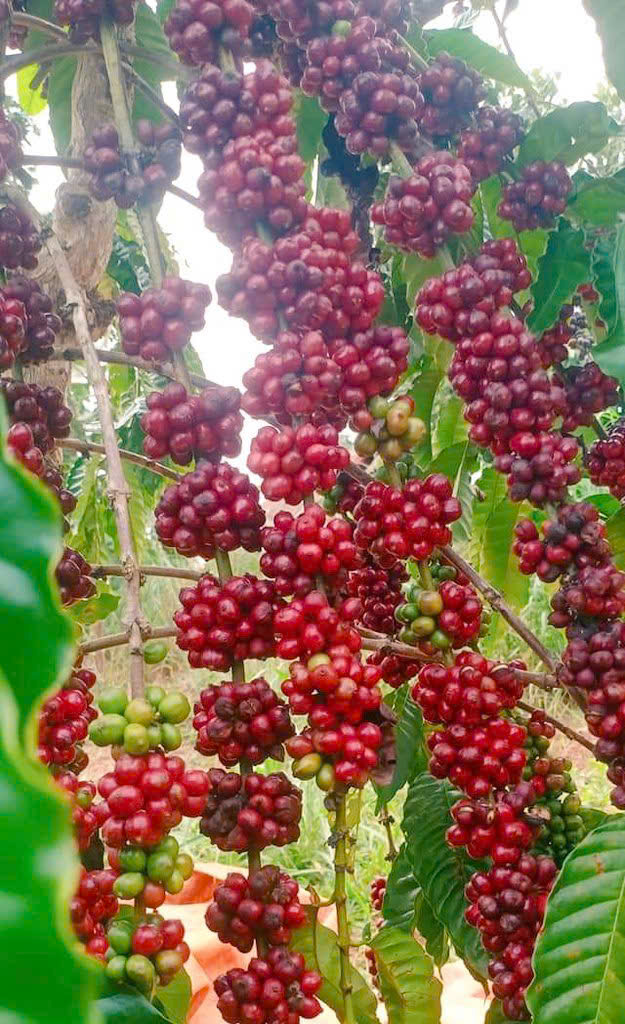
Đầu tư sản xuất phản ứng với chi phí vốn có độ trễ
Nông hộ và doanh nghiệp có thể cần vốn để tưới, cải tạo vườn, mua máy, xây kho hoặc mở rộng sản xuất. Khi lãi suất cao, những khoản đầu tư dài hạn có thể trở nên khó hấp dẫn hơn nếu lợi nhuận kỳ vọng không đủ bù chi phí vốn.
Nhưng tác động này thường không xuất hiện ngay trong sản lượng cà phê. Một quyết định đầu tư hôm nay có thể ảnh hưởng năng suất sau nhiều vụ. Ngược lại, người sản xuất có thể vẫn đầu tư khi giá cà phê cao dù lãi suất tăng. Vì vậy, cần tách tác động ngắn hạn lên tài chính với tác động dài hạn lên năng lực cung ứng.
Nhu cầu tiêu dùng cũng có thể phản ứng
Ở phía người tiêu dùng, lãi suất ảnh hưởng chi phí tín dụng, thu nhập khả dụng và quyết định chi tiêu. Với một mặt hàng tiêu dùng như cà phê, tác động có thể xuất hiện ở các phân khúc khác nhau theo cách khác nhau. Người tiêu dùng có thể giảm chi tiêu ở kênh đắt tiền nhưng vẫn giữ mức tiêu thụ cà phê hàng ngày, hoặc chuyển giữa các phân khúc và kênh mua.
Đối với doanh nghiệp rang và quán cà phê, chi phí vốn cao hơn cũng có thể ảnh hưởng quyết định mở rộng cửa hàng, mua thiết bị hoặc giữ tồn kho. Đây là một kênh khác với nhu cầu tiêu dùng cuối cùng và cần được phân biệt khi phân tích.
Thị trường cà phê chịu nhiều lực cùng lúc
Một thời điểm có thể xuất hiện lãi suất cao, đồng tiền biến động, thời tiết bất lợi, tồn kho thấp và nhu cầu mạnh cùng lúc. Trong trường hợp đó, khó nói giá cà phê tăng hay giảm chỉ vì lãi suất. World Bank và các tổ chức theo dõi hàng hóa thường đặt giá hàng hóa trong bối cảnh cung cầu và điều kiện kinh tế rộng hơn. ICO cũng theo dõi giá cà phê cùng dữ liệu cung ứng và thương mại.
Cách phân tích tốt hơn là lập chuỗi truyền dẫn: lãi suất thay đổi → chi phí vốn và tỷ giá thay đổi → hành vi tồn kho, đầu tư hoặc nhu cầu thay đổi → kỳ vọng về cung cầu thay đổi → giá cà phê phản ứng. Sau đó kiểm tra xem những lực khác có đang mạnh hơn hay không. Đây là cách tránh kết luận một chiều.
Tác động của lãi suất cần phân biệt ngắn hạn và dài hạn
Trong ngắn hạn, chi phí vốn và tỷ giá có thể ảnh hưởng quyết định giữ hàng, mua hàng hoặc phòng ngừa rủi ro. Trong dài hạn, lãi suất có thể ảnh hưởng đầu tư vào vườn cây, thủy lợi, máy móc và năng lực chế biến. Hai khoảng thời gian này không nhất thiết cho cùng một kết quả. Một doanh nghiệp có thể giảm tồn kho khi vốn đắt hơn nhưng một nông hộ vẫn đầu tư nếu giá cà phê đủ hấp dẫn. Một thị trường tiêu dùng có thể chịu sức ép từ tín dụng nhưng nhu cầu cà phê hàng ngày vẫn tương đối ổn định. Do đó, phân tích lãi suất phải xác định rõ đang nói về chủ thể nào và khoảng thời gian nào.
Tài liệu tham khảo
- World Bank, Commodity Markets — https://www.worldbank.org/en/research/commodity-markets
- IMF, Commodity Prices — https://www.imf.org/en/Research/commodity-prices
- ICO, Báo cáo thị trường cà phê — https://ico.org/resources/coffee-market-report-statistics-section/
Interest Rates Affect Coffee Through Several Channels
Interest rates do not have a single direct relationship with coffee prices. Their influence is transmitted through several economic channels. Higher rates can increase the cost of borrowing, change the attractiveness of holding inventories, influence exchange rates, affect investment decisions, and alter household or business spending. The strength of each channel depends on the market environment. For coffee, this is particularly relevant because physical stocks have carrying costs and the supply response from farms can take much longer than a financial market response. A rate change should therefore be treated as a change in the economic environment rather than as a simple signal that coffee prices must rise or fall.
Financing Costs Influence Inventory Decisions
Inventory is one of the clearest channels. Holding physical coffee ties up working capital and can involve financing, storage, insurance, and handling costs. When the cost of capital rises, carrying inventory can become less attractive, all else equal. That can influence when commercial participants buy, sell, or replenish stocks. The effect is not automatic because physical availability, expected prices, quality, delivery commitments, and the cost of being out of stock also matter. In a tight market, the need to secure coffee can outweigh the higher financing cost. In a well-supplied market, the same rate increase may encourage leaner inventory policies.
Interest Rates Can Affect Exchange Rates and International Purchasing Power
Interest-rate changes can also affect exchange rates and therefore the purchasing power of countries and companies dealing in dollar-denominated commodities. A change in relative interest rates may contribute to currency movements, although exchange rates are influenced by many other factors. For coffee buyers outside the United States, currency changes can alter the local-currency cost of a dollar quotation. For exporters, they can change the local-currency value of export receipts. The combined effect means that the same global interest-rate move can create different incentives for different participants, depending on their currency exposure and financing structure.
Production Investment Responds to the Cost of Capital with a Lag
Production investment reacts more slowly. Coffee farms and processing businesses make decisions about trees, irrigation, equipment, maintenance, and infrastructure with time horizons that extend beyond a single interest-rate cycle. A higher cost of capital can discourage marginal investment or delay expansion, but the effect may only become visible later. Conversely, easier financing can support investment without guaranteeing a larger crop immediately. Weather, land availability, labor, input costs, agronomic conditions, and expected coffee prices remain important. The lag is essential: financial conditions can change today while the physical supply response appears years or seasons later.
Consumer Demand Can Also React
Demand can respond as well. Higher borrowing costs may constrain business activity or household spending in some economies, while lower rates can support economic activity. Coffee consumption, however, is influenced by income, employment, consumer habits, retail prices, and the structure of the coffee market. A rate change therefore should not be treated as a direct measure of future consumption. The final coffee-price effect emerges from several forces operating simultaneously: production, inventories, trade, currency, financing, demand, and expectations.
Coffee Markets Face Several Forces at the Same Time
For that reason, a sound analysis separates short-term financial effects from longer-term physical responses. Financial markets can react quickly to rate expectations, while inventory decisions may adjust over months and farm investment may take much longer. The market can also absorb a rate signal differently depending on whether coffee supply is abundant or constrained. Interest rates matter, but they are rarely sufficient to explain a coffee-price move by themselves. The useful question is which channel is active, what other variables are moving at the same time, and whether the effect changes the actual availability or affordability of coffee. Inventory economics shows why the rate channel can be important without being dominant. A participant deciding whether to hold coffee must weigh financing and storage costs against the commercial value of having coffee available later. A higher interest rate can raise the cost of carrying the stock, but the decision also depends on expected shortages, delivery commitments, quality requirements, and replacement costs. The opportunity cost of being without coffee can sometimes outweigh the additional financing expense. The investment channel is slower and should not be confused with a short-term futures response. A higher cost of capital may discourage an expansion project, postpone equipment purchases, or change maintenance decisions, but coffee trees and processing infrastructure do not respond instantly. The eventual supply effect depends on how long the financial condition persists and how it interacts with coffee prices, input costs, weather, and producer expectations. For market analysis, the best practice is to map the interest-rate change onto the channel most likely to matter in the period being studied. Financial positioning can adjust quickly; inventory policy may adjust over months; production capacity can take much longer. Separating these horizons prevents a broad monetary headline from being treated as a complete explanation of a coffee-price movement. A rate-based market explanation should likewise begin with the transmission channel. Ask whether the immediate issue is financing, inventory carrying cost, currency, financial positioning, consumer demand, or long-term investment. Then identify the time horizon over which that channel can reasonably affect coffee. This prevents a monetary policy headline from being treated as if it were a direct production forecast. It also keeps the analysis consistent when several macroeconomic variables move together, because the analyst can identify which mechanism is actually connected to the physical coffee market. For professional analysis, the most useful habit is to keep the causal chain visible. Start with the observable condition, identify the mechanism through which it can affect coffee, and then state which additional evidence is needed before drawing a market conclusion. This avoids confusing a background variable with a direct price driver. It also makes the analysis easier to update when new information arrives. In practice, the same discipline means recording the relevant time period, defining important terms, and distinguishing observed data from forecasts or interpretations. A careful reader should be able to see where the source evidence ends and where analytical judgment begins. That boundary is especially important in coffee because physical production, trade, finance, weather, and consumer behavior interact across different time horizons. A concise market statement can therefore be useful, but only when its assumptions and evidence remain traceable. That discipline is what allows a conclusion to remain useful after the market environment changes. It also makes the reasoning easier to compare with later evidence, because the reader can see which observation changed, which assumption changed, and which part of the conclusion remains supported. In a professional research workflow, this traceability is as important as the conclusion itself. A well-structured article should leave enough context for a later reader to understand the evidence without reconstructing the original analysis from memory. This is the difference between a plausible story and an analysis that can withstand comparison with later data. Overall.
Short-Term and Long-Term Interest-Rate Effects Should Be Separated
This framework is also useful when comparing rate changes across countries. A policy move matters through its effect on financing conditions, currencies, and economic activity, not simply through the headline rate itself. The coffee market therefore needs the relevant monetary context before the effect can be assessed.
References
- World Bank, Commodity Markets — https://www.worldbank.org/en/research/commodity-markets
- IMF, Commodity Prices — https://www.imf.org/en/Research/commodity-prices
- ICO, Coffee Market Report — https://ico.org/resources/coffee-market-report-statistics-section/