Những biến đổi vật lý nổi bật khi hạt được rang
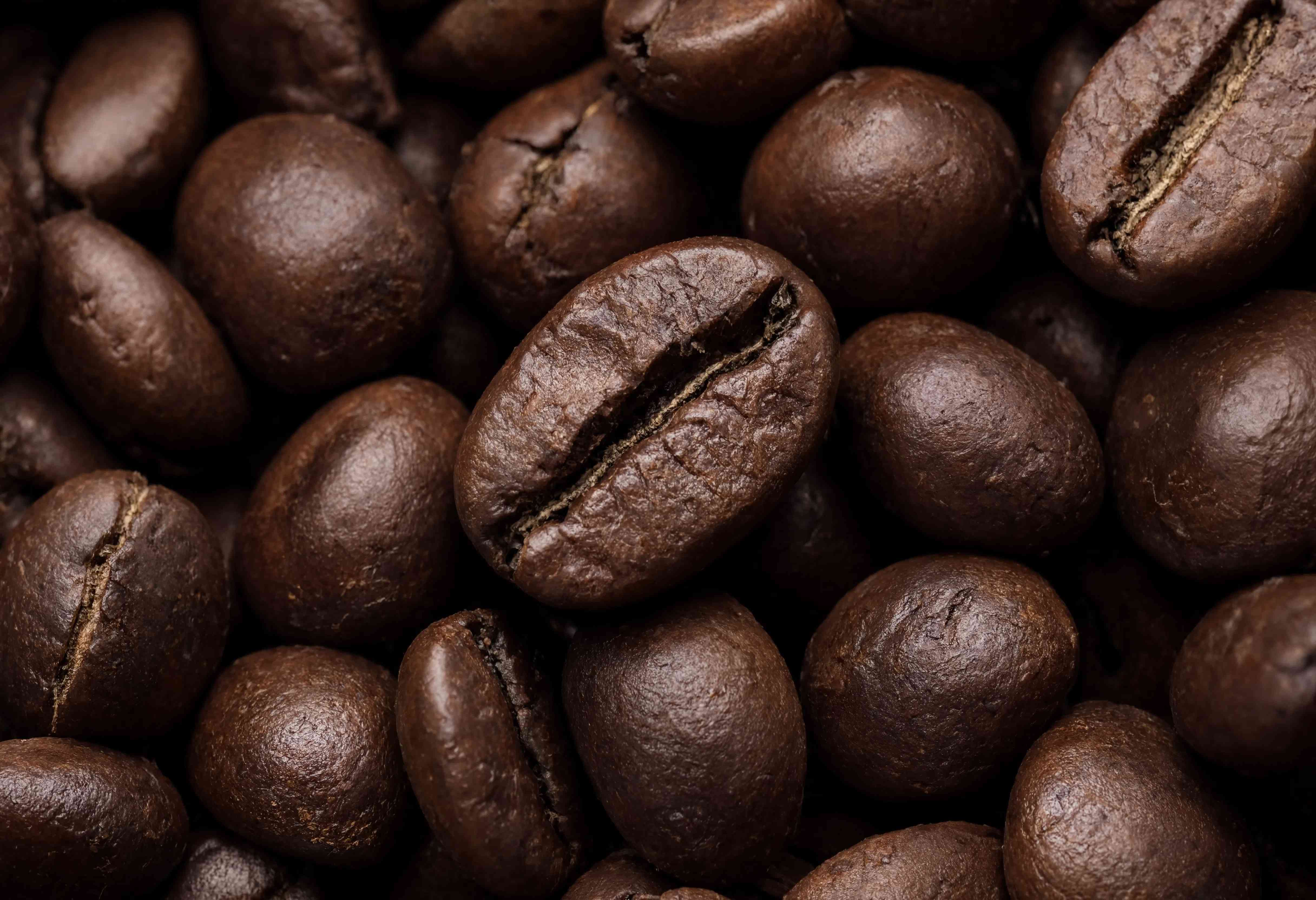
Khi hạt xanh đi vào máy rang, thay đổi dễ thấy nhất là mất nước, đổi màu, tăng thể tích và trở nên giòn hơn. Những thay đổi này không phải phần phụ của quá trình rang; chúng quyết định trực tiếp cấu trúc của hạt sau rang và cách hạt được xay, chiết xuất.
Trong quá trình gia nhiệt, nước và các chất dễ bay hơi rời khỏi cấu trúc. Khí sinh ra và hơi nước tích tụ bên trong làm hạt giãn nở. Nghiên cứu chụp cắt lớp vi tính theo thời gian trên hạt Arabica từ Brazil, Colombia và Ethiopia cho thấy độ rỗng và kích thước lỗ tăng đáng kể từ hạt xanh đến mức rang đậm, đồng thời quá trình tăng không tuyến tính theo thời gian.
Hạt sau rang cũng giòn hơn. Nghiên cứu về tính chất cơ học cho thấy sự thay đổi độ giòn liên quan cả đến mất nước và thay đổi cấu trúc do quá trình nhiệt phân.
Như vậy, nếu chỉ nhìn màu sắc, người rang mới thấy một phần của thay đổi vật lý. Bên trong hạt đã xuất hiện một mạng lỗ rỗng và cấu trúc yếu hơn rất nhiều so với hạt xanh.
Những biến đổi hóa học nổi bật khi nhiệt độ tăng
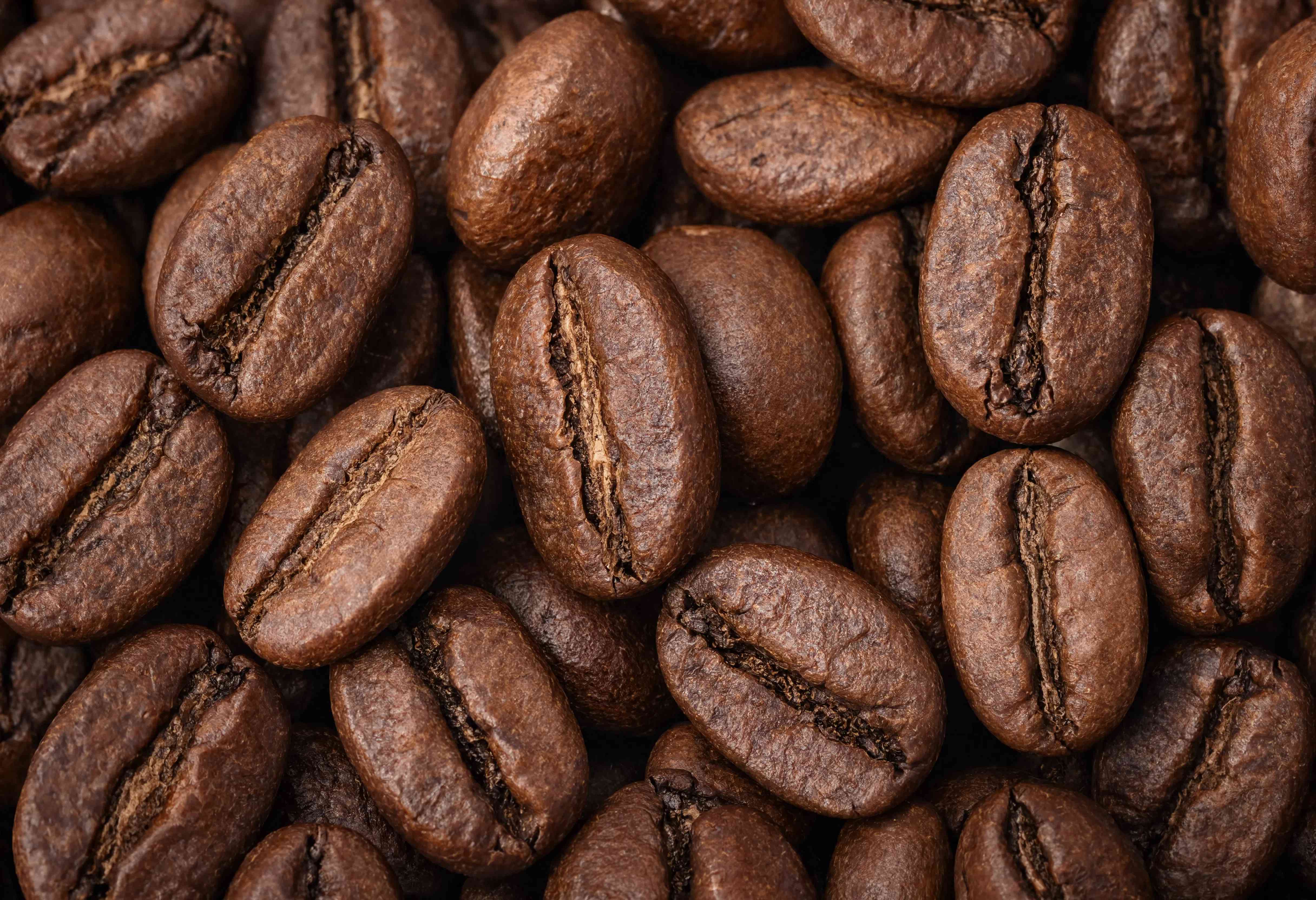
Song song với thay đổi cấu trúc, thành phần hóa học của hạt thay đổi sâu sắc. Carbohydrat, protein, axit chlorogenic, trigonellin và nhiều hợp chất khác tham gia hoặc bị phân hủy trong chuỗi phản ứng phức tạp.
Tài liệu tổng quan về rang cà phê mô tả sự hình thành nhiều hợp chất thơm, axit, lacton và melanoidin trong quá trình rang. Các phản ứng Maillard, caramel hóa, nhiệt phân và những phản ứng liên quan không xảy ra như những công tắc tách biệt hoàn toàn mà chồng lấn theo điều kiện nhiệt và thời gian.
Vì vậy, “hạt chuyển từ xanh sang nâu” không chỉ là một thay đổi màu. Màu là biểu hiện bên ngoài của hàng loạt phản ứng hóa học, đồng thời các chất dễ bay hơi được hình thành và giải phóng góp phần tạo mùi. Một nghiên cứu gần đây cũng ghi nhận rang làm thay đổi đáng kể thành phần hóa học và làm xuất hiện nhiều hợp chất liên quan đến hương, vị và màu.
Hai nhóm biến đổi diễn ra đồng thời như thế nào?
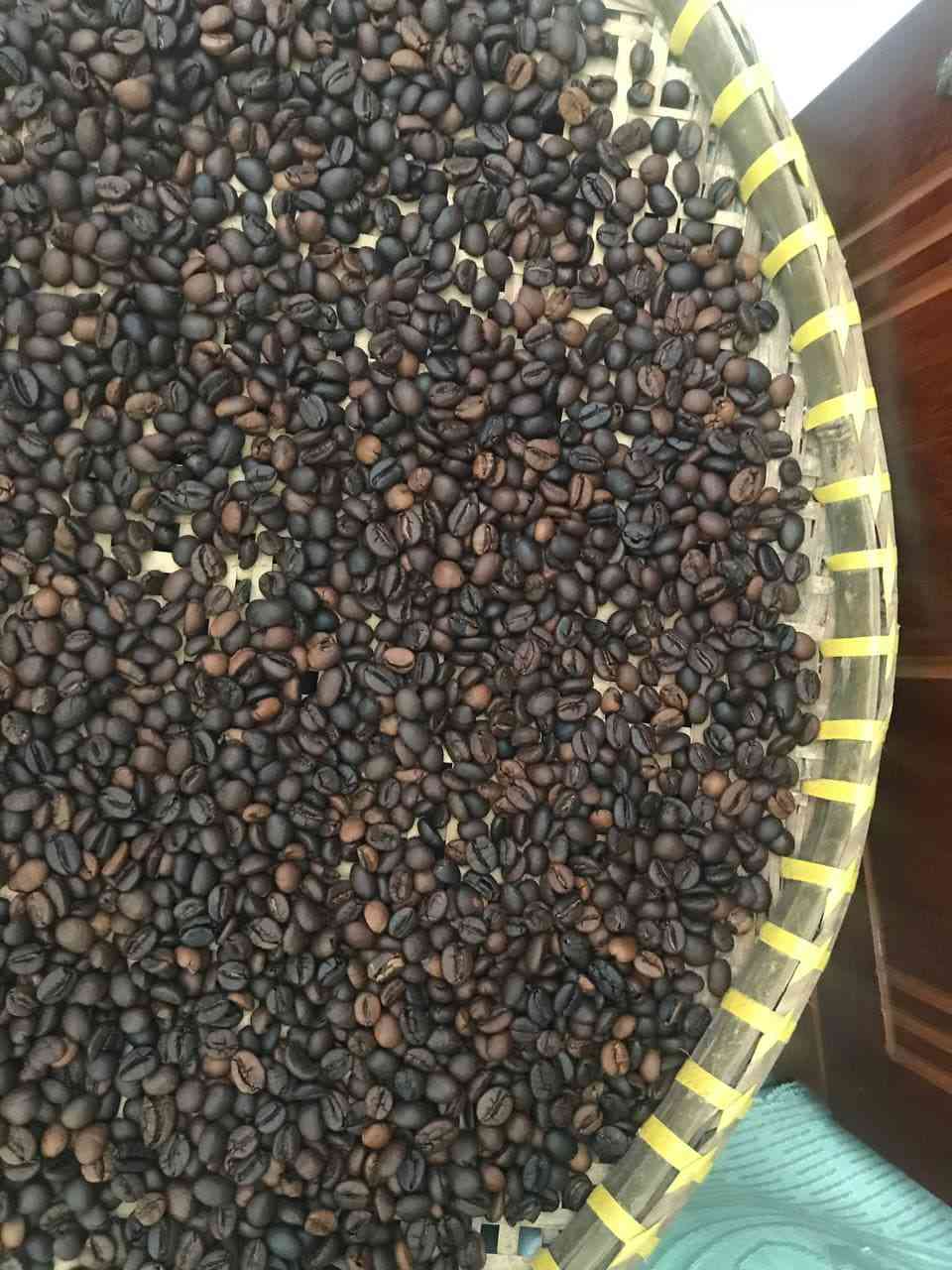
Vật lý và hóa học trong rang liên kết với nhau. Khi nhiệt làm nước thoát ra, cấu trúc hạt thay đổi. Khi phản ứng hóa học tạo khí hoặc giải phóng chất dễ bay hơi, áp suất bên trong thay đổi. Khi cấu trúc giãn nở và xuất hiện lỗ rỗng, đường đi của nhiệt và sự khuếch tán khí cũng thay đổi.
Nói cách khác, không thể tách mẻ rang thành một “giai đoạn vật lý” rồi một “giai đoạn hóa học” rõ ràng. Hai nhóm biến đổi diễn ra chồng lấn. Tốc độ gia nhiệt, độ ẩm ban đầu, kích thước hạt và thiết kế máy đều ảnh hưởng cách chúng diễn tiến.
Đây cũng là lý do cùng một mức nhiệt máy đo được chưa chắc tạo ra cấu trúc giống nhau ở mọi loại hạt. Điều kiện truyền nhiệt và thành phần ban đầu khác nhau có thể làm đường đi của phản ứng khác nhau.

Nứt, giãn nở và tạo lỗ rỗng liên quan gì đến phản ứng hóa học?
Hiện tượng nứt là ví dụ rõ nhất về sự giao nhau giữa vật lý và hóa học. Khi hạt được gia nhiệt, nước và khí tạo áp lực trong một cấu trúc đang mềm và giãn nở. Khi áp lực và sức bền cấu trúc đạt một trạng thái nhất định, mô hạt có thể nứt và giải phóng khí.
Nghiên cứu vi cấu trúc cho thấy quá trình rang làm tăng độ rỗng, kích thước lỗ và mức độ nứt, nhưng mức tăng khác nhau giữa các vùng của hạt và giữa các nguồn hạt. Nghiên cứu về khuếch tán khí cũng mô tả việc hạt mất nước, giãn nở và hình thành các khoang bên trong, nơi khí có thể bị giữ lại sau khi làm nguội.
Do đó, tiếng nứt không phải một phản ứng hóa học đơn lẻ. Nó là biểu hiện âm thanh của một thay đổi cấu trúc do nhiệt, trong đó các quá trình hóa học và vật lý đã cùng tạo ra điều kiện dẫn đến sự phá vỡ cấu trúc.
Vì sao hiểu cả hai mặt giúp đọc đường cong rang tốt hơn?
Đường cong rang không chỉ kể câu chuyện nhiệt độ. Nó là dấu vết của cách hạt hấp thụ năng lượng và thay đổi theo thời gian. Nếu chỉ nhìn nhiệt độ mà không hiểu mất nước, giãn nở, phản ứng hóa học và nứt, người rang dễ coi các mốc như nứt lần một là những con số cố định.
Hiểu hai mặt giúp đặt câu hỏi chính xác hơn: hạt đang nhận nhiệt bằng cơ chế nào, cấu trúc đang thay đổi ra sao, phản ứng hóa học nào đang chiếm ưu thế và tốc độ biến đổi có phù hợp với mục tiêu mẻ rang hay không?
Giới hạn là không có một nhiệt độ duy nhất áp dụng cho mọi loại hạt và mọi máy. Thành phần ban đầu, độ ẩm, kích thước, thiết kế thiết bị và cách điều khiển đều làm thay đổi diễn biến. Rang cà phê vì vậy nên được hiểu là một quá trình nhiệt phức hợp, trong đó biến đổi vật lý và hóa học liên tục tác động lẫn nhau.
Có thể nhìn một hạt rang như một hệ vật liệu đang thay đổi liên tục. Khi nước thoát ra, cấu trúc mềm đi rồi giãn nở; khi các phản ứng hóa học tạo khí và làm suy giảm vật liệu, độ bền thay đổi; sau khi làm nguội, cấu trúc trở nên giòn. Những thay đổi này nối tiếp nhau nhưng cũng chồng lấn. Vì vậy, mô tả rang bằng một đường nhiệt duy nhất sẽ luôn thiếu một phần câu chuyện của hạt.
Tài liệu tham khảo
- https://www.sciencedirect.com/science/article/pii/S026087742300331X
- https://www.sciencedirect.com/science/article/pii/B9780443138683000727
- https://www.sciencedirect.com/science/article/pii/S0260877402004326
Major Physical Changes During Roasting
Coffee roasting cannot be classified as purely physical or purely chemical because both types of change occur throughout the process. Physical changes include moisture loss, expansion, pressure development, structural weakening, pore formation, and changes in gas movement. As the bean heats, water and other volatile compounds move through a structure that is becoming less rigid and more porous. These changes alter density and mechanical behavior. The bean also accumulates internal pressure as gases are produced or released. What the roaster sees as a change in size, color, texture, or sound is therefore connected to changes occurring inside the bean.
Major Chemical Changes as Temperature Rises
Chemical transformation becomes increasingly visible as temperature rises. Compounds in green coffee react, break down, recombine, and generate new volatile and non-volatile substances. Maillard reactions, sugar degradation, caramelization, thermal decomposition, chlorogenic-acid changes, and transformations involving lipids and other components contribute to the final chemical profile. The brown color of roasted coffee is not produced by one reaction, and aroma is not the product of one compound. Roasting creates a complex reaction network whose balance depends on temperature, time, moisture, bean composition, and heat-transfer conditions.
How Physical and Chemical Changes Overlap
The two categories overlap rather than occupying separate stages. When moisture leaves the bean, the internal environment changes and heat moves differently through the material. When chemical reactions generate gases or volatile compounds, pressure and diffusion change. Structural expansion creates new pathways for heat and gas movement, while those pathways can influence the progress of further reactions. This feedback explains why the same displayed machine temperature does not guarantee the same result for every coffee. Initial moisture, bean size, density, processing history, and heat-transfer conditions can all alter the route through the roast.
How Cracking, Expansion, and Porosity Relate to Chemical Reactions
First crack is a useful example of this interaction. Heating changes the bean structure while water vapor and gases create internal pressure. As the material weakens and expands, fractures can occur and trapped gases are released, producing the familiar cracking sound. Studies of coffee microstructure show increases in porosity, pore size, and cracking during roasting, although the extent varies within a bean and between coffees. The crack is therefore not a single chemical reaction. It is an audible consequence of thermally driven structural change in which physical and chemical processes have already been interacting.
Why Both Perspectives Help When Reading a Roast Curve
Understanding both sides makes roast curves easier to interpret. A temperature trace is only a record of one part of the system. The roaster also needs to consider rate of heat application, moisture loss, color development, crack timing, gas release, and cup results. Two batches can reach a similar final temperature yet differ in internal development because they traveled through different combinations of time, heat transfer, and moisture conditions. Reading roasting this way avoids simplistic rules such as assigning every sensory change to one reaction or one temperature point. The practical goal is to connect measurable roast behavior with repeatable sensory results while recognizing that the underlying process is simultaneously physical and chemical. For a roaster, the distinction between physical and chemical change becomes practical when interpreting a roast curve. A temperature trace does not directly show moisture loss, internal pressure, chemical reaction rates, or the exact state of the bean. Observing color, bean expansion, crack timing, aroma, and final cup quality alongside the curve provides additional evidence about what happened inside the batch. This is particularly useful when comparing two roasts that share similar endpoint temperatures. Initial bean properties also matter. Moisture content, density, size, processing history, and composition influence how the bean receives and redistributes heat. As those properties change during roasting, the material itself becomes a different thermal and structural environment. That is why a profile cannot be understood solely by copying a sequence of displayed temperatures from one coffee to another. The most useful model is therefore integrated. Physical changes affect the environment for chemical reactions, while chemical reactions and gas formation contribute to structural change. Reading both together helps the roaster diagnose why two apparently similar curves can produce different aromas, colors, textures, or cup results. It also supports more disciplined profile development because the curve is treated as evidence of a process rather than as the process itself. This integrated view also changes how roasting errors are diagnosed. If a batch develops differently, the explanation may involve heat transfer, moisture, structural behavior, chemical development, or an interaction among them. Looking only at the final temperature can conceal those differences. Comparing the full curve with crack timing, color, weight loss, aroma, and cup results gives the roaster a more useful diagnostic record. The objective is not to turn every roast into a laboratory experiment, but to recognize that observable physical behavior and chemical development are parts of the same thermal process. For professional analysis, the most useful habit is to keep the causal chain visible. Start with the observable condition, identify the mechanism through which it can affect coffee, and then state which additional evidence is needed before drawing a market conclusion. This avoids confusing a background variable with a direct price driver. It also makes the analysis easier to update when new information arrives. In practice, the same discipline means recording the relevant time period, defining important terms, and distinguishing observed data from forecasts or interpretations. A careful reader should be able to see where the source evidence ends and where analytical judgment begins. That boundary is especially important in coffee because physical production, trade, finance, weather, and consumer behavior interact across different time horizons. A concise market statement can therefore be useful, but only when its assumptions and evidence remain traceable. That discipline is what allows a conclusion to remain useful after the market environment changes. It also makes the reasoning easier to compare with later evidence, because the reader can see which observation changed, which assumption changed, and which part of the conclusion remains supported. In a professional research workflow, this traceability is as important as the conclusion itself. A well-structured article should leave enough context for a later reader to understand the evidence without reconstructing the original analysis from memory. This is the difference between a plausible story and an analysis that can withstand comparison with later data. Overall.
References
- https://www.sciencedirect.com/science/article/pii/S026087742300331X
- https://www.sciencedirect.com/science/article/pii/B9780443138683000727
- https://www.sciencedirect.com/science/article/pii/S0260877402004326