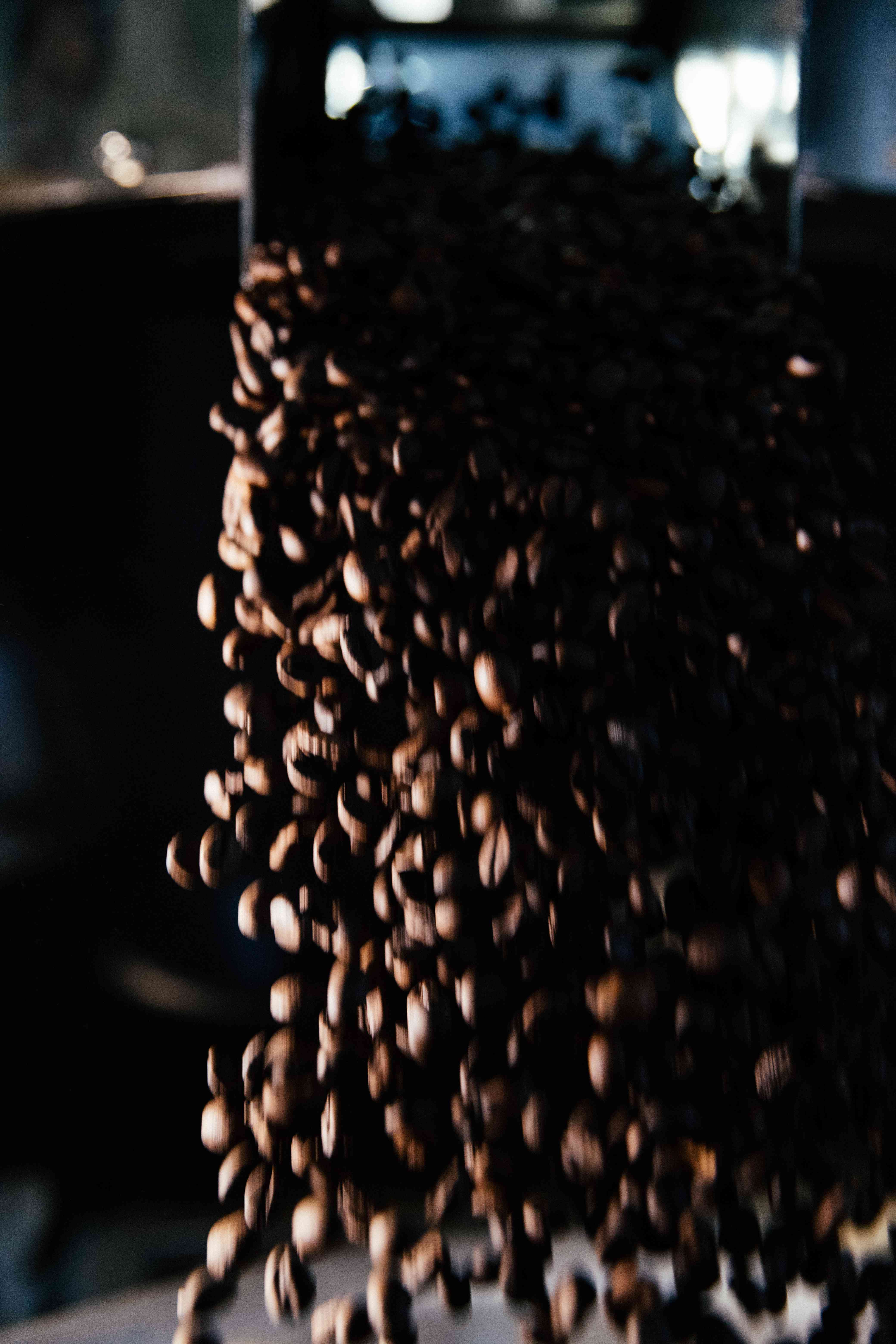
Dẫn nhiệt là truyền năng lượng qua tiếp xúc giữa các vật liệu có nhiệt độ khác nhau. Đối lưu là truyền nhiệt thông qua chuyển động của dòng khí hoặc chất lưu. Trong máy rang cà phê, cả hai cùng xuất hiện vì hạt tiếp xúc với bề mặt nóng đồng thời được dòng khí nóng bao quanh.
Dẫn nhiệt trong máy rang tang trống
Trong máy rang tang trống, hạt tiếp xúc với thành trống và các bề mặt nóng nên có thể nhận nhiệt qua tiếp xúc. Mức truyền phụ thuộc vào chênh lệch nhiệt độ, diện tích tiếp xúc, tính chất vật liệu và chuyển động của hạt. Tuy nhiên, không nên hiểu rằng toàn bộ nhiệt của hạt đến từ thành trống. Hạt liên tục chuyển vị trí và tiếp xúc với dòng khí trong buồng rang.
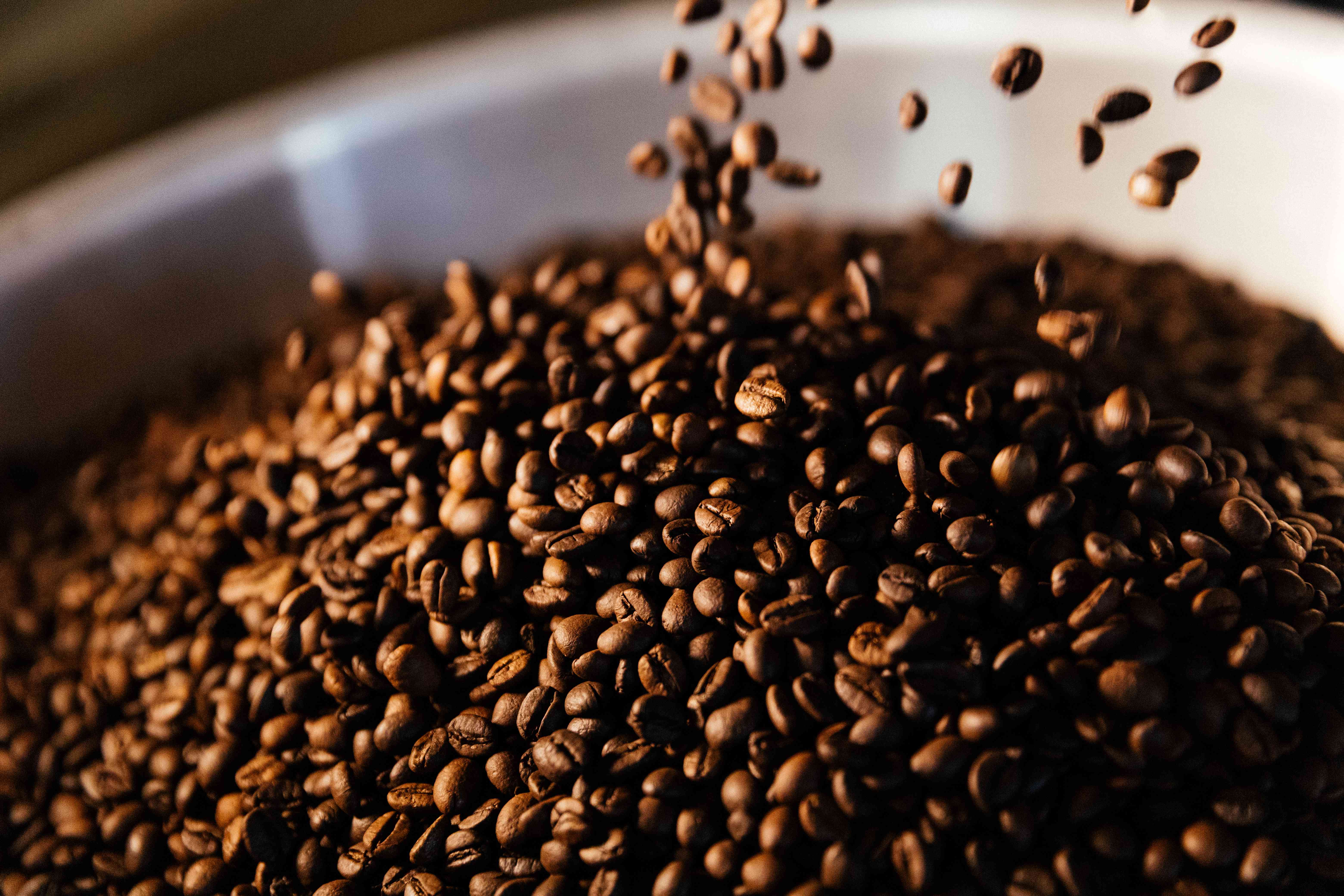
Đối lưu thay đổi theo luồng khí
Khi dòng khí nóng đi qua khối hạt, năng lượng được truyền từ khí sang bề mặt hạt rồi đi vào bên trong. Tốc độ và hướng dòng khí, nhiệt độ khí và mức trao đổi giữa khí với hạt ảnh hưởng đến phần nhiệt truyền theo cơ chế đối lưu. Vì vậy, thay đổi luồng khí không đơn giản là “thêm nhiệt”; nó còn thay đổi cách năng lượng được đưa tới hạt và cách khí mang ẩm, sản phẩm bay hơi ra khỏi buồng rang.
Hai cơ chế cùng tác động lên hạt
Hạt cà phê không được nung theo một cơ chế duy nhất. Bề mặt nhận năng lượng từ nhiều nguồn, trong khi nhiệt tiếp tục truyền từ ngoài vào trong hạt. Khi nhiệt độ, chuyển động hạt và luồng khí thay đổi, tỷ trọng tương đối của các cơ chế cũng thay đổi. Đây là lý do thiết kế máy và cách vận hành có thể tạo ra những điều kiện nhiệt khác nhau dù cùng dùng một mức nhiệt hiển thị.
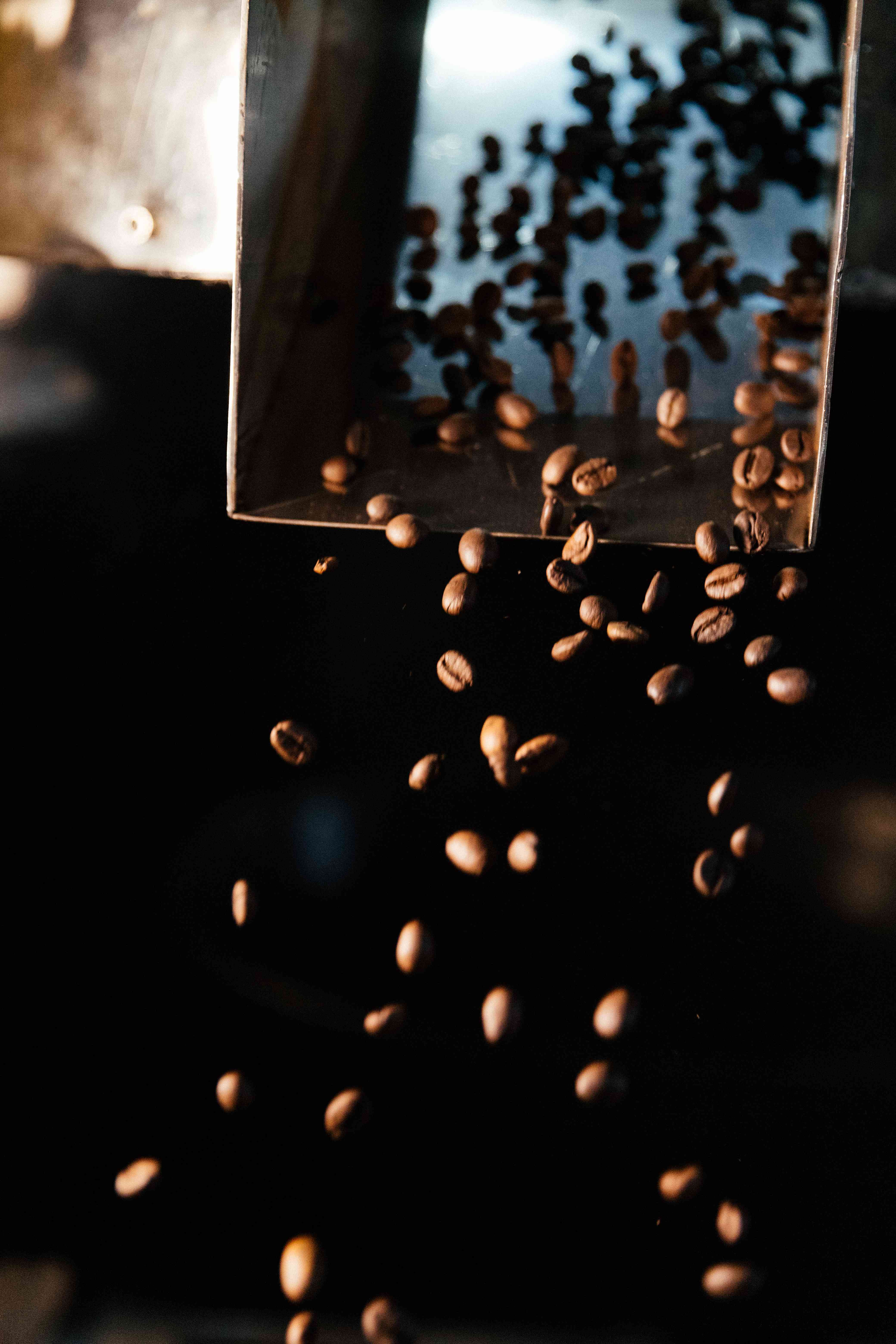
Bức xạ nằm ở đâu trong bức tranh
Bức xạ là một cơ chế truyền năng lượng khác, xảy ra khi vật nóng phát năng lượng điện từ và vật khác hấp thụ. Trong máy rang, bức xạ có thể góp phần vào cân bằng nhiệt, đặc biệt ở những bề mặt có nhiệt độ cao. Tuy nhiên, phạm vi bài này tập trung vào dẫn nhiệt và đối lưu. Nhìn thêm bức xạ giúp tránh mô hình hóa quá trình rang như chỉ có hai cơ chế tuyệt đối tách biệt.
Ý nghĩa thực tế khi phân tích máy rang
Khi đánh giá một máy rang, không nên hỏi máy “dùng dẫn nhiệt hay đối lưu” như hai lựa chọn loại trừ nhau. Câu hỏi hữu ích hơn là nhiệt được truyền qua những đường nào, đường nào có thể điều khiển, luồng khí ảnh hưởng ra sao và hạt nhận nhiệt trong điều kiện nào. Cách nhìn này phù hợp hơn với thực tế vì mọi máy đều có sự kết hợp của nhiều cơ chế truyền nhiệt.
Không nên gán hương vị cho một cơ chế duy nhất
Mùi và vị của cà phê là kết quả của hàng loạt biến đổi hóa học và vật lý. Không có cơ sở để nói rằng một cơ chế truyền nhiệt đơn lẻ tự động tạo ra một hương vị cố định. Cách tiếp cận chính xác hơn là mô tả điều kiện nhiệt mà cơ chế đó tạo ra và liên hệ với dữ liệu rang.
Đối lưu phụ thuộc vào dòng khí
Dòng khí nóng tạo trao đổi nhiệt trên bề mặt hạt. Khi lưu lượng hoặc hướng dòng khí thay đổi, điều kiện truyền nhiệt và khả năng mang hơi ẩm ra khỏi khối hạt cũng thay đổi. Vì vậy, hệ thống khí vừa liên quan đến năng lượng vừa liên quan đến môi trường khí trong buồng rang.
Dẫn nhiệt phụ thuộc vào tiếp xúc
Khi hạt tiếp xúc với bề mặt nóng, nhiệt có thể truyền trực tiếp vào vùng tiếp xúc rồi lan vào bên trong. Mức truyền không chỉ phụ thuộc nhiệt độ bề mặt mà còn phụ thuộc diện tích tiếp xúc và thời gian tiếp xúc. Vì hạt liên tục chuyển động, điều kiện này thay đổi theo từng khoảnh khắc.
Góc nhìn bổ sung
Tại sao không thể tách hai cơ chế tuyệt đốiTrong một máy rang thực tế, hạt chuyển động liên tục và tiếp xúc với cả bề mặt kim loại lẫn dòng khí. Nhiệt từ nguồn gia nhiệt truyền qua nhiều lớp của hệ thống rồi mới đến hạt. Khi luồng khí thay đổi, trạng thái nhiệt của bề mặt và tốc độ trao đổi với hạt cũng thay đổi. Khi tốc độ chuyển động của hạt thay đổi, thời gian tiếp xúc với bề mặt cũng thay đổi. Vì vậy, dẫn nhiệt và đối lưu là hai cách mô tả đường truyền năng lượng, không phải hai chế độ máy hoàn toàn tách biệt. Phân tích tốt cần xem cả hai và chỉ sử dụng bức xạ để hoàn thiện cân bằng nhiệt khi cần. Điều này cũng tránh một sai lầm phổ biến: gán trực tiếp một đặc tính cảm quan cho một cơ chế truyền nhiệt mà không có dữ liệu trung gian về nhiệt độ, thời gian và quá trình hóa học.
Điểm cần lưu ý
Trong máy rang tang trống, tốc độ quay cũng ảnh hưởng thời gian hạt tiếp xúc với bề mặt và mức trộn của khối hạt. Khi khối hạt được đảo đều hơn, điều kiện nhận nhiệt của từng hạt có thể đồng đều hơn. Nhưng đây vẫn là một phần của tổng thể cơ học, khí động và nhiệt, không nên quy thành một cơ chế truyền nhiệt riêng.
Một lớp dữ liệu bổ sung
Trong điều kiện thực tế, luồng khí còn mang theo hơi ẩm và các sản phẩm bay hơi ra khỏi hạt. Vì vậy, thay đổi luồng khí không chỉ thay đổi truyền nhiệt mà còn thay đổi môi trường quanh hạt. Đây là lý do phân tích máy rang cần nhìn đồng thời nhiệt, khí động và chuyển động của hạt.
Conduction and convection describe two different ways energy reaches a coffee bean, but they should not be treated as two mutually exclusive roasting modes. Conduction transfers energy through physical contact between materials. Convection transfers energy through moving air. In a working coffee roaster, the bean is usually exposed to both at the same time, while radiation adds another pathway to the overall energy balance.
Two Different Heat-Transfer Paths
Conduction occurs when a bean contacts a surface that is at a different temperature. Energy crosses the contact region and then spreads through the bean. Convection occurs when hot air moves around the bean, transferring energy from the air to the bean surface and then inward.
The distinction is useful because the two pathways respond to different machine conditions. Contact depends on surface temperature, contact area, contact time, material properties, and bean movement. Convection depends on air temperature, airflow, flow direction, and the efficiency of heat exchange between the air and the coffee.
Neither mechanism should be assumed to dominate simply because a machine has a particular name. The actual balance depends on how the machine is built and how it is operated.
Conduction in a Drum Roaster
In a drum roaster, beans periodically touch the heated drum wall and other hot surfaces. During those contacts, energy can move directly into the beans. The amount of energy transferred depends on the temperature difference and the physical conditions at the contact point.
Because the beans are continuously moving, the contact is not constant. Drum speed changes how frequently beans encounter the hot surface and how long individual contacts may last. The distribution of the coffee bed also affects how evenly different beans experience these contacts.
It would be inaccurate to conclude that a drum-roasted coffee receives all of its heat from the metal surface. Beans move through the hot air environment as well, and convection can contribute substantially to the overall energy received.
Convection Changes with Airflow
Convection becomes especially visible when airflow is changed. Hot air moving through the coffee bed transfers energy to the bean surfaces while also carrying moisture and volatile compounds away from the roasting chamber. This dual role matters.
Increasing or decreasing airflow changes the thermal environment and the composition of the air around the beans. It is therefore misleading to describe a fan adjustment simply as “adding heat” or “removing heat.” The actual response depends on air temperature, burner input, chamber pressure, machine design, and the interaction among all of these variables. In fluid-bed roasters, convection can account for a particularly large share of heat transfer.
In drum systems, its relative contribution varies with airflow and design. The same airflow percentage on two machines therefore does not necessarily represent the same physical condition.
Why the Bean Experiences Both
A bean does not experience heat-transfer mechanisms as separate categories. Its surface can receive energy through contact and moving air while radiation reaches it from hot surfaces. At the same time, heat moves from the outside toward the interior of the bean.
As bean temperature, airflow, drum speed, and heat input change, the relative importance of these pathways can change as well. This is one reason that a roasting curve is a record of system behavior rather than a direct picture of every physical process inside every bean. The practical consequence is that two machines displaying similar temperatures can produce different heating behavior.
Their geometry, airflow, thermal mass, and contact conditions may be different even when the numerical settings look similar.
The Role of Radiation
Radiation provides a third pathway. Hot surfaces emit thermal energy that can be absorbed by the beans without direct contact. Radiation is not the focus of a conduction-versus-convection comparison, but leaving it out completely can create an oversimplified picture of the roasting environment.
The contribution of radiation depends on surface temperature, geometry, distance, and materials. It is another reason why assigning a fixed percentage of heat to conduction or convection without considering the machine as a whole is unreliable.
What the Difference Means in Practice
The useful question for a roaster is not “Is this machine conductive or convective?” A better set of questions is: where is energy entering the system, which pathways can be influenced by the controls, how does airflow change the bean environment, and how does the coffee respond? Conduction is influenced by surface temperature and contact conditions. Convection is influenced by the moving-air system.
Drum speed affects contact and mixing. Airflow also affects moisture and volatile removal. These variables interact, so a control change should be evaluated through the resulting roast behavior rather than through a simplified label.
It is also important not to assign a specific flavor directly to conduction or convection. Cup character emerges from chemical reactions, moisture movement, structural change, and the complete thermal history of the coffee. The heat-transfer mechanism is part of that history, not a flavor switch.
A useful roasting log can therefore include airflow, drum speed, heat input, batch size, temperature signals, first crack, development time, roast color, and sensory results. Over multiple batches, this record can reveal how a particular machine responds to control changes. That machine-specific knowledge is more valuable than a generic claim that one mechanism is inherently better than another.
A useful way to apply the distinction is to observe what changes after a control adjustment. If airflow changes, both convective heat transfer and the removal of moisture and volatile compounds can change. If drum speed changes, contact and mixing conditions can change.
These responses should be read together rather than assigned to a single mechanism. The goal is not to identify a winner between conduction and convection, but to understand the combined conditions that produce a repeatable thermal history for the coffee. A consistent log can make those relationships visible over time, especially when the same coffee is roasted repeatedly on the same machine.
This makes later troubleshooting more precise and helps separate machine behavior from changes in the green coffee or roast objective.