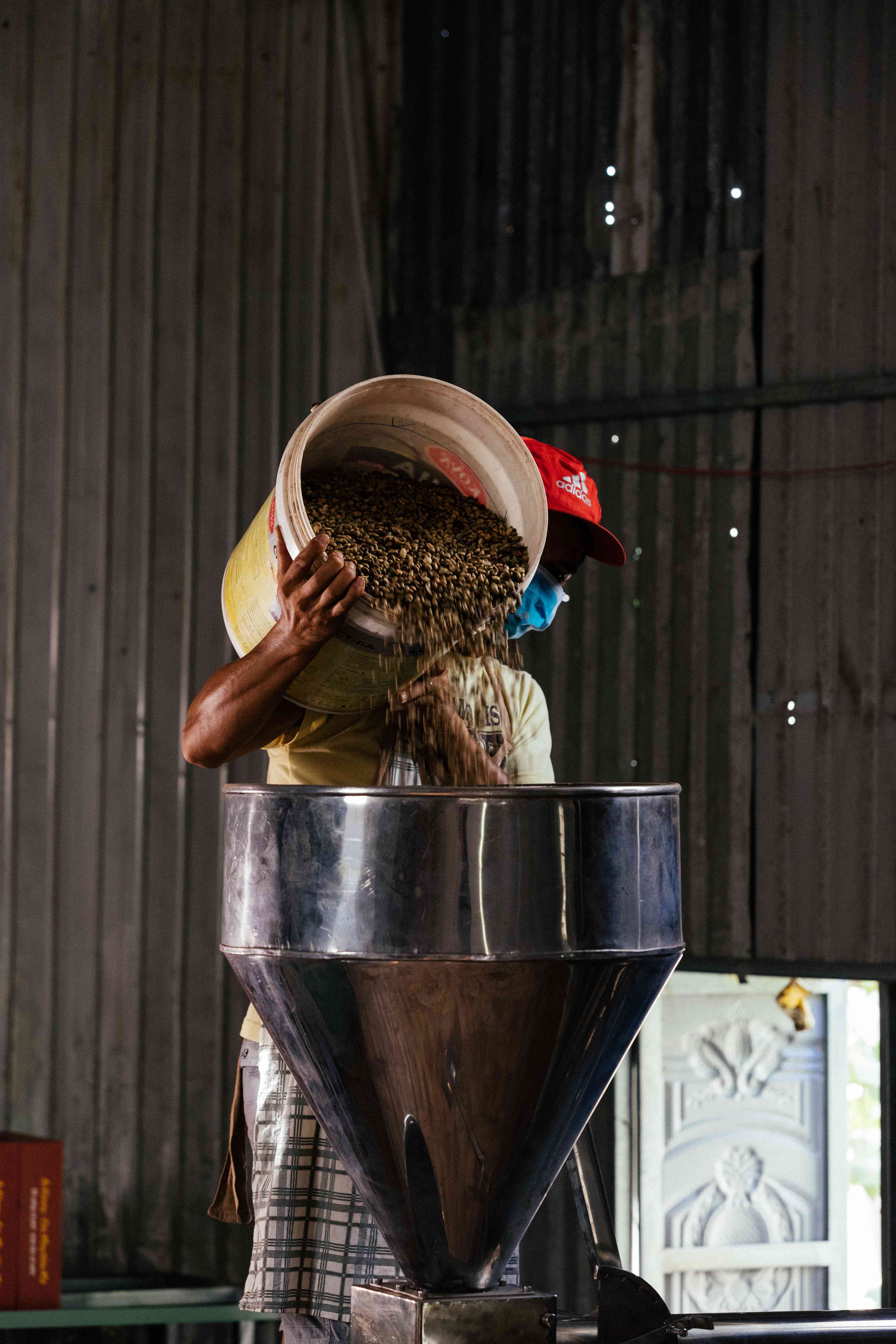
Nứt lần hai nằm ở đâu trong tiến trình rang?
Nứt lần hai là một mốc âm thanh và cấu trúc xuất hiện về sau trong quá trình rang, thường gắn với các mẻ rang từ vừa đậm đến đậm. Nó diễn ra sau nứt lần một và cho thấy hạt tiếp tục chịu biến đổi nhiệt đáng kể.
MTPak mô tả nứt lần hai thường xuất hiện ở vùng nhiệt độ cao hơn nứt lần một và gắn với sự thay đổi mạnh của hạt, trong đó dầu có thể di chuyển ra bề mặt và khói rang trở nên đậm hơn. Tuy nhiên, nhiệt độ cụ thể chỉ nên xem là tham khảo vì thiết bị, hạt và cách đo khác nhau.
Điều quan trọng là nứt lần hai không phải một “mức nhiệt chuẩn” áp dụng cho mọi máy. Nó là một hiện tượng cấu trúc xảy ra trong tiến trình rang khi áp suất và vật chất bên trong hạt tiếp tục biến đổi.
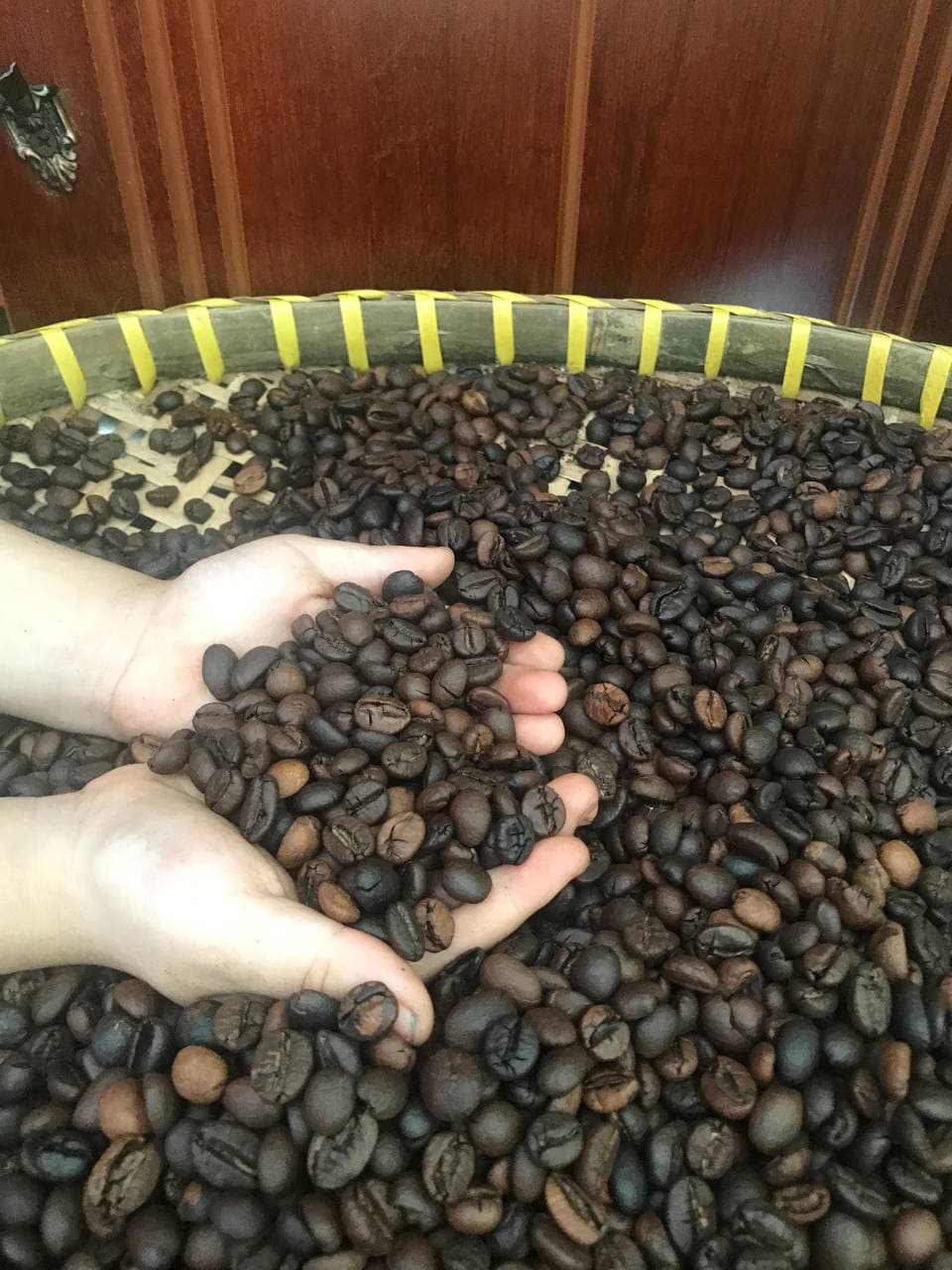
Điều gì xảy ra với khí và cấu trúc hạt trước nứt lần hai?
Trong quá trình rang, hạt mất nước, tạo khí và giãn nở. Cấu trúc bên trong trở nên rỗng hơn và giòn hơn. Nghiên cứu chụp cắt lớp cho thấy độ rỗng và kích thước lỗ tăng theo mức rang, đồng thời xuất hiện các vùng nứt khác nhau trong hạt.
Sau nứt lần một, hạt chưa dừng biến đổi. Nhiệt tiếp tục làm thay đổi thành phần hóa học, cấu trúc tế bào và khí bên trong. Khi áp suất nội tại cùng sức bền của vật liệu đạt điều kiện phù hợp, các vết nứt mới có thể hình thành.
Một điểm cần thận trọng là không nên coi khí carbon dioxide là yếu tố duy nhất được chứng minh cho mọi trường hợp. Nhiều mô tả thực hành gắn nứt lần hai với sự tích tụ và giải phóng khí, nhưng diễn biến thực tế phụ thuộc cấu trúc hạt và hồ sơ nhiệt.
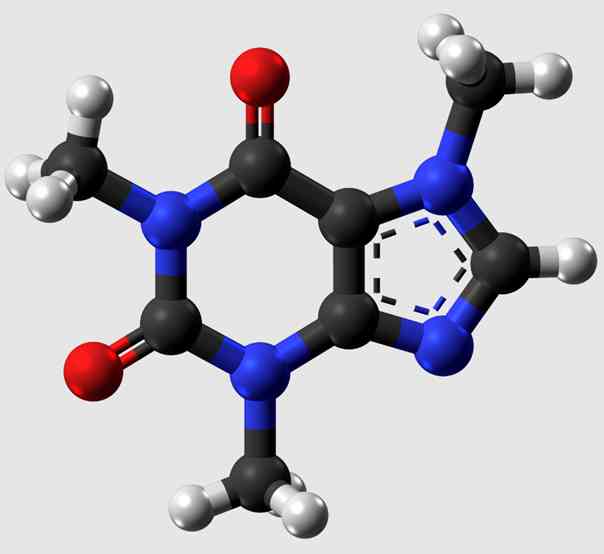
Vì sao âm thanh nứt lần hai khác nứt lần một?
Nứt lần một thường tạo tiếng nổ rõ và tương đối mạnh do sự giải phóng áp lực hơi nước và khí trong cấu trúc hạt. MTPak mô tả nứt lần một và nứt lần hai là hai mốc âm thanh khác nhau trong quá trình rang; nứt lần hai xảy ra muộn hơn khi hạt đã phát triển sâu hơn.
Âm thanh không chỉ phụ thuộc vào nhiệt độ. Kích thước hạt, độ ẩm ban đầu, cấu trúc tế bào và tốc độ gia nhiệt ảnh hưởng cách áp suất tích tụ và giải phóng. Vì vậy, người rang có thể nghe hai mẻ cùng loại hạt nhưng âm thanh không hoàn toàn giống nhau.
Đặc biệt, không nên dùng một tiếng nổ đơn lẻ để xác nhận toàn bộ mẻ đã bước vào nứt lần hai. Cần nghe chuỗi âm thanh và kết hợp với màu, mùi, tốc độ phát triển của hạt và đường cong nhiệt.
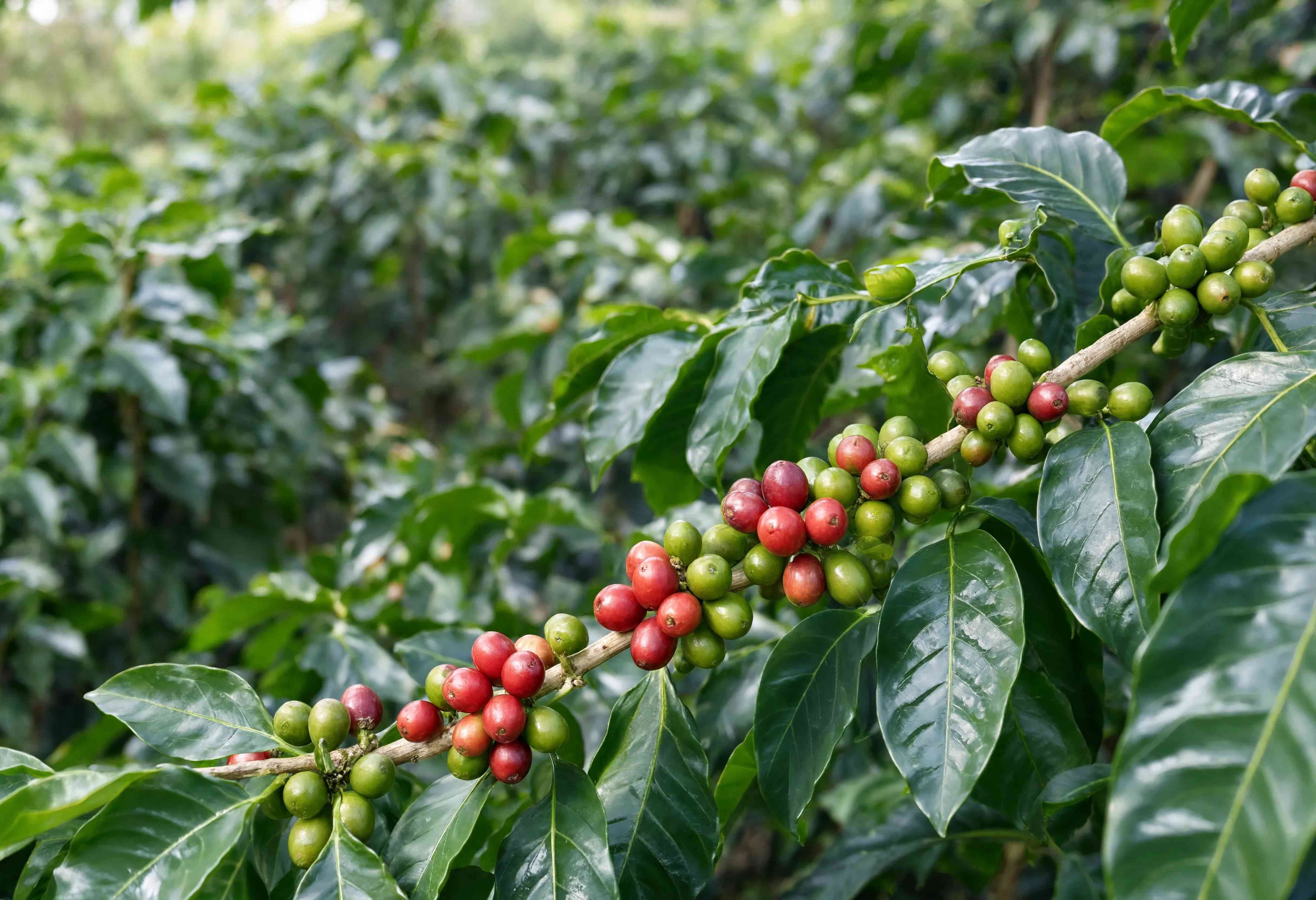
Dấu hiệu ngoại quan nào thường đi kèm?
Khi tiến gần nứt lần hai, hạt thường sẫm màu hơn và bề mặt có thể xuất hiện dầu, nhất là trong mẻ rang sâu. Khói rang cũng có thể đậm và mạnh hơn. MTPak mô tả dầu bắt đầu di chuyển ra bề mặt ở giai đoạn này và cảnh báo rằng nếu tiếp tục quá lâu, đặc tính khét và khói có thể lấn át hương vốn có của hạt.
Tuy nhiên, dầu trên bề mặt không phải dấu hiệu bắt buộc để xác định chính xác nứt lần hai. Mức dầu phụ thuộc giống, cấu trúc hạt, hồ sơ rang và thời gian sau rang. Có những hạt rang sâu nhưng bề mặt chưa thể hiện dầu rõ ngay lập tức.
Vì thế, ngoại quan nên được dùng cùng âm thanh và dữ liệu nhiệt thay vì làm tiêu chí duy nhất.
Những yếu tố khiến thời điểm nứt lần hai không cố định
Thời điểm nứt lần hai thay đổi theo hạt và thiết bị. Độ ẩm ban đầu, mật độ, kích thước hạt, cấu trúc vi mô, tốc độ gia nhiệt và cách truyền nhiệt đều có thể ảnh hưởng. Nghiên cứu vi cấu trúc cho thấy các hạt từ những vùng nguồn gốc khác nhau có sự khác biệt về độ rỗng và mức độ nứt khi rang.
Do đó, một nhiệt độ được ghi nhận ở máy này không nên được biến thành mốc cứng cho máy khác. Cũng không nên lấy “nứt lần hai ở khoảng X độ” làm quy tắc duy nhất để quyết định kết thúc mẻ.
Cách thực hành chắc chắn hơn là dùng nhiều tín hiệu: tiếng nứt, tốc độ thay đổi màu, mùi khói, độ phát triển của hạt và đường cong nhiệt. Nứt lần hai là một mốc hữu ích để đọc tiến trình rang, nhưng không phải một chiếc đồng hồ chính xác áp dụng cho mọi loại cà phê.
Trong ghi chép mẻ rang, nên đánh dấu nứt lần hai bằng thời điểm và điều kiện của chính máy đang sử dụng. Nếu đổi loại hạt hoặc thay đổi lượng mẻ, không nên sao chép nguyên mốc cũ. So sánh nhiều mẻ sẽ có giá trị hơn một con số tham khảo trên tài liệu phổ thông, vì nó phản ánh cách thiết bị và nguyên liệu thực sự tương tác trong điều kiện sản xuất.
Ngoài âm thanh, người rang có thể theo dõi tốc độ thay đổi màu và mùi để tránh phụ thuộc vào một dấu hiệu duy nhất. Khi hạt tiến sâu vào vùng rang, tốc độ biến đổi thường nhanh hơn và khoảng thời gian từ khi nhận ra dấu hiệu đến khi cần kết thúc mẻ có thể ngắn. Vì vậy, nứt lần hai nên được xem như một mốc cảnh báo để tăng mức độ quan sát, không phải một mục tiêu bắt buộc của mọi mẻ rang.
Second crack is a later landmark in the roasting process and is most often associated with medium-dark to dark roasting. It occurs after first crack, when the bean has already undergone substantial expansion, gas formation, structural weakening, and chemical transformation. Because the exact timing depends on the coffee and the roasting system, second crack should be treated as an observed event rather than a universal temperature setting.
Where Second Crack Fits in the Roast
First crack marks an earlier phase of structural fracture. After that event, the bean continues to lose moisture, develop gases, darken, and become more porous and brittle. If heat exposure continues far enough, another sequence of audible structural events can appear.
This is commonly called second crack. MTPak describes second crack as occurring at a higher thermal stage than first crack and associates it with deeper physical change, including the possibility of oil moving toward the surface and smoke becoming more pronounced. The temperature at which this happens should be treated as a reference rather than a fixed rule because the roaster, probe, bean characteristics, batch size, and airflow all influence the observed value.
The important point is that second crack is not simply “the temperature for dark roast.” It is a physical event arising from continued changes inside the bean. The same nominal temperature does not guarantee the same structural condition across different coffees or machines.
Gas and Structure Before Second Crack
During roasting, the bean loses water, generates gases, expands, and develops a more open internal structure. Research using X-ray imaging has shown that pore volume and pore size change substantially with roast development, while different fracture patterns can emerge as the material becomes more brittle. First crack does not stop these processes.
Heat continues to alter chemical composition, cell-wall structure, and the gases contained within the bean. As internal pressure and the strength of the material move through changing conditions, additional fractures can occur. It is useful to be cautious about claims that assign second crack to carbon dioxide alone.
Carbon dioxide is an important roasting gas, but the behavior of a real coffee bean reflects several gases, structural changes, and thermal reactions. The exact mechanism cannot be reduced to one substance or one temperature.
Why the Sound Differs from First Crack
First crack is often described as relatively clear and energetic because pressure is released as the bean fractures and gases escape. Second crack occurs later, after the bean has developed further and its structure has changed again. The sound can therefore be perceived as finer, sharper, or more continuous, although the exact acoustic character varies with the coffee and roast conditions.
Sound is not controlled by temperature alone. Bean size, initial moisture, cellular structure, heating rate, airflow, and the degree of development all influence how pressure accumulates and is released. Two batches of the same coffee can therefore sound different if their thermal histories are different.
A single pop should not be used as proof that an entire batch has entered second crack. A more reliable observation combines the sequence of sounds with color, aroma, smoke, bean appearance, roast curve, and the speed of change around that point.
Visual Signs Around Second Crack
As the roast approaches second crack, beans generally become darker. Surface oil may become visible, especially as the roast moves deeper, and smoke can become heavier. These observations are useful signals, but none should be treated as mandatory proof.
Surface oil is influenced by variety, bean structure, roast profile, and time after roasting. Some deeply roasted coffees may not show obvious oil immediately, while other beans can show surface oil under conditions that do not correspond neatly to one universal crack temperature. For that reason, visual appearance works best as part of a group of observations.
The roaster should consider sound, color development, aroma, smoke, time, and thermal data together rather than using oiliness as the sole criterion.
Why the Timing Is Not Fixed
The timing of second crack changes with the green coffee and the roasting system. Initial moisture, density, bean size, microstructure, heating rate, heat-transfer characteristics, airflow, and batch size can all affect the point at which the event is observed. This is why a temperature recorded on one machine should not automatically become a fixed target on another.
The same warning applies when the batch size or green coffee changes. A number copied from an earlier roast may describe the earlier system accurately while being misleading in a new one. A stronger approach is to record second crack as an event with its own context: elapsed time, measured temperatures, rate of rise, airflow, batch size, green coffee identity, and visual and acoustic observations.
Repeated records from the same system become more useful than an isolated number taken from general roasting literature.
How to Use Second Crack in Roast Logging
Second crack is not a mandatory destination for every roast. Its usefulness depends on the roast objective. For a coffee intended to preserve brighter characteristics, reaching this stage may be outside the target.
For a darker roast, the event can provide information about how far development has progressed and how quickly the coffee is moving toward heavier roast characteristics. When a roast approaches second crack, the pace of change can become more consequential. The roaster may have less time to respond to a change than earlier in the batch.
Recording the event precisely can therefore help build a machine-specific reference for future production. The most dependable interpretation is to treat second crack as a late-stage physical signal, not as a universal temperature or quality score. It becomes meaningful when combined with the roast curve, bean appearance, aroma, smoke, and the intended sensory result.
That approach respects the variability of coffee while still giving the roaster a practical landmark for controlling deeper development. A useful operational distinction is that second crack describes what the bean is doing, not what the finished coffee must taste like. The same late-stage event can lead to different cup results depending on the green coffee and the preceding roast path.
Logging the event therefore works best as a way to build a reference for one machine and one class of coffees. Over time, the roaster can compare the sound, timing, color, smoke, and sensory outcome and learn how quickly the batch moves once deeper development begins.