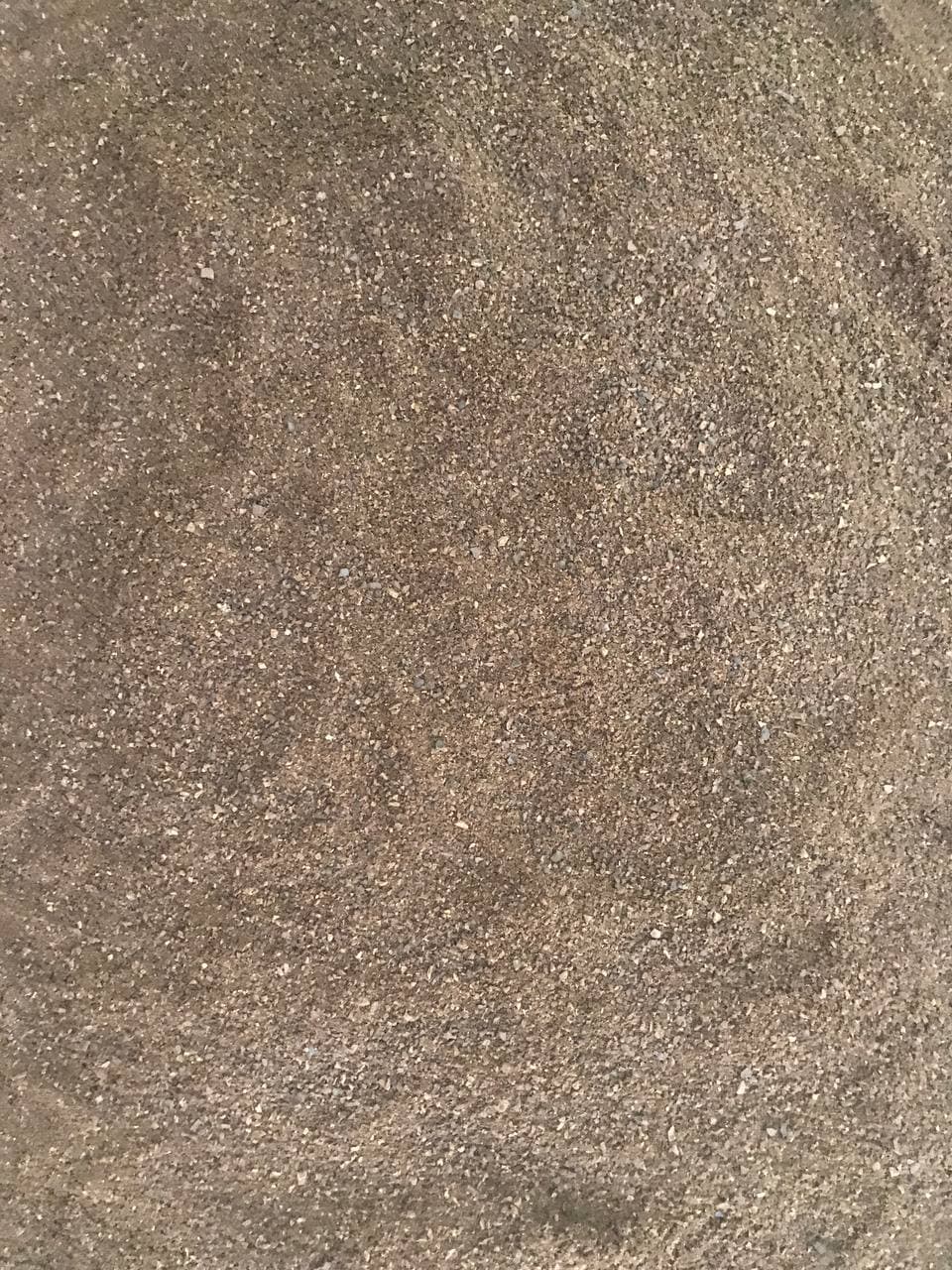
Hạt cà phê rang ban đầu là một cấu trúc liên tục với các vùng tế bào và khoảng rỗng. Khi xay, lực cơ học phá vỡ cấu trúc đó thành nhiều mảnh. Các mảnh không có cùng kích thước hay hình dạng, vì vậy sản phẩm xay phải được nhìn như một quần thể hạt có phân bố kích thước chứ không phải một kích thước duy nhất.
Cơ chế phá vỡ làm thay đổi cấu trúc
Dao xay tạo lực nén, cắt và bẻ gãy lên hạt. Tùy cấu trúc hạt, độ giòn và hình học bộ dao, quá trình phá vỡ tạo ra các mảnh lớn, mảnh nhỏ và phần rất mịn. Đây là lý do hai mẻ có cùng mức chỉnh xay danh nghĩa vẫn có thể có phân bố hạt khác nhau.
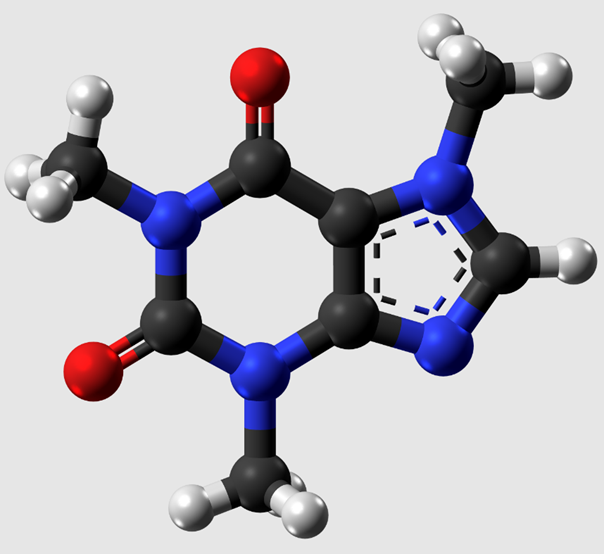
Kích thước và hình dạng ảnh hưởng quá trình pha
Kích thước nhỏ làm tăng tỷ lệ diện tích bề mặt trên một đơn vị khối lượng, nhưng kích thước không phải biến duy nhất. Hình dạng, bề mặt gãy và cấu trúc bên trong cũng ảnh hưởng cách nước tiếp xúc với vật liệu. Vì vậy, một con số trung vị chỉ mô tả một phần của quần thể hạt.
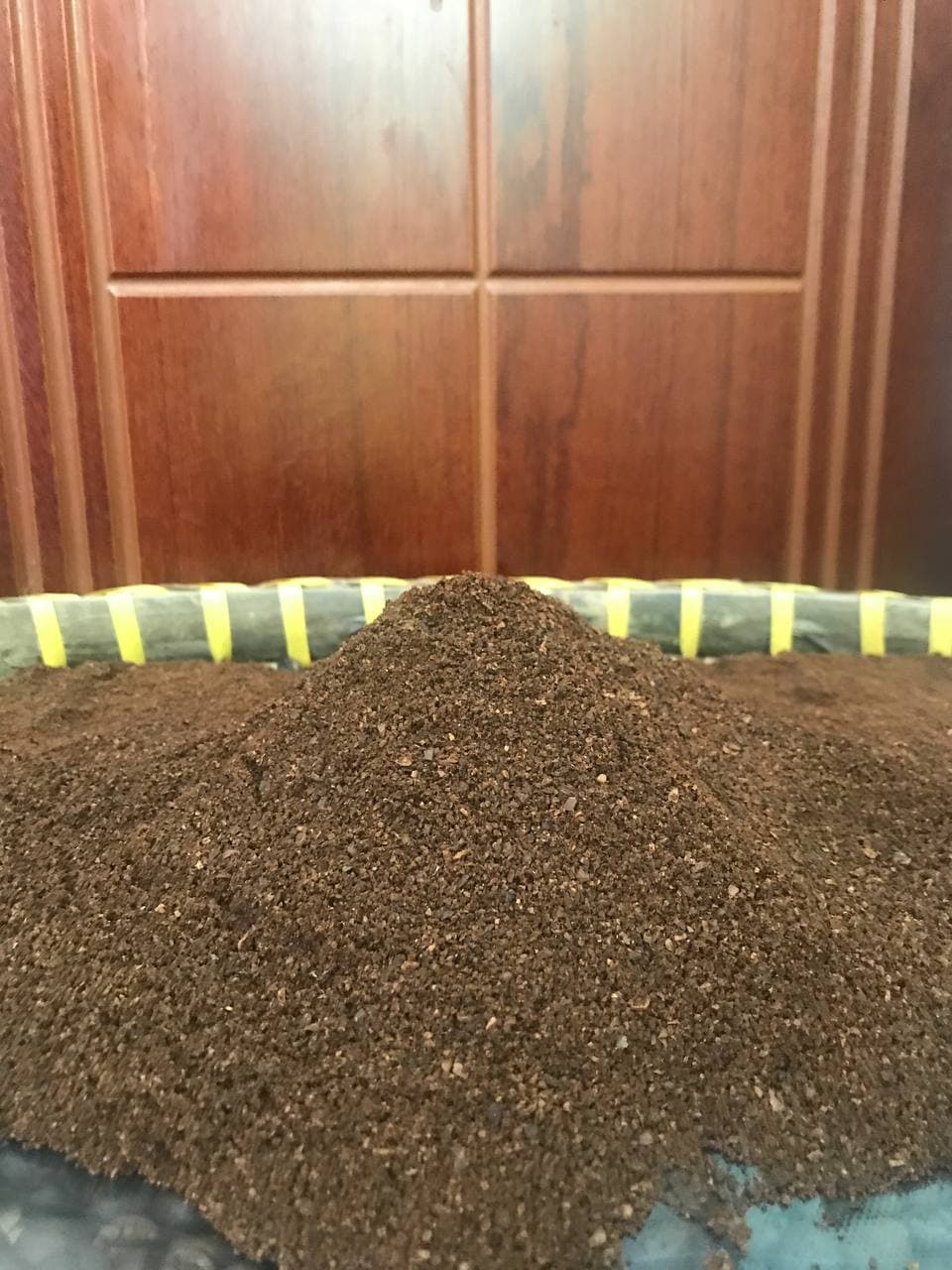
Phân bố kích thước liên quan đến dòng nước
Một lớp cà phê gồm nhiều kích thước hạt có độ rỗng và đường đi của nước khác một lớp gồm các hạt gần đồng đều. Hạt rất mịn có thể lấp khoảng trống giữa các hạt lớn và làm giảm độ thấm. Nghiên cứu trên Scientific Reports cho thấy tỷ lệ hạt dưới 100 micromet có liên hệ đáng kể với độ thấm của lớp cà phê và tốc độ dòng trong chiết xuất espresso.

Vì sao cùng cỡ xay danh nghĩa vẫn khác nhau
Một núm chỉnh xay chỉ xác định vị trí tương đối của bộ dao, không xác định hoàn toàn phân bố hạt cuối cùng. Loại dao, độ sắc, tốc độ quay, đặc tính hạt và điều kiện vận hành đều có thể thay đổi kết quả. Vì vậy, đánh giá một mẻ xay bằng một con số duy nhất dễ bỏ qua phần đuôi của phân bố và tỷ lệ hạt rất mịn.
Giới hạn khi liên hệ xay với phương pháp pha
Phân bố kích thước ảnh hưởng điều kiện vật lý của lớp cà phê và động học chiết xuất, nhưng không thể từ đó suy ra một cỡ xay “đúng” cho mọi phương pháp. Công thức pha, thiết bị, áp suất, tỷ lệ nước và thời gian đều tương tác với phân bố hạt. Cách tiếp cận phù hợp là xem kích thước và phân bố như những biến vật lý cần đo và hiểu, thay vì biến bài thành hướng dẫn chỉnh máy xay.
Xay không tự quyết định kết quả pha
Xay thay đổi vật liệu đầu vào cho quá trình chiết xuất, nhưng kết quả cuối còn phụ thuộc nước, nhiệt độ, áp suất, thời gian và cấu hình thiết bị. Vì vậy, mối liên hệ giữa cấu trúc hạt sau xay và đồ uống phải được hiểu trong đúng điều kiện thử nghiệm.
Phân bố quan trọng hơn một con số
Một mẻ xay có thể chứa hạt lớn, hạt trung bình và hạt rất mịn cùng lúc. Nếu chỉ báo cáo một giá trị trung vị, phần hạt mịn có thể bị che khuất. Nghiên cứu espresso năm 2024 cho thấy tỷ lệ hạt dưới 100 micromet có khả năng giải thích thời gian chiết xuất tốt hơn khi kết hợp với kích thước trung vị.
Bề mặt hạt thay đổi mạnh sau khi xay
Một hạt rang nguyên vẹn có diện tích bề mặt tương đối nhỏ so với tổng diện tích sau khi bị phá thành nhiều mảnh. Các bề mặt gãy mới xuất hiện làm thay đổi khả năng tiếp xúc với nước và tốc độ trao đổi chất. Nhưng những bề mặt này không giống nhau về cấu trúc, nên cùng kích thước chưa chắc có cùng hành vi.
Góc nhìn bổ sung
Từ cấu trúc vật liệu đến hành vi của lớp cà phêSau khi xay, các mảnh hạt tạo thành một lớp có nhiều khoảng rỗng. Kích thước và hình dạng của từng mảnh quyết định cách các mảnh xếp cạnh nhau. Khi có nhiều hạt mịn, một phần khoảng rỗng có thể bị lấp, làm thay đổi đường đi của nước. Vì vậy, xay thay đổi không chỉ diện tích bề mặt mà cả cấu trúc hình học của lớp cà phê. Nghiên cứu về hạt mịn trong espresso cho thấy ảnh hưởng này có thể thể hiện rõ ở độ thấm và tốc độ dòng. Đây là mắt xích quan trọng giữa thao tác cơ học và quá trình chiết xuất. Tuy nhiên, không nên suy rộng kết quả của một điều kiện espresso sang mọi phương pháp pha. Mối liên hệ giữa PSD và chiết xuất luôn phụ thuộc hệ thống nước, áp suất, thời gian và cách lớp cà phê được hình thành.
Điểm cần lưu ý
Một điểm cần tránh là đồng nhất kích thước với độ hòa tan. Hạt nhỏ thường có diện tích bề mặt lớn hơn, nhưng vật liệu bên trong hạt, cấu trúc bề mặt và đường đi của nước vẫn ảnh hưởng quá trình. Vì vậy, kích thước là một mắt xích quan trọng nhưng không phải lời giải duy nhất cho mọi khác biệt trong chiết xuất.
Một lớp dữ liệu bổ sung
Khi các mảnh hạt được đóng thành lớp, hình dạng không đều cũng làm thay đổi cách chúng tiếp xúc. Những cạnh gãy và bề mặt gồ ghề có thể tạo các đường đi khác nhau cho nước. Vì vậy, mô tả cấu trúc sau xay bằng kích thước בלבד là chưa đủ; hình dạng và bề mặt cũng cần được đặt trong bối cảnh.
Ghi chú cuối
Đây là lý do hình dạng hạt cũng cần được xem xét.
Grinding changes coffee from a relatively continuous roasted structure into a population of fragments with different sizes and shapes. That physical transformation matters because the new surfaces are exposed to water during brewing, while the distribution of particles determines how water moves through a bed of coffee. For that reason, grind size should be understood as a distribution and a structural change, not simply as one number on a grinder dial.
From One Intact Bean to a Particle Population
A roasted coffee bean begins as a connected cellular structure containing pores and internal regions with different mechanical properties. Grinding applies mechanical forces that fracture this structure into many pieces. The resulting particles are not identical in size or shape, so a ground coffee sample is better described as a population than as a single particle size.
This distinction matters because two batches made at the same nominal grinder setting can still produce different particle distributions. Bean structure, roast degree, burr geometry, burr condition, rotation speed, and operating conditions can all influence the fracture process. The grinder setting therefore describes the relative position of the burrs or cutting elements.
It does not completely describe the material that comes out.
How Fracture Changes the Material
Grinding applies combinations of compression, shear, and fracture. The balance depends on the mechanical properties of the roasted bean and the geometry of the grinding system. Some regions break into relatively large pieces, others create smaller particles, and a fraction can become very fine.
The new fracture surfaces are important because they increase the area available for contact with water. But surface area is not the only change. The fragments also form a new geometric structure when they are packed into a brewing bed.
This means that grinding changes both the material itself and the physical environment through which brewing water must travel.
Why Size and Shape Both Matter
Smaller particles generally provide more surface area per unit mass, which can influence how quickly soluble material becomes available to water. Yet size alone does not determine extraction behavior. Particle shape, roughness, internal structure, and the geometry of fracture surfaces also influence how water interacts with the coffee.
A median particle size therefore describes only one part of the distribution. Two samples with similar median size can contain different proportions of very fine or very large particles and can consequently behave differently during brewing. This is one reason a grinder setting should not be treated as a complete measurement of grind quality.
Particle Distribution and Water Flow
A bed made from particles of many sizes has a different pore structure from a bed made from particles that are more uniform. Very fine particles can occupy spaces between larger fragments and increase resistance to water flow. Research on espresso has linked the fraction of particles below approximately 100 micrometers with permeability and flow behavior.
This creates an important interaction. Smaller particles can increase available surface area and potentially change dissolution kinetics, while an excess of very fine material can reduce permeability and alter the movement of water through the bed. The resulting extraction behavior is therefore not captured by the simple rule that “finer always extracts faster.” Fineness and permeability can influence the system in different directions at the same time.
Why the Same Grinder Setting Can Differ
A grinder dial or digital setting is not a direct measurement of particle-size distribution. Two grinders can be set to a similar relative position while producing different distributions because their burr geometry, alignment, wear, speed, and particle-breakage behavior are different. Even the same grinder can change over time.
Burr wear, coffee density, roast degree, feed rate, and operating temperature can influence the output. This is why meaningful comparison requires measuring the resulting coffee rather than assuming that the dial position defines the particles. A useful record can therefore include grinder identity, burr condition, setting, coffee identity, and, where appropriate, measured particle-size data.
Limits of Linking Grind Size to Brewing
Particle distribution affects the physical conditions of the coffee bed and the dynamics of extraction, but it does not establish one universally correct grind size for every brewing method. Water temperature, pressure, ratio, contact time, agitation, equipment geometry, and recipe all interact with the particle population. A result observed in espresso should therefore not automatically be generalized to pour-over, immersion, or another method.
The relevant relationship is always between the particle distribution and the complete brewing system in which it is used. This is also why grind size should not be confused with solubility. A small particle can present more surface area while still containing material whose extraction depends on internal structure and water access.
Why Grinding Alone Does Not Determine the Cup
Grinding changes the input material for extraction, but it does not determine the final beverage by itself. Water chemistry, temperature, pressure, time, brew ratio, equipment, agitation, and the original green and roasted coffee all contribute to the result. The useful conclusion is therefore not that one grind setting guarantees a flavor.
It is that grinding changes the physical structure of the coffee in predictable ways, and those changes interact with the rest of the brewing system. Understanding the particle population helps the brewer and roaster ask better questions: how broad is the distribution, how much fine material is present, how permeable is the bed, and how do those properties relate to the extraction conditions being used? That is a more rigorous way to connect grinding with brewing than relying on a single dial position or a single particle-size number.
The structural change caused by grinding also explains why particle-size measurements should be interpreted alongside the brewing bed. A sample may contain large fragments, intermediate particles, and a fine fraction at the same time. Those components do not interact with water in identical ways, and their packing arrangement changes the spaces through which water travels.
The important connection is therefore not simply “grind size to flavor,” but “fracture structure to surface access and permeability, then to extraction under defined brewing conditions.” Keeping that chain of reasoning intact avoids overclaiming what a grinder setting alone can tell us.