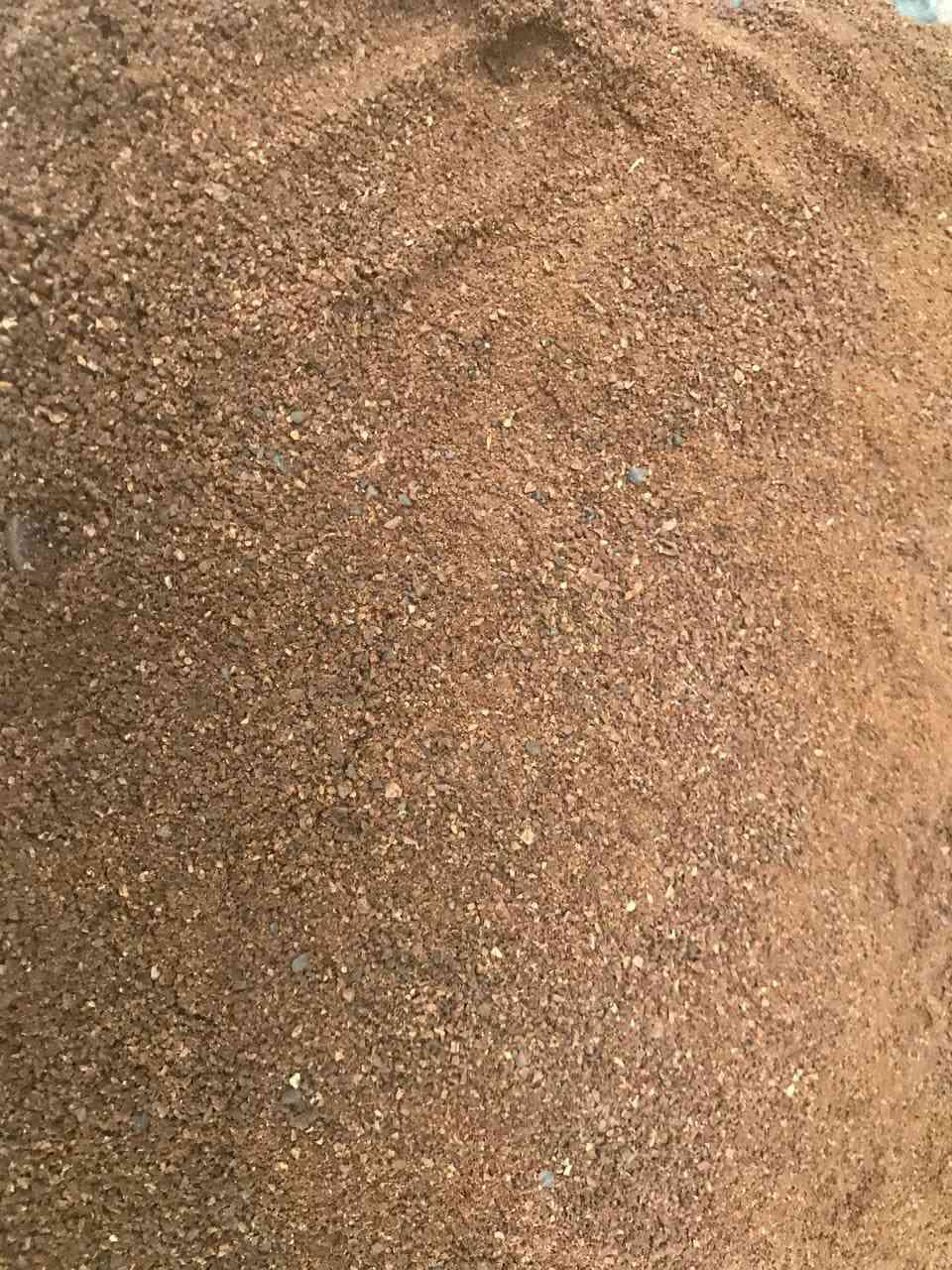
Hạt rất mịn là một phần của phân bố xay
Trong cà phê xay, hạt rất mịn là phần có kích thước nhỏ nằm ở đuôi của phân bố. Với espresso, nghiên cứu gần đây mô tả phân bố thường có dạng hai đỉnh và sử dụng tỷ lệ hạt dưới 100 micromet như một chỉ số để nghiên cứu phần rất mịn. Hạt mịn không phải một loại nguyên liệu riêng; chúng được tạo ra trong chính quá trình phá vỡ hạt rang.
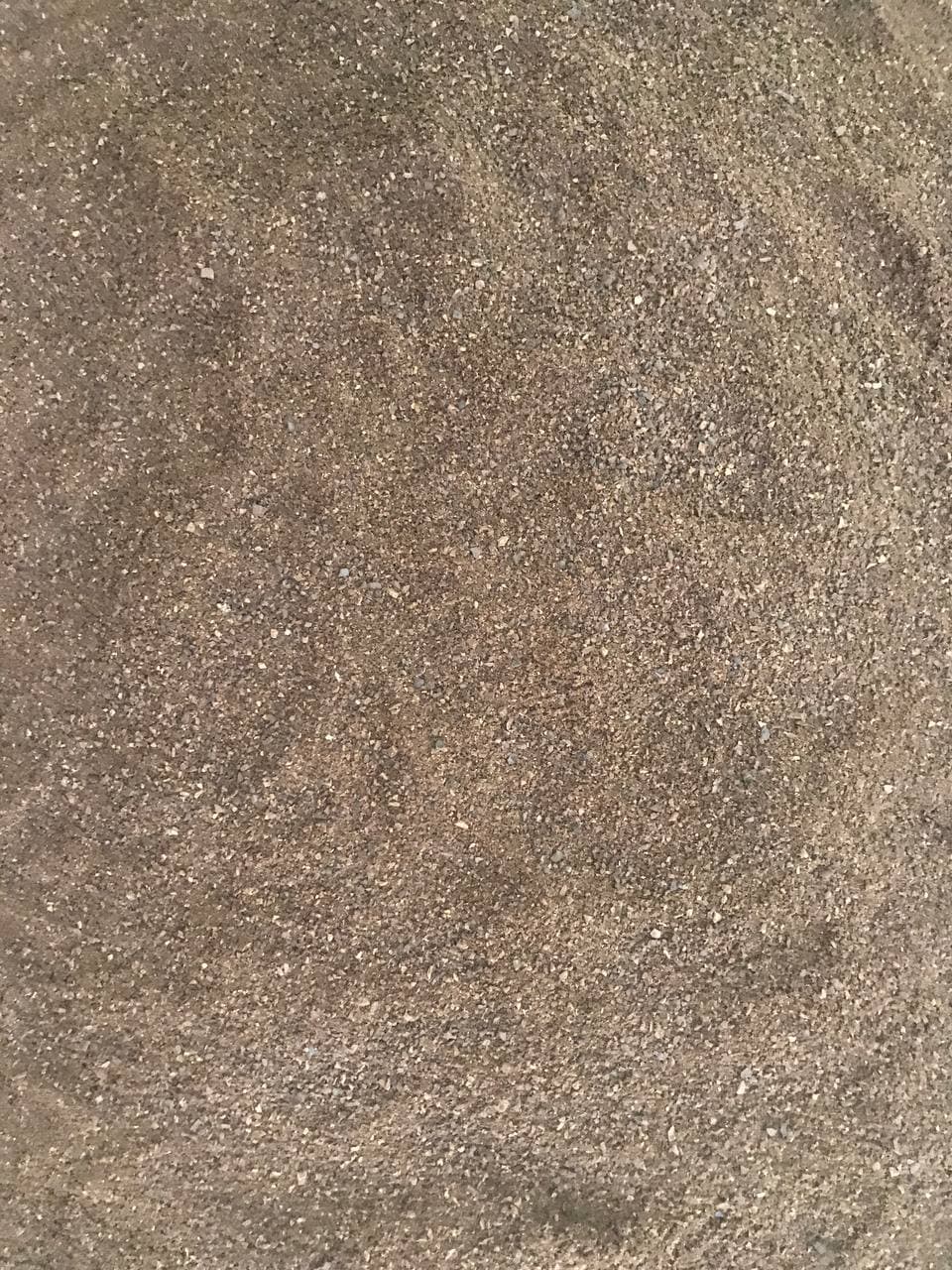
Vi cấu trúc hạt ảnh hưởng sự hình thành hạt mịn
Hạt rang có cấu trúc tế bào và các vùng vật liệu không hoàn toàn đồng nhất. Khi chịu lực, những vùng yếu hoặc những mảnh đã nhỏ có thể tiếp tục bị phá vỡ. Mức độ hình thành hạt mịn vì vậy phụ thuộc vào cấu trúc của hạt, trạng thái rang và cơ chế phá vỡ của máy xay.
Lực nén và cắt tạo phần hạt nhỏ
Bộ dao tạo ra nhiều dạng lực cùng lúc. Hạt có thể bị ép, cắt và bẻ gãy; một số mảnh sau lần phá vỡ đầu tiên tiếp tục đi qua vùng nghiền và trở thành hạt nhỏ hơn. Vì vậy, phần hạt mịn là kết quả của cả quá trình phá vỡ chứ không chỉ một lần cắt.

Hạt mịn làm thay đổi độ thấm và dòng chảy
Khi hạt mịn đi vào khoảng trống giữa các hạt lớn, chúng có thể làm giảm độ rỗng hữu hiệu và tăng sức cản dòng nước. Nghiên cứu Scientific Reports cho thấy tăng tỷ lệ hạt mịn làm giảm độ thấm của lớp cà phê, giảm tốc độ dòng và kéo dài thời gian chiết xuất espresso trong điều kiện nghiên cứu. Điều này không có nghĩa hạt mịn luôn “xấu”; nó cho thấy tỷ lệ của chúng là một biến vật lý quan trọng.
Máy xay và hạt cùng quyết định kết quả
Loại bộ dao, khoảng cách dao, tốc độ, lượng nạp và tình trạng dao đều có thể ảnh hưởng phân bố. Nhưng đặc tính của chính hạt cũng quan trọng. Hai loại cà phê hoặc hai trạng thái rang khác nhau có thể phản ứng khác nhau dưới cùng một điều kiện xay. Vì vậy, muốn so sánh lượng hạt mịn cần giữ các điều kiện thử nghiệm đủ tương đồng.
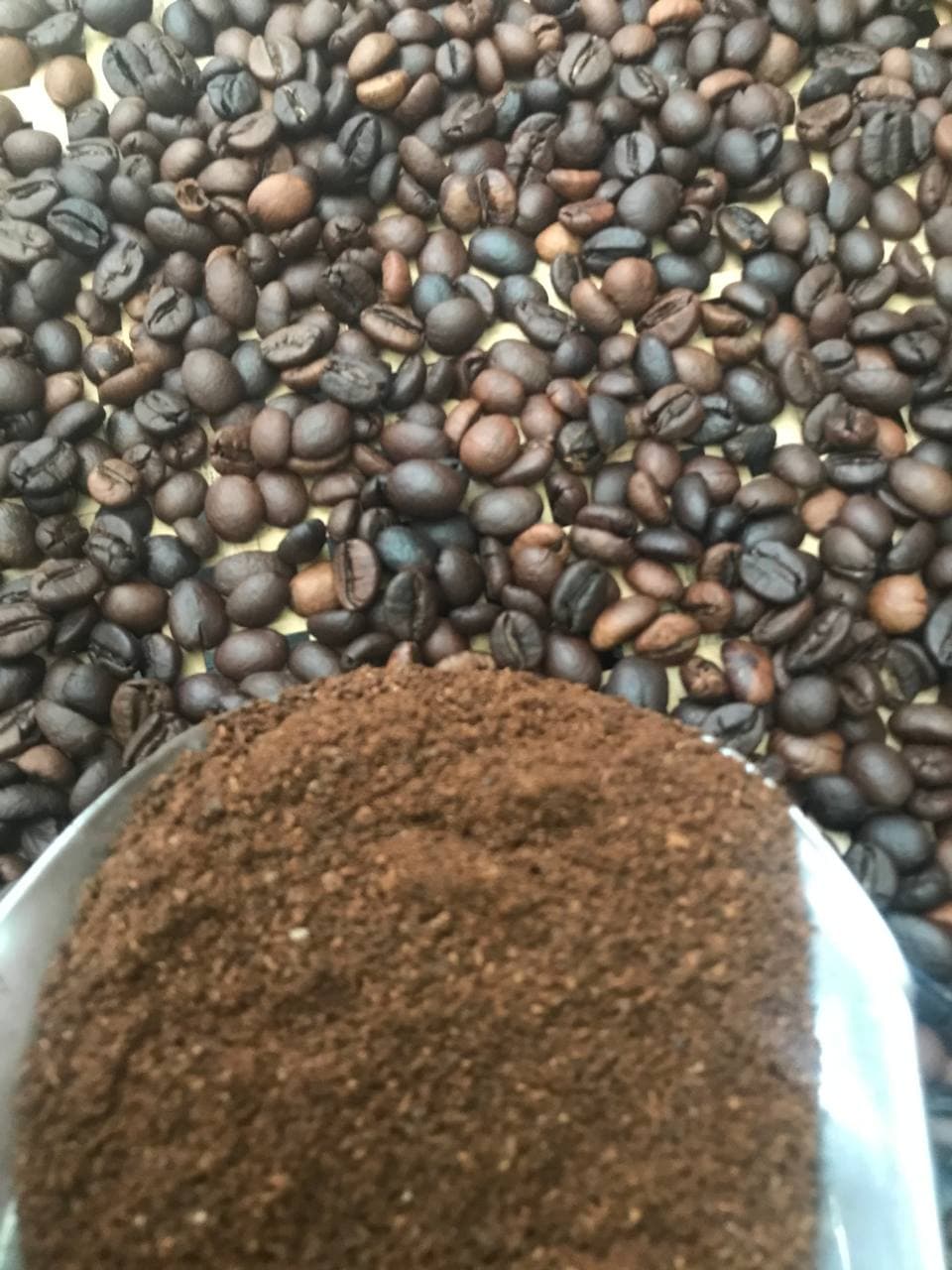
Có thể giảm hạt mịn ở cấp độ nguyên lý không
Ở cấp độ nguyên lý, có thể tác động vào cơ chế phá vỡ, hình học và khoảng cách dao, trạng thái hạt và điều kiện vận hành. Nhưng không có một cách đơn giản để loại bỏ hoàn toàn hạt mịn. Mục tiêu hợp lý hơn là kiểm soát phân bố trong một phạm vi phù hợp với phương pháp pha và duy trì sự ổn định giữa các lần xay. Cách đánh giá nên dựa trên dữ liệu phân bố thay vì chỉ dựa vào cảm giác bằng tay.
Đánh giá bằng dữ liệu thay vì cảm giác
Cảm giác giữa hai mẫu xay có thể khác nhau nhưng không cho biết chính xác tỷ lệ hạt mịn. Nếu mục tiêu là kiểm soát quy trình, nên sử dụng phép đo phân bố kích thước phù hợp và theo dõi cùng một phương pháp qua thời gian.
Kiểm soát hạt mịn là bài toán phân bố
Không thể đánh giá bằng cách tìm một mức hạt mịn bằng không. Một phần hạt mịn luôn có thể xuất hiện khi phá vỡ vật liệu giòn. Điều cần kiểm soát là tỷ lệ, độ ổn định và tác động của phần này trong điều kiện pha cụ thể.
Hạt mịn có thể làm thay đổi dòng chảy mạnh hơn kích thước trung vị
Nghiên cứu Scientific Reports năm 2024 cho thấy trong điều kiện thí nghiệm, tỷ lệ hạt dưới 100 micromet liên quan rõ với độ thấm và thời gian chiết xuất. Điều này giải thích tại sao hai mẻ có cùng kích thước trung vị vẫn có thể chạy nước khác nhau.
Cấu trúc hạt rang quyết định cách hạt vỡ
Quá trình rang làm thay đổi cấu trúc bên trong hạt, độ giòn và các khoảng rỗng. Khi xay, những đặc điểm này ảnh hưởng đường nứt và cách mảnh hạt tiếp tục bị phá vỡ. Vì vậy, lượng hạt mịn không chỉ là thuộc tính của máy xay.
Góc nhìn bổ sung
Không thể xem hạt mịn như lỗi tuyệt đốiHạt mịn là một phần tự nhiên của quá trình phá vỡ vật liệu giòn. Vấn đề nằm ở tỷ lệ và tác động của chúng trong hệ thống cụ thể. Trong espresso, nghiên cứu năm 2024 cho thấy tăng tỷ lệ hạt mịn làm giảm độ thấm và tốc độ dòng, nhưng không cho thấy rằng mọi lượng hạt mịn đều gây kết quả không mong muốn. Một lượng nhỏ có thể tồn tại trong mọi phân bố. Vì vậy, mục tiêu của kiểm soát xay là tạo một phân bố ổn định và phù hợp với yêu cầu chiết xuất, không phải theo đuổi một con số bằng không. Khi cần kiểm soát, nên theo dõi tỷ lệ hạt mịn cùng kích thước trung vị và độ rộng phân bố. Cách này phản ánh đúng hơn cơ chế mà nghiên cứu đã chỉ ra.
Điểm cần lưu ý
Các biện pháp ở cấp nguyên lý có thể gồm thay đổi điều kiện phá vỡ, kiểm soát trạng thái hạt và duy trì tình trạng bộ dao. Nhưng mỗi biện pháp đều có giới hạn. Giảm khoảng cách dao có thể làm thay đổi cả phần hạt chính và phần mịn, nên không thể coi đó là một nút điều khiển độc lập cho hạt mịn.
Một lớp dữ liệu bổ sung
Nếu mục tiêu là ổn định chất lượng, theo dõi xu hướng theo thời gian có giá trị hơn một lần đo riêng lẻ. Khi tỷ lệ hạt mịn tăng dần dưới cùng điều kiện, đó mới là tín hiệu đáng điều tra cùng tình trạng dao, hạt và quy trình xay.
Fines Are Part of the Ground-Particle Distribution
Fines are the small-particle tail of a ground-coffee distribution. In espresso work, distributions are often described as bimodal, and the fraction below about 100 micrometres has been used to study the very fine region. Fines are not a separate raw material; they are created as roasted beans fracture during grinding.
Bean Microstructure Influences Fine-Particle Formation
Roasted beans contain a cellular structure with regions that are not perfectly uniform. Under mechanical stress, weaker areas and already-small fragments can break again. Fine-particle formation therefore depends on bean structure, roast condition and the breakage mechanism of the grinder, not on one machine setting alone.
Compression and Shear Create Small Particles
Grinding produces several forms of mechanical loading at once. Particles can be compressed, sheared and fractured, while fragments from an initial breakage can pass through the grinding zone again and become smaller. Fines are consequently an outcome of the complete breakage sequence rather than a product of one cutting event.
Fines Change Permeability and Flow
When fines occupy the voids between larger particles, they can reduce effective porosity and increase resistance to water flow. A 2024 Scientific Reports study linked a higher fine fraction with lower permeability, lower flow and longer espresso extraction time under its experimental conditions. This does not make fines inherently defective; it makes their proportion an important physical variable.
The Grinder and the Bean Both Shape the Result
Burr type, burr spacing, rotational speed, feed rate and burr condition all influence the distribution, but the bean itself is equally important. Different coffees or roast states can respond differently to the same grinding conditions. Comparisons of fine fractions therefore require sufficiently comparable raw material and operating conditions.
Can Fines Be Reduced in Principle?
In principle, fines can be influenced through breakage mechanism, burr geometry and spacing, bean condition and operating conditions, but there is no simple way to eliminate them completely. A more realistic objective is to control the distribution within a range appropriate to the brewing method and keep it stable from one grind to the next.
Measure the Distribution Rather Than Relying on Feel
Hand feel can suggest that two ground samples differ, but it cannot quantify the fine fraction reliably. When the goal is process control, particle-size measurement using a consistent method provides evidence that can be followed over time and compared between operating conditions.
Fine-Particle Control Is a Distribution Problem
Fine-particle control is therefore a distribution problem, not a search for zero fines. Some fines are a natural consequence of breaking a brittle material. The useful variables are their proportion, stability and effect on flow and extraction under the specific brewing conditions.
Fines Can Affect Flow More Than the Median Size
The 2024 study indicates that the proportion of particles below 100 micrometres can be more strongly related to permeability and extraction time than the median alone. This helps explain why two batches with similar median size can still produce different flow behaviour during espresso extraction.
Roast Structure Determines How Beans Break
Roasting changes the internal structure, brittleness and void structure of the bean. Those changes affect crack formation and the way fragments break again during grinding. Fine production is therefore not simply a property of the grinder; it reflects the interaction between roasted material and grinding mechanism.
A Complementary View
Fines should not be treated as an absolute defect. They are a normal part of brittle-particle breakage, and the relevant issue is how much is present and what effect it has in the system. For espresso, higher fine fractions can reduce permeability and flow, but the evidence does not justify treating every amount of fines as undesirable.
A Practical Point to Watch
Principled interventions include changing breakage conditions, controlling bean state and maintaining burr condition, but each has limits. Reducing burr spacing can change both the main fraction and the fine tail, so it should not be treated as an independent fine-control knob.
An Additional Layer of Data
For quality stability, a time series is more informative than an isolated measurement. A gradual rise in fines under otherwise consistent conditions is a useful signal to investigate together with burr condition, bean properties and the grinding process.