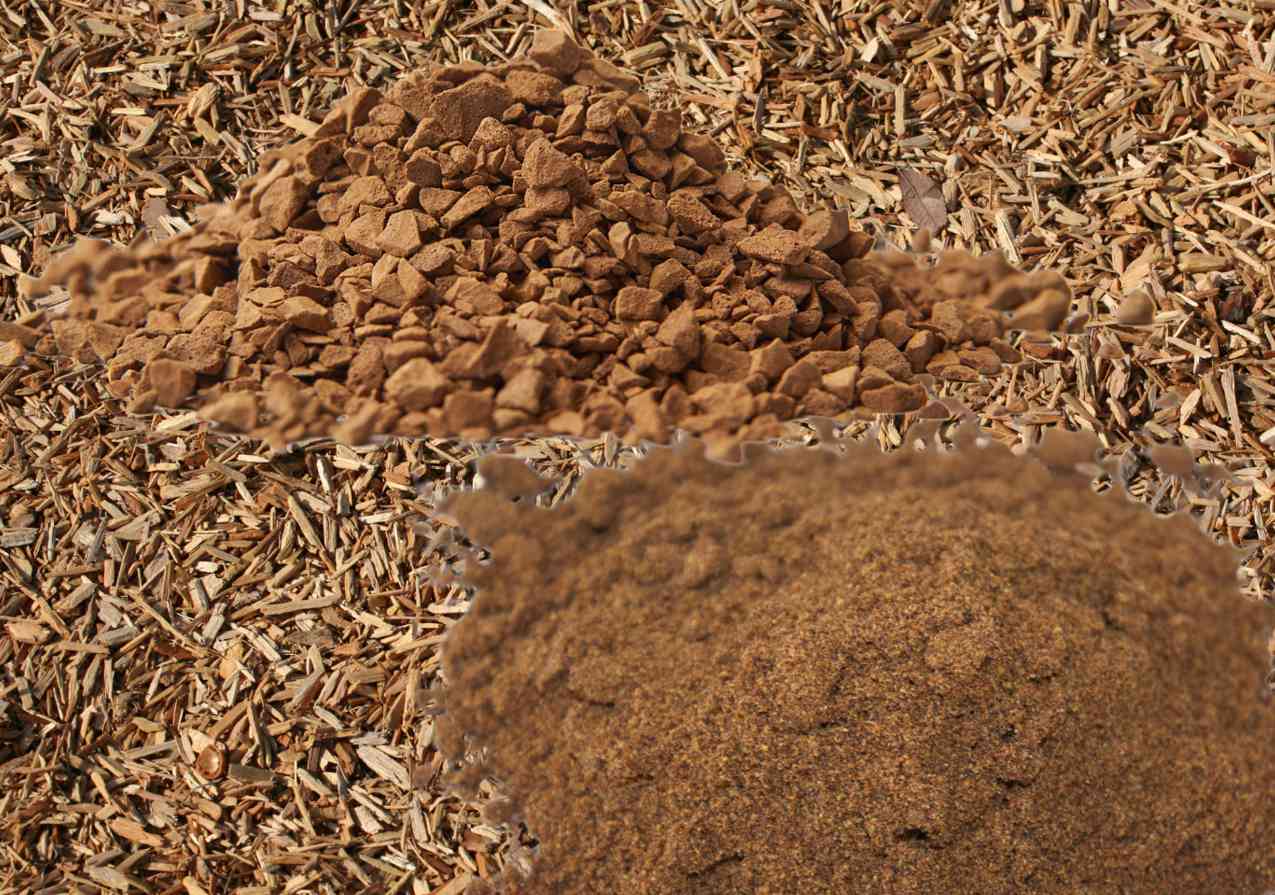
Khi hạt cà phê xanh đi vào máy rang, nó chưa chuyển ngay sang trạng thái của một hạt rang. Nhiệt trước hết làm nước trong hạt nóng lên và thoát dần ra ngoài. Khối lượng giảm, màu chuyển từ xanh sang vàng rồi nâu, cấu trúc tế bào thay đổi và các phản ứng hóa học bắt đầu tạo ra nhiều hợp chất mới. Quá trình này diễn ra liên tục chứ không được chia thành những ranh giới tuyệt đối.
Ở giai đoạn đầu, sự mất nước là một biến đổi vật lý rất quan trọng. Nước tự do và nước liên kết trong cấu trúc hạt dần được giải phóng. Khi nhiệt tiếp tục đi vào hạt, các phản ứng tạo màu và hương diễn ra mạnh hơn. Carbon dioxide, hơi nước và nhiều hợp chất dễ bay hơi được tạo ra trong quá trình nhiệt phân và phản ứng hóa học. Áp suất khí bên trong hạt vì vậy tăng lên.
Cần tránh hiểu rằng toàn bộ áp suất trước tiếng nổ lần đầu chỉ do hơi nước. Thành phần khí thay đổi theo tiến trình rang và phụ thuộc vào nhiều phản ứng trong hạt. Điều quan trọng ở đây là cấu trúc tế bào ngày càng chịu tải nhiệt và áp suất lớn hơn. Nghiên cứu mô hình hóa cấu trúc hạt cho thấy sự biến dạng của khung cellulose có liên quan đến áp suất khí và sự thay đổi cơ tính theo nhiệt độ. citeturn0search13turn0search16
Âm thanh nổ hình thành từ đâu
Tiếng nổ lần đầu là tên gọi thực hành cho chuỗi âm thanh phát ra khi cấu trúc hạt bị phá vỡ ở quy mô đủ lớn để có thể nghe thấy. Khi áp suất bên trong vượt quá khả năng chịu của cấu trúc tế bào đã bị suy yếu bởi nhiệt, hạt giãn nở và xuất hiện các vết nứt. Hơi nước và khí thoát ra nhanh hơn qua những đường nứt đó, tạo nên âm thanh đặc trưng.
Vì vậy, “nổ” trong tiếng nổ lần đầu không nên được hiểu như một vụ nổ theo nghĩa thông thường. Đây là một hiện tượng cơ học xảy ra trong một vật liệu hữu cơ đang thay đổi mạnh về cấu trúc. Perfect Daily Grind mô tả sự hình thành khí, sự tăng áp suất và sự phá vỡ thành tế bào là những yếu tố liên quan trực tiếp đến âm thanh này. citeturn0search20
Điểm đáng chú ý là tiếng nổ lần đầu không phải một điểm duy nhất xảy ra đồng thời trong mọi hạt. Trong cùng một mẻ, các hạt có thể đạt điều kiện nổ ở những thời điểm khác nhau. Người rang vì thế thường nghe một chuỗi tiếng nổ, từ những tiếng đầu tiên đến giai đoạn nổ rõ và dày hơn.
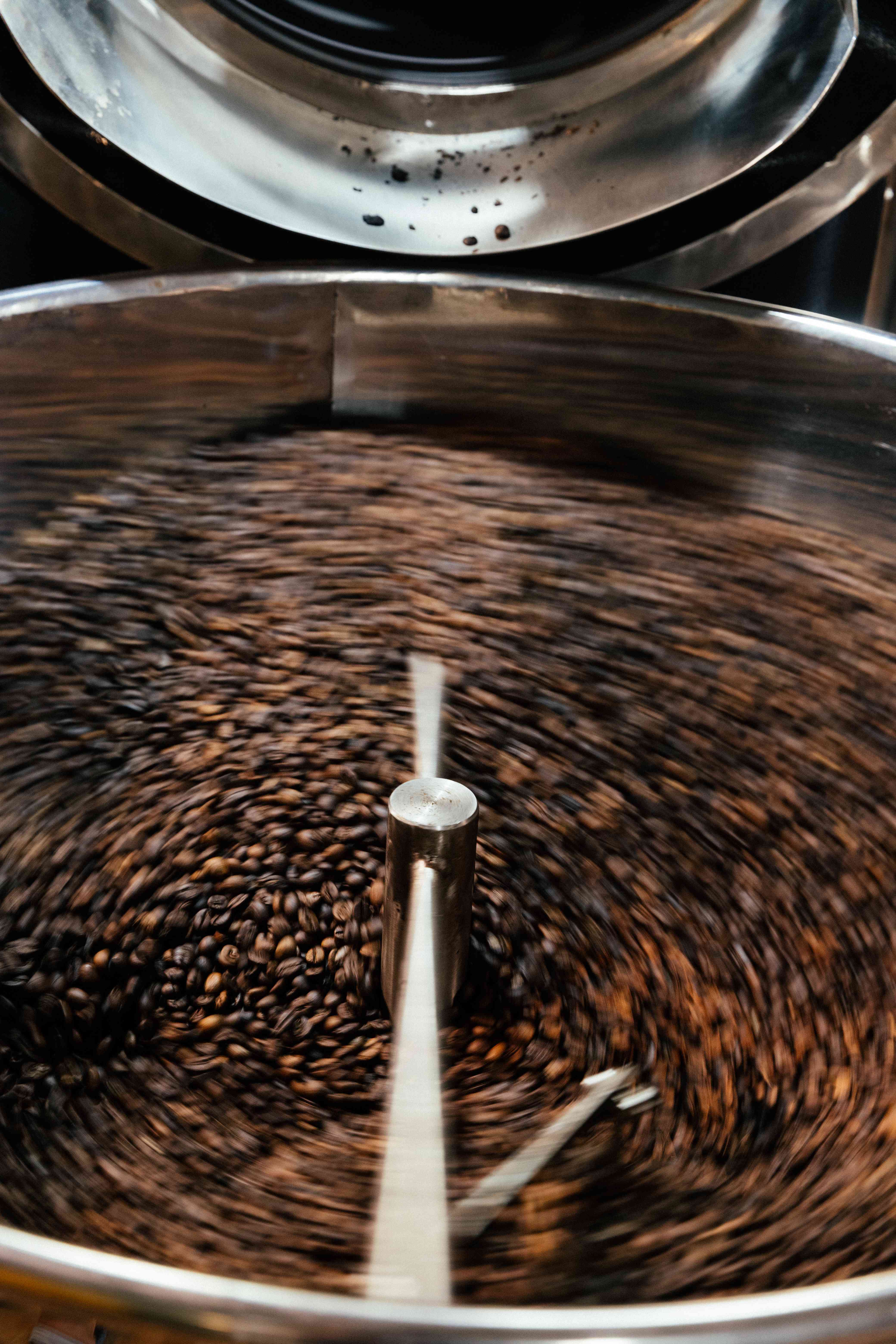
Cấu trúc hạt thay đổi mạnh tại mốc này
Khi cấu trúc tế bào bị phá vỡ, hạt tiếp tục giãn nở và trở nên xốp hơn. Mật độ giảm, độ cứng giảm và vật liệu trở nên giòn hơn so với hạt xanh. Các nghiên cứu vi cấu trúc bằng chụp cắt lớp tia X cũng ghi nhận sự thay đổi lớn về thể tích, mật độ và độ bền cơ học trong quá trình rang. citeturn0search16
Sự gia tăng độ xốp có ý nghĩa lớn về sau vì nó thay đổi đường đi của khí và khả năng nước thâm nhập khi pha. Tuy nhiên, không nên suy ra rằng tiếng nổ lần đầu tạo ra toàn bộ độ xốp của hạt. Quá trình giãn nở và biến đổi cấu trúc đã diễn ra trước đó và tiếp tục sau đó.
Một dấu hiệu thực tế là hạt rang sau tiếng nổ lần đầu dễ vỡ hơn hạt xanh rất nhiều. Màu cũng tiếp tục tối dần khi nhiệt được duy trì. Vì vậy, tiếng nổ lần đầu nên được xem như một mốc quan trọng trong chuỗi biến đổi chứ không phải công tắc bật hoặc tắt một quá trình duy nhất.
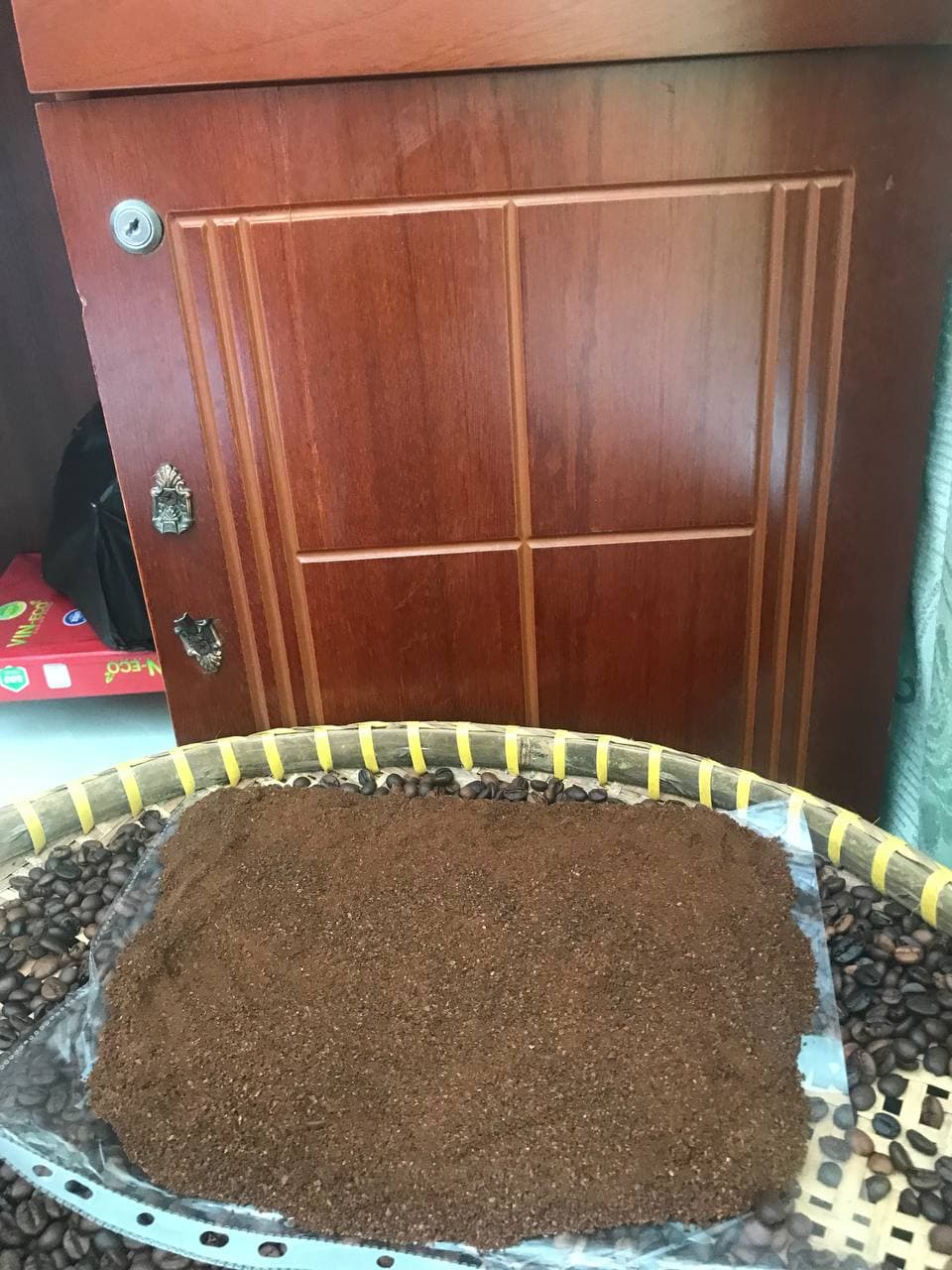
Giai đoạn sau tiếng nổ lần đầu có ý nghĩa gì
Sau khi tiếng nổ lần đầu bắt đầu, hạt bước vào một giai đoạn mà người rang thường gọi là development. Nhiệt vẫn tiếp tục thúc đẩy các phản ứng hóa học, màu rang tiếp tục thay đổi, cấu trúc tiếp tục mở và nhiều hợp chất hương được hình thành hoặc biến đổi. Perfect Daily Grind lưu ý rằng sau tiếng nổ lần đầu, độ xốp tăng, màu tiếp tục sẫm và các biến đổi vật lý lẫn hóa học vẫn diễn ra. citeturn0search20
Vì thế, khoảng thời gian từ tiếng nổ lần đầu đến lúc xả hạt có thể ảnh hưởng đáng kể đến kết quả cuối cùng. Nếu kết thúc quá sớm, một số phản ứng phát triển chưa đạt mức mong muốn. Nếu kéo dài quá nhiều, các hợp chất dễ bay hơi và đặc tính tươi sáng của cà phê có thể thay đổi theo hướng khác. Nhưng không thể dùng một tỷ lệ thời gian duy nhất để áp cho mọi loại cà phê.
Điều quan trọng hơn là hiểu mối quan hệ giữa tiếng nổ lần đầu, nhiệt cung cấp, tốc độ tăng nhiệt, thời gian phát triển và kết quả trong tách.
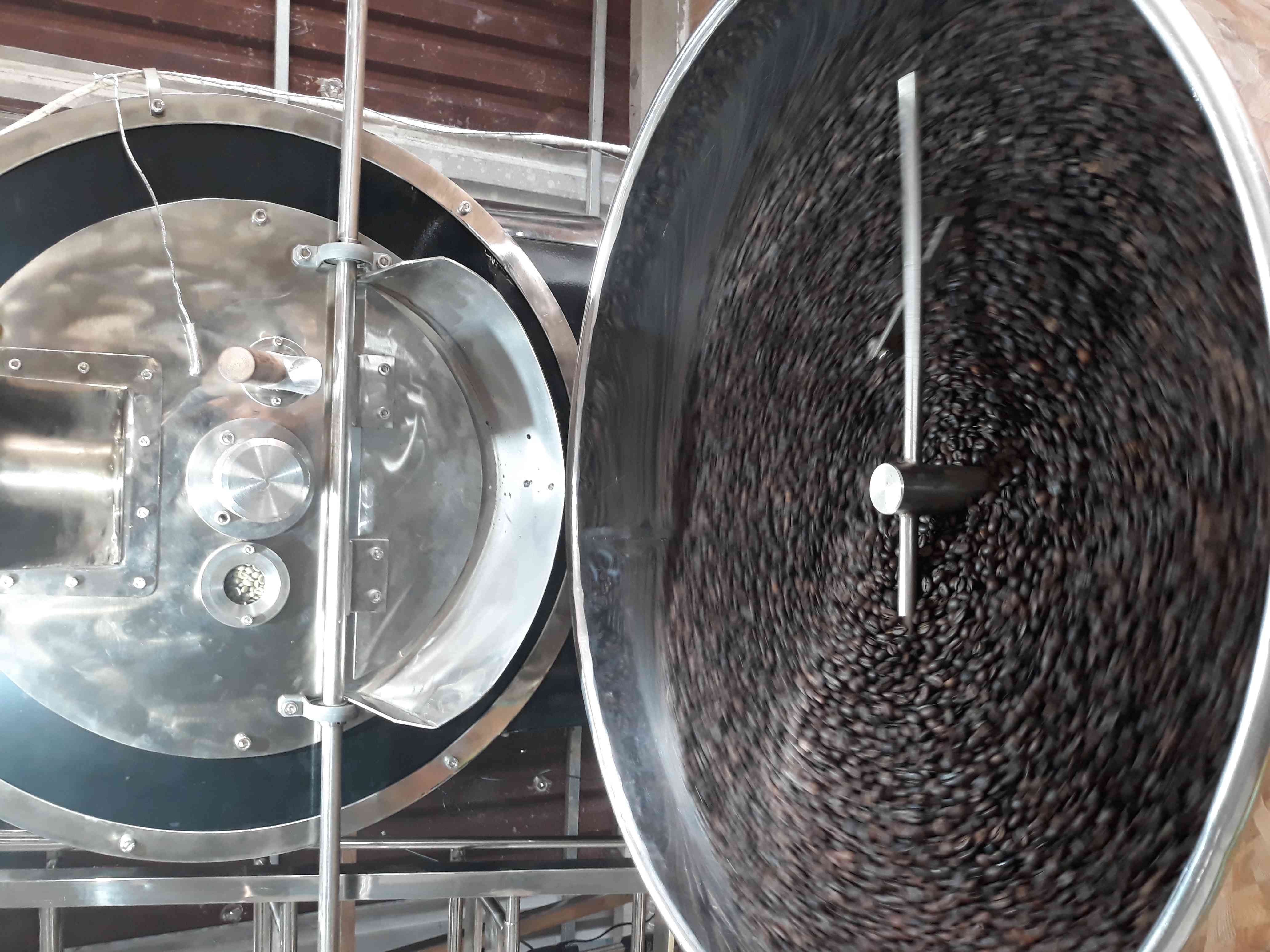
Vì sao không nên gắn tiếng nổ lần đầu với một nhiệt độ cố định
Trong thực tế, người rang thường ghi nhận nhiệt độ tại tiếng nổ lần đầu, nhưng con số này không phải một hằng số tự nhiên. Độ ẩm, mật độ, kích thước hạt, giống, cách sơ chế, khối lượng mẻ, thiết kế máy, vị trí đầu dò và cách đo đều có thể làm thay đổi thời điểm ghi nhận.
Một đầu dò đo nhiệt độ không phải là phép đo trực tiếp nhiệt độ bên trong mọi hạt. Nó phản ánh điều kiện tại vị trí cảm biến trong một hệ thống truyền nhiệt cụ thể. Vì vậy, lấy một con số từ một máy rồi coi đó là chuẩn chung cho mọi máy dễ dẫn tới quyết định sai.
Cách sử dụng tốt hơn là coi tiếng nổ lần đầu là một mốc sự kiện kết hợp giữa âm thanh, dữ liệu nhiệt, thời gian và quan sát hạt. Khi những dữ liệu này được ghi nhất quán trên cùng một hệ thống, người rang có thể so sánh các mẻ đáng tin cậy hơn.
Ý nghĩa của tiếng nổ lần đầu khi quyết định kết thúc mẻ
Tiếng nổ lần đầu thường giúp người rang định vị phần cuối của quá trình rang và xác định thời gian phát triển. Tuy nhiên, nó không tự quyết định thời điểm xả hạt. Hai mẻ cùng bắt đầu tiếng nổ lần đầu ở thời điểm gần nhau vẫn có thể cần kết thúc khác nhau nếu mục tiêu hương vị, nguyên liệu hoặc động học nhiệt khác nhau.
Một cách tiếp cận thận trọng là dùng tiếng nổ lần đầu như một mốc trong bộ dữ liệu lớn hơn: thời gian rang, nhiệt độ, tốc độ tăng nhiệt, mức màu sau rang và kết quả thử nếm. Khi những dữ liệu này cùng chỉ về một hướng, quyết định kết thúc mẻ có cơ sở hơn so với việc chỉ nghe tiếng nổ.
Tiếng nổ lần đầu vì vậy hữu ích nhất khi được đặt đúng vai trò: một dấu hiệu vật lý quan trọng của quá trình biến đổi hạt, đồng thời là mốc thực hành giúp người rang đọc tiến trình của mẻ rang.
- https://perfectdailygrind.com/2019/03/what-happens-during-coffee-roasting-the-physical-changes/
- https://perfectdailygrind.com/2017/05/what-is-first-crack-and-how-do-you-recognise-it/
- https://sca.coffee/sca-news/25-magazine/issue-5/modulating-perception-25-magazine-issue-5-dxzar
- https://www.sciencedirect.com/science/article/pii/S0020746218306474
- https://www.sciencedirect.com/science/article/abs/pii/S0260877411004250
First crack is one of the most useful sensory landmarks in coffee roasting, but it is easy to give it more certainty than it deserves. The sound is not a switch that suddenly turns a green coffee bean into a roasted bean. It is the audible result of a longer sequence of physical and chemical changes that have already been underway. Understanding those changes makes first crack more useful as a roasting reference and prevents it from being treated as a universal temperature target.
Before the first crack is heard, the bean is already undergoing major transformation. Heat first raises the temperature of the water held within the green coffee structure. Free water and more strongly associated water are progressively released.
As the bean continues to absorb energy, its mass falls, its color moves from green toward yellow and brown, and chemical reactions become increasingly active. New gases and volatile compounds are generated, while the cellular framework becomes progressively weaker and more porous. It is important not to reduce the pressure inside the bean before first crack to steam alone.
The gas composition changes during roasting and reflects several reactions occurring at different stages. What matters operationally is that the bean is carrying increasing thermal and internal pressure while its material properties are changing. Research using structural models has linked deformation of the cellulose-based framework with internal gas pressure and temperature-dependent mechanical behavior.
First crack is therefore the visible end point of a process rather than the beginning of one.
Where the Crack Sound Comes From
The term first crack refers to a sequence of audible events produced when the bean structure fractures on a scale large enough to be heard. As internal pressure rises and the heated cellular structure loses strength, the bean expands and cracks form. Water vapor and other gases can then escape more rapidly through those newly formed pathways, producing the characteristic popping sound.
Calling it a “crack” is more accurate than imagining a conventional explosion. The event is a mechanical failure within a material that has been substantially altered by heat. The sound comes from rapid structural release and gas movement, not from a single explosive reaction.
Practical roasting literature commonly links the event with gas formation, pressure buildup, expansion, and the weakening of cell walls. First crack also does not occur simultaneously in every bean. A roasting batch contains beans with differences in moisture, density, size, structure, and thermal history.
Some reach the conditions for cracking earlier, while others follow later. That is why a roaster normally hears a sequence of pops rather than one perfectly synchronized event. The beginning, peak, and fading of the crack can therefore provide more information than a single timestamp.
How the Bean Structure Changes
Around first crack, the bean continues to expand and becomes more porous. Density and mechanical strength decrease, and the roasted material becomes considerably more brittle than the original green bean. Microstructural research using X-ray imaging has documented substantial changes in volume, density, pore structure, and mechanical behavior during roasting.
The increase in porosity matters beyond the roasting drum. It changes how gases move through the bean and influences how water can penetrate the roasted material during brewing. It would be misleading, however, to say that first crack creates all of the bean’s porosity.
Expansion and structural change begin earlier and continue after the first audible cracks. A practical observation is that a roasted bean after first crack is much easier to fracture than a green bean. Its color also continues to darken as heat is maintained.
This is why first crack is best understood as a major landmark within a continuous transformation rather than an on-off boundary separating two completely different states.
What Happens After First Crack
Once first crack begins, the bean enters a stage roasters commonly describe as development. Chemical reactions continue, the roast color deepens, the structure continues to open, and aroma compounds can be formed, transformed, or lost. The period between first crack and discharge can therefore have a substantial effect on the final cup.
Ending the roast too soon may leave some desired development incomplete. Extending the roast for too long can move the coffee in another direction, with volatile compounds and brighter characteristics changing as thermal exposure continues. There is no single development-time ratio that can be applied safely to every coffee because the result depends on the green coffee, batch size, equipment, energy input, airflow, and roasting objective.
For that reason, first crack is most useful when read together with rate of rise, heat application, time, color, and sensory results. The event helps the roaster understand where the batch is in its development, but it does not determine the correct drop point by itself.
Why First Crack Does Not Have One Fixed Temperature
Roasters often record a temperature when first crack begins, but that number is not a natural constant of coffee. Moisture content, density, bean size, variety, processing method, batch size, roaster design, probe location, airflow, and measurement method can all influence the recorded value. A probe also measures conditions at its own location.
It does not directly measure the internal temperature of every bean in the batch. A number observed on one machine can therefore be a useful reference for that machine without being a universal standard for another machine. A more reliable practice is to treat first crack as a combined event: listen for the sound, observe the bean, follow the temperature data, record the time, and compare the event with previous batches made under the same conditions.
Consistent logging makes first crack a repeatable reference point without turning it into a false absolute.
Using First Crack to Read the End of a Roast
First crack helps the roaster locate the later part of the roast and frame the development period. It should not, however, decide the discharge time automatically. Two batches can begin first crack at nearly the same moment and still require different finishing points because the green coffee, target profile, energy input, or desired cup character is different.
A stronger decision uses first crack as one data point inside a larger record: total roast time, temperature trajectory, rate of rise, airflow, final color, and sensory evaluation. When those signals agree, the decision to end the roast has a stronger basis than simply counting seconds after the first pop. The practical value of first crack is therefore its role as a physical and operational landmark.
It tells the roaster that the bean has reached a major stage of expansion and structural change. It also provides a useful reference for discussing development and comparing batches. What it does not provide is a universal temperature, a guaranteed flavor outcome, or an automatic instruction to drop the beans.
The best use of first crack is to place it inside the full thermal and sensory history of the roast.
- https://perfectdailygrind.com/2019/03/what-happens-during-coffee-roasting-the-physical-changes/
- https://perfectdailygrind.com/2017/05/what-is-first-crack-and-how-do-you-recognise-it/
- https://sca.coffee/sca-news/25-magazine/issue-5/modulating-perception-25-magazine-issue-5-dxzar
- https://www.sciencedirect.com/science/article/pii/S0020746218306474
- https://www.sciencedirect.com/science/article/abs/pii/S0260877411004250