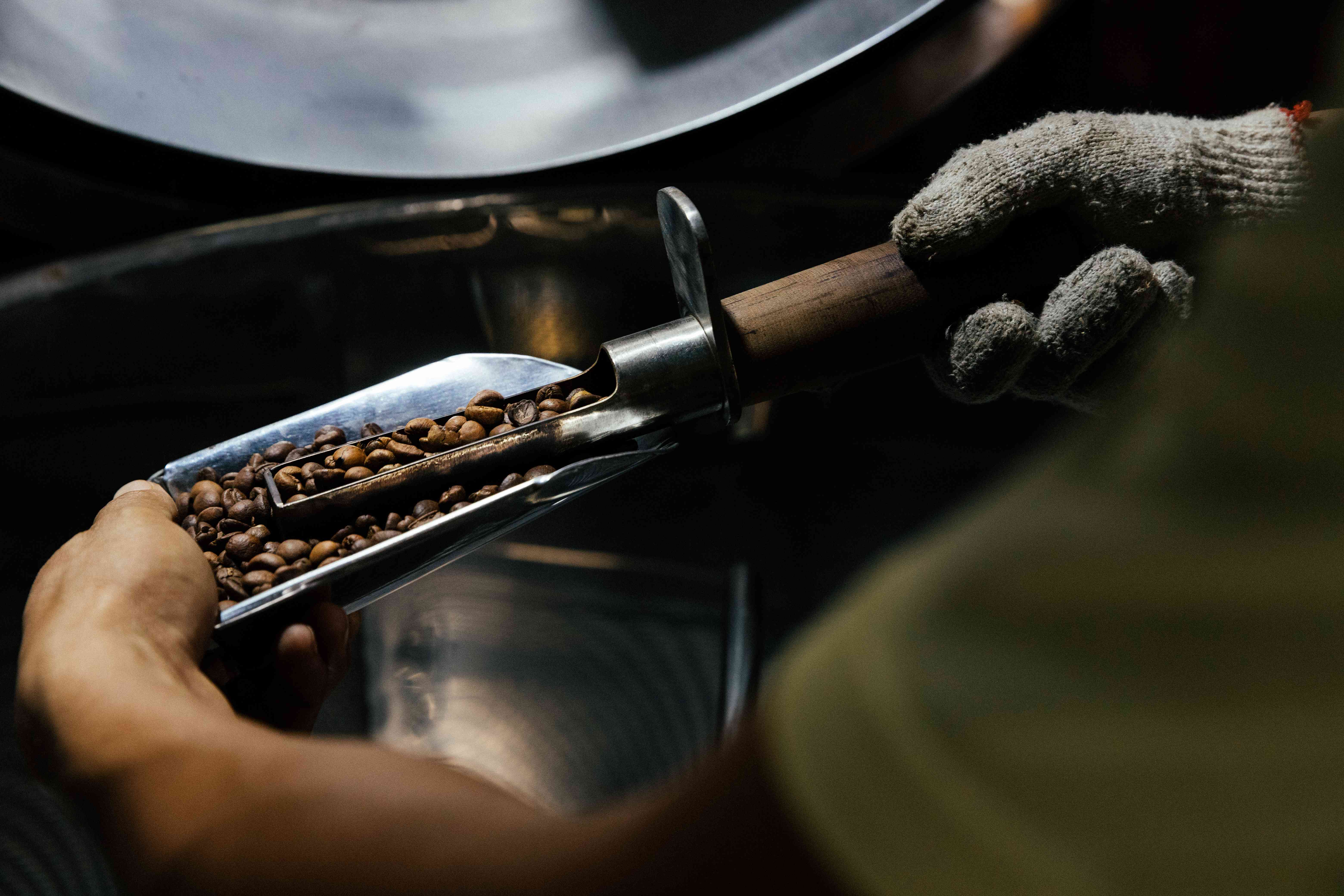
Các tên gọi như rang sáng, rang vừa hay rang đậm rất tiện trong giao tiếp, nhưng chúng không phải một hệ quy chiếu duy nhất. Hai nhà rang có thể dùng cùng một từ nhưng chỉ những mức rang khác nhau. Vì vậy, khi cần kiểm soát sự ổn định giữa các mẻ, việc chuyển mức rang thành dữ liệu đo được có giá trị thực tế.
Đo mức rang giúp trả lời một câu hỏi cụ thể hơn: mẫu này nằm ở đâu trên thang đo mà cơ sở đang sử dụng? Khi thiết bị, cách chuẩn bị mẫu và thang đo được giữ nhất quán, kết quả có thể dùng để so sánh các mẻ và phát hiện sai lệch.
Điều này không có nghĩa rằng một con số có thể mô tả toàn bộ chất lượng cà phê. Nó chỉ giải quyết một phần của bài toán: mức phát triển nhiệt và màu/đặc tính quang học liên quan đến mức rang.
Phép đo màu hoạt động theo nguyên tắc nào
Các máy đo mức rang dùng phép đo quang học để biến đặc tính phản xạ của mẫu thành dữ liệu số. Agtron E20-CP III được thiết kế riêng cho cà phê rang nguyên hạt và cà phê xay; thiết bị sử dụng vùng năng lượng cận hồng ngoại và có thể hiệu chuẩn theo các thang Agtron khác nhau. citeturn0search0turn0search2
Điểm đáng chú ý là “màu” trong kiểm soát rang không chỉ nên được hiểu là mắt người nhìn thấy hạt nâu đến mức nào. Thiết bị đo một tín hiệu quang học trong điều kiện được kiểm soát. Khi phương pháp đo ổn định, nó tạo ra một chỉ số khách quan hơn mô tả bằng từ ngữ.
Nhưng tính khách quan của con số phụ thuộc vào quy trình. Thiết bị khác nhau, thang khác nhau hoặc mẫu chuẩn bị khác nhau có thể cho kết quả không thể so sánh trực tiếp.
Agtron và các thang đo
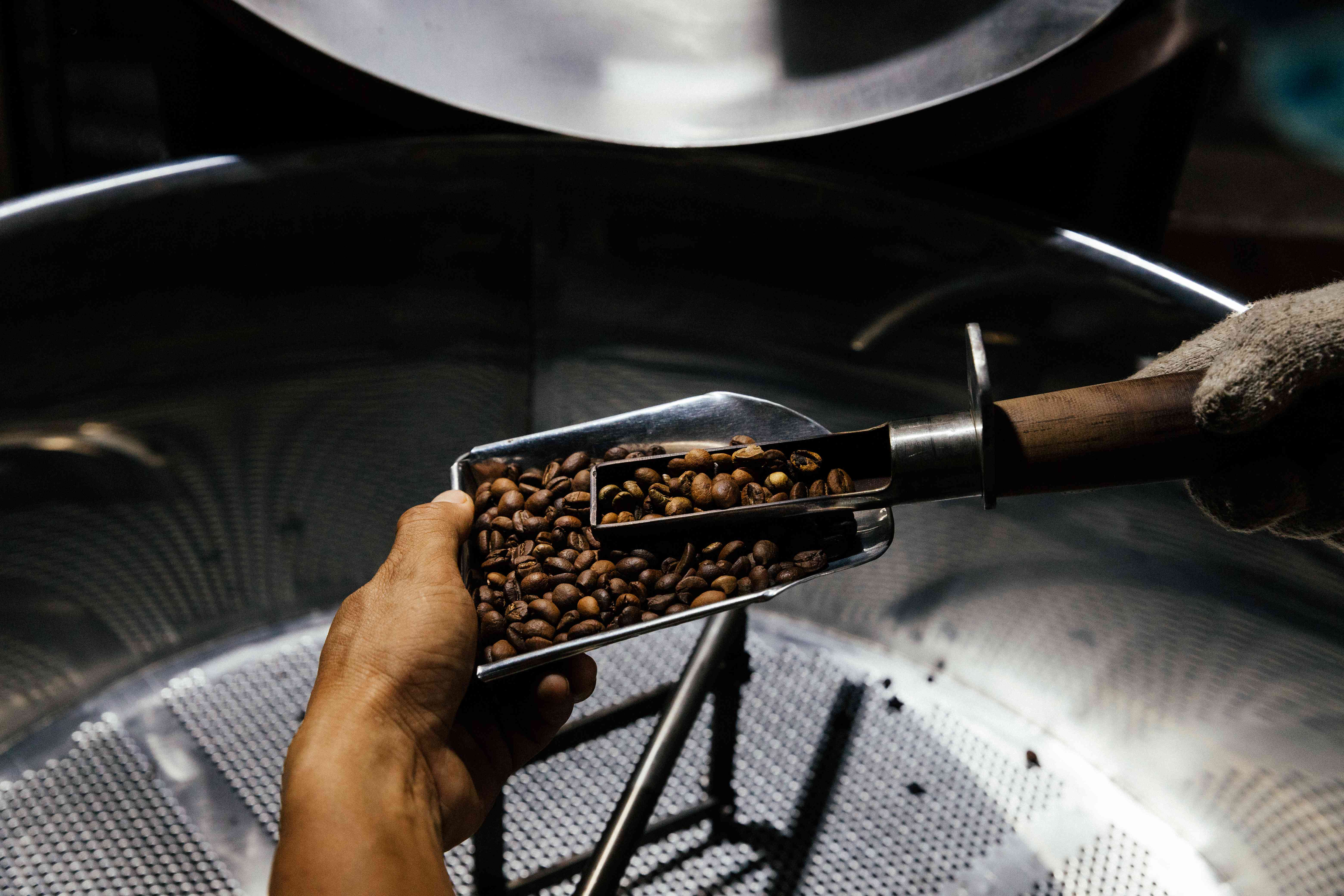
Agtron được sử dụng rộng rãi trong kiểm soát mức rang. E20-CP III cho phép lựa chọn Commercial Scale hoặc Gourmet Scale. Chính nhà sản xuất cũng lưu ý rằng hai thang này cần được phân biệt và có thể chuyển đổi theo thiết lập của thiết bị. citeturn0search0
Vì vậy, một cơ sở muốn theo dõi mức rang lâu dài cần ghi rõ mình đang dùng thang nào, thiết bị nào và điều kiện đo nào. Chỉ ghi “Agtron 60” mà không nói thang hoặc cách chuẩn bị mẫu sẽ làm giảm giá trị của dữ liệu khi chuyển cho người khác.
Con số chỉ thực sự hữu ích khi nó thuộc về một hệ thống đo nhất quán.
Hạt nguyên và mẫu bột
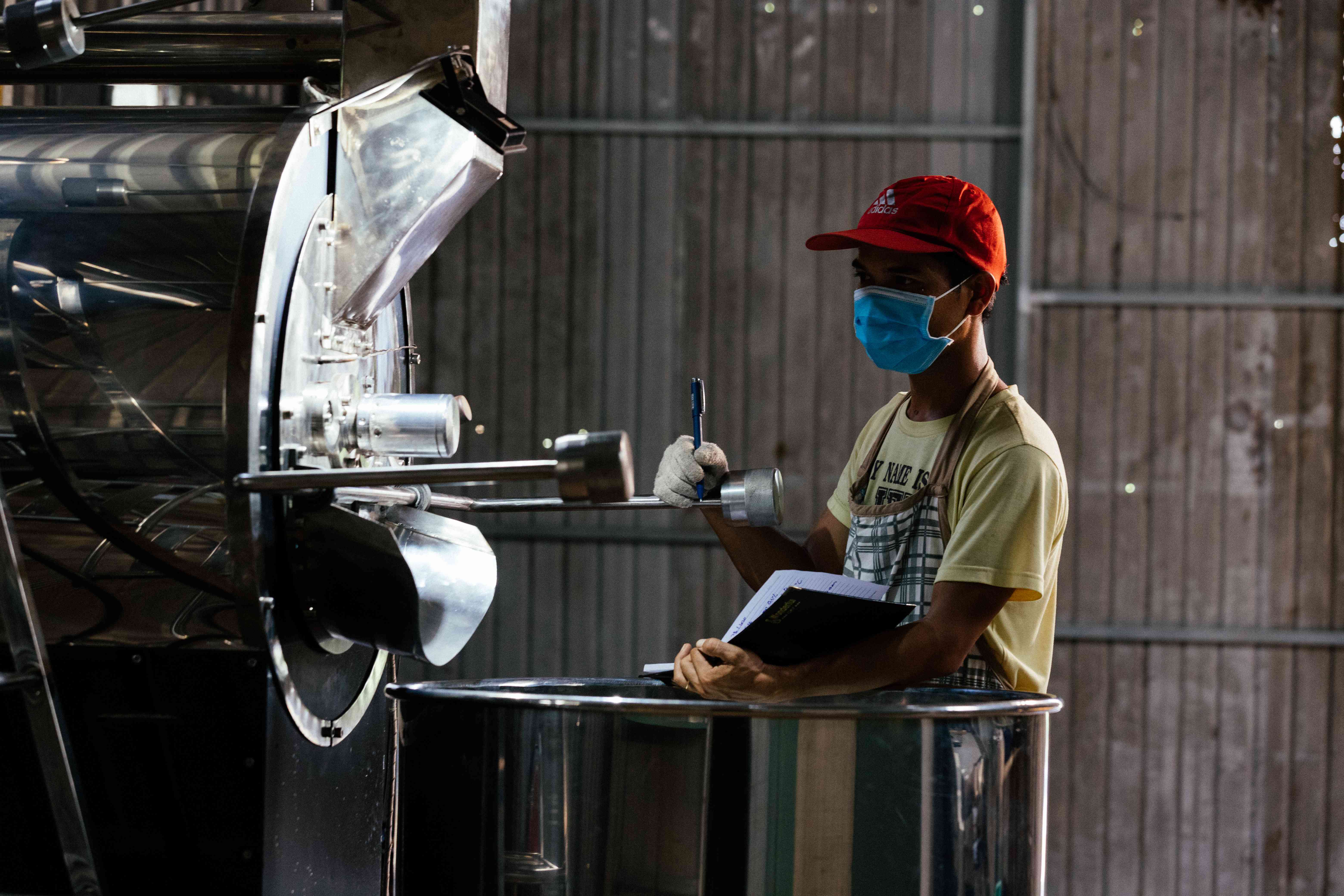
Cùng một mẻ rang, mẫu hạt nguyên và mẫu bột có thể cho tín hiệu khác nhau vì hình thái bề mặt và cách ánh sáng tương tác với mẫu khác nhau. Vì vậy, việc chuẩn bị mẫu là một phần của phép đo chứ không phải bước phụ.
Nếu cơ sở chọn đo mẫu bột, cần giữ nhất quán độ xay, lượng mẫu, cách chứa mẫu và điều kiện đo. Nếu đo hạt nguyên, cần quy định cách lấy mẫu để tránh một số hạt bất thường làm lệch kết quả.
Mục tiêu không phải tìm một cách đo “đúng tuyệt đối” cho mọi trường hợp. Mục tiêu là xây dựng một phương pháp ổn định phù hợp với mục đích kiểm soát của cơ sở.
Vì sao màu không thay thế được cảm quan
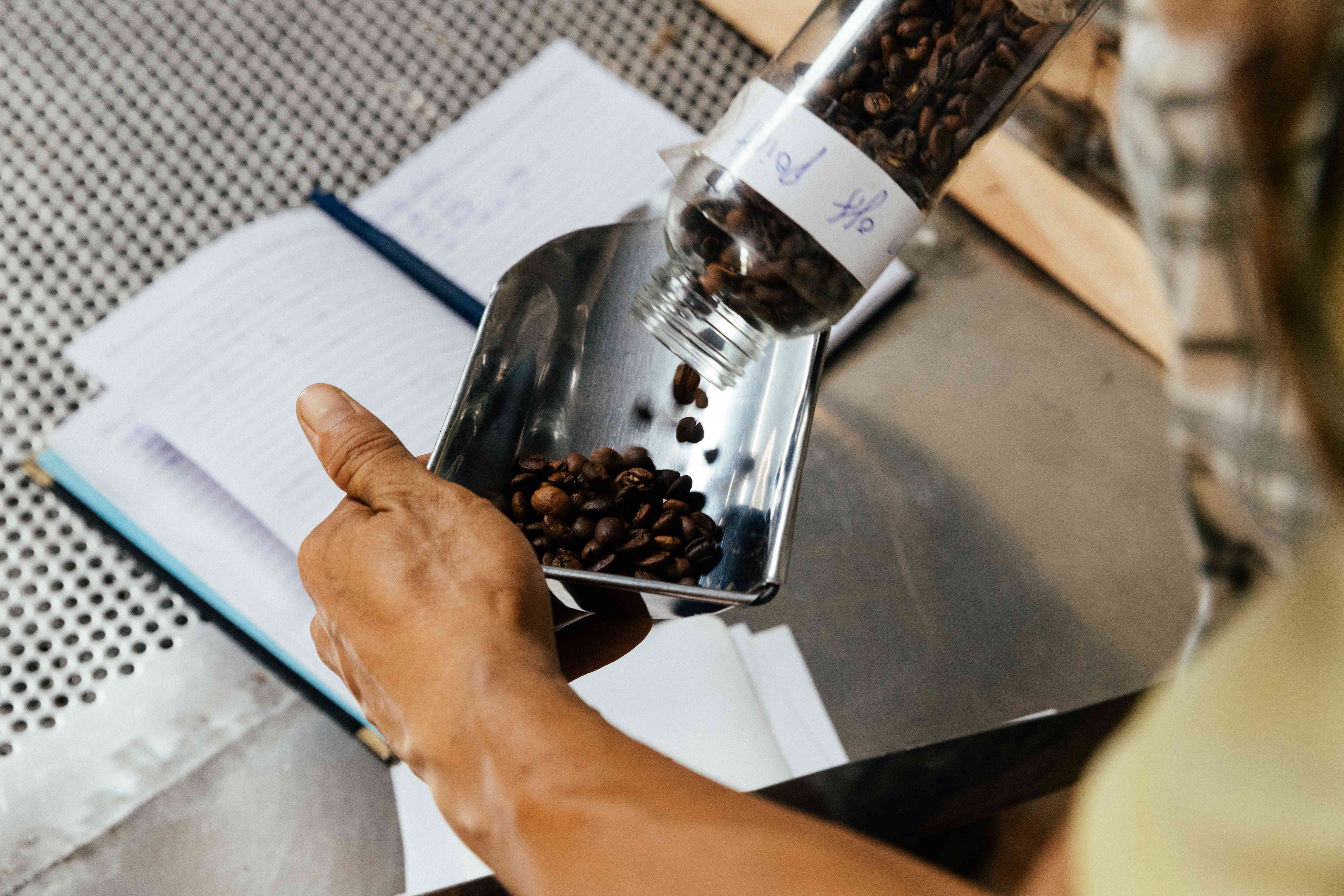
Màu rang là một thuộc tính vật lý hữu ích nhưng tách cà phê là một hệ thống cảm giác phức tạp. Hương thơm, vị chua, vị đắng, hậu vị và cảm giác miệng không thể được suy ra đầy đủ từ một con số màu.
Nghiên cứu trên Tạp chí Khoa học Thực phẩm cho thấy màu của bột cà phê không chuyển trực tiếp thành màu của đồ uống sau pha; kết quả còn chịu ảnh hưởng của nguồn gốc và nhiệt độ pha. citeturn0search14
Ngay cả khi hai mẫu có màu gần nhau, khác biệt về giống, sơ chế, điều kiện bảo quản và hồ sơ rang có thể dẫn đến trải nghiệm khác. Vì thế, đo màu nên được xem là công cụ kiểm soát mức rang, không phải phép thay thế thử nếm.
Ghi nhận mức rang để so sánh giữa các mẻ
Một hệ thống ghi nhận tốt nên cố định ít nhất bốn yếu tố: thiết bị, thang đo, cách lấy mẫu và điều kiện đo. Nếu một trong các yếu tố này thay đổi, cần ghi rõ để người đọc không hiểu rằng dữ liệu trước và sau hoàn toàn tương đương.
Có thể lưu cùng mã mẻ rang, ngày rang, nguyên liệu, hồ sơ rang và kết quả thử nếm. Khi đó, chỉ số màu trở thành một điểm dữ liệu trong hồ sơ chất lượng.
Cách làm này phù hợp với mục tiêu thực tế hơn việc tìm một con số “đẹp”. Giá trị của phép đo nằm ở khả năng phát hiện biến động và hỗ trợ điều tra khi kết quả thay đổi.
Từ số liệu đến quyết định rang
Khi một mẻ lệch khỏi khoảng màu đã xác lập, người rang có thể dùng thông tin đó để quay lại hồ sơ quá trình và tìm nguyên nhân. Có thể kiểm tra thời gian rang, nhiệt độ xả, tốc độ tăng nhiệt hoặc điều kiện nguyên liệu. Phép đo màu vì vậy hữu ích nhất như một điểm kiểm tra ở cuối quy trình, giúp nối dữ liệu quá trình với sản phẩm đã hoàn thành.
Ghi chú về cách diễn giải con số đo
Một điểm dễ nhầm là xem con số đo như một thước đo tuyệt đối của “độ đậm”. Trong thực tế, con số chỉ có ý nghĩa trong đúng hệ quy chiếu của thiết bị và phương pháp đo. Nếu đổi thang, đổi thiết bị hoặc đổi cách chuẩn bị mẫu, kết quả cần được ghi chú lại. Vì thế, khi xây dựng dữ liệu nội bộ, điều quan trọng hơn việc tìm một con số lý tưởng là bảo đảm tính liên tục của phương pháp.
Terms such as light roast, medium roast, and dark roast are useful in everyday communication, but they are not a universal measurement system. Two roasters can use the same label for meaningfully different roast levels. When consistency between batches matters, roast degree becomes more useful when it is expressed through a controlled measurement rather than a descriptive word alone.
Why Roast Degree Needs a Measurement System
A roast-degree measurement answers a narrower and more practical question: where does this sample fall on the scale used by the roasting operation? If the instrument, scale, sample preparation, and measurement conditions are consistent, the result can be compared across batches and used to detect drift. That does not mean one number describes the quality of the coffee.
It describes one aspect of thermal development, expressed through a measurable optical property associated with the roasted material. Aroma, flavor, structure, and cup quality remain broader questions. The value of the number therefore comes from consistency rather than from finding a supposedly perfect universal value.
How Optical Measurement Works
Roast-degree instruments use optical measurements to convert the way a coffee sample reflects energy into a numerical result. Agtron’s E20-CP III, for example, is designed specifically for roasted whole-bean and ground coffee and uses near-infrared energy. The system can be operated using defined Agtron scales.
This matters because “color” in roast control is not simply what the human eye sees when looking at a brown bean. The instrument measures an optical signal under controlled conditions. A controlled measurement can reduce some of the variation caused by lighting and individual visual judgment.
The measurement is only as reliable as the method around it. Different instruments, scales, sample preparation methods, or measurement conditions can produce values that should not be compared as though they came from one identical system.
Agtron Scales and Reporting
Agtron is widely used in roast control, and the E20-CP III provides different scale settings, including Commercial and Gourmet scales. These scales must be distinguished when results are recorded. A statement such as “Agtron 60” is incomplete if the scale and measurement conditions are not identified.
For long-term quality records, a roasting operation should therefore record the instrument, scale, sample type, and preparation method. This creates a measurement history that can be interpreted later rather than a collection of isolated numbers. The principle is straightforward: a number becomes useful when its reference system remains stable.
Whole Beans Versus Ground Samples
Whole-bean and ground samples can produce different optical responses because their surfaces and the way light interacts with the material are different. Sample preparation is therefore part of the measurement itself, not an unimportant step before measurement. If a roasting operation measures ground coffee, it should keep grind size, sample mass, container, and measurement procedure consistent.
If it measures whole beans, the sampling method should also be standardized so that unusual beans do not disproportionately influence the result. There is no need to claim that one sample form is universally correct for every purpose. The better goal is a method that is stable and appropriate for the specific quality-control task.
Why Color Does Not Replace Sensory Evaluation
Roast color is a useful physical property, but coffee in the cup is a much more complex sensory system. Aroma, acidity, bitterness, aftertaste, mouthfeel, and balance cannot be fully inferred from one color value. Research has also shown that the color of ground coffee does not translate directly into the color of the brewed beverage.
Brewing conditions, origin, and other variables influence the final drink. A similar limitation applies to sensory interpretation: two coffees with similar roast-color readings can still differ because their green-coffee characteristics, processing history, storage, and roast trajectories differ. Color measurement should therefore be treated as a roast-control tool rather than a replacement for tasting.
Building a Consistent Measurement Record
A useful internal record should fix at least four elements: instrument, scale, sampling method, and measurement conditions. It can then be linked to the roast batch number, green coffee identity, roast profile, date, and sensory evaluation. This turns a color reading into one part of a quality record.
If the number shifts outside the normal range, the roaster can return to the process data and investigate charge conditions, heat input, rate of rise, discharge temperature, or raw-material changes. The objective is not to find a “beautiful” number. The objective is to detect meaningful variation and make that variation easier to investigate.
Using the Number to Investigate Roast Variation
When a batch falls outside its established color range, the reading can act as a checkpoint at the end of the process. The operator can ask whether the roast curve changed, whether the green coffee changed, whether the sample was prepared differently, or whether the instrument and scale were used consistently. A measurement should always be interpreted inside its own reference system.
Changing the instrument, changing the scale, or changing the sample method can create an apparent difference that is actually a measurement difference. The most reliable use of roast-degree measurement is therefore comparative. It provides a stable language for tracking batches when the method is standardized.
It does not turn roast level into a universal number, and it does not compress the full quality of coffee into one reading. Used alongside process data and sensory evaluation, however, it can become a valuable part of a disciplined roasting-quality system. In routine production, the most valuable feature of a roast-degree measurement is traceability.
A reading can be linked to a specific lot, roast date, instrument, scale, sample form, and operator procedure. If a later batch moves away from the historical range, the record provides a starting point for investigation. It can also reveal whether an apparent change came from the coffee or from the measurement process itself.
In this sense, measuring roast degree is less about assigning a universal label and more about building a stable internal reference that can support quality decisions over time.