Trạng thái chế biến làm thay đổi bản chất hàng hóa
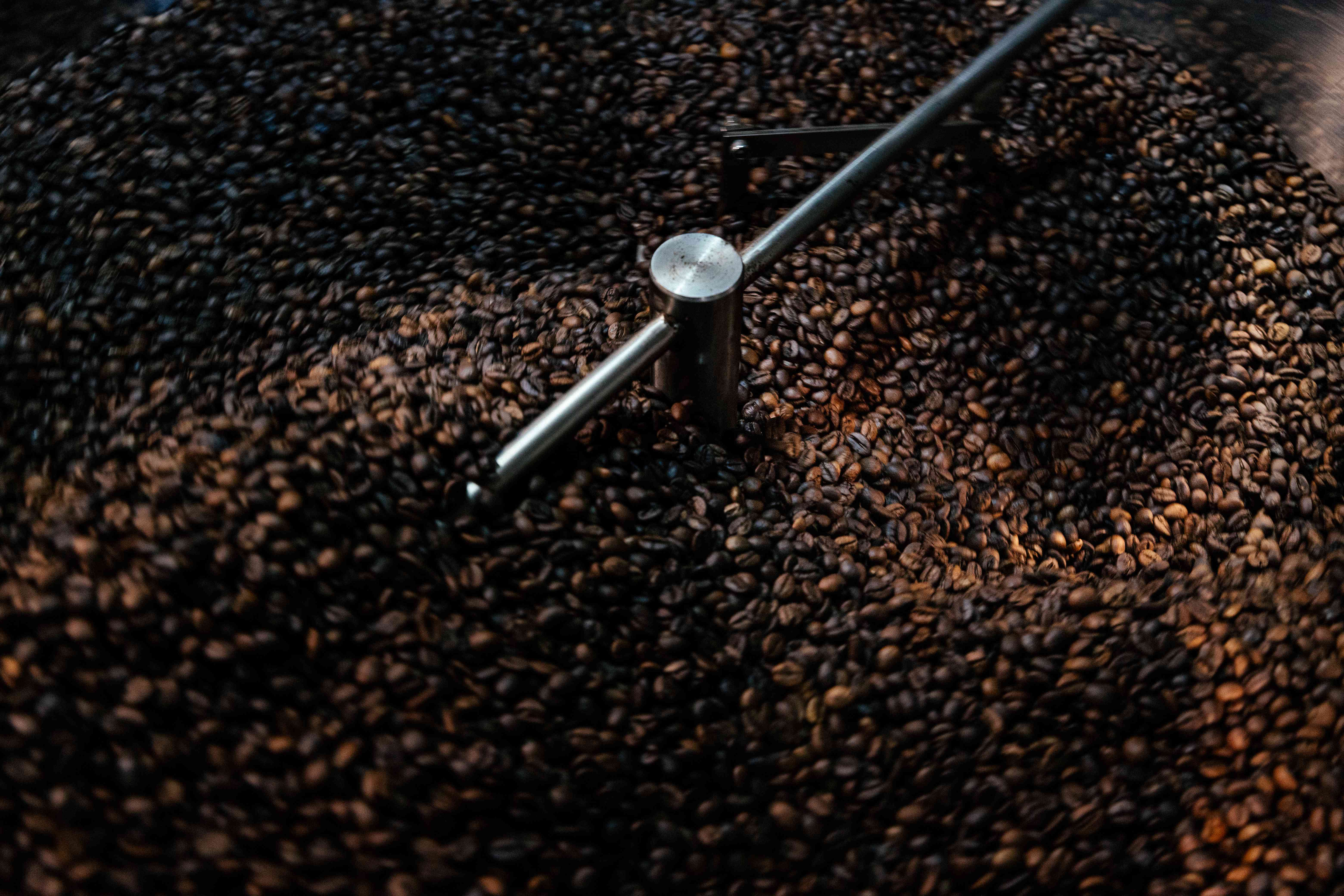
Cà phê xanh là nguyên liệu chưa qua rang, trong khi cà phê rang đã trải qua một quá trình nhiệt làm thay đổi màu, cấu trúc, khối lượng và tính chất cảm quan. Khi đưa hai sản phẩm ra thị trường quốc tế, doanh nghiệp không chỉ thay đổi tên gọi mà thay đổi cả cách mô tả hàng hóa. HS là nền tảng để phân loại hàng hóa quốc tế. WCO đặt cà phê trong Chương 09 và các phân nhóm của hệ thống phản ánh trạng thái hàng hóa. Vì vậy, doanh nghiệp không nên dùng một bộ mô tả và mã hàng cho mọi dạng cà phê. Hồ sơ xuất khẩu phải phản ánh đúng sản phẩm thực tế.

Phân loại và mô tả khi khai báo
Mô tả hàng hóa nên thống nhất giữa hợp đồng, hóa đơn, phiếu đóng gói và khai báo hải quan. Với cà phê rang, có thể cần mô tả rõ dạng hạt hay xay, quy cách đóng gói và những đặc điểm cần thiết theo thị trường. Việc phân loại không chỉ phục vụ tính thuế. WTO yêu cầu các thành viên công bố quy tắc phân loại và định giá sản phẩm cho mục đích hải quan. Nếu mô tả quá chung, cơ quan quản lý có thể cần thêm thông tin. Nếu mô tả không khớp giữa các chứng từ, nguy cơ kiểm tra và chậm xử lý có thể tăng.

Bao bì, bảo quản và hạn sử dụng
Cà phê rang tiếp tục biến đổi sau khi ra khỏi máy rang. Khí sinh ra trong hạt và độ nhạy với oxy, ẩm, nhiệt có ý nghĩa đối với bao bì và bảo quản. Vì vậy, xuất khẩu cà phê rang thường đòi hỏi cách tiếp cận khác với cà phê xanh. Bao bì phải phù hợp với sản phẩm, thời gian vận chuyển và điều kiện môi trường. Với sản phẩm rang đóng gói để bán lẻ, nhãn và thông tin sản phẩm cũng có thể trở thành một phần của yêu cầu thị trường đích. Cà phê xanh cũng cần bảo vệ khỏi ẩm và điều kiện bảo quản bất lợi, nhưng mục tiêu bảo quản và rủi ro chất lượng không giống sản phẩm đã rang.
Rủi ro chất lượng trong vận chuyển
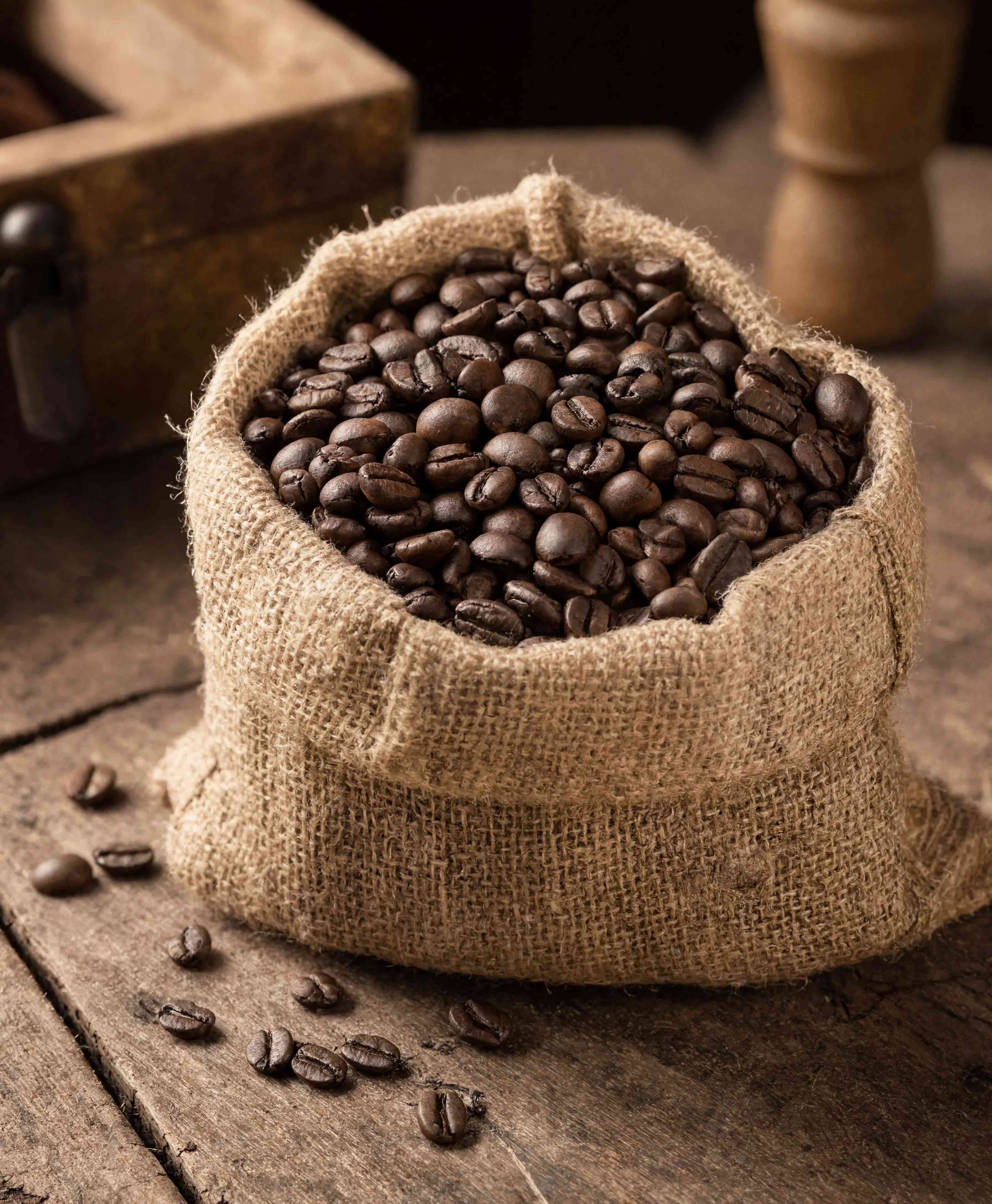
Cà phê xanh có thể chịu ảnh hưởng của ẩm, nhiệt và mùi trong quá trình lưu kho và vận chuyển. Cà phê rang đóng gói lại có thêm bài toán về mất hương và thay đổi trạng thái khí trong bao bì. Doanh nghiệp cần nhìn cả hành trình: thời gian trong container, điều kiện kho, thông gió, vật liệu bao bì và cách xếp hàng. Một sản phẩm phù hợp khi đóng gói tại nhà máy vẫn có thể gặp vấn đề nếu chuỗi vận chuyển không phù hợp. Vì vậy, hợp đồng và quy trình hậu cần nên liên kết với đặc tính của chính sản phẩm xuất khẩu.
Thị trường đích quyết định nhiều yêu cầu bổ sung
Một sản phẩm thực phẩm đã chế biến có thể phải đáp ứng các yêu cầu về an toàn thực phẩm, ghi nhãn, thành phần, truy xuất hoặc kiểm soát vệ sinh tùy thị trường. WTO nhấn mạnh rằng các biện pháp vệ sinh và kiểm dịch thực vật có thể được các thành viên áp dụng để bảo vệ sức khỏe, nhưng phải dựa trên các nguyên tắc và yêu cầu của Hiệp định SPS. Do đó, không nên lấy yêu cầu của một nước rồi coi là chuẩn cho tất cả. Trước khi xuất khẩu cà phê rang, doanh nghiệp cần kiểm tra yêu cầu của nước nhập khẩu và đúng loại sản phẩm.
Giá trị gia tăng và mô hình khách hàng
Cà phê xanh thường đi sâu vào chuỗi rang xay của nước nhập khẩu. Cà phê rang có thể đưa doanh nghiệp xuất khẩu tiến gần hơn tới người tiêu dùng cuối, nhưng đồng thời phải chịu thêm yêu cầu về bao bì, nhãn, ổn định sản phẩm và dịch vụ thị trường. Điều này tạo ra sự đánh đổi. Giá trị gia tăng trên mỗi đơn vị có thể cao hơn, nhưng chi phí tuân thủ, hậu cần và rủi ro thị trường cũng có thể tăng. Vì vậy, lựa chọn xuất khẩu xanh hay rang không nên chỉ dựa trên giá bán. Cần tính cả yêu cầu thị trường, năng lực sản xuất, bao bì, hậu cần và mô hình khách hàng.
Khác biệt về mô hình khách hàng
Cà phê xanh thường được bán cho nhà rang hoặc doanh nghiệp chế biến tại nước nhập khẩu. Cà phê rang có thể được bán trực tiếp cho nhà phân phối hoặc người tiêu dùng. Điều đó làm thay đổi yêu cầu về nhãn, quy cách đơn vị bán và dịch vụ sau bán hàng. Giá trị gia tăng cao hơn không tự động đồng nghĩa lợi nhuận cao hơn nếu chi phí tuân thủ và hậu cần cũng tăng.
Cà phê rang cần quản lý khí và bao bì sau rang
Cà phê rang tiếp tục giải phóng khí sau khi rời máy rang. Nếu đóng gói quá sớm hoặc dùng bao bì không phù hợp, áp suất trong bao có thể tăng và chất lượng hương có thể thay đổi. Với hàng xuất khẩu, thời gian vận chuyển dài làm việc lựa chọn bao bì và điều kiện lưu kho quan trọng hơn.
Tính ổn định sau đóng gói là một phần của xuất khẩu
Với cà phê rang, doanh nghiệp phải tính thời gian từ lúc đóng gói đến khi người mua mở bao. Bao bì, điều kiện kho và thời gian vận chuyển vì vậy liên quan trực tiếp đến khả năng giữ chất lượng. Đây là khác biệt quan trọng so với việc chỉ chuẩn bị nguyên liệu xanh cho một nhà rang tại nước nhập khẩu.
Tài liệu tham khảo
- WCO, Harmonized System 2022 — https://www.wcoomd.org/en/topics/nomenclature/instrument-and-tools/hs-nomenclature-2022-edition/hs-nomenclature-2022-edition.aspx
- FAO, Food safety and quality guidance — https://www.fao.org/3/i8465en/I8465EN.pdf
- WTO, SPS Agreement — https://www.wto.org/english/tratop_e/sps_e/spsagr_e.htm
Processing Status Changes the Nature of the Product
Green coffee is an unroasted raw material, while roasted coffee has undergone a thermal process that changes its color, structure, weight, and sensory properties. When the two products enter international trade, the difference is therefore more than a change of commercial wording. The goods themselves are different at the point of export, and the documentation should describe that reality accurately. The Harmonized System provides the international framework used to classify traded goods. Coffee is placed in Chapter 09, with subheadings that distinguish relevant forms and states of the product. For an exporter, this means a single description and tariff classification should not automatically be copied from green coffee to roasted coffee. The export file should correspond to the product that is actually being shipped.
Classification and Description in Export Declarations
The product description should be consistent across the sales contract, commercial invoice, packing list, customs declaration, and other trade documents. For roasted coffee, the description may need to make clear whether the product is whole bean or ground, how it is packed, and any characteristics that are relevant to the destination market. Classification is not only a tax issue. Customs systems use classification to apply trade rules, statistics, valuation procedures, and other controls. A description that is too general may lead authorities to request additional information. More importantly, inconsistent descriptions across documents can create avoidable questions during customs clearance or payment processing. The practical objective is simple: the product name, physical form, tariff classification, and supporting documents should tell the same story.
Packaging, Storage, and Shelf Life
Roasted coffee continues to change after it leaves the roaster. Gas generated inside the roasted bean, together with sensitivity to oxygen, moisture, and heat, affects how the product should be packaged and stored. Exporting roasted coffee therefore involves a different preservation problem from exporting green coffee. Packaging needs to match the product, the expected transit time, and the environmental conditions it will encounter. Retail-ready roasted coffee may also require additional label information under the rules of the destination market. Green coffee must likewise be protected from moisture, heat, and unfavorable storage conditions, but its quality objectives are different because it has not yet undergone roasting. The exporter should therefore design packaging around the actual state of the product rather than treating coffee as a single commodity regardless of processing stage.
Quality Risks During Transportation
Green coffee can be affected by moisture, heat, odors, and poor storage during warehousing and transport. Roasted coffee adds another layer of risk: aroma loss and changes in the gas environment inside the package. A product that was correctly packed at the factory can still deteriorate if the transport chain is unsuitable. Exporters should look at the whole journey, including container time, warehouse conditions, ventilation, packaging materials, loading practices, and exposure to heat or humidity. Contracts and logistics procedures should therefore be linked to the characteristics of the exported product. The relevant question is not simply whether the package looked suitable when it left the plant, but whether the packaging and handling system can protect the coffee until the buyer opens it.
The Destination Market Determines Many Additional Requirements
Processed food products may be subject to destination-specific requirements covering food safety, labeling, ingredients, traceability, hygiene controls, or other market-entry conditions. WTO rules recognize that sanitary and phytosanitary measures may be used to protect health, while also setting principles for how such measures are applied. The practical consequence for an exporter is that there is no universal checklist that can be copied unchanged from one country to another. Before shipping roasted coffee, the business should check the rules applicable to the importing country and to the exact product form being sold. A retail package of roasted coffee may face different requirements from a bulk shipment of green beans, even when both products originate from coffee.
Value Addition and Customer Model
Green coffee often enters the importing country's roasting or processing chain. Roasted coffee can move an exporter closer to the final consumer, but it also brings additional responsibilities for packaging, labeling, product stability, market service, and distribution. That creates a trade-off. Value added per unit may be higher, but compliance costs, logistics complexity, and market risk can also rise. The decision to export green or roasted coffee should therefore not be based only on the selling price. Production capability, packaging performance, destination requirements, logistics, customer type, and the cost of maintaining product quality all matter. A higher unit price does not automatically produce a higher margin.
Customer Models Differ
Green coffee is commonly sold to roasters, traders, or processors in the importing market. Roasted coffee may instead be sold to distributors, retailers, food-service businesses, or consumers. That changes the commercial unit, labeling expectations, packaging format, and after-sales requirements. An exporter moving into roasted coffee may therefore be moving into a different business model rather than simply changing the processing stage of the same product. The economics should be evaluated accordingly.
Roasted Coffee Requires Post-Roast Gas and Packaging Management
Roasted beans continue to release gas after roasting. If they are packed too early or placed in unsuitable packaging, pressure can build inside the package and aroma quality can change. For export shipments, longer transit times make package selection and storage conditions particularly important. The exporter needs to consider the period between roasting, packing, shipment, and the buyer's eventual opening of the package. Packaging is part of the product's quality system, not merely an outer container.
Post-Packaging Stability Is Part of Export Readiness
For roasted coffee, shelf-life planning should begin with the actual time between packaging and consumption. Transit duration, warehouse temperature, humidity, package barrier properties, and closure performance all affect whether the product remains within the intended quality window. This is a fundamental difference from supplying green coffee to a roaster that will perform the roasting after import. Export readiness therefore includes the ability to demonstrate that the roasted product can remain stable through the distribution chain. The exporter should also distinguish the condition at packing from the condition at arrival. A useful quality system therefore connects roast date, packaging date, lot identity, storage conditions, shipment timing, and destination handling. This makes it easier to investigate a quality complaint and to decide whether a packaging format is suitable for a particular route and customer model.
References
- WCO, Harmonized System 2022 — https://www.wcoomd.org/en/topics/nomenclature/instrument-and-tools/hs-nomenclature-2022-edition/hs-nomenclature-2022-edition.aspx
- FAO, Food safety and quality guidance — https://www.fao.org/3/i8465en/I8465EN.pdf
- WTO, SPS Agreement — https://www.wto.org/english/tratop_e/sps_e/spsagr_e.htm