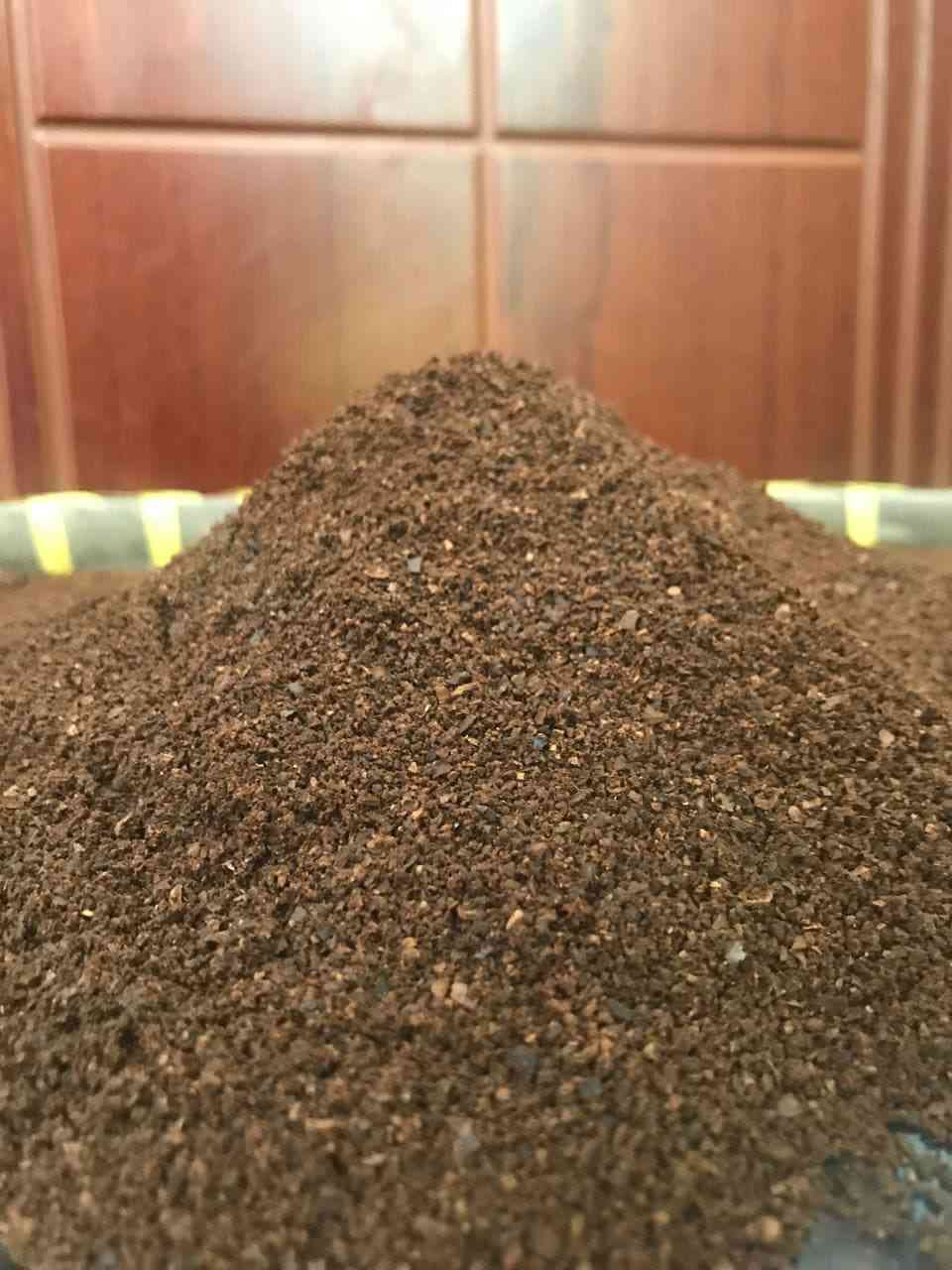
Cà phê hòa tan là một sản phẩm xuất khẩu khác về trạng thái
Cà phê hòa tan không còn là hạt cà phê nguyên trạng. Sản phẩm đã trải qua các công đoạn chế biến và thường được đưa ra thị trường dưới dạng bột hoặc hạt hòa tan, có quy cách đóng gói và thành phần cụ thể. Vì vậy, doanh nghiệp không nên dùng bộ hồ sơ của cà phê xanh hoặc cà phê rang để suy ra toàn bộ yêu cầu cho cà phê hòa tan. Mã hàng, mô tả sản phẩm, nhãn, thành phần và yêu cầu an toàn cần được xác định theo sản phẩm thực tế và thị trường đích.
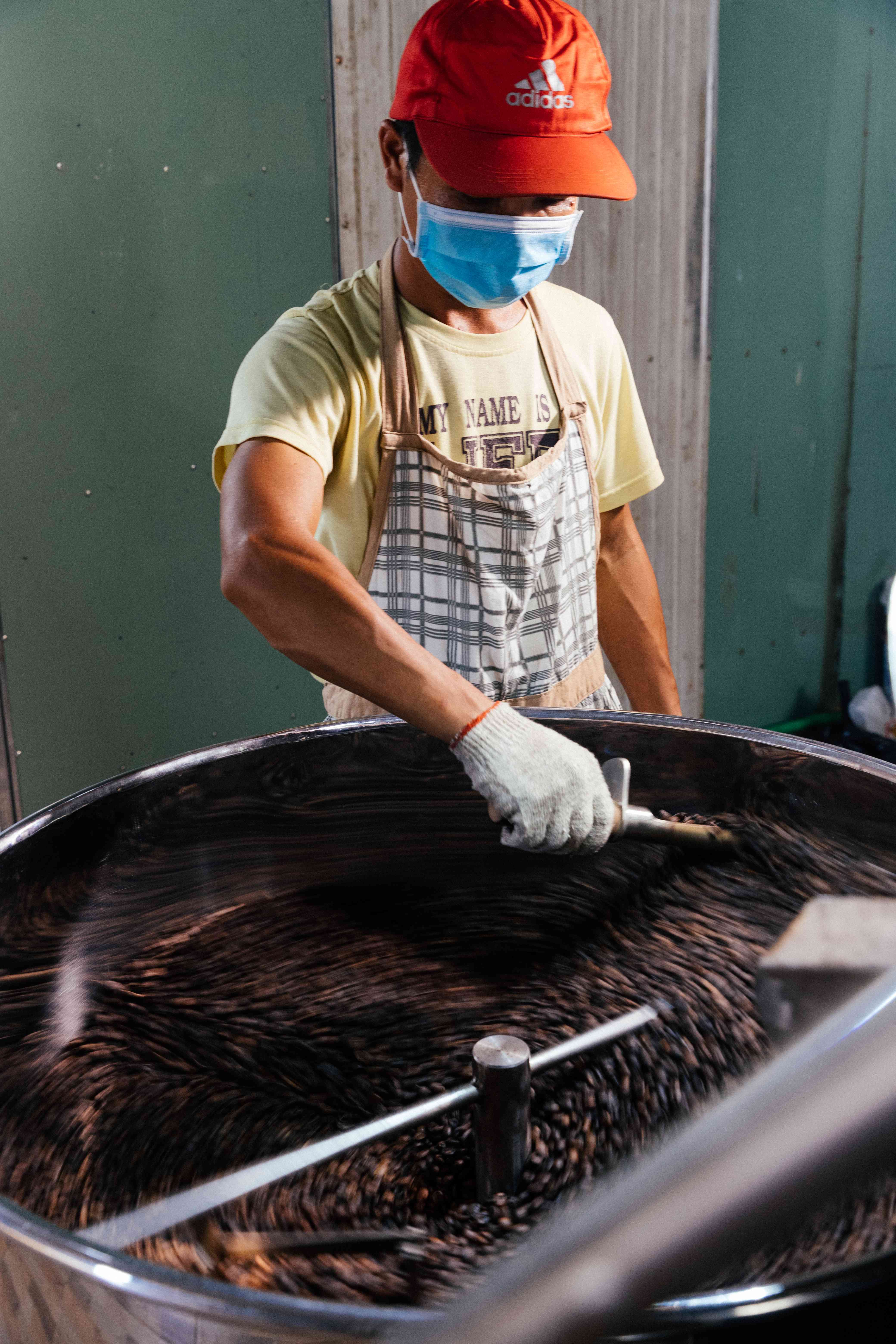
Thành phần và quy cách đóng gói ảnh hưởng hồ sơ
Nếu sản phẩm chỉ chứa cà phê, cách mô tả có thể khác với sản phẩm hòa tan có thêm đường, sữa hoặc thành phần khác. Quy cách đóng gói cũng ảnh hưởng đến nhãn và thông tin phải cung cấp. Ở góc độ thương mại, hồ sơ cần thống nhất giữa công thức, thông số kỹ thuật, nhãn, hóa đơn và tài liệu chất lượng. Một thay đổi nhỏ về thành phần có thể làm thay đổi cách thị trường đích phân loại sản phẩm hoặc yêu cầu ghi nhãn. Do đó, trước khi xuất khẩu, doanh nghiệp cần chốt phiên bản sản phẩm và không dùng tài liệu của một công thức khác.
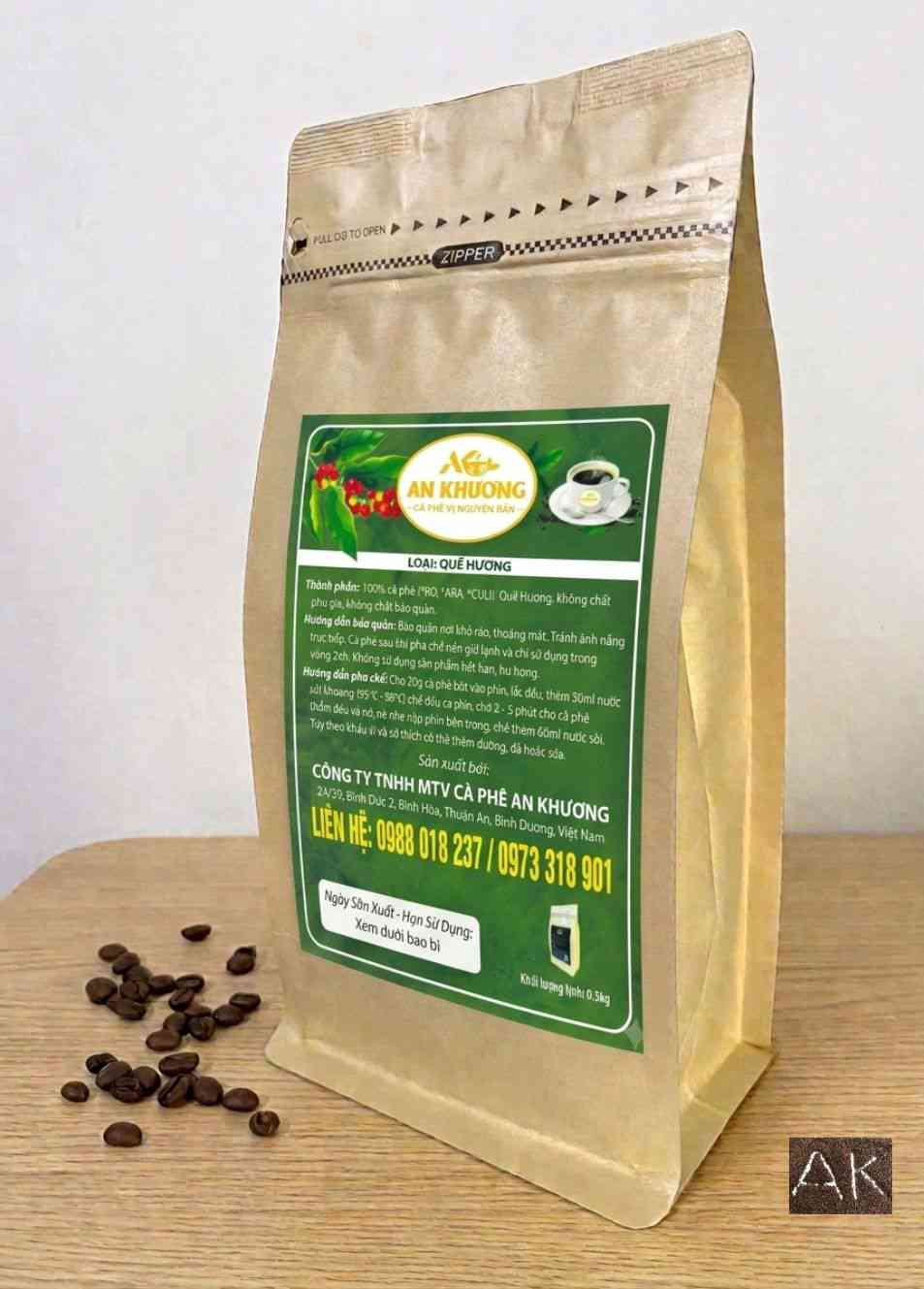
An toàn thực phẩm và kiểm soát chất lượng
FAO nhấn mạnh an toàn thực phẩm là một hệ thống xuyên suốt chuỗi thực phẩm, từ nguyên liệu đến sản phẩm cuối. Với cà phê hòa tan, doanh nghiệp cần xác định các mối nguy phù hợp với sản phẩm và thị trường, hệ thống kiểm soát, hồ sơ lô và tiêu chí kiểm nghiệm. Hiệp định SPS của WTO cho phép các nước áp dụng biện pháp cần thiết để bảo vệ sức khỏe con người, động vật và thực vật, đồng thời đặt ra nguyên tắc để các biện pháp đó không trở thành hạn chế thương mại tùy tiện. Điều quan trọng là không có một bộ chỉ tiêu xét nghiệm giống nhau cho mọi thị trường. Yêu cầu phải được kiểm tra theo nơi nhập khẩu và loại sản phẩm.
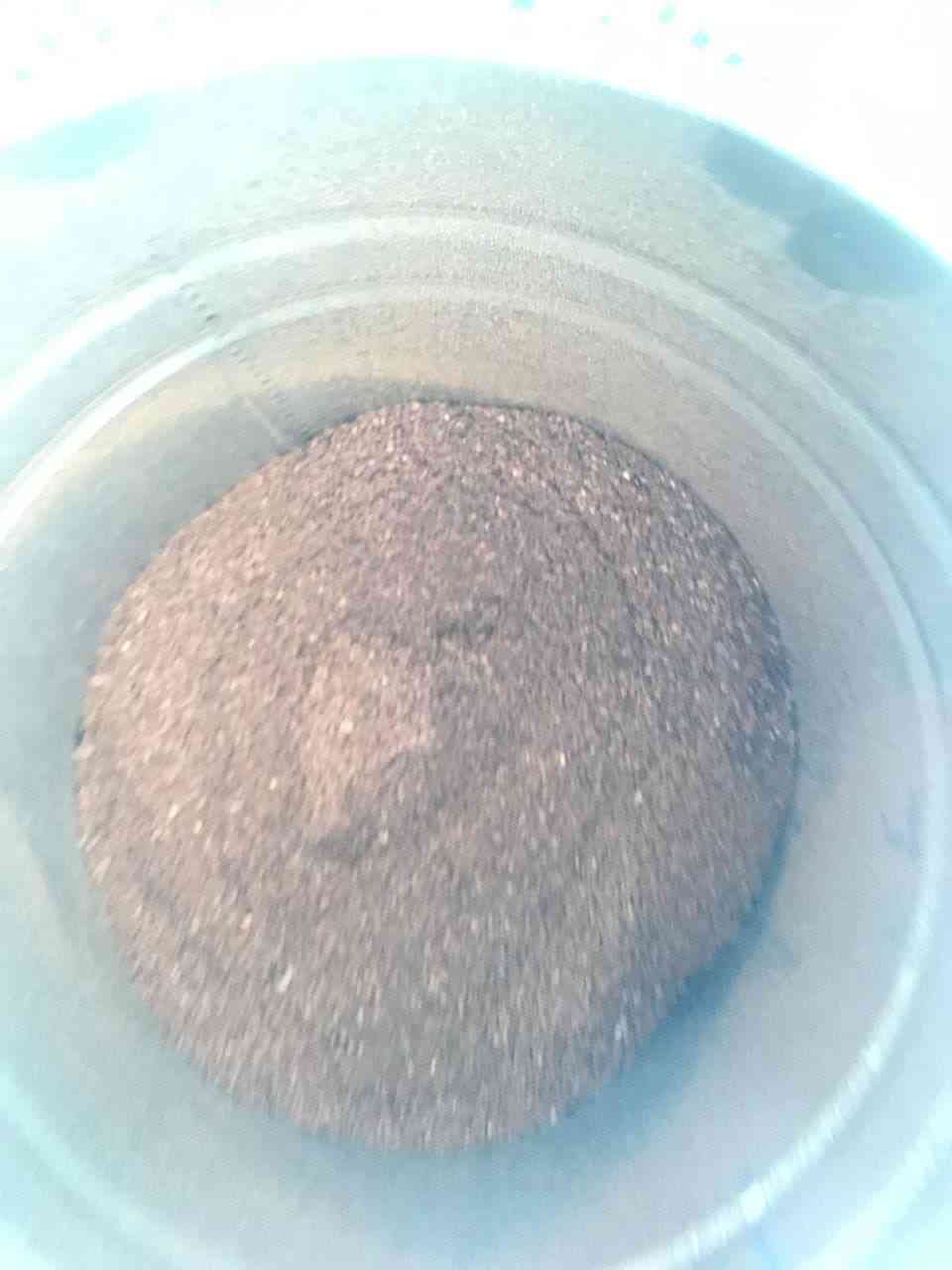
Nhãn hàng hóa và thông tin sản phẩm
Sản phẩm bán lẻ thường phải thể hiện những thông tin mà thị trường đích yêu cầu, chẳng hạn tên sản phẩm, thành phần, khối lượng, thông tin nhà sản xuất hoặc đơn vị chịu trách nhiệm, ngày tháng liên quan và hướng dẫn bảo quản nếu thuộc phạm vi yêu cầu. Không nên thiết kế một nhãn rồi mặc định dùng cho mọi nước. Ngôn ngữ, đơn vị đo, cách công bố thành phần và yêu cầu về dị ứng có thể khác. Nhãn cần được kiểm tra cùng hồ sơ sản phẩm trước khi in số lượng lớn. Sửa nhãn sau khi hàng đã đóng gói có thể tạo chi phí và chậm giao hàng.
Độ ổn định, bảo quản và vận chuyển
Cà phê hòa tan có ưu điểm về độ ổn định so với cà phê rang tươi, nhưng vẫn nhạy với ẩm và điều kiện bao gói. Bao bì phải bảo vệ sản phẩm trong thời gian dự kiến lưu kho và vận chuyển. Doanh nghiệp nên xác định điều kiện bảo quản, vật liệu bao bì, kích thước đơn vị bán và thời gian vận chuyển dự kiến. Nếu hàng đi qua vùng khí hậu nóng ẩm, yêu cầu thực tế có thể khác với thử nghiệm trong điều kiện khô mát. Hồ sơ về hạn sử dụng nên dựa trên dữ liệu ổn định phù hợp với sản phẩm, thay vì chọn một con số chỉ vì đó là thông lệ của sản phẩm khác.
Kiểm tra yêu cầu theo từng thị trường
Một quy trình thực tế có thể bắt đầu bằng mã hàng và mô tả sản phẩm, sau đó kiểm tra yêu cầu an toàn thực phẩm, nhãn, thành phần, bao bì và hồ sơ nhập khẩu của nước đích. WTO yêu cầu các thành viên công bố các thủ tục, yêu cầu tài liệu và các hạn chế liên quan đến nhập khẩu để doanh nghiệp có thể tiếp cận thông tin. Với cà phê hòa tan, việc kiểm tra trước khi sản xuất số lượng lớn đặc biệt quan trọng. Nếu thị trường yêu cầu một thông tin mà nhãn hoặc hồ sơ hiện tại chưa có, doanh nghiệp có thể phải sửa cả lô hàng. Vì vậy, yêu cầu bổ sung nên được xác định từ đầu theo đúng sản phẩm và đúng thị trường.
Yêu cầu thị trường có thể thay đổi
Quy định về nhãn, thành phần và an toàn thực phẩm có thể được sửa đổi. Doanh nghiệp xuất khẩu thường xuyên cần có bước rà soát định kỳ thay vì kiểm tra một lần rồi dùng mãi. Nguồn chính thức của cơ quan quản lý tại thị trường đích nên là căn cứ cuối cùng khi chuẩn bị hồ sơ.
Hồ sơ lô hàng cần nhất quán
Với cà phê hòa tan, doanh nghiệp nên quản lý mã lô từ nguyên liệu đến thành phẩm và liên kết mã đó với hồ sơ kiểm nghiệm, ngày sản xuất và bao bì. Khi thị trường đích yêu cầu truy xuất hoặc kiểm tra, hồ sơ nhất quán giúp xác định đúng sản phẩm thay vì phải rà lại toàn bộ kho.
Quy cách bán lẻ làm tăng yêu cầu hồ sơ
Một lô cà phê hòa tan đóng bao lớn cho doanh nghiệp khác với các gói nhỏ bán trực tiếp cho người tiêu dùng. Khi quy cách thay đổi, thông tin nhãn, mã sản phẩm, đóng gói ngoài và cách quản lý lô cũng có thể thay đổi. Vì vậy, hồ sơ xuất khẩu nên được xây dựng theo đúng đơn vị thương mại thực tế.
Tài liệu tham khảo
- WCO, Harmonized System 2022 — https://www.wcoomd.org/-/media/wco/public/global/pdf/topics/nomenclature/instruments-and-tools/hs-nomenclature-2022/2022/0209_2022e.pdf?la=en
- FAO, Food safety and quality guidance — https://www.fao.org/food-safety/en/
- WTO, SPS Agreement — https://www.wto.org/english/tratop_e/sps_e/spsagr_e.htm
Instant Coffee Is a Different Product State for Export
Instant coffee is no longer coffee in its original bean form. It has passed through processing and is typically marketed as a soluble powder or granulated product, with a defined formulation and packaging format. For that reason, exporters should not simply reuse the documentation prepared for green or roasted coffee. Product classification, description, labeling, composition, food-safety requirements, and import documentation should be established from the finished product and the destination market. The first step is to define exactly what is being shipped, rather than assuming that all coffee products follow the same regulatory path.
Composition and Packaging Format Affect the Documentation
A product made only from coffee may require a different description from an instant formulation containing sugar, milk, or other ingredients. Packaging format also affects the information that must be displayed and the way the product is handled commercially. From a trade perspective, the formula, technical specification, label, invoice, and quality documentation should remain consistent. A small change in composition can alter how a destination market classifies the product or what information must appear on the label. The exporter should therefore lock the commercial version of the product before finalizing the export file and should never substitute documents from another formulation.
Food Safety and Quality Control
Food safety is a system that runs through the food chain, from raw materials to the finished product. For instant coffee, the relevant hazards, controls, batch records, testing criteria, and release procedures should be defined for the actual formulation and process. WTO rules allow governments to apply sanitary measures needed to protect human, animal, or plant health, subject to the principles of the SPS Agreement. There is therefore no single laboratory panel that automatically applies to every instant coffee product in every country. Testing requirements should be checked against the importing market and the actual composition and form of the product.
Product Labels and Required Information
Retail products normally need to display the information required by the destination market, which may include the product name, ingredients, net quantity, responsible manufacturer or operator, relevant dates, storage instructions, and other mandatory statements. A label designed for one country should not automatically be treated as suitable for all markets. Language, measurement units, ingredient declaration rules, allergen requirements, and presentation conventions can differ. The label should be reviewed together with the product specification and export documents before mass printing. Correcting labels after packaging can be expensive and can delay shipment.
Stability, Storage, and Transport
Instant coffee is generally more stable than freshly roasted coffee, but it remains sensitive to moisture and packaging conditions. Packaging must protect the product for the expected storage and transportation period. Exporters should define storage conditions, packaging materials, commercial pack sizes, and expected transit time. Shipments passing through hot and humid climates may face different practical conditions from those used in a dry, controlled test environment. Shelf-life documentation should therefore be supported by stability information appropriate to the actual product instead of being copied from another coffee formulation.
Check Requirements Market by Market
A practical export review can begin with the product classification and description, followed by checks on food safety, labeling, ingredients, packaging, and import documentation in the destination country. WTO trade-facilitation principles support access to published import procedures and documentation requirements. For instant coffee, checking these points before large-scale production is especially valuable. If the market requires information that is missing from the label or technical file, the exporter may have to modify an entire production lot. Destination requirements should therefore be identified before the product is finalized.
Market Requirements Can Change
Labeling, ingredient, and food-safety rules can be amended. Businesses that export regularly need a review process rather than treating compliance as a one-time exercise. The official authority or regulatory source in the destination market should be the final reference when preparing a shipment. A document that was correct for a previous shipment may no longer be sufficient if the applicable rule has changed.
The Shipment File Needs Internal Consistency
For instant coffee, lot identification should connect raw materials, finished product, test results, production dates, packaging, and shipment records. If the destination authority requests traceability or inspection, consistent records make it possible to identify the correct product quickly. The goal is not simply to accumulate documents, but to make sure that the documents refer to the same product version and lot.
Retail Pack Sizes Increase Documentation Needs
A bulk instant coffee shipment to another business is commercially different from small retail sachets sold directly to consumers. When the pack format changes, label information, product codes, outer packaging, and lot-management procedures may also change. Export documentation should therefore be prepared around the actual commercial unit being sold. The more directly a product reaches consumers, the more important accurate retail information becomes. This also means that the exporter should keep the formulation, packaging specification, label artwork, lot code, and quality records synchronized. If a retail pack is changed after a regulatory review, the corresponding technical and commercial documents should be updated at the same time. Treating packaging as part of the product specification reduces the risk of a shipment containing information that no longer matches the actual goods. The same principle applies when a buyer requests a private-label format or a different serving size. The commercial identity of the product should remain connected to its technical identity. A disciplined document set makes it easier to answer a customs question, support a food-safety review, or trace a particular lot without reconstructing the shipment from scattered records. For exporters working with several destinations, maintaining separate market-specific label and compliance files can also prevent one country's requirements from being copied into another market by mistake. Before release, the shipment file should be checked as one package: the formula should match the specification, the specification should match the label, the label should match the commercial documents, and the lot information should match the quality records. This final consistency check is especially useful for processed coffee because the finished product is further removed from the original green bean and may be regulated according to its own characteristics.
References
- WCO, Harmonized System 2022 — https://www.wcoomd.org/en/topics/nomenclature/instrument-and-tools/hs-nomenclature-2022-edition/hs-nomenclature-2022-edition.aspx
- FAO, Food safety and quality guidance — https://www.fao.org/3/i8465en/I8465EN.pdf
- WTO, SPS Agreement — https://www.wto.org/english/tratop_e/sps_e/spsagr_e.htm