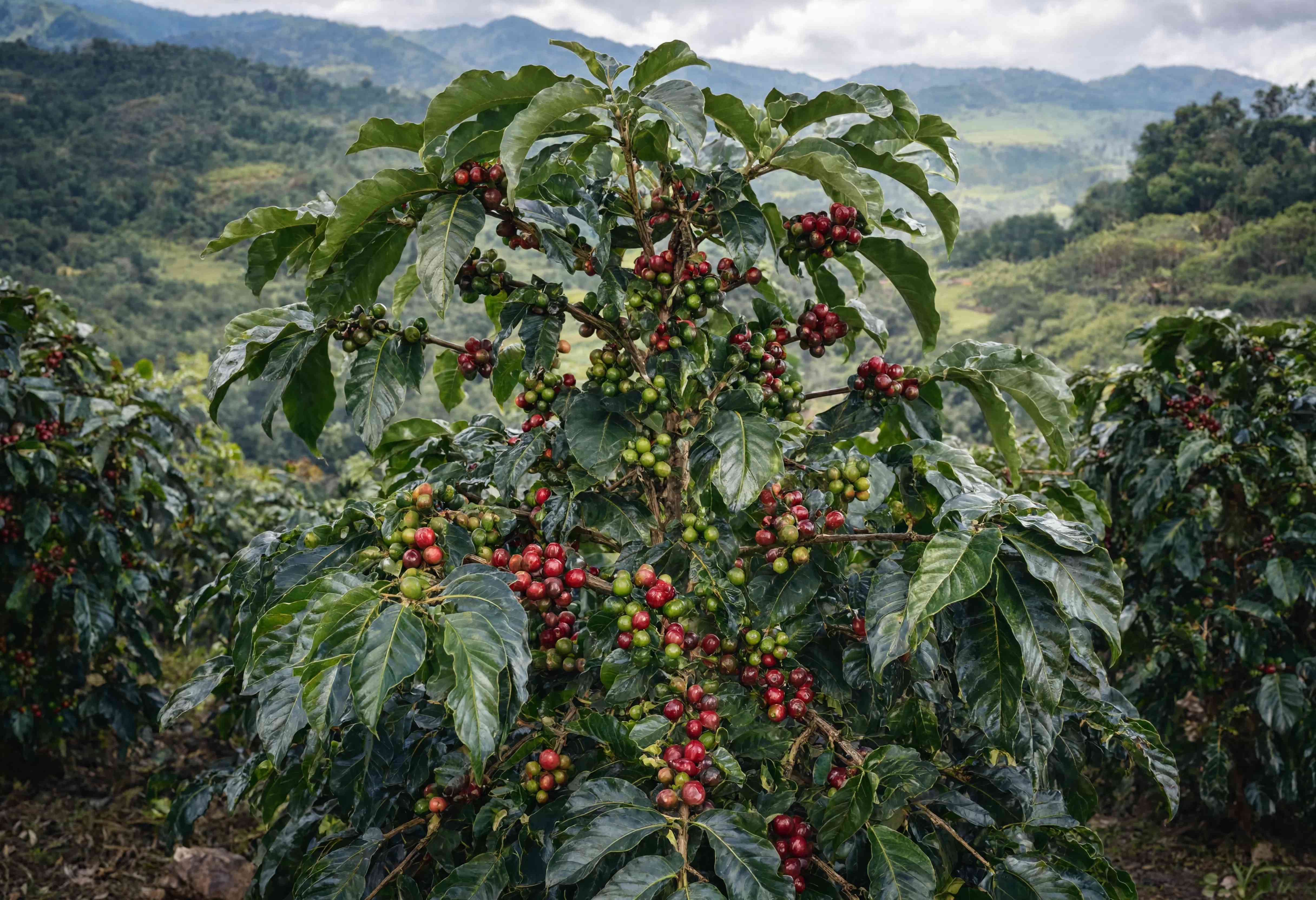
Không có một tiêu chí duy nhất quyết định một loại cà phê xanh có phù hợp với nhà rang hay không. Điểm cảm quan, chất lượng vật lý, nguồn gốc, khả năng cung ứng, tuổi cà phê, giá và mục tiêu sản phẩm phải được đặt trong cùng một bài toán. Một lô có điểm cao nhưng không ổn định về nguồn cung hoặc không phù hợp với sản phẩm chưa chắc là lựa chọn tốt nhất.
Xác định mục tiêu trước khi chọn nguyên liệu
Nhà rang nên xác định sản phẩm trước: dùng cho pha lọc, espresso, phối trộn hay một mục tiêu khác; sản lượng cần bao nhiêu; khách hàng chấp nhận mức giá nào; và mức ổn định cần thiết ra sao. Khi mục tiêu rõ, tiêu chí mua trở nên cụ thể hơn.
Một nguyên liệu phù hợp cho sản phẩm này có thể không phù hợp cho sản phẩm khác. Vì vậy, lựa chọn cà phê xanh là bài toán phù hợp chứ không phải cuộc thi tìm lô có điểm cao nhất.
Tiêu chí vật lý của cà phê xanh
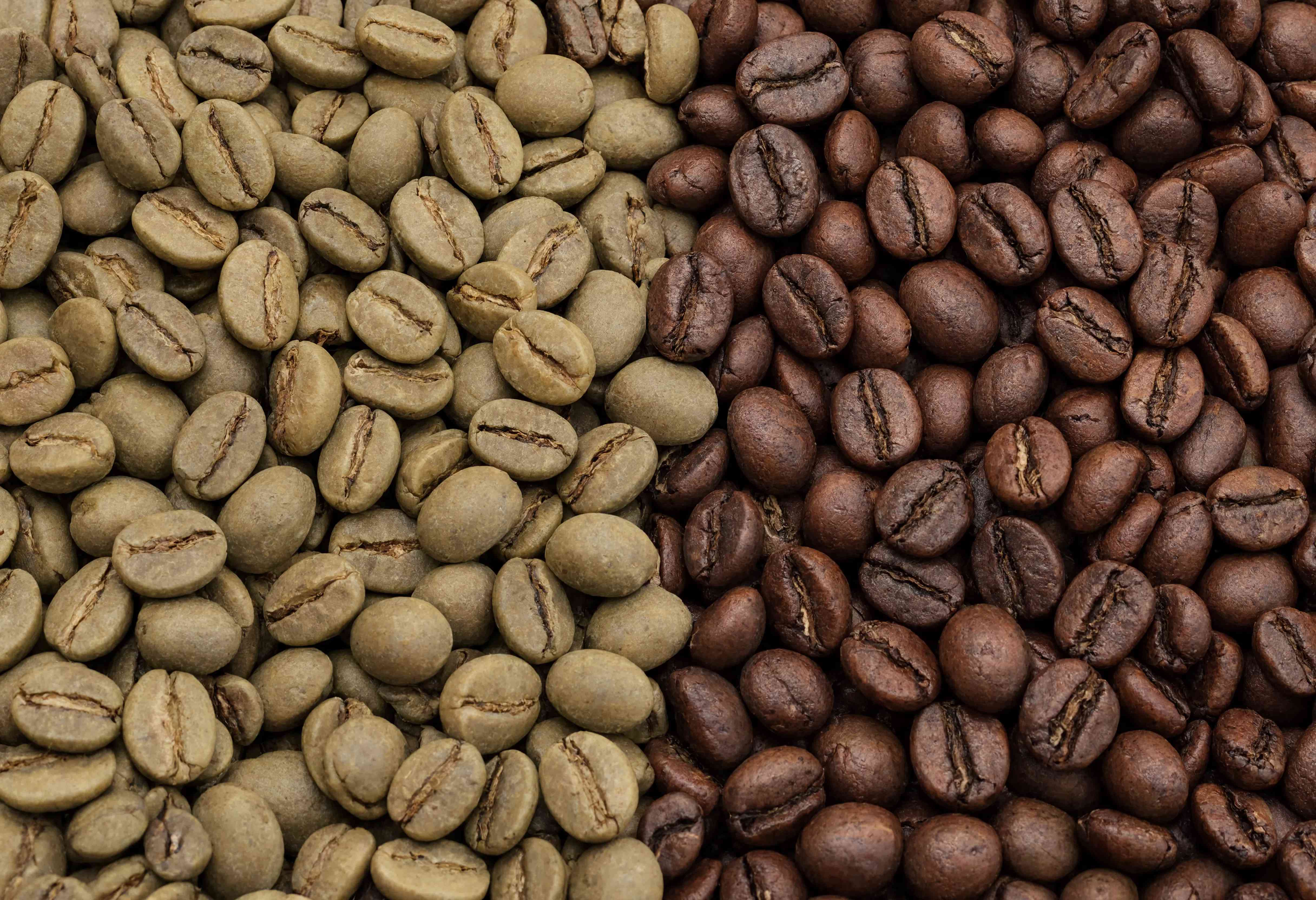
Các đặc tính như độ ẩm, kích thước, mật độ, khuyết tật và tính đồng đều giúp nhà rang hiểu tình trạng của nguyên liệu trước khi đưa vào máy. SCA đưa các thuộc tính vật lý vào lớp Physical Assessment của cà phê Đánh giá giá trị cà phê.
Những chỉ số này không nên được đọc tách rời. Một mẫu có độ ẩm phù hợp nhưng nhiều khuyết tật hoặc không đồng đều vẫn có thể tạo rủi ro. Ngược lại, một khác biệt nhỏ về kích thước không tự động làm cà phê không phù hợp nếu quá trình rang và mục tiêu sản phẩm có thể kiểm soát được.
Tiêu chí cảm quan và thông tin nguồn gốc
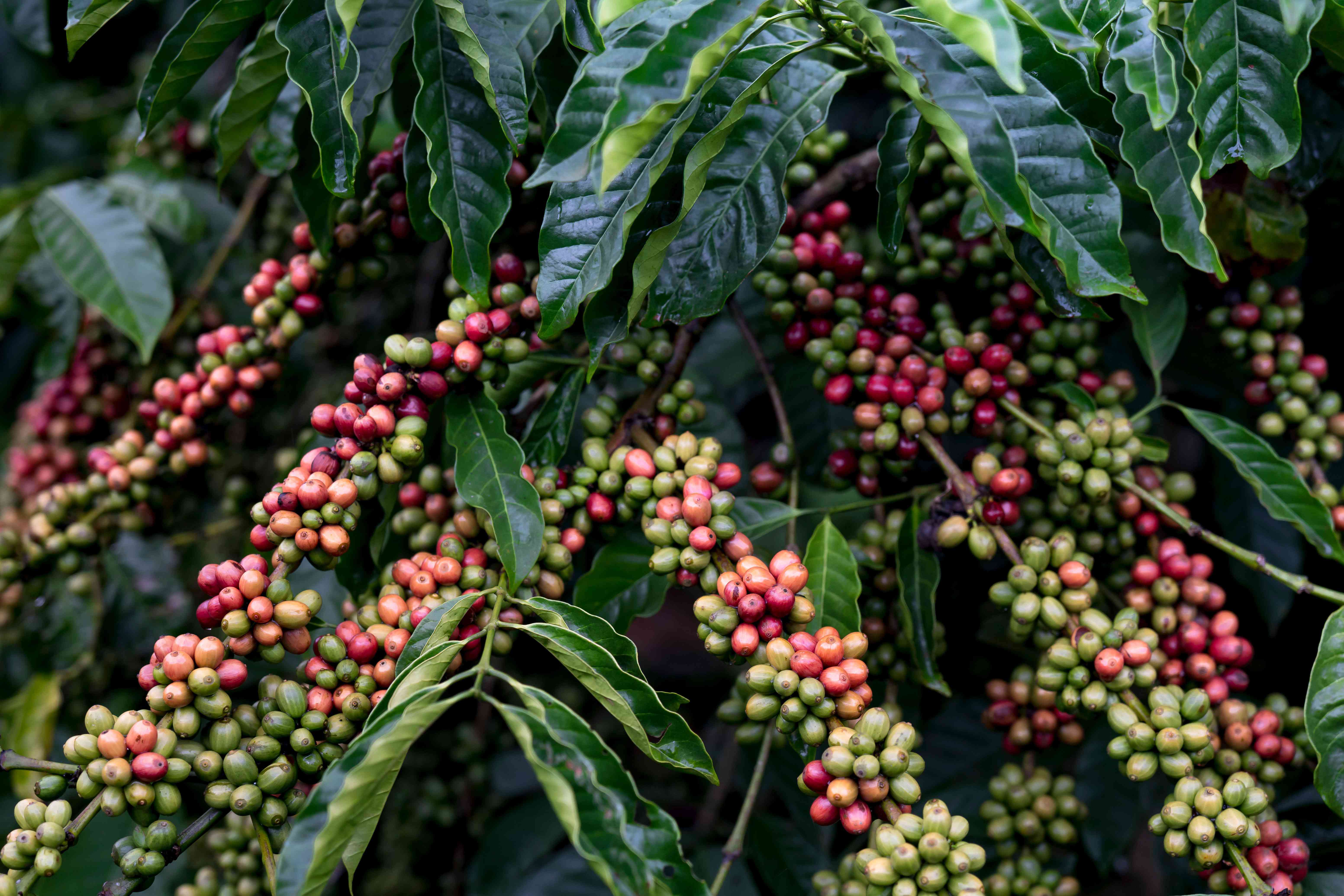
Đánh giá cảm quan giúp xác định hương, vị, kết cấu và hậu vị theo phương pháp có cấu trúc. Thông tin ngoài tách như vùng trồng, giống, phương pháp sơ chế và khả năng truy xuất giúp giải thích bối cảnh của mẫu. SCA hiện tách các lớp đánh giá này để tránh việc dồn mọi thông tin vào một điểm số.
Nguồn gốc cũng có giá trị trong quản lý rủi ro. Nếu một lô có đặc tính tốt nhưng thông tin về quy trình, mùa vụ hoặc điều kiện lưu kho không rõ, nhà rang có thể khó dự đoán tính ổn định của những lô tiếp theo.
Khả năng rang và độ ổn định của nguyên liệu
Nhà rang cần xem nguyên liệu phản ứng thế nào trong quá trình rang. Cùng một hồ sơ rang không nhất thiết cho cùng kết quả với mọi lô vì độ ẩm, mật độ, kích thước và tuổi cà phê khác nhau. Vì vậy, đánh giá khả năng rang nên đi cùng thử mẫu và ghi nhận dữ liệu.
Mục tiêu không phải tìm một loại hạt “dễ rang” theo nghĩa tuyệt đối, mà là hiểu mức độ kiểm soát cần thiết. Nếu một nguyên liệu đòi hỏi điều chỉnh lớn nhưng tạo ra sản phẩm phù hợp, đó vẫn có thể là lựa chọn tốt; vấn đề là nhà rang có đủ năng lực kiểm soát hay không.
Nguồn cung, mùa vụ và tuổi cà phê
Nguồn cung liên tục là một tiêu chí kinh doanh. Nhà rang cần biết lượng hàng có thể mua, thời gian bổ sung, niên vụ và tình trạng kho. SCA lưu ý rằng cà phê xanh thay đổi theo thời gian; cà phê mới có thể mất dần màu sắc, hương và độ sống động khi già đi, với tốc độ khác nhau giữa các loại.
Vì vậy, một lô tốt nhưng tồn kho quá lâu có thể trở thành một quyết định kém hiệu quả. Tuổi hàng cần được kết nối với tốc độ tiêu thụ và điều kiện bảo quản thay vì xem như một thông tin phụ.
Đánh giá tổng hợp thay vì chọn theo một chỉ số
Cuối cùng, nhà rang cần cân bằng chất lượng, giá, nguồn cung, rủi ro và mục tiêu sản phẩm. Có thể lập bảng tiêu chí nhưng trọng số phải phản ánh mô hình kinh doanh. Một quán cần nguồn ổn định quanh năm có thể coi khả năng cung ứng là yếu tố quan trọng hơn một đặc tính nhỏ về điểm cảm quan.
Cách đánh giá nhiều lớp cũng phù hợp với tinh thần cà phê Đánh giá giá trị cà phê của SCA: không phụ thuộc vào một điểm duy nhất mà kết hợp thông tin vật lý, cảm quan và thông tin ngoài tách để hiểu đầy đủ hơn về giá trị của cà phê.
Trong thực tế, chất lượng của quyết định phụ thuộc nhiều vào cách tổ chức thông tin hơn là số lượng chỉ tiêu được thu thập. Một cơ sở có thể có rất nhiều dữ liệu nhưng vẫn khó kiểm soát nếu dữ liệu không được ghi cùng đơn vị, không có thời điểm rõ ràng hoặc không liên kết được với kết quả cuối cùng. Ngược lại, một bộ dữ liệu vừa đủ nhưng nhất quán có thể giúp phát hiện xu hướng, so sánh các lô và giải thích sai lệch nhanh hơn. Vì vậy, khi triển khai nội dung này ở quy mô vận hành, nên bắt đầu từ những biến thực sự ảnh hưởng đến quyết định, quy định cách ghi nhận, rồi mở rộng dần khi nhu cầu phân tích tăng.
Kết luận
Một cách nhìn có ích với chủ đề này là tránh tìm một đáp án áp dụng cho mọi cơ sở, mọi vùng trồng hoặc mọi mô hình kinh doanh. Chất lượng, môi trường và hiệu quả kinh tế đều phụ thuộc vào dữ liệu thực tế và ranh giới đánh giá. Vì vậy, quyết định tốt thường bắt đầu từ việc xác định đúng mục tiêu, thu thập đúng dữ liệu, rồi so sánh các phương án trong cùng một điều kiện. Khi làm được như vậy, một chỉ số đơn lẻ sẽ trở thành một phần của bức tranh lớn hơn thay vì bị dùng như một kết luận tuyệt đối.
- SCA – Coffee Value Assessment — https://sca.coffee/value-assessment
- SCA – How to Prepare for the Q Grader Course — https://education.sca.coffee/how-to-prepare-for-the-q-grader-course
- SCA – Standards — https://sca.coffee/research/coffee-standards
- SCA – Coffee Decoded: Fresh Crop — https://sca.coffee/sca-news/coffee-decoded-10-fresh-green-coffee
There is no single criterion that determines whether a green coffee is suitable for a roaster. Sensory quality, physical condition, origin, supply availability, coffee age, price, and the intended product all belong in the same decision. A lot with a high sensory result may still be a poor choice if supply is unreliable or the coffee does not fit the product being sold.
Define the Product Objective Before Selecting the Coffee
A roaster should define the product before defining the purchasing criteria: will the coffee be used for filter brewing, espresso, blending, or another purpose; how much volume is required; what price can the customer accept; and how much consistency is necessary? Once the objective is clear, the purchasing criteria become much more specific.
A raw material that fits one product may be unsuitable for another. Green coffee selection is therefore a problem of fit, not a competition to find the lot with the highest score.
Physical Criteria for Green Coffee
Physical characteristics such as moisture, size, density, defects, and uniformity help a roaster understand the condition of the raw material before it enters the machine. The Specialty Coffee Association includes physical attributes within the Physical Assessment layer of Coffee Value Assessment.
These measurements should not be interpreted in isolation. A sample with acceptable moisture but a high defect load or poor uniformity can still create risk. Conversely, a small difference in bean size does not automatically make a coffee unsuitable if the roasting process and product objective can accommodate it.
Sensory Criteria and Origin Information
Sensory assessment helps characterize aroma, flavor, mouthfeel, and aftertaste through a structured process. Extrinsic information such as growing region, variety, processing method, and traceability provides context for the sample. The SCA separates these layers of assessment rather than forcing every kind of information into one score.
Origin information also has value for risk management. A lot may have attractive characteristics, but if information about its processing, crop, or storage conditions is unclear, the roaster may have less confidence in the stability of future lots.
Roastability and Raw-Material Stability
The roaster also needs to understand how the coffee behaves during roasting. The same roast profile will not necessarily produce the same result with every lot because moisture, density, size, and age can differ. For that reason, roastability should be assessed through sample roasting and recorded data rather than assumed from the green-bean appearance alone.
The goal is not to find a coffee that is absolutely “easy to roast,” but to understand how much control it requires. If a coffee needs substantial adjustment yet produces a product that fits the market, it can still be a sound choice. The relevant question is whether the roaster has the capability to control the process.
Supply, Crop Timing, and Coffee Age
Reliable supply is a business criterion. A roaster needs to know how much can be purchased, when additional coffee will become available, the crop year, and the condition of existing inventory. The SCA notes that green coffee changes over time; fresh coffee can gradually lose some of its color, aroma, and liveliness as it ages, with the rate varying among coffees.
A good lot that remains in storage too long can therefore become an inefficient choice. Coffee age should be considered together with consumption rate and storage conditions rather than treated as a minor piece of information.
Assess the Whole Picture Rather Than One Metric
Ultimately, the roaster has to balance quality, price, supply, risk, and product purpose. A purchasing scorecard can be useful, but its weighting should reflect the business model. A café that needs dependable supply throughout the year may place more weight on availability than on a small difference in sensory score.
This layered approach is consistent with the logic of Coffee Value Assessment: rather than relying on a single number, combine physical information, sensory information, and extrinsic information to build a fuller picture of coffee value.
In practice, the quality of the decision depends as much on how information is organized as on how many measurements are collected. A business may have a large amount of data and still struggle if the data are recorded in inconsistent units, lack timestamps, or cannot be connected to the final result. A smaller but consistent data set can make trends, lot-to-lot comparisons, and sources of variation much easier to identify. For operational use, it is better to begin with the variables that genuinely influence the decision, define how they will be recorded, and expand the system as analytical needs grow.
A useful way to approach this subject is to avoid looking for a single answer that applies to every roasting business, growing region, or commercial model. Quality, environmental conditions, and economic performance depend on the actual data and on the boundaries of the assessment. Good decisions therefore usually begin by defining the objective, collecting the right information, and comparing alternatives under comparable conditions. A single metric then becomes one part of a larger picture rather than an absolute conclusion.
The same principle applies when criteria are turned into a purchasing workflow. A roaster can begin with the product specification, identify the green-coffee characteristics that matter most, and then decide which observations require measurement and which require sensory judgment. The resulting record should make it possible to compare one lot with another without losing the context in which each lot will be used. This matters especially when several coffees appear attractive for different reasons. A higher sensory result may be valuable, but only if the business can obtain enough coffee, manage its age, roast it reliably, and sell the resulting product at an acceptable cost. The strongest purchasing decision is therefore rarely the one with the most impressive single number. It is the one in which the important evidence is connected to the actual commercial purpose of the coffee. The criteria can then be reviewed when the product, customer, supply situation, or production scale changes, rather than being treated as a permanent checklist. This keeps the purchasing decision aligned with what the business actually needs from the coffee.
The criteria can also be ranked differently at different points in a business. A new product may require close attention to sensory fit, while a mature product may place greater emphasis on dependable replenishment and predictable cost. A lot intended for a specific brewing format may be judged differently from one intended for blending. What matters is that the criteria are explicit enough to explain the choice. That makes it easier to compare alternatives, revisit a decision when conditions change, and avoid treating a single measurement as a universal definition of quality.
- SCA – Coffee Value Assessment — https://sca.coffee/value-assessment
- SCA – How to Prepare for the Q Grader Course — https://education.sca.coffee/how-to-prepare-for-the-q-grader-course
- SCA – Standards — https://sca.coffee/research/coffee-standards
- SCA – Coffee Decoded: Fresh Crop — https://sca.coffee/sca-news/coffee-decoded-10-fresh-green-coffee