Đánh giá một lô cà phê trước khi mua không nên được hiểu là thử một mẫu rồi quyết định ngay. Nhà rang cần ghép thông tin lô, kiểm tra vật lý, đánh giá cảm quan, thử rang và cuối cùng là xem mức độ rủi ro khi lô thương mại được giao. Mục tiêu là trả lời hai câu hỏi cùng lúc: cà phê này có chất lượng và đặc tính phù hợp không, và kết quả từ mẫu có đủ đáng tin để đại diện cho lô hay chưa.
Thông tin lô cần được kiểm tra trước khi thử mẫu
Trước khi mở mẫu, cần biết nguồn gốc, phương pháp sơ chế, mùa vụ, khối lượng, điều kiện lưu kho và hồ sơ của lô. Những thông tin này giúp đặt kết quả thử mẫu vào bối cảnh. Một mẫu tốt nhưng lô nhỏ, nguồn cung không ổn định hoặc điều kiện lưu kho không rõ vẫn có thể tạo rủi ro.
Thông tin lô cũng liên quan đến khả năng mua lại. Nếu sản phẩm cần cung ứng quanh năm, nhà rang phải biết mùa vụ và thời gian bổ sung. Quyết định mua không chỉ là quyết định về một mẫu tại một thời điểm.
Kiểm tra vật lý mẫu
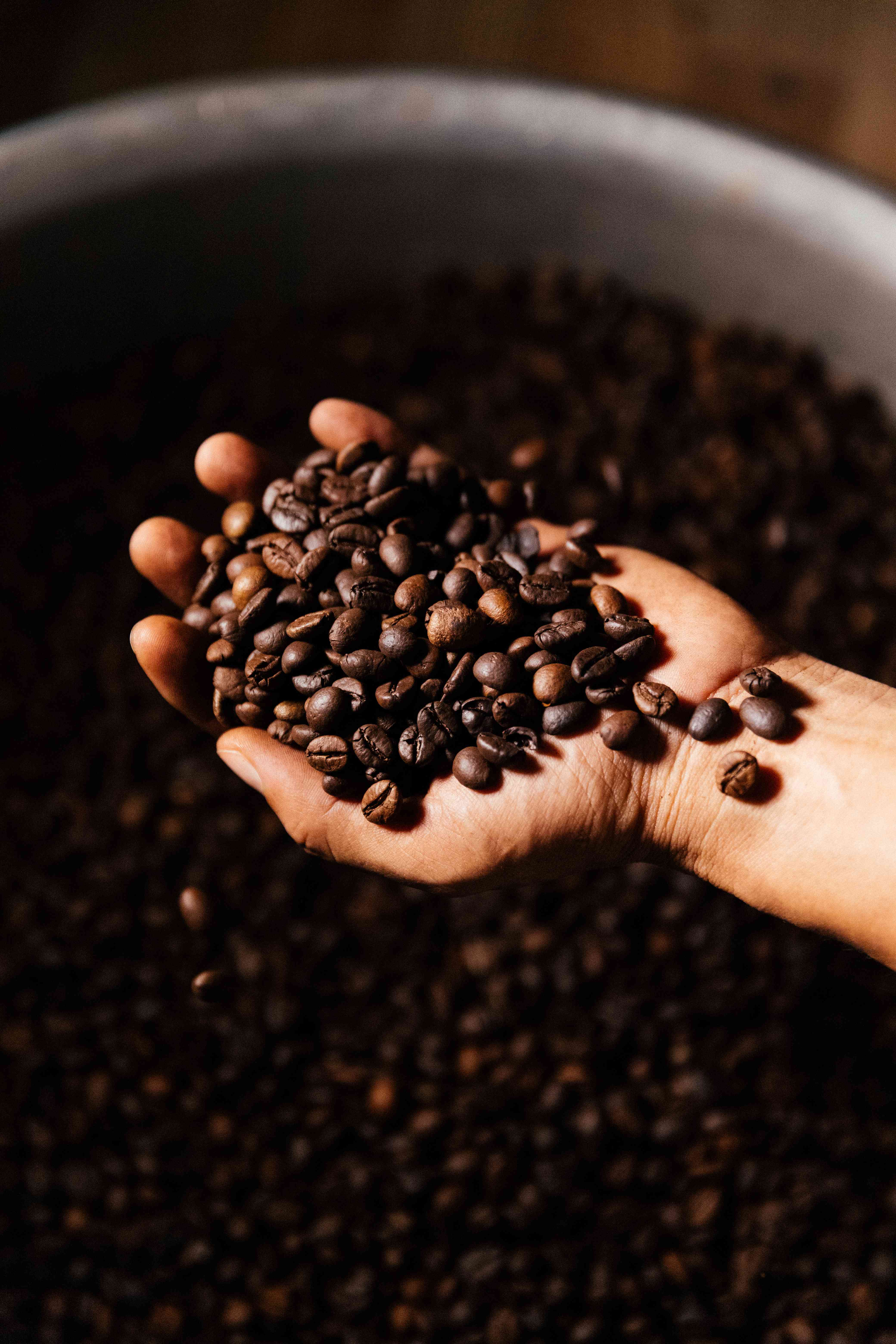
Các chỉ tiêu vật lý như độ ẩm, kích thước, khuyết tật, mật độ và tính đồng đều giúp nhận diện những vấn đề có thể ảnh hưởng đến rang và chất lượng. SCA đưa các thuộc tính này vào Physical Assessment, cho thấy kiểm tra vật lý là một lớp riêng chứ không phải phần phụ của đánh giá cảm quan.
Điều cần lưu ý là mẫu chỉ phản ánh chính xác lô khi quá trình lấy mẫu đủ đại diện. Nếu lô không đồng nhất mà chỉ lấy một phần nhỏ, kết quả có thể tốt hơn hoặc xấu hơn thực tế. Vì vậy, độ tin cậy của mẫu là một phần của quyết định mua.
Đánh giá cảm quan mẫu
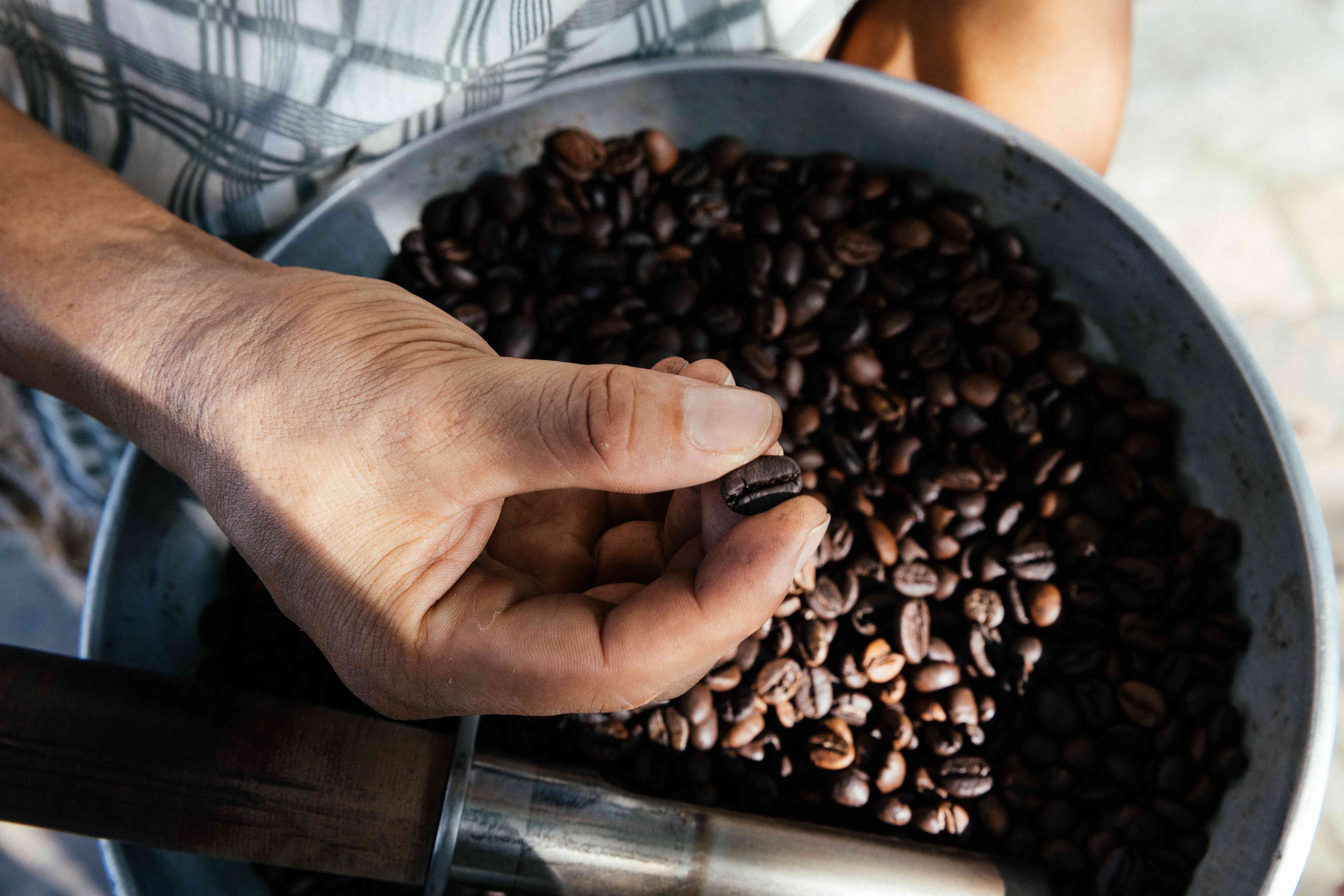
Đánh giá cảm quan cần được chuẩn hóa về cách chuẩn bị và ghi nhận để giảm ảnh hưởng của điều kiện thử. SCA cà phê Đánh giá giá trị cà phê tách đánh giá mô tả, đánh giá cảm nhận và thông tin ngoài tách, giúp người đánh giá phân biệt đặc tính quan sát được với mức độ phù hợp theo sở thích hoặc thị trường.
Nhà rang không nên chỉ hỏi mẫu có “ngon” hay không. Cần xác định đặc tính nào ổn định, đặc tính nào quan trọng với sản phẩm và có khuyết tật hay dấu hiệu bất thường nào. Kết quả càng cụ thể thì càng dễ so sánh giữa các lô.

rang mẫu và khả năng tái lập kết quả
Rang mẫu giúp nhà rang quan sát tiềm năng của cà phê xanh trong điều kiện kiểm soát. SCA cũng xem máy rang mẫu là thiết bị phục vụ đánh giá cà phê xanh trong môi trường đào tạo chuyên môn. Sau rang, mẫu có thể được đánh giá lại bằng cảm quan và các phép đo phù hợp.
Một kết quả rang mẫu tốt vẫn chưa chứng minh rằng toàn bộ lô sẽ giống hệt. Thiết bị, quy mô mẻ và độ đồng đều của lô thương mại có thể khác. Vì vậy, rang mẫu nên được xem là bước giảm bất định, không phải lời bảo đảm tuyệt đối.
Đối chiếu chất lượng với yêu cầu sản phẩm
Một lô cà phê có thể đạt chất lượng tốt nhưng không phù hợp với sản phẩm cụ thể. Nhà rang cần đối chiếu với phương pháp pha, hồ sơ vị mong muốn, giá thành mục tiêu và sản lượng. Đây là lý do SCA nhấn mạnh nhiều lớp giá trị thay vì một điểm số duy nhất.
Đánh giá theo mục tiêu giúp tránh mua nguyên liệu quá tốt hoặc quá đắt so với nhu cầu. Chất lượng chỉ tạo giá trị khi nó phù hợp với sản phẩm mà nhà rang thực sự bán.
Đánh giá rủi ro từ mẫu đến lô thương mại
Sau khi mẫu đạt yêu cầu, cần xem rủi ro thực hiện hợp đồng: biến động chất lượng, sai khác giữa các lô, tuổi hàng, vận chuyển, điều kiện kho và khả năng giao đúng khối lượng. Nếu nhà rang cần nguồn ổn định trong nhiều tháng, những yếu tố này có thể quan trọng ngang với kết quả cupping.
Quyết định cuối cùng nên kết hợp chất lượng với mức độ chắc chắn của thông tin. Khi dữ liệu còn thiếu, cách hợp lý là ghi rõ điểm chưa chắc chắn và yêu cầu thêm mẫu hoặc hồ sơ thay vì lấp khoảng trống bằng giả định.
Trong thực tế, chất lượng của quyết định phụ thuộc nhiều vào cách tổ chức thông tin hơn là số lượng chỉ tiêu được thu thập. Một cơ sở có thể có rất nhiều dữ liệu nhưng vẫn khó kiểm soát nếu dữ liệu không được ghi cùng đơn vị, không có thời điểm rõ ràng hoặc không liên kết được với kết quả cuối cùng. Ngược lại, một bộ dữ liệu vừa đủ nhưng nhất quán có thể giúp phát hiện xu hướng, so sánh các lô và giải thích sai lệch nhanh hơn. Vì vậy, khi triển khai nội dung này ở quy mô vận hành, nên bắt đầu từ những biến thực sự ảnh hưởng đến quyết định, quy định cách ghi nhận, rồi mở rộng dần khi nhu cầu phân tích tăng.
Kết luận
Một cách nhìn có ích với chủ đề này là tránh tìm một đáp án áp dụng cho mọi cơ sở, mọi vùng trồng hoặc mọi mô hình kinh doanh. Chất lượng, môi trường và hiệu quả kinh tế đều phụ thuộc vào dữ liệu thực tế và ranh giới đánh giá. Vì vậy, quyết định tốt thường bắt đầu từ việc xác định đúng mục tiêu, thu thập đúng dữ liệu, rồi so sánh các phương án trong cùng một điều kiện. Khi làm được như vậy, một chỉ số đơn lẻ sẽ trở thành một phần của bức tranh lớn hơn thay vì bị dùng như một kết luận tuyệt đối.
- SCA – Coffee Value Assessment — https://sca.coffee/value-assessment
- SCA – Premier Đào tạo Campus — https://sca.coffee/sca-premier-đào tạo-campus
- SCA – How to Prepare for the Q Grader Course — https://education.sca.coffee/how-to-prepare-for-the-q-grader-course
Evaluating a coffee lot before purchase should not mean tasting one sample and making an immediate decision. A roaster needs to combine lot information, physical inspection, sensory assessment, sample roasting, and finally an assessment of the risks involved when the commercial lot is delivered. The goal is to answer two questions at once: does this coffee have the quality and characteristics the product needs, and is the sample result reliable enough to represent the lot?
Check the Lot Information Before Testing the Sample
Before opening a sample, the buyer should know its origin, processing method, crop, volume, storage conditions, and lot records. This information puts the sample result into context. A good sample can still represent a risk if the lot is small, supply is unstable, or storage conditions are unclear.
Lot information also affects the possibility of replenishment. If the product must be supplied throughout the year, the roaster needs to understand crop timing and lead time for additional coffee. The purchasing decision is not only a decision about one sample at one moment.
Assess the Physical Condition of the Sample
Physical measures such as moisture, size, defects, density, and uniformity help identify issues that may affect roasting and quality. The SCA places these attributes within Physical Assessment, showing that physical inspection is a distinct layer rather than a minor part of sensory evaluation.
The important qualification is that a sample represents a lot accurately only when the sampling process itself is representative. If a lot is heterogeneous and only a small portion is sampled, the result may be better or worse than the commercial reality. Sample reliability is therefore part of the purchasing decision.
Evaluate the Sample Sensory Profile
Sensory assessment should be standardized in preparation and recording so that test conditions introduce as little variation as practical. Coffee Value Assessment separates descriptive assessment, affective assessment, and extrinsic information, helping assessors distinguish what they observe from how well the coffee fits a preference or market.
A roaster should not ask only whether the sample is “good.” The assessment should identify which characteristics are stable, which matter to the intended product, and whether defects or unusual signs are present. The more specific the record, the easier it is to compare lots.
Sample Roasting and the Reliability of the Result
Sample roasting allows the roaster to observe the potential of green coffee under controlled conditions. The SCA also treats sample roasters as equipment used for green-coffee assessment in professional training. After roasting, the sample can be evaluated again through sensory methods and appropriate measurements.
A strong sample-roast result still does not prove that the entire commercial lot will behave identically. Equipment, batch scale, and lot uniformity can differ. Sample roasting should therefore be treated as a way to reduce uncertainty, not as an absolute guarantee.
Match Quality Against the Product Requirements
A lot can be high quality and still be unsuitable for a particular product. The roaster needs to compare the coffee with the brewing method, desired flavor profile, target cost, and required volume. This is one reason the SCA emphasizes multiple layers of value rather than a single score.
Assessing against the product objective helps prevent buying raw material that is unnecessarily expensive or technically beyond what the product requires. Quality creates value only when it fits the product the roaster actually sells.
Assess the Risk from Sample to Commercial Lot
Once the sample meets the quality requirement, the buyer still needs to examine execution risk: quality variation, differences between lots, coffee age, transportation, storage conditions, and the ability to deliver the agreed volume. For a roaster that needs stable supply over several months, these factors can matter as much as the cupping result.
The final decision should combine quality with the degree of certainty in the available information. When important data are missing, the sound response is to identify the uncertainty and request additional samples or records rather than filling the gap with assumptions.
In practice, decision quality depends as much on how information is organized as on how many measurements are collected. A business may have a large amount of data and still struggle if records use inconsistent units, lack clear dates, or cannot be linked to the final result. A smaller but consistent data set can reveal trends, support lot comparisons, and make variation easier to explain. For operational use, it is better to begin with the variables that actually affect the decision, define how they will be recorded, and expand the system as analytical needs grow.
A useful way to approach this subject is to avoid looking for a single answer that applies to every roasting business, growing region, or commercial model. Quality, environmental conditions, and economic performance depend on the actual data and on the boundaries of the assessment. Good decisions therefore usually begin by defining the objective, collecting the right information, and comparing alternatives under comparable conditions. A single metric then becomes one part of a larger picture rather than an absolute conclusion.
A useful evaluation record can therefore be thought of as a chain of evidence rather than a single score. Lot information establishes what the coffee is supposed to be; physical assessment shows its condition; sensory assessment describes what is observed; sample roasting shows how the raw material responds to heat; and the product requirement determines whether the result is commercially relevant. The final step is to ask how confident the buyer can be that the evidence represents the commercial lot and whether the remaining uncertainty is acceptable. This approach avoids both extremes: rejecting a coffee because one measurement is imperfect, or accepting a lot because one sample happens to perform well. The purpose of the assessment is to make the purchasing decision more informed, more comparable, and more defensible. It also creates a record that can be revisited when the commercial lot arrives. If the delivered coffee behaves differently from the sample, the buyer has a basis for comparing what was expected with what was received and for deciding what needs further investigation.
The same logic makes the assessment useful after the purchase as well. If the delivered lot differs from the approved sample, the buyer can compare the original records with the commercial coffee and identify where the difference may have entered the chain. The purpose is not to create an elaborate scoring system for its own sake. It is to preserve enough evidence to support a sound decision, especially when quality, cost, supply continuity, and product fit must all be considered at once.
- SCA – Coffee Value Assessment — https://sca.coffee/value-assessment
- SCA – Premier Training Campus — https://sca.coffee/sca-premier-training-campus
- SCA – How to Prepare for the Q Grader Course — https://education.sca.coffee/how-to-prepare-for-the-q-grader-course