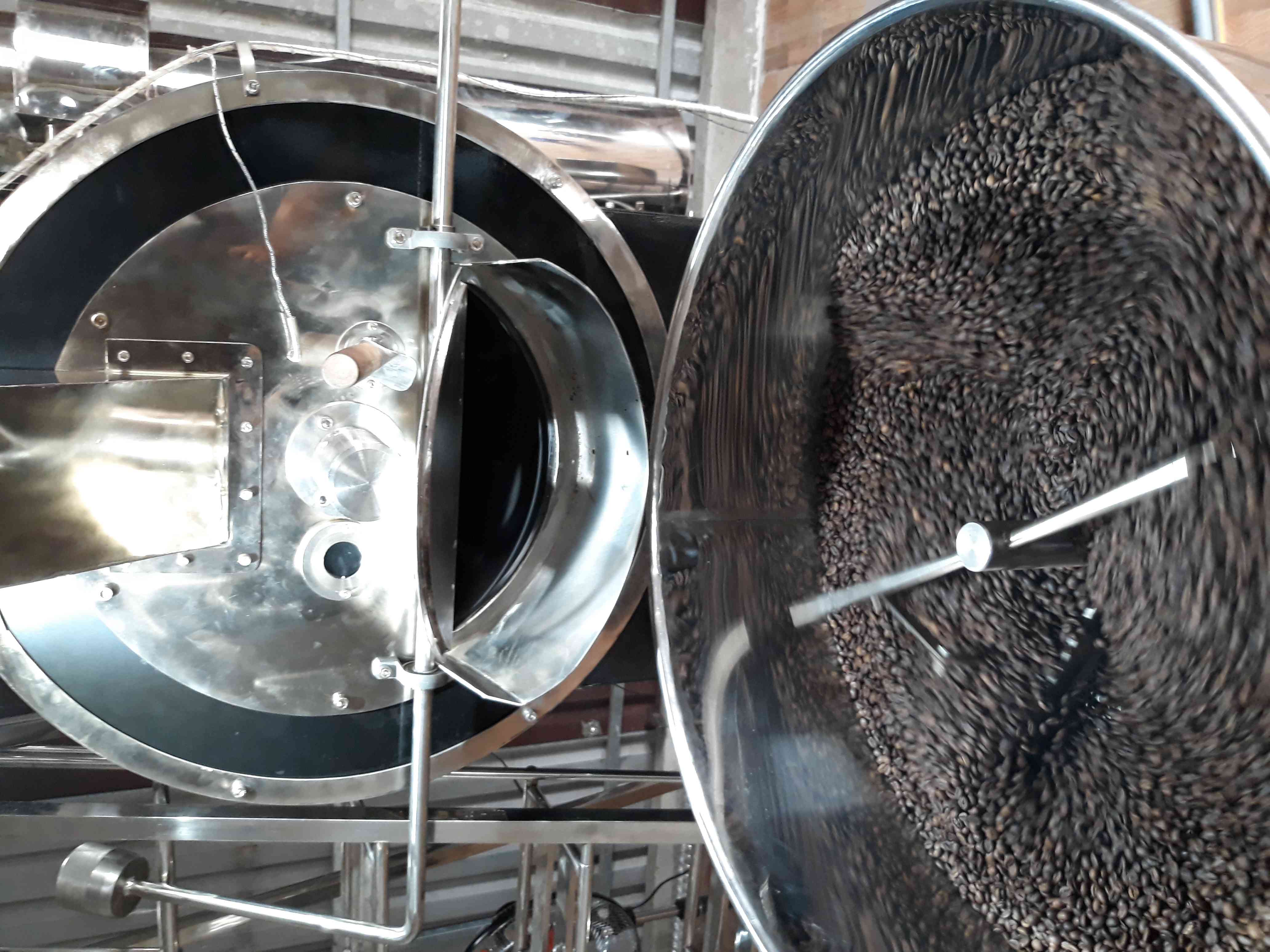
Tính ổn định giữa các mẻ không có nghĩa mọi đường cong rang phải giống nhau đến từng giây. Điều cần kiểm soát là sản phẩm cuối cùng nằm trong vùng chất lượng mục tiêu, trong khi các biến động của nguyên liệu, thiết bị và môi trường được nhận diện và giải thích. Muốn làm được vậy, nhà rang cần kết nối dữ liệu trước rang, trong rang và sau rang thay vì chỉ nhìn một biểu đồ nhiệt.
Tính nhất quán giữa các mẻ nghĩa là gì
Tính nhất quán có thể được nhìn qua khối lượng mẻ, màu rang, các thông số quá trình, hao hụt khối lượng và kết quả cảm quan. Tùy mục tiêu sản phẩm, trọng số của từng chỉ số khác nhau. Một nhà rang bán cà phê cho pha lọc có thể quan tâm mạnh đến đặc tính cảm quan, trong khi một dây chuyền lớn cần thêm chỉ số về năng suất và sai lệch quá trình.
Không nên biến một chỉ số thành bằng chứng duy nhất. Hai mẻ có đường cong tương tự nhưng màu rang hoặc cảm quan khác nhau vẫn có thể là hai kết quả khác nhau. Ngược lại, đường cong có điều chỉnh nhỏ vẫn có thể tạo ra sản phẩm ổn định nếu nguyên liệu thay đổi.

Biến động đến từ nguyên liệu
Độ ẩm, mật độ, kích thước, tuổi cà phê và khác biệt giữa lô có thể làm phản ứng trong rang thay đổi. Vì vậy, khi một mẻ lệch mục tiêu, câu hỏi đầu tiên không nhất thiết là “đường cong sai ở đâu”, mà là nguyên liệu có khác mẻ trước hay không.
Nếu dữ liệu nguyên liệu được lưu cùng dữ liệu rang, nhà rang có thể phát hiện những mẫu biến động lặp lại. SCA mô tả các hệ thống dữ liệu trong nhà rang có thể liên kết thông tin như độ ẩm, hoạt độ nước, khuyết tật, kích thước và tuổi cà phê với dữ liệu quá trình.

Biến động đến từ thiết bị và môi trường
Tải mẻ, năng lượng, luồng khí, nhiệt độ môi trường và tình trạng máy đều có thể ảnh hưởng kết quả. Một máy rang vận hành tốt nhưng thay đổi tải mẻ có thể phản ứng khác. Tình trạng vệ sinh, trao đổi nhiệt và thiết bị đo cũng cần được xem xét.
Do đó, kiểm soát ổn định không chỉ là ghi đường cong. Cần có thông tin đủ để biết máy đang hoạt động trong điều kiện nào. Nếu thiếu dữ liệu này, nhà rang có thể sửa hồ sơ rang trong khi nguyên nhân thực sự nằm ở thiết bị hoặc môi trường.

Dữ liệu cần lưu cho từng mẻ
Tối thiểu có thể gồm khối lượng cà phê xanh, thời gian, nhiệt độ, tốc độ tăng nhiệt, các thông số năng lượng và luồng khí nếu thiết bị cho phép, cùng với kết quả sau rang. SCA nhấn mạnh rằng dữ liệu trong nhà rang có thể được dùng để theo dõi chất lượng, sản xuất và tìm quan hệ giữa các yếu tố.
Dữ liệu càng có cấu trúc, việc so sánh càng dễ. Không nhất thiết phải ghi mọi thứ nếu không sử dụng, nhưng các chỉ số quan trọng phải được ghi nhất quán để có thể phát hiện xu hướng thay vì dựa vào trí nhớ của người vận hành.
Đối chiếu chất lượng sau rang
Sau rang, có thể theo dõi màu, hao hụt khối lượng, kết quả cảm quan và các chỉ số phù hợp với sản phẩm. Mục tiêu là xem quá trình đã tạo ra sản phẩm như mong muốn chưa. Nếu một mẻ lệch, dữ liệu sau rang giúp xác định mức độ lệch và quyết định có cần điều chỉnh hay không.
Một hệ thống kiểm soát tốt cũng theo dõi xu hướng dài hạn. Nếu sai lệch nhỏ tăng dần qua nhiều tuần, đó có thể là dấu hiệu của thiết bị, nguyên liệu hoặc quy trình đang thay đổi. Chỉ sửa từng mẻ sẽ không giải quyết được nguyên nhân gốc.
Dùng dữ liệu để tìm nguyên nhân thay vì chỉ sửa đường cong
Khi có sai lệch, nên liên kết ba lớp dữ liệu: nguyên liệu, thiết bị và thành phẩm. Nếu cùng một loại nguyên liệu lệch khi chạy trên một máy nhưng ổn định trên máy khác, hướng điều tra sẽ khác so với trường hợp tất cả nguyên liệu đều lệch vào một ngày cụ thể.
SCA mô tả cách dữ liệu được thu thập và kết nối có thể giúp nhà rang chuyển từ dữ liệu thô sang thông tin và kiến thức vận hành. Giá trị nằm ở việc sử dụng cùng một bộ dữ liệu cho kiểm soát chất lượng, sản xuất và ra quyết định mua hoặc điều chỉnh quy trình.
Trong thực tế, chất lượng của quyết định phụ thuộc nhiều vào cách tổ chức thông tin hơn là số lượng chỉ tiêu được thu thập. Một cơ sở có thể có rất nhiều dữ liệu nhưng vẫn khó kiểm soát nếu dữ liệu không được ghi cùng đơn vị, không có thời điểm rõ ràng hoặc không liên kết được với kết quả cuối cùng. Ngược lại, một bộ dữ liệu vừa đủ nhưng nhất quán có thể giúp phát hiện xu hướng, so sánh các lô và giải thích sai lệch nhanh hơn. Vì vậy, khi triển khai nội dung này ở quy mô vận hành, nên bắt đầu từ những biến thực sự ảnh hưởng đến quyết định, quy định cách ghi nhận, rồi mở rộng dần khi nhu cầu phân tích tăng.
Kết luận
Một cách nhìn có ích với chủ đề này là tránh tìm một đáp án áp dụng cho mọi cơ sở, mọi vùng trồng hoặc mọi mô hình kinh doanh. Chất lượng, môi trường và hiệu quả kinh tế đều phụ thuộc vào dữ liệu thực tế và ranh giới đánh giá. Vì vậy, quyết định tốt thường bắt đầu từ việc xác định đúng mục tiêu, thu thập đúng dữ liệu, rồi so sánh các phương án trong cùng một điều kiện. Khi làm được như vậy, một chỉ số đơn lẻ sẽ trở thành một phần của bức tranh lớn hơn thay vì bị dùng như một kết luận tuyệt đối.
Nguồn tham khảo
SCA – Sử dụng dữ liệu cà phê như thông tin quản trị kinh doanh: https://sca.coffee/sca-news/podcast/51/using-your-coffee-data-as-business-intelligence-to-deliver-quality-consistency-and-control-expo-2018-lectures-es325
SCA – Tiêu chuẩn: https://sca.coffee/research/coffee-standards
SCA – tài liệu rang mẫu IKAWA / tài liệu rang của SCA: https://new.sca.coffee/entries/ikawa
Batch-to-batch consistency does not mean forcing every roast curve to look identical down to the second. What matters is whether the finished coffee remains within the intended quality range and whether changes in raw material, equipment, and environment can be recognized and explained.
Consistency Is About the Finished Result, Not Identical Curves
Consistency can be assessed through batch weight, roast color, process parameters, weight loss, and sensory performance. The relative importance of each measure depends on the product. A roaster focused on filter coffee may place greater weight on the cup, while a larger production operation may also need productivity and process-deviation measures.
No single metric should be treated as conclusive evidence. Two batches can have similar curves but different color or sensory results. Conversely, a small change in the curve may be appropriate when the incoming coffee has changed. Consistency is therefore better understood as control of the outcome under known conditions than as visual duplication of a graph.
Raw Material Is a Major Source of Variation
Moisture, density, size, coffee age, and differences between lots can change how green coffee reacts during roasting. When a batch misses its target, the first question is not always where the curve went wrong. It may be necessary to ask whether the raw material itself differed from the previous batch.
When green-coffee data is stored alongside roast data, recurring patterns become easier to see. SCA describes roasting data systems in which information such as moisture, water activity, defects, size, and coffee age can be connected with process data. That connection turns variation in the raw material into something that can be investigated rather than guessed at.
Equipment and Environment Also Change the Outcome
Batch load, energy input, airflow, ambient temperature, machine condition, cleanliness, heat exchange, and measurement equipment can all affect the result. A well-maintained roaster can still respond differently when the batch load changes. If operating conditions are not recorded, a roaster may adjust a profile when the real cause is equipment or environment.
A practical batch record can include green-coffee weight, time, temperature, rate of temperature rise, energy and airflow settings where available, and post-roast results. SCA emphasizes the value of connected data for quality, production, and understanding relationships among variables. The goal is not to record everything indiscriminately, but to record the variables that support real decisions in a consistent format.
Record the Data That Makes Batches Comparable
After roasting, color, weight loss, sensory performance, and other product-specific indicators can be compared. These measures help answer whether the process produced the intended result and how far a deviating batch moved from the normal range.
Long-term trends matter as well. A small deviation that grows gradually over several weeks may point to equipment wear, raw-material change, or a process drift. Correcting each individual batch without investigating the trend can leave the underlying cause untouched.
Use Post-Roast Results to Diagnose Deviations
When a deviation occurs, the most useful approach is to connect three layers of evidence: the raw material, the equipment, and the finished coffee. If the same coffee behaves differently on one machine but remains stable on another, the investigation points in a different direction than it would if every coffee showed the same deviation on a particular day.
SCA describes connected data as a way for roasters to move from raw measurements toward operational knowledge. The value comes from using the same structured information for quality control, production, purchasing decisions, and process adjustments. More data is not automatically better; consistent, interpretable data is more useful than a large collection of disconnected measurements.
Connect Raw Material, Equipment, and Finished Coffee
In practice, the quality of a decision often depends more on how information is organized than on how many fields are recorded. A modest dataset with clear units, timestamps, and links to the final result can reveal trends faster than a much larger dataset that cannot be compared reliably.
A sound system therefore starts by defining the quality target, identifying the variables that can affect it, recording those variables consistently, and reviewing the resulting patterns over time. The objective is not to find one universal recipe for every roaster. It is to create a controlled operating range in which variation can be detected, explained, and managed.
A useful consistency program should also define what counts as an acceptable result before a deviation occurs. Without a target range, operators can spend time correcting harmless variation while missing a change that actually affects the product. The target can be expressed through a combination of process and finished-coffee measures appropriate to the operation. Once the range is defined, each unusual batch can be compared with previous batches under comparable conditions. This makes troubleshooting more disciplined: first verify the coffee, then the machine and environment, then the process record, and finally the sensory or product result. The purpose is not to force every batch into one identical curve. It is to understand the normal operating window and recognize when evidence shows that the window has shifted. That approach also helps distinguish a temporary event from a developing trend. A single unusual batch may need observation; repeated deviations deserve investigation. When the team records those distinctions consistently, quality control becomes less dependent on individual judgment and more resilient when different people operate the roaster.
The same discipline also makes handovers easier because the next operator can see the evidence behind an adjustment instead of inheriting an unexplained setting.