
Xác định tiêu chuẩn đầu vào
Trước khi nhận hàng, quán cần biết chính xác mình đang mua gì: loại cà phê, quy cách đóng gói, khối lượng, ngày rang nếu là cà phê rang, yêu cầu về tình trạng bao bì và đặc tính sản phẩm. Những yêu cầu này nên được ghi thành tiêu chuẩn nội bộ để nhân viên nhận hàng có cùng cách kiểm tra.
Một tiêu chuẩn tốt không cần quá dài. Nó cần đủ cụ thể để trả lời những câu hỏi thực tế: bao có nguyên vẹn không, mã lô có đúng không, sản phẩm có đúng quy cách không và có dấu hiệu bất thường nào không.
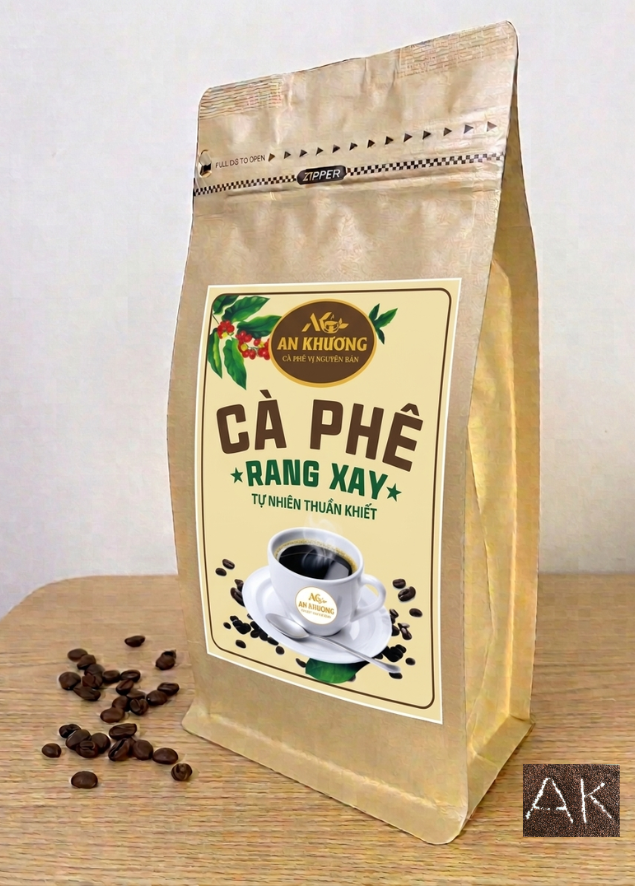
Kiểm tra ngay khi nhận hàng
Bước đầu tiên là kiểm tra bao bì, số lượng và mã lô. Bao bị rách, hở, phồng bất thường hoặc có dấu hiệu bảo quản không phù hợp cần được ghi nhận trước khi đưa vào kho. Với cà phê rang, ngày rang và thời gian từ rang đến nhận hàng cũng là dữ liệu có giá trị.
Khối lượng thực nhận nên được đối chiếu với chứng từ. Nếu có sai lệch, cần xác định đó là sai số cân, thiếu hàng hay thay đổi quy cách. Việc ghi lại mã lô giúp quán liên kết vấn đề về sau với đúng lô hàng thay vì đánh giá chung cả nhà cung cấp.

Kiểm tra trước khi đưa vào sử dụng
Sau khi nhận, quán có thể lấy mẫu đại diện để kiểm tra mùi, màu rang, tình trạng hạt và kết quả pha. Không cần biến mọi lần nhận hàng thành một buổi đánh giá chuyên sâu; mục tiêu là phát hiện sai lệch đáng kể so với tiêu chuẩn đã thống nhất.
Với cà phê rang, màu chỉ là một dấu hiệu chứ không phải toàn bộ chất lượng. Mùi bất thường, hạt lỗi rõ rệt hoặc kết quả pha lệch khỏi mức quen thuộc có thể là tín hiệu cần kiểm tra thêm. SCA hiện xây dựng các phương pháp và tiêu chuẩn nhằm tạo ngôn ngữ chung cho đánh giá chất lượng; ở cấp quán, điều quan trọng là duy trì một phương pháp nội bộ nhất quán.
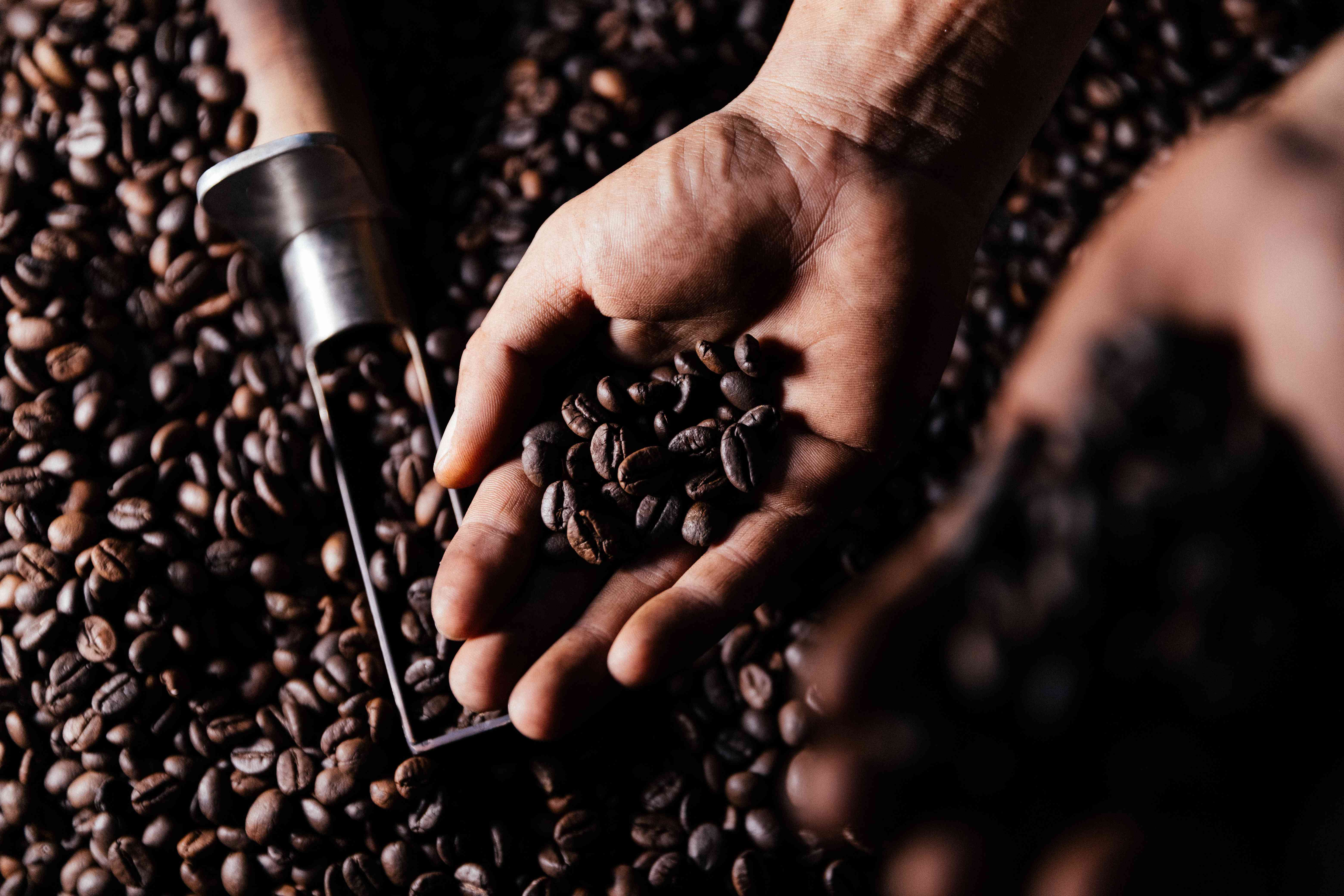
Theo dõi biến động giữa các lô
Một lần thử chỉ cho biết một lần thử. Quán nên lưu kết quả theo lô để nhìn xu hướng. Những trường dữ liệu đơn giản như mã lô, ngày nhận, ngày mở túi, ghi chú cảm quan và kết quả pha đã có thể giúp phát hiện biến động.
Nếu nhiều lô liên tiếp có cùng một thay đổi, vấn đề có thể nằm ở nguồn cung hoặc điều kiện bảo quản. Nếu chỉ một lô bất thường, cần kiểm tra riêng lô đó trước khi kết luận. Dữ liệu theo thời gian giúp tránh phản ứng quá mức trước một hiện tượng đơn lẻ.
Liên kết chất lượng hạt với chất lượng đồ uống
Một ly cà phê không chỉ phụ thuộc vào hạt. Độ xay, liều lượng, nước, nhiệt độ và thời gian pha đều có thể làm kết quả thay đổi. Vì vậy, khi đồ uống lệch vị, quán không nên lập tức kết luận rằng hạt đầu vào có vấn đề.
Cách tốt hơn là kiểm tra các biến vận hành trước: thiết bị có ổn định không, công thức có thay đổi không, nước có khác không và nhân viên có thao tác đúng không. Khi các biến này được kiểm soát mà kết quả vẫn lệch theo cùng một lô, bằng chứng về vấn đề nguyên liệu sẽ mạnh hơn.
Phản hồi và xử lý sai lệch
Khi phát hiện sai lệch, quán nên ghi lại bằng chứng gồm ảnh bao bì, mã lô, thời điểm nhận, kết quả thử và mô tả vấn đề. Cách phản hồi này hữu ích hơn một nhận xét chung như “lô này không ngon”.
Sau đó có thể quyết định giữ, theo dõi thêm, đổi hàng hoặc loại hàng tùy mức độ. Với nhà cung cấp, hồ sơ lô giúp hai bên cùng nhìn một sự kiện. Nếu sai lệch lặp lại, quán có cơ sở để xem lại tiêu chí lựa chọn nhà cung cấp.
Lấy mẫu và lưu kho cũng là một phần của kiểm soát
Kết luận
Kiểm soát chất lượng hạt đầu vào hiệu quả không đòi hỏi quán phải có phòng thí nghiệm. Điều cần thiết là một tiêu chuẩn rõ, kiểm tra khi nhận, thử mẫu trước sử dụng, theo dõi theo lô và quy trình xử lý sai lệch. Khi dữ liệu đầu vào được nối với dữ liệu pha chế, quán có thể phân biệt tốt hơn vấn đề do nguyên liệu với vấn đề do vận hành.
Với cà phê rang, quán cũng nên xác định cách lấy mẫu sao cho kết quả có ý nghĩa. Nếu chỉ mở một túi và đánh giá bằng cảm giác, rất khó biết biến động nằm ở một túi hay cả lô. Với lô lớn, có thể lấy mẫu ở nhiều đơn vị bao gói theo quy trình nội bộ rồi ghi nhận kết quả. Mục tiêu không phải tạo một phép thử phức tạp mà là giảm nguy cơ kết luận từ một mẫu không đại diện.
Điều kiện lưu kho sau khi nhận cũng cần được ghi nhận. Một lô hàng có thể đạt yêu cầu lúc nhận nhưng chất lượng thay đổi nếu quán để gần nguồn nhiệt, nơi có độ ẩm cao hoặc mở bao nhiều lần. Vì vậy, khi phát hiện biến động sau vài ngày, cần xem cả lịch sử bảo quản thay vì chỉ quay lại nhà cung cấp.
Quán có thể thiết lập mức phản ứng theo ba cấp. Sai lệch nhỏ nhưng chưa ảnh hưởng đồ uống có thể được theo dõi; sai lệch lặp lại cần trao đổi với nhà cung cấp; sai lệch có bằng chứng ảnh hưởng an toàn hoặc chất lượng nghiêm trọng cần được cách ly và xử lý theo quy trình. Cách phân tầng này giúp nhân viên không phải tự quyết định theo cảm tính.
Define the Incoming Quality Standard
Incoming quality control starts before a delivery arrives. The shop needs to know exactly what it has ordered: coffee type, packaging format, quantity, roast date when buying roasted coffee, packaging condition, and any agreed product characteristics. These requirements should become an internal receiving standard so that different staff members inspect deliveries in the same way.
The standard does not need to be long. It needs to be specific enough to answer practical questions: Is the bag intact? Is the lot code correct? Is the product the agreed specification? Are there visible or sensory signs that something is unusual?
Inspect the Delivery at Receiving
The first checks cover packaging, quantity, and lot identification. Torn or open packaging, unusual swelling, or signs of poor handling should be recorded before the product enters storage. For roasted coffee, roast date and the time between roasting and delivery are useful operational data.
Actual quantity should be compared with the delivery documents. If there is a discrepancy, the shop should determine whether it is a weighing error, a short shipment, or a change in packaging specification. Recording the lot code allows later problems to be tied to a specific delivery instead of being attributed vaguely to the supplier as a whole.
Check a Representative Sample Before Use
After receiving the coffee, the shop can take a representative sample and check aroma, roast appearance, bean condition, and brewing performance. Every delivery does not need to become a laboratory exercise. The purpose is to identify meaningful deviation from the agreed standard.
Roast color is only one signal, not a complete measure of quality. Unusual aromas, obvious defects, or a brewing result that differs from the established range can justify further investigation. The SCA develops standards and methods that provide a common language for coffee quality; at shop level, the practical requirement is to use one consistent internal method rather than changing the test from one delivery to another.
Track Variation Across Lots
One test describes one test. A café gains much more information when results are stored by lot and reviewed over time. Simple fields such as lot code, receiving date, bag-opening date, sensory notes, and brewing results can reveal patterns that are difficult to see during a busy service.
If several consecutive lots show the same change, the cause may be upstream supply or storage conditions. If only one lot is unusual, that lot deserves separate investigation before the shop makes a broader judgment. Time-series records help prevent overreacting to a single event.
Separate Bean Quality From Brewing Variables
The final cup is not determined by the beans alone. Grind size, dose, water, temperature, and brewing time can all change the result. When a drink tastes different, the shop should therefore avoid immediately blaming the incoming coffee.
A better diagnostic sequence is to check operating variables first: Is the equipment stable? Has the recipe changed? Is the water different? Are staff following the same procedure? If those variables are controlled and the deviation continues with the same lot, the evidence for an incoming-material problem becomes stronger.
Document and Respond to Deviations
When a deviation is found, the shop should preserve evidence: packaging photographs, lot code, receiving time, test results, and a precise description of the problem. This is more useful than a general statement that a lot is “not good.”
The shop can then decide whether to hold the product, monitor it further, request a replacement, or reject it, depending on the severity. A lot record gives the shop and supplier the same reference point. If the same deviation appears repeatedly, the shop has a stronger basis for reviewing the supplier relationship.
Sampling and Storage Are Part of Quality Control
Sampling needs to be representative enough to support a meaningful conclusion. Opening one bag and judging it by feel may not reveal whether the variation affects that bag or the entire lot. For larger deliveries, a shop can define an internal sampling method that draws from multiple packages. The aim is not complexity; it is to reduce the risk of making a decision from an unrepresentative sample.
Storage after receiving also matters. A lot may meet the receiving standard and later change if it is kept near heat, exposed to high humidity, or repeatedly opened. When a deviation appears after several days, the storage record should therefore be examined alongside the supplier record.
A Simple System Can Provide Strong Incoming Quality Control
Effective incoming quality control does not require a café to operate a laboratory. It requires a clear receiving standard, inspection at delivery, a consistent pre-use sample check, lot-level records, and a defined response to deviations. When incoming records are connected to brewing records, the shop can distinguish material problems from operational problems much more reliably.
A useful next step is to establish response levels. Minor deviations can be monitored; repeated deviations can trigger supplier review; and serious quality or safety concerns should be isolated and handled under the shop’s established procedure. This gives staff a consistent decision framework instead of leaving every incident to personal judgment.