
Rang mẫu là một phép thử để người mua hoặc nhà rang quan sát cách cà phê nhân biểu hiện sau khi được đưa qua nhiệt trong một điều kiện đủ kiểm soát. Hạt xanh cho biết nhiều thông tin về nguồn gốc, kích thước, độ ẩm và khuyết tật vật lý, nhưng không thể tự nó cho biết đầy đủ hương, vị và cách một lô cà phê phát triển trong quá trình rang.
Rang mẫu tạo ra một điều kiện quan sát có kiểm soát
Cà phê nhân không thể được đánh giá hoàn toàn bằng mắt. Người mua cần biết lô hàng có thể tạo ra đặc tính cảm quan nào sau khi rang, và muốn so sánh các mẫu thì phải đưa chúng qua một quy trình tương đối nhất quán.
SCA hiện duy trì các tiêu chuẩn liên quan đến chuẩn bị mẫu và đánh giá cà phê, trong đó có các tiêu chuẩn về cà phê Đánh giá giá trị cà phê. SCA cũng mô tả tiêu chuẩn như một khung chung giúp ngành sử dụng phương pháp, thuật ngữ và kết quả đánh giá nhất quán hơn. [1]
Rang mẫu vì vậy không phải là “rang thử cho biết”, mà là một bước tạo điều kiện để mẫu được quan sát sau tác động của nhiệt. Nếu điều kiện rang thay đổi quá nhiều giữa các mẫu, kết quả so sánh sẽ khó diễn giải.
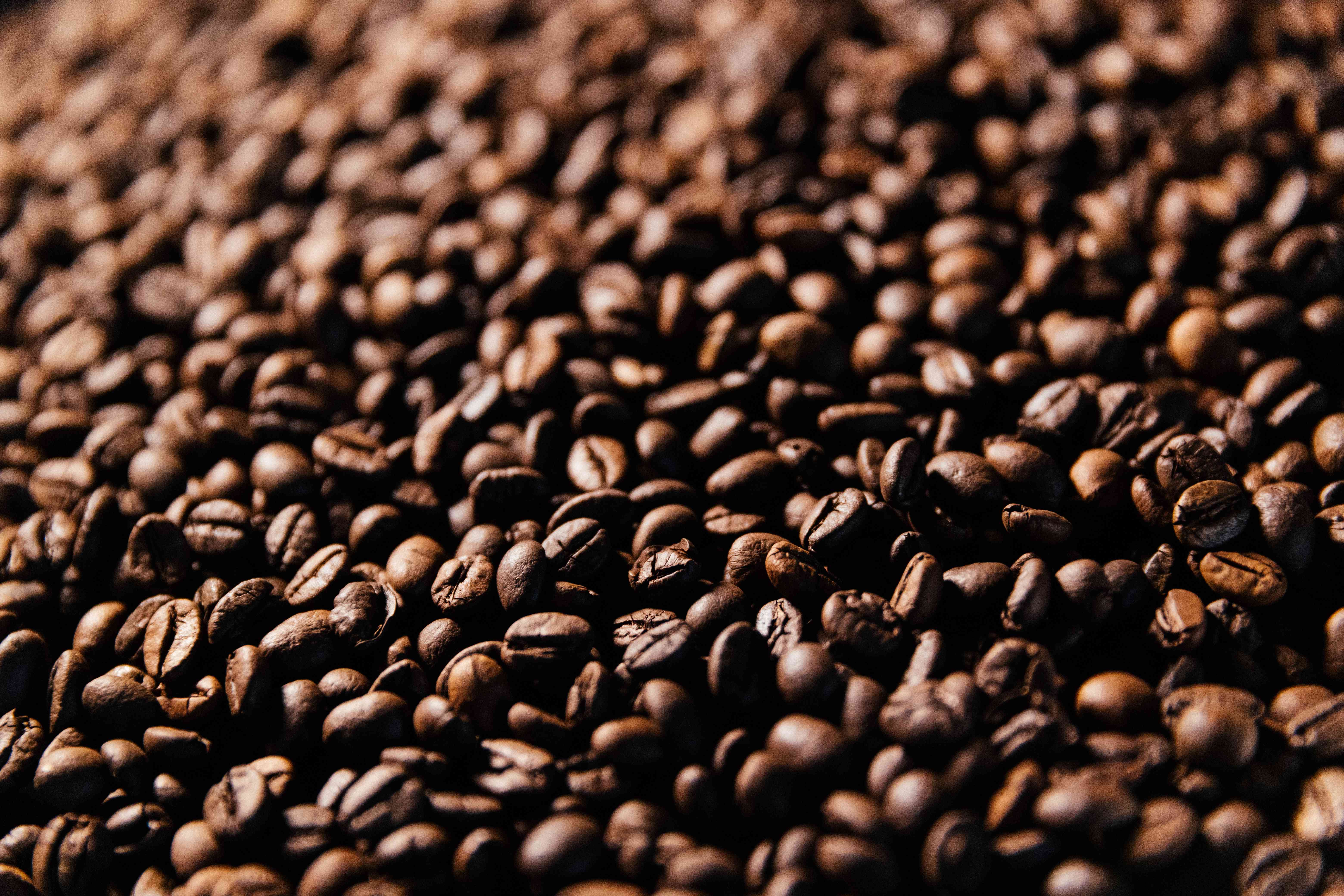
Mẫu rang có thể bộc lộ những đặc tính nào?
Sau khi rang và chuẩn bị để đánh giá, người thử có thể xem xét hương thơm, vị, độ sạch, độ cân bằng, cảm giác trong miệng, hậu vị và những đặc tính không mong muốn. Với mục tiêu đánh giá nguyên liệu, điều quan trọng là nhận biết mẫu có biểu hiện phù hợp với mục tiêu sản phẩm hay không.
Rang cũng có thể làm lộ những vấn đề không rõ khi nhìn hạt xanh. Một lô có vẻ đồng đều về kích thước vẫn có thể cho kết quả cảm quan không như kỳ vọng. Ngược lại, một số khác biệt vật lý không nhất thiết đồng nghĩa với chất lượng cảm quan thấp.
ITC trong Cẩm nang cà phê đặt chất lượng và đặc tính cảm quan ở vị trí quan trọng trong phân khúc cà phê có giá trị cao, đồng thời nhấn mạnh nguồn gốc, giống, phương pháp sơ chế và khả năng truy xuất là những thông tin có giá trị khi đánh giá cà phê. [2]

Rang mẫu giúp tách vấn đề của nguyên liệu khỏi vấn đề của quá trình rang
Rang mẫu chỉ có ý nghĩa khi người đánh giá hiểu giới hạn của nó. Kết quả không phải thuộc tính “nguyên chất” của hạt xanh tách khỏi mọi tác động của thiết bị và người rang.
Mức rang, khối lượng mẻ, thiết bị, tốc độ gia nhiệt và cách làm nguội đều có thể ảnh hưởng đến kết quả. Vì vậy, một mẫu rang không đạt không tự động chứng minh rằng lô cà phê kém; cũng không thể dùng một mẫu rang đẹp để cam kết rằng toàn bộ lô hàng sẽ luôn cho kết quả giống hệt.
SCA nhấn mạnh sự cần thiết của các phương pháp đánh giá và chuẩn bị mẫu có tính nhất quán. Các tiêu chuẩn hiện hành của tổ chức bao gồm cà phê Đánh giá giá trị cà phê: Chuẩn bị mẫu và cơ chế thử nếm và các tiêu chuẩn đánh giá mô tả, cảm nhận và thông tin bên ngoài. [1]
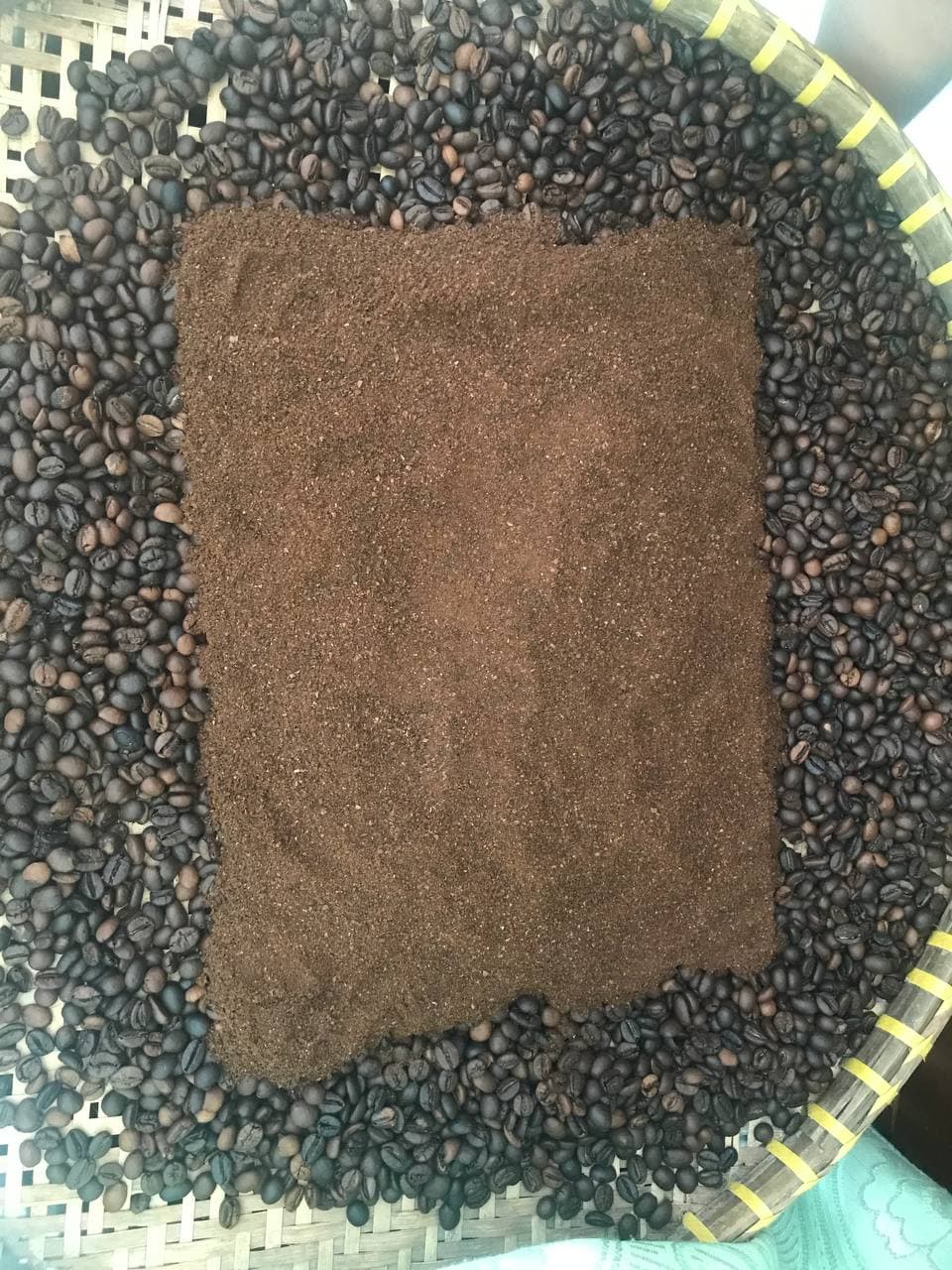
Từ kết quả rang mẫu đến quyết định mua hoặc thử nghiệm tiếp
Kết quả rang mẫu thường là một phần của quá trình sàng lọc. Nếu mẫu phù hợp, người mua có thể yêu cầu thêm thông tin, thử rang ở quy mô lớn hơn hoặc đánh giá sâu hơn. Nếu có lỗi rõ ràng hoặc đặc tính không phù hợp mục tiêu sản phẩm, mẫu có thể bị loại.
Điều quan trọng là không biến kết quả của một mẫu thành cam kết tuyệt đối cho cả lô. Người mua còn phải xem hồ sơ lô, điều kiện bảo quản, độ ẩm, kích thước, khuyết tật vật lý, nguồn gốc và điều kiện giao dịch.
Cẩm nang cà phê cũng cho thấy trong các giao dịch cà phê chất lượng cao, người mua có thể quan tâm đồng thời đến hồ sơ cảm quan, nguồn gốc, giống, độ cao, phương pháp sơ chế, khả năng truy xuất và độ ổn định của nguồn cung. [2]
Rang mẫu không thay thế đánh giá toàn bộ lô
Một lô cà phê không được quyết định chỉ bằng một cốc thử. Đánh giá hạt xanh giúp xác định những đặc điểm vật lý và hồ sơ nguyên liệu; rang mẫu cho biết cách những đặc điểm đó biểu hiện sau nhiệt; thử nếm giúp mô tả kết quả cảm quan.
SCA hiện liệt kê tiêu chuẩn SCA-110 về cà phê xanh, phân loại và phương pháp thử cho mục đích giao dịch trong nhóm tiêu chuẩn đang được phát triển. Điều này cũng nhắc người đọc rằng hệ thống tiêu chuẩn có thể thay đổi theo thời gian và cần kiểm tra phiên bản hiện hành trước khi áp dụng trong giao dịch. [1]
Rang mẫu vì vậy nên được hiểu là một phép thử nằm giữa kiểm tra nguyên liệu và quyết định sản phẩm. Nó giúp giảm bất định nhưng không xóa bỏ bất định.
Một mẫu tốt trả lời được nhiều câu hỏi mà hạt xanh không thể trả lời trực tiếp: cà phê có biểu hiện cảm quan ra sao sau rang, có lỗi nào xuất hiện rõ hơn, mức phát triển có phù hợp mục tiêu hay không và có đáng để thử nghiệm tiếp hay không. Nhưng để quyết định một lô hàng, người mua vẫn phải ghép kết quả ấy với dữ liệu vật lý, hồ sơ nguồn gốc và điều kiện giao dịch.
Trong thực tế, giá trị của rang mẫu còn nằm ở khả năng so sánh giữa nhiều mẫu. Nếu mọi mẫu được xử lý trong điều kiện gần giống nhau, người đánh giá có thể nhận ra khác biệt đến từ nguyên liệu rõ hơn. Nếu một mẫu được rang nhanh hơn, tối hơn hoặc ở tải khác, khác biệt trong cốc có thể phản ánh cả cách rang. Vì vậy, tính nhất quán của phép thử quan trọng không kém bản thân thiết bị.
- Hiệp hội Cà phê Đặc sản – Standards — https://sca.coffee/research/coffee-standards
- International Trade Centre – The Coffee Guide — https://www.intracen.org/file/itccoffee4threport20210930webpagespdf
- Coffee Quality Institute – Green Coffee — https://www.coffeeinstitute.org/
Sample roasting is a test that allows a buyer or roaster to observe how green coffee behaves after exposure to heat under reasonably controlled conditions. Green coffee can reveal a great deal about origin, size, moisture, and physical defects, but those characteristics alone cannot fully show aroma, flavor, or how a lot will develop during roasting.
Sample Roasting Creates a Controlled Observation
Green coffee cannot be assessed completely by looking at it. A buyer needs to know what sensory characteristics a lot can produce after roasting, and meaningful comparison requires samples to be processed through a reasonably consistent method.
The Specialty Coffee Association maintains standards related to sample preparation and coffee assessment, including standards for Coffee Value Assessment. The SCA describes standards as a common framework that helps the industry use methods, terminology, and assessment results more consistently. [1]
Sample roasting is therefore not simply “roasting a sample to see what happens.” It creates a controlled condition in which the sample can be observed after heat has acted on it. If the roasting conditions vary too widely between samples, the resulting differences become harder to interpret.
What Can a Roasted Sample Reveal?
Once roasted and prepared for assessment, a sample can be examined for aroma, flavor, cleanliness, balance, mouthfeel, aftertaste, and undesirable characteristics. For raw-material assessment, the key question is whether the coffee expresses characteristics that fit the intended product.
Roasting can also reveal problems that are not obvious in green form. A lot that appears uniform in size may still produce unexpected sensory results. Conversely, some physical differences do not necessarily mean that sensory quality will be poor.
The International Trade Centre’s Coffee Guide places quality and sensory characteristics at the center of higher-value coffee segments while also emphasizing origin, variety, processing method, and traceability as valuable information when assessing coffee. [2]
Sample Roasting Helps Separate Raw-Material Issues from Process Effects
Sample roasting is useful only when its limits are understood. The result is not an untouched property of the green bean, independent of equipment and roasting decisions.
Roast level, batch size, equipment, heating rate, and cooling method can all affect the result. A disappointing sample roast therefore does not automatically prove that the lot itself is poor, just as an attractive sample roast cannot guarantee that the entire commercial lot will perform identically.
The SCA emphasizes the need for consistent methods of sample preparation and assessment. Its current standards include Coffee Value Assessment: Sample Preparation and Tasting Mechanics as well as standards covering descriptive assessment, affective assessment, and extrinsic information. [1]
From Sample-Roast Results to a Buying or Testing Decision
Sample-roast results are normally one part of a screening process. If a sample is promising, the buyer may request additional information, test the coffee at a larger scale, or conduct a deeper evaluation. If clear defects or a poor product fit are found, the sample may be rejected.
The important point is not to turn one sample result into an absolute promise about the entire lot. The buyer still needs to consider lot records, storage conditions, moisture, size, physical defects, origin, and trading conditions.
The Coffee Guide also shows that buyers in higher-quality coffee transactions may consider sensory profile, origin, variety, altitude, processing method, traceability, and supply stability together. [2]
Sample Roasting Does Not Replace Lot-Level Assessment
A coffee lot should not be decided by a single tasting cup. Green-bean assessment helps establish the physical condition and raw-material profile; sample roasting shows how those characteristics express themselves after heat; tasting helps describe the resulting sensory performance.
The SCA currently lists SCA-110, covering green coffee classification, specifications, and test methods for trading purposes, among standards under development. This is also a reminder that standards evolve and current versions should be checked before they are applied to commercial transactions. [1]
Sample roasting is therefore best understood as a test positioned between raw-material inspection and product decisions. It reduces uncertainty, but it does not eliminate uncertainty.
A good sample roast can answer questions that green coffee cannot answer directly: how does the coffee express itself after roasting, do defects become more apparent, is the level of development suitable for the intended product, and is the lot worth further testing? To make a purchasing decision, however, the buyer still needs to combine those observations with physical data, origin information, and trading conditions.
In practice, another value of sample roasting is the ability to compare multiple samples. When samples are handled under similar conditions, differences attributable to the raw material become easier to recognize. If one sample is roasted faster, darker, or at a different load, the cup difference may reflect the roast process as well as the coffee. Consistency in the test therefore matters almost as much as the equipment itself.
The value of this approach becomes clearer when several samples are being screened at the same time. A buyer needs a test that makes meaningful differences visible without allowing avoidable differences in preparation to dominate the result. That means documenting the sample, keeping the roast conditions sufficiently consistent for comparison, and recording sensory observations in a structured way. It also means resisting the temptation to treat the sample roast as a final verdict. A sample is evidence about how a particular coffee behaved under a particular set of conditions. The commercial decision concerns a lot, a product, and a supply arrangement. Those are related questions, but they are not identical. The more clearly the stages are separated, the easier it becomes to identify what is known, what is uncertain, and what additional evidence is worth obtaining before a purchase is made. That distinction is especially useful when a sample is promising but the commercial conditions are still incomplete. The buyer can then ask for evidence that resolves a specific uncertainty instead of collecting information without knowing how it will affect the decision.
For that reason, the most useful output of a sample roast is not simply a favorable or unfavorable impression. It is a clearer understanding of what the coffee does under a defined test condition and what questions remain unanswered. When the same discipline is applied to several samples, the buyer can compare them more fairly and decide which coffees deserve a larger test or additional documentation. The sample then functions as evidence within a decision process rather than as a substitute for the decision process itself.
- Specialty Coffee Association – Standards — https://sca.coffee/research/coffee-standards
- International Trade Centre – The Coffee Guide — https://www.intracen.org/file/itccoffee4threport20210930webpagespdf
- Coffee Quality Institute – Green Coffee — https://www.coffeeinstitute.org/