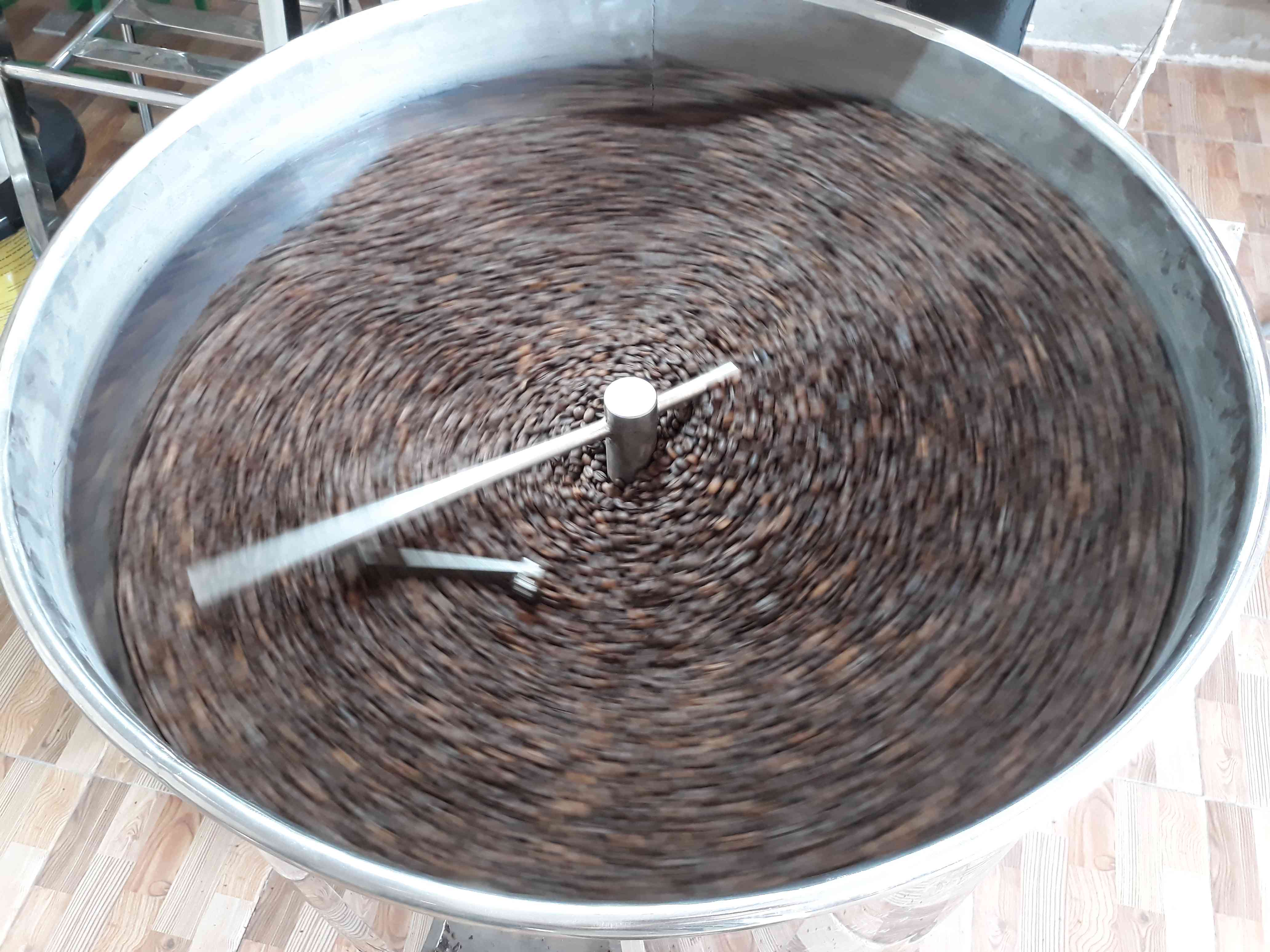
Khối lượng cà phê trong một mẻ thay đổi thì quá trình rang cũng thay đổi. Cùng một máy, cùng một loại hạt và cùng một mức cài đặt chưa chắc cho cùng kết quả nếu tải mẻ khác nhau. Nguyên nhân nằm ở quan hệ giữa lượng hạt và năng lực truyền nhiệt, luồng khí, chuyển động của hạt và thời gian cần để đưa mẻ qua các giai đoạn rang.
Khối lượng mẻ phải phù hợp với năng lực nhiệt của máy
Một máy rang có công suất danh nghĩa nhưng không có nghĩa mọi khối lượng trong khoảng đó đều cho kết quả giống nhau. Khi mẻ quá lớn, lượng hạt cần nhận nhiệt tăng trong khi nguồn nhiệt và thể tích buồng rang không đổi.
Perfect Daily Grind dẫn lời các chuyên gia rang cho rằng công suất danh nghĩa không nhất thiết là tải tối ưu cho chất lượng. Bài viết cũng mô tả hiện tượng quá tải: mẻ lớn có thể làm tốc độ tăng nhiệt chậm, kéo dài thời gian rang và làm khó phát triển hạt đúng mục tiêu. [1]
Ngược lại, mẻ quá nhỏ cũng có vấn đề. Khi lượng hạt giảm nhiều, phản ứng của máy đối với nhiệt và luồng khí thay đổi. Người vận hành có thể phải điều chỉnh nhiệt đầu vào, luồng khí hoặc tốc độ quay để duy trì khả năng kiểm soát.
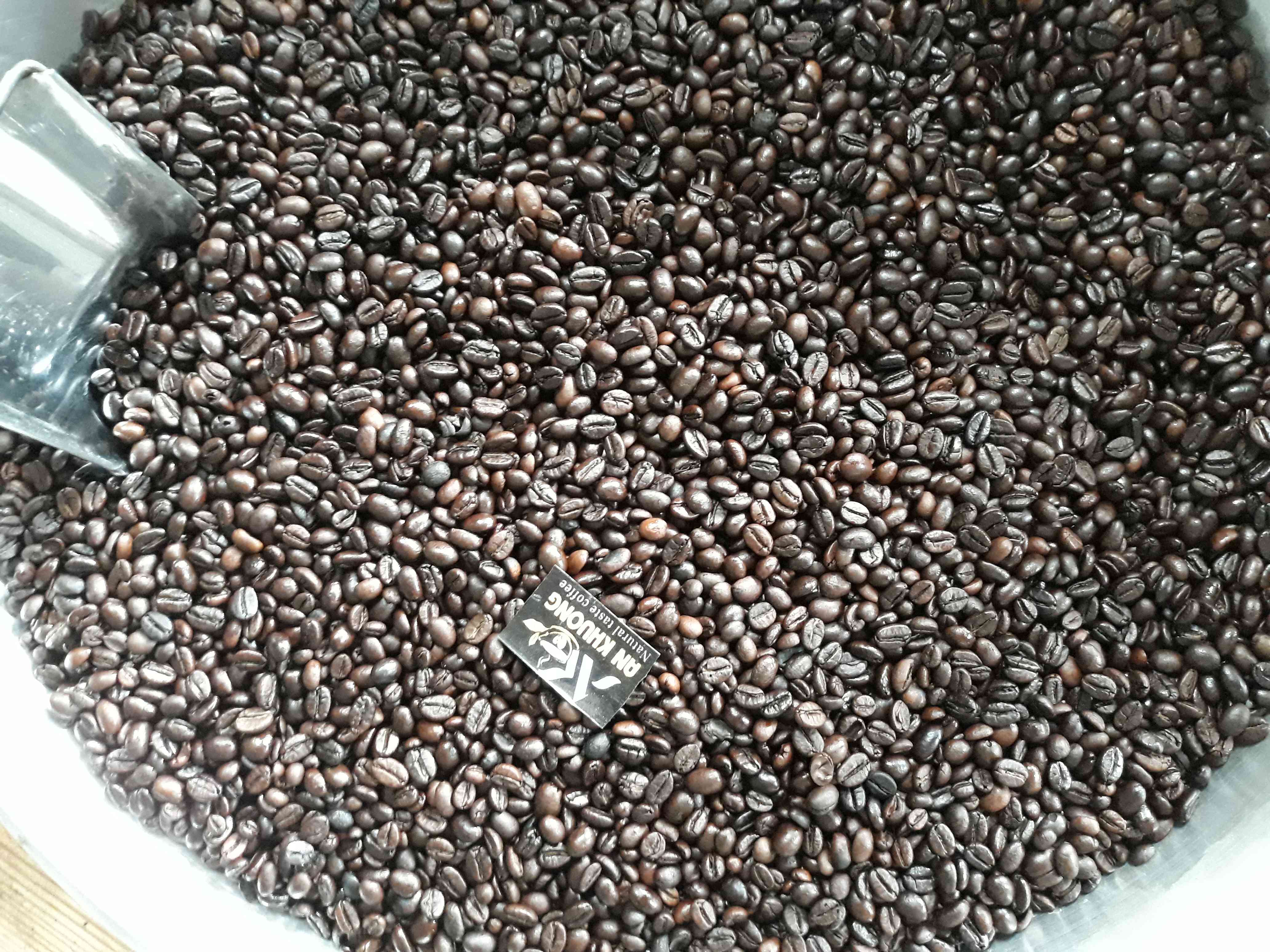
Tải mẻ làm thay đổi truyền nhiệt
Cà phê nhận nhiệt qua nhiều cơ chế trong máy rang. Thiết kế máy quyết định tỷ lệ giữa các cơ chế này, nhưng tải mẻ vẫn ảnh hưởng đến cách năng lượng được phân bố.
Khi lượng hạt tăng, nhiệt lượng cần thiết để làm nóng cả mẻ cũng tăng. Nếu năng lực nhiệt không thay đổi tương ứng, tốc độ tăng nhiệt có thể giảm. Hạt có thể mất nhiều thời gian hơn để đi đến các mốc quan trọng.
Khi lượng hạt giảm mạnh, ngược lại, hệ thống có thể phản ứng nhanh hơn và người vận hành dễ đưa mẻ đi quá nhanh nếu giữ nguyên cách cài đặt. Vì vậy, cùng một nhiệt độ cài đặt không thể được xem là điều kiện đủ để tái lập một mẻ.
PROBAT mô tả các máy Jupiter với dải tải mẻ từ 23 đến 750 kg tùy phiên bản và nhấn mạnh khả năng điều chỉnh luồng khí, nhiệt độ cấp khí và thời gian rang để duy trì tính tái lập. [2]
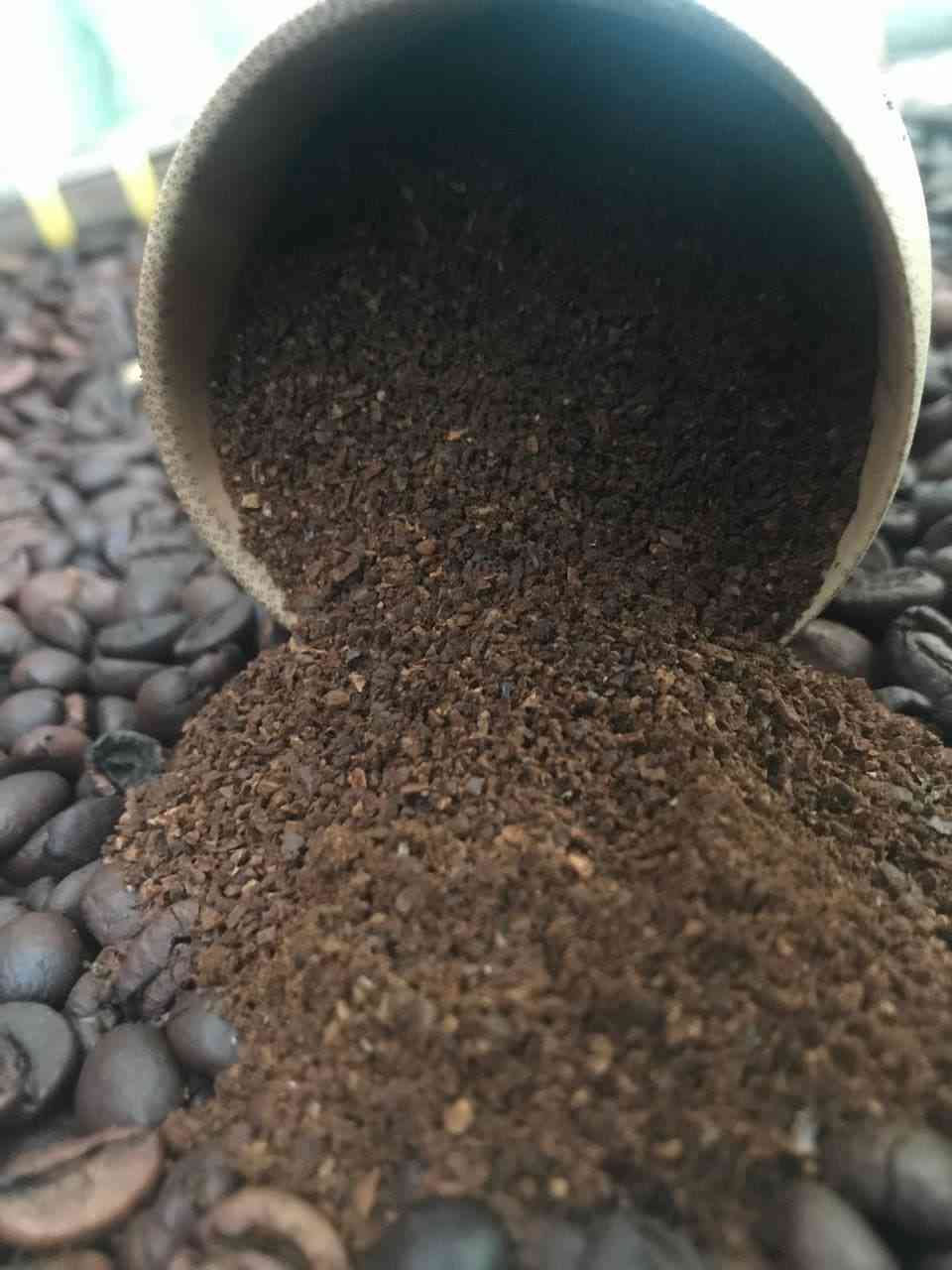
Tốc độ tăng nhiệt thay đổi theo tải
Đường cong rang phản ánh tốc độ thay đổi nhiệt theo thời gian. Khi tải mẻ thay đổi, đường cong có thể thay đổi ngay cả khi người vận hành không cố ý thay đổi cài đặt.
Perfect Daily Grind ghi nhận rằng quá tải có thể làm mẻ tăng nhiệt chậm và kéo dài quá trình; tải quá nhỏ cũng làm việc kiểm soát nhiệt khó hơn. Bài viết khuyến nghị theo dõi đường cong và thử nghiệm các tải khác nhau để tìm vùng vận hành phù hợp với từng máy. [1]
Điểm quan trọng là không nên dùng một mốc thời gian hoặc nhiệt độ duy nhất để đánh giá mọi mẻ. Cần xem cả tốc độ tăng nhiệt, thời gian từng giai đoạn và kết quả cảm quan.

Tải mẻ ảnh hưởng khả năng kiểm soát và tái lập
Tái lập nghĩa là khi các điều kiện đầu vào tương đương, mẻ sau có thể cho kết quả gần mẻ trước. Nếu khối lượng mẻ thay đổi, một biến lớn của quá trình đã thay đổi.
Perfect Daily Grind cũng lưu ý rằng khi thay đổi tải, luồng khí và phân bố nhiệt trong máy thay đổi. Cùng một loại cà phê trên cùng một máy nhưng ở tải khác nhau có thể tạo ra kết quả khác nhau. [1]
Điều này đặc biệt quan trọng khi nhà rang cần sản xuất liên tục. Nếu mẻ thứ nhất 5 kg, mẻ thứ hai 7 kg và mẻ thứ ba 4 kg nhưng đều dùng cùng cài đặt, người vận hành đang thay đổi một biến quan trọng mà không ghi nhận.
Vì vậy, khối lượng mẻ phải được xem như một thông số của hồ sơ rang, không phải một chi tiết phụ.
Tăng mẻ chưa chắc tăng năng suất thực
Nhiều người có thể nghĩ rằng mẻ lớn hơn luôn giúp sản lượng theo giờ tăng. Về lý thuyết, mỗi mẻ lớn hơn chứa nhiều cà phê hơn. Nhưng năng suất thực còn phụ thuộc thời gian rang, thời gian làm nguội, tỷ lệ mẻ đạt yêu cầu và số lần phải điều chỉnh hoặc rang lại.
Một mẻ quá lớn có thể kéo dài chu kỳ. Nếu kết quả cảm quan không đạt và phải xử lý lại, lượng cà phê “được rang” trên giấy không còn phản ánh năng suất thực tế.
PROBAT công bố đồng thời khối lượng mẻ và công suất kg/giờ cho từng dòng máy, cho thấy hai đại lượng này có quan hệ nhưng không đồng nhất. [2] Diedrich cũng công bố riêng công suất theo giờ và tải mẻ cho từng mẫu máy. [3]
Vùng tải phù hợp phải được xác định bằng dữ liệu của chính máy
Không nên lấy một tỷ lệ tải từ máy khác rồi coi đó là quy tắc chung. Hai máy cùng công suất danh nghĩa có thể có buồng rang, nguồn nhiệt, vật liệu và luồng khí khác nhau.
Để xác định vùng tải phù hợp, nhà rang có thể ghi lại ít nhất khối lượng cà phê, nhiệt độ nạp, thời gian rang, đường cong nhiệt, luồng khí, thời điểm các mốc chính và kết quả thử nếm. Khi thay đổi tải, cần thay đổi có chủ ý và ghi nhận kết quả.
Perfect Daily Grind khuyến nghị hiểu chính máy đang sử dụng, đặc tính truyền nhiệt và đặc tính của cà phê xanh trước khi xác định tải tối ưu. Độ ẩm, mật độ và kích thước hạt cũng ảnh hưởng đến lượng năng lượng cần thiết. [1][4]
Khối lượng mẻ vì vậy không phải chỉ là câu chuyện “cho bao nhiêu kg vào máy”. Nó là một biến làm thay đổi cân bằng nhiệt và cách người vận hành kiểm soát quá trình.
Muốn rang ổn định, tải mẻ cần được giữ trong vùng mà máy có thể kiểm soát tốt và cà phê cho kết quả phù hợp. Khi thay đổi tải, phải coi đó là một thay đổi quy trình và đánh giá lại dữ liệu, thay vì giữ nguyên mọi cài đặt rồi kỳ vọng kết quả không đổi.
- https://perfectdailygrind.com/2019/09/how-do-nhà rang xay-capacity-batch-size-affect-your-coffee-roast/
- https://www.probat.com/products/machines/roasting/jupiter-series/
- https://www.diedrichnhà rang xays.com/manuals-guides/
- https://perfectdailygrind.com/2024/06/analysing-green-roasted-coffee-quality/
- https://perfectdailygrind.com/?p=108767
Changing the amount of coffee in a batch changes the roasting process. The same machine, coffee, and nominal settings do not necessarily produce the same result at different loads. The reason is the relationship between the amount of coffee and the machine’s ability to transfer heat, move air, circulate beans, and carry the batch through each stage of roasting.
Batch Load Must Match the Machine’s Thermal Capacity
A roaster’s rated capacity does not mean that every load within that range will behave identically. When the batch is too large, more coffee must absorb heat while the available thermal capacity and drum volume remain limited. Perfect Daily Grind cites roaster experience showing that nominal capacity is not necessarily the optimum quality load; excessive loads can slow the rate of temperature rise, lengthen the roast, and make the desired development harder to achieve. [1]
The opposite problem can occur with a very small load. The machine can respond more quickly to heat and airflow, and the operator may need to adjust heat input, airflow, or drum speed to retain control. A setting that works for one load therefore cannot automatically be treated as a universal setting for another.
Batch Size Changes Heat Transfer
Coffee receives heat through several mechanisms, with the balance determined partly by machine design. Batch size still affects how that energy is distributed. A larger load requires more energy to heat the entire batch; if thermal input does not change accordingly, the rate of temperature rise can slow and important roast events may take longer to reach.
With a much smaller load, the system can respond more rapidly. If the operator keeps the same settings, the roast can move too quickly. PROBAT describes Jupiter machines with batch ranges from roughly 23 to 750 kg depending on model and highlights adjustable airflow, inlet-air temperature, and roast time as tools for maintaining repeatability. [2]
Rate of Rise Changes With the Load
A roast curve shows how temperature changes over time. Changing the load can change that curve even when the operator has not deliberately changed another setting. Perfect Daily Grind notes that excessive loads can slow the roast, while very small loads can make thermal control more difficult; testing different loads helps identify an operating range that suits the machine. [1]
For that reason, one time marker or one temperature should not be used to judge every batch. Rate of rise, the duration of different stages, and the sensory result all need to be considered together.
Batch Size Affects Control and Repeatability
Repeatability means that comparable inputs can produce comparable outputs. If batch weight changes, a major process variable has already changed. Perfect Daily Grind also notes that airflow and heat distribution can shift with load. A sequence of 5 kg, 7 kg, and 4 kg batches run with identical settings is therefore not truly a controlled comparison. Batch weight belongs in the roast profile itself.
A larger batch may appear to increase hourly production because more coffee is processed at once. But real throughput also depends on roast time, cooling time, the proportion of batches that meet specification, and the number of corrections or reruns required. PROBAT and Diedrich publish both batch capacity and hourly production information, illustrating that these are related but distinct measures. [2][3]
A Larger Batch Does Not Automatically Mean Higher Throughput
The suitable load range should be established from the actual machine rather than copied from another roaster. Machines with similar nominal capacity can have different drum designs, heat sources, materials, and airflow characteristics. The coffee itself also matters: moisture, density, and size affect the energy required and the way the beans respond. [1][4]
A useful test program records batch weight, charge temperature, roast time, roast curve, airflow, key roast events, and sensory results. When the load changes, it should be treated as an intentional process change and its consequences recorded. This creates evidence for defining the machine’s useful operating range.
The Suitable Load Range Must Be Established on the Actual Machine
Batch size is therefore not simply a question of how many kilograms can be placed in the drum. It is a variable that changes the thermal balance and the way the operator must control the roast. Stable roasting requires keeping the load within a range where the machine remains controllable and the coffee meets the intended product target.
The practical consequence for a production roaster is that batch size should be treated as part of the roast recipe and capacity model at the same time. If a machine is routinely run at several loads, each load should be understood as its own operating condition until data shows that the same control strategy works across them. The operator can compare the rate of temperature rise, duration of major stages, cooling time, final sensory result, and the percentage of batches that meet specification. This makes it possible to see whether a larger load really improves output or simply shifts time from the drum into longer roast cycles and more corrections. It also prevents a common planning mistake: comparing nominal kilograms per batch with nominal machine capacity without considering the full cycle. A useful load is the one that allows the machine to move the coffee predictably through the process while producing acceptable coffee at a sustainable rate. That range may be different for different coffees, and it may change as equipment or operating conditions change. Batch size is therefore both a thermal variable and a production variable, and it needs evidence from the actual system.
- https://perfectdailygrind.com/2019/09/how-do-roaster-capacity-batch-size-affect-your-coffee-roast/
- https://www.probat.com/products/machines/roasting/jupiter-series/
- https://www.diedrichroasters.com/manuals-guides/
- https://perfectdailygrind.com/2024/06/analysing-green-roasted-coffee-quality/
- https://perfectdailygrind.com/?p=108767