Việc chuẩn bị lớp bột bắt đầu trước khi nén
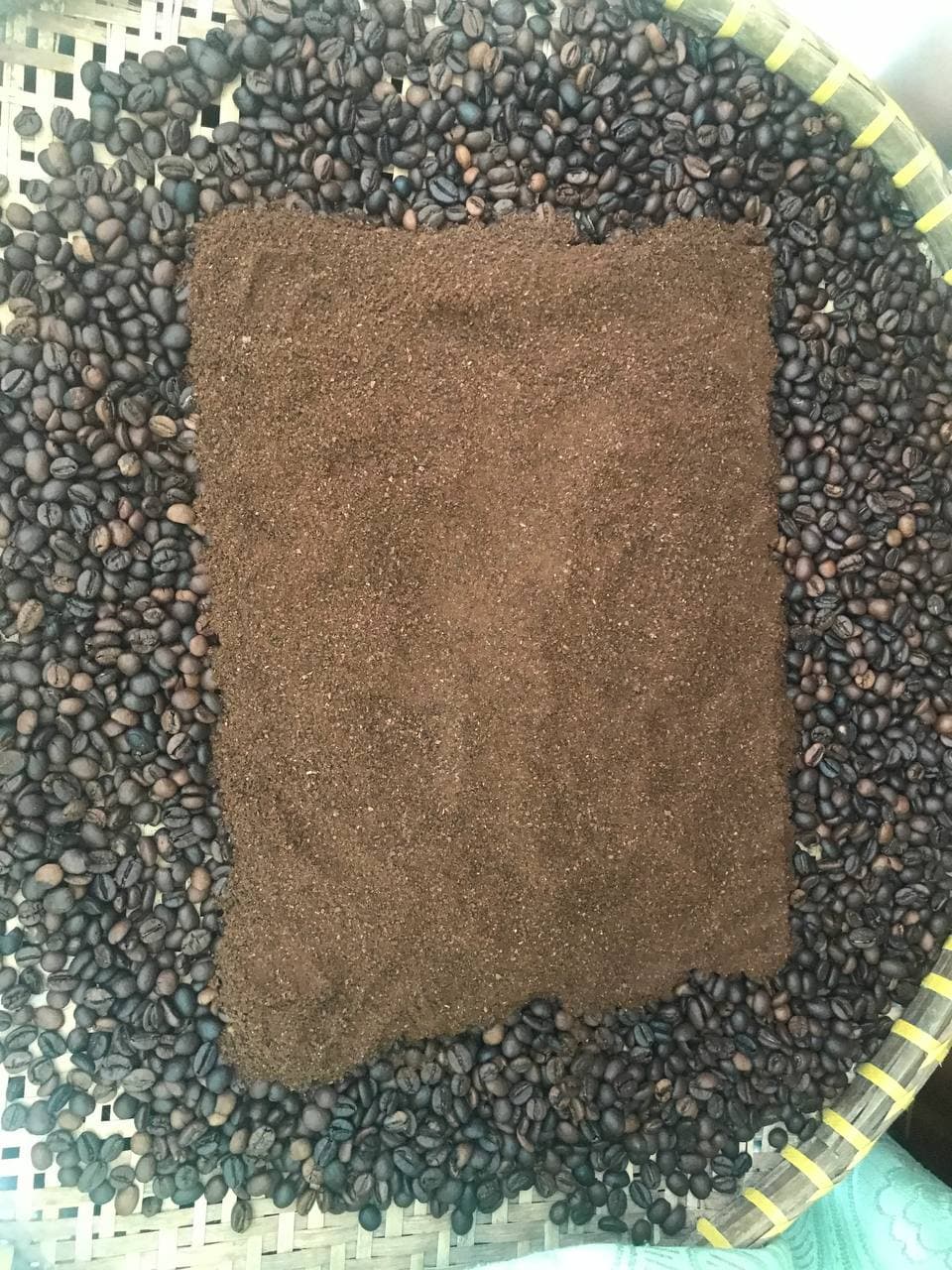
Khi bột cà phê vừa được xay vào tay cầm, lớp bột chưa phải là một khối đồng nhất. Có thể xuất hiện vùng dày, vùng mỏng, cục bột hoặc khoảng trống. Vì vậy, chuẩn bị lớp bột trước khi nén là một phần của quá trình tạo lớp bánh cà phê, chứ không phải một bước phụ.
Mục tiêu của phân bố là tạo một lớp bột tương đối đều để khi nén, bề mặt và mật độ của lớp bánh cà phê ổn định hơn. Tài liệu đào tạo của Hiệp hội Cà phê Đặc sản đặt phân bố và nén cạnh nhau trong quy trình cà phê pha áp suất, cho thấy hai thao tác có liên hệ nhưng không đồng nghĩa.
Điều này cũng giải thích vì sao chỉ tăng lực nén không phải cách sửa mọi vấn đề. Nếu bột đã phân bố không đều, nén mạnh hơn có thể làm lớp bột cứng hơn nhưng không nhất thiết xóa được sự bất đồng đều ban đầu.
Phân bố không đều có thể tạo điều kiện cho dòng nước đi lệch
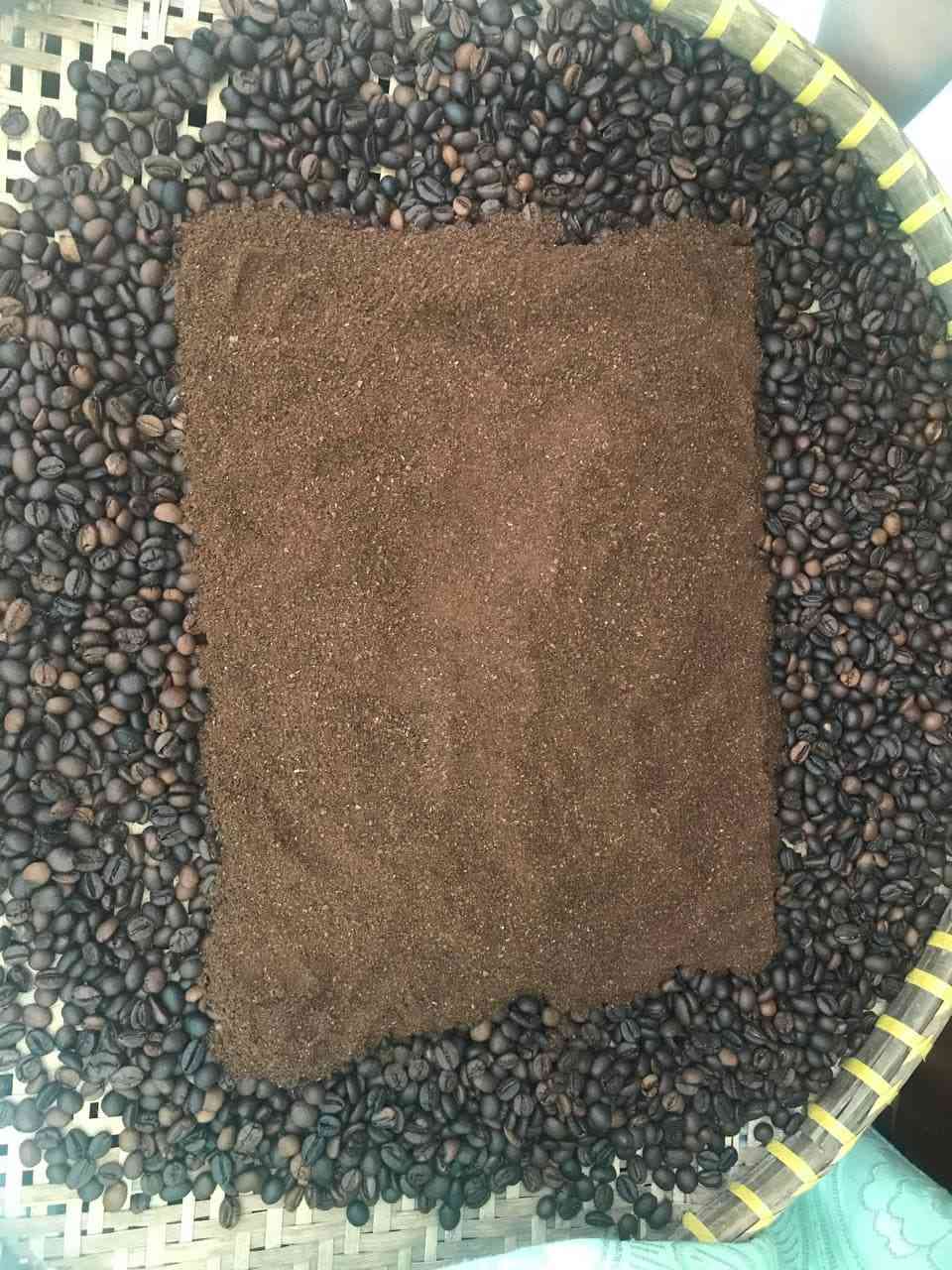
Nước có xu hướng đi qua những đường có sức cản thấp hơn. Nếu mật độ của lớp bột không đồng đều, một số vùng có thể cho nước đi qua dễ hơn. Trong cà phê pha áp suất, hiện tượng dòng nước đi không đồng đều thường được gọi là dòng chảy lệch, nhưng không nên dùng thuật ngữ này để khẳng định mọi lượt chiết xuất có vị không tốt đều do một nguyên nhân duy nhất.
Ở đây, điều đáng chú ý là cơ chế. Một lớp bột có vùng mật độ khác nhau tạo ra điều kiện dòng chảy khác nhau. Khi nước đi qua không đồng đều, một phần cà phê có thể được tiếp xúc nhiều hơn phần khác.
Tài liệu đào tạo của Hiệp hội Cà phê Đặc sản xem phân bố, nén và kích thước hạt xay là những yếu tố liên quan trong quá trình cà phê pha áp suất. Vì vậy, phân bố nên được hiểu như một phần của hệ thống chuẩn bị lớp bánh cà phê, không phải một mẹo độc lập.
Phân bố, nén và độ xay phải được nhìn cùng nhau
Một cỡ xay tạo nhiều cục bột sẽ đặt ra vấn đề khác với một cỡ xay cho lớp bột tơi và đồng đều. Cách đưa bột vào tay cầm cũng có thể tạo vùng tập trung. Sau đó, thao tác nén lại quyết định cách lớp bột được ép thành lớp bánh cà phê.
Nếu một lượt chiết xuất không ổn định, thay đổi dụng cụ phân bố ngay lập tức có thể làm người pha bỏ qua những biến khác. Có thể vấn đề nằm ở độ xay, lượng bột, cách định lượng hoặc chính thao tác nén.
Vì vậy, không nên khẳng định một dụng cụ phân bố cụ thể luôn tốt hơn mọi cách thủ công. Điều có thể kiểm tra là quy trình nào tạo ra kết quả ổn định hơn trong cùng một thiết bị, cùng loại cà phê và cùng công thức.
Thử quy trình phân bố như một biến riêng
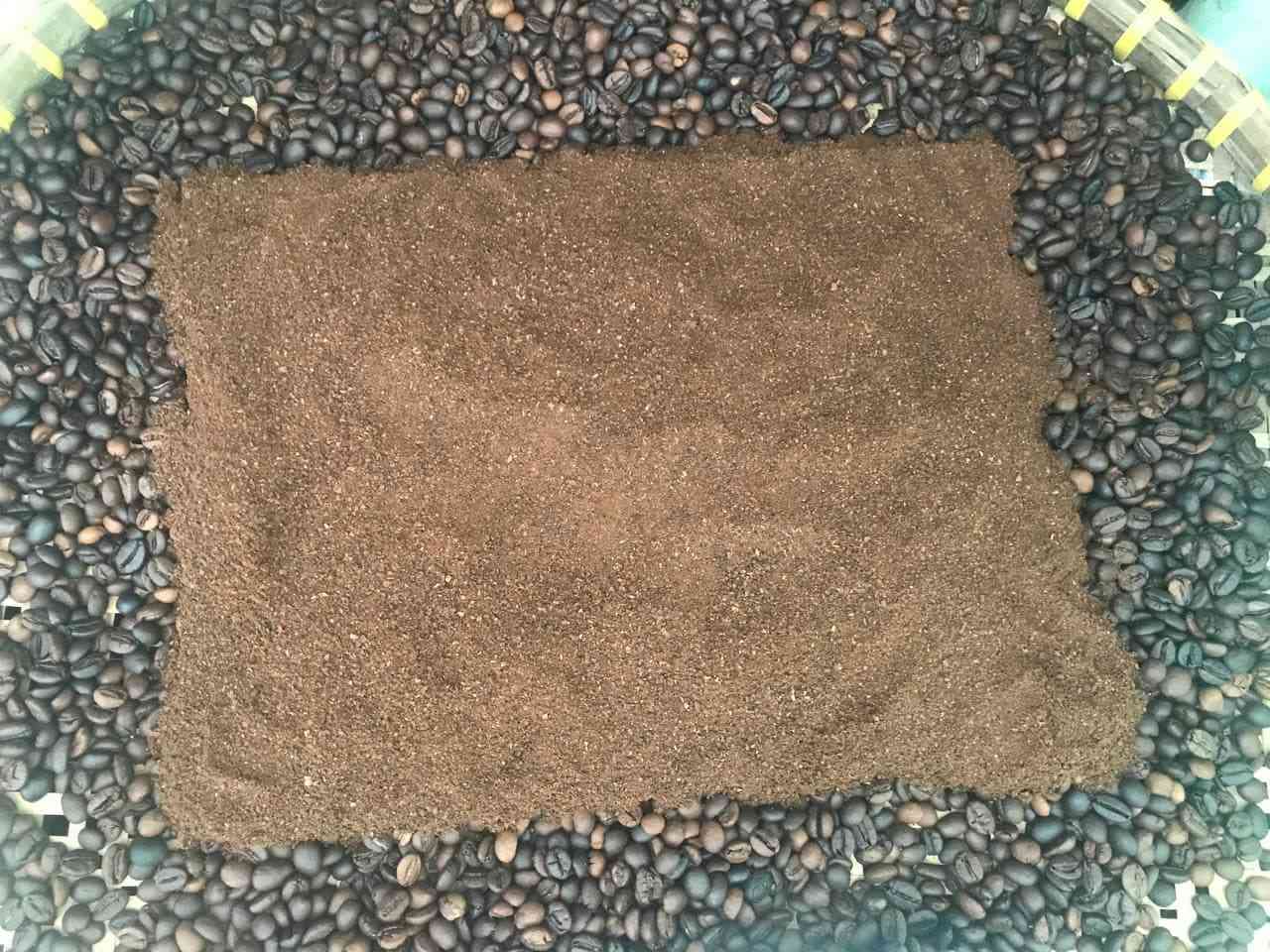
Muốn biết phân bố có giúp cải thiện sự ổn định hay không, hãy giữ máy xay, lượng cà phê, tỷ lệ đồ uống và các điều kiện máy tương đối giống nhau. Chỉ thay quy trình phân bố. Sau đó pha nhiều lượt chiết xuất thay vì kết luận từ một lượt chiết xuất duy nhất.
Có thể ghi thời gian, lượng đồ uống và quan sát dòng chảy. Nếu có dụng cụ đo, theo dõi thêm những chỉ số phù hợp. Quan trọng nhất là xem độ dao động giữa các lượt chiết xuất có giảm không.
Cách thử này thực tế hơn việc chạy theo một kỹ thuật đang được nhắc đến nhiều. Một quy trình chuẩn bị lớp bánh cà phê đáng dùng là quy trình phù hợp với thiết bị và giúp người pha tái lập kết quả. Phân bố tốt không phải vì thao tác trông chuyên nghiệp, mà vì nó góp phần tạo điều kiện ổn định trước khi nước bắt đầu đi qua lớp cà phê.
Lớp bột trong tay cầm cần được chuẩn bị tương đối đều trước khi nén. Nếu bột tập trung ở một vùng hoặc có nhiều khoảng trống, mật độ của lớp bột có thể không đồng nhất. Khi nước đi qua, những vùng có sức cản thấp hơn có thể nhận nhiều dòng nước hơn.
Điều này giải thích vì sao phân bố là một phần của quá trình chuẩn bị lớp cà phê. Nhưng không nên biến cơ chế đó thành lời khẳng định rằng một dụng cụ phân bố cụ thể luôn tạo ra kết quả tốt hơn. Hiệu quả còn phụ thuộc máy xay, cỡ hạt, lượng cà phê và cách người pha thực hiện.
Muốn kiểm tra, hãy giữ công thức và máy xay ổn định rồi thay riêng quy trình phân bố. Pha nhiều lượt và ghi thời gian, lượng đồ uống cùng những dấu hiệu dòng chảy. Nếu kết quả ổn định hơn, quy trình mới có cơ sở để được giữ lại.
Cách thử này cũng giúp phân biệt phân bố với nén. Nén có nhiệm vụ tạo lớp bánh cà phê phù hợp; nó không phải công cụ để sửa mọi bất thường đã xuất hiện từ trước. Hai bước cần phối hợp thay vì thay thế cho nhau.
Nếu hai quy trình phân bố cho kết quả tương tự, người pha có thể chọn quy trình đơn giản hơn. Sự ổn định và khả năng thực hiện hằng ngày quan trọng hơn việc dùng một thao tác phức tạp chỉ vì nó được quảng bá nhiều.
Tài liệu tham khảo
Specialty Coffee Association — Barista Skills course overview
Specialty Coffee Association — espresso process, dosing, distribution and tamping
Specialty Coffee Association — espresso preparation and grind consistency
Preparation of the Coffee Bed Starts Before Tamping
Freshly ground coffee does not automatically form an even bed in the portafilter. There may be dense areas, loose areas, clumps or gaps. Distribution is the step used to make the bed more uniform before tamping. A more even starting structure gives tamping a better foundation.
This is also why stronger tamping is not a universal fix. If the coffee is already unevenly distributed, pressing harder can make the puck denser without removing the underlying differences in density.
Uneven Distribution Can Create Preferential Flow
Water tends to move through paths with lower resistance. When coffee density varies across the bed, some areas can offer easier paths than others. Under pressure, this can produce uneven flow and make extraction less consistent.
The important point is the mechanism, not the claim that one distribution tool is automatically superior. Training material treats distribution, grind size and tamping as connected parts of puck preparation, so they need to be considered together.
Distribution, Tamping and Grind Size Need to Be Read Together
A grind that produces many clumps creates a different preparation problem from a grind that produces a loose, even bed. The way grounds enter the portafilter can also concentrate coffee in one area. If a shot is unstable, immediately changing the distribution tool may hide a problem with grind, dose or tamping.
The practical question is which preparation routine produces stable results that the brewer can repeat. A particular tool should not be presented as universally superior without evidence from the specific workflow and equipment.
Test Distribution as Its Own Variable
To see whether distribution improves consistency, keep the grinder, dose, beverage ratio and machine conditions as stable as possible. Change only the distribution routine, then pull several shots and record time, yield and flow. If measurement equipment is available, add appropriate extraction data.
This approach separates distribution from tamping. Tamping creates a suitable puck after preparation; it is not a substitute for preparing the grounds evenly. If two distribution routines produce similar results, the simpler routine may be the better everyday choice because consistency and ease of repetition matter.
The distribution step is therefore best understood as preparation rather than decoration. The aim is to reduce obvious differences in density before the puck is compressed. The exact motion can vary with the grinder, basket and workflow, provided the result is reasonably even and repeatable.
Clumps deserve particular attention because they can survive into the tamping stage. If one area contains a dense cluster while another contains loose grounds, the puck may not respond uniformly when water is forced through it. A distribution routine that breaks up and spreads those differences can create a more consistent starting point for tamping.
The useful test is not whether a particular technique looks sophisticated. It is whether the routine reduces variation across repeated shots without creating new problems. If a simple manual motion performs as well as a specialized tool in the same setup, the simpler routine may be preferable for everyday use.
An even distribution does not mean that every particle has to occupy an identical position. The practical goal is to avoid large differences in density and obvious gaps that can create unstable resistance. The exact preparation method can therefore vary, provided the resulting puck is sufficiently uniform for the workflow and can be reproduced.
If a distribution method is being evaluated, the comparison should be repeated enough times to reveal whether the difference is consistent. One unusually fast or slow shot is weak evidence because espresso naturally varies from shot to shot. Repetition makes it easier to distinguish an effect of the preparation method from ordinary variation.
This is also why a distribution routine should be judged together with the grinder and basket. A technique that works well with one grinder’s particle distribution may not behave identically with another. The useful standard is repeatable performance in the actual system, not popularity on its own.
The distribution process can be simple, but it should be intentional. The brewer can inspect whether grounds are concentrated on one side, whether visible clumps remain and whether the surface is reasonably even before tamping. These observations provide a practical check without requiring a specialized measurement of puck density.
When a preparation routine is changed, the brewer should give it several comparable shots before deciding whether it is better. A single successful shot may simply be normal variation. Repeated results are much more useful for deciding whether the distribution method deserves a permanent place in the workflow.
References
Specialty Coffee Association — Barista Skills course overview
Specialty Coffee Association — espresso process, dosing, distribution and tamping
Specialty Coffee Association — espresso preparation and grind consistency