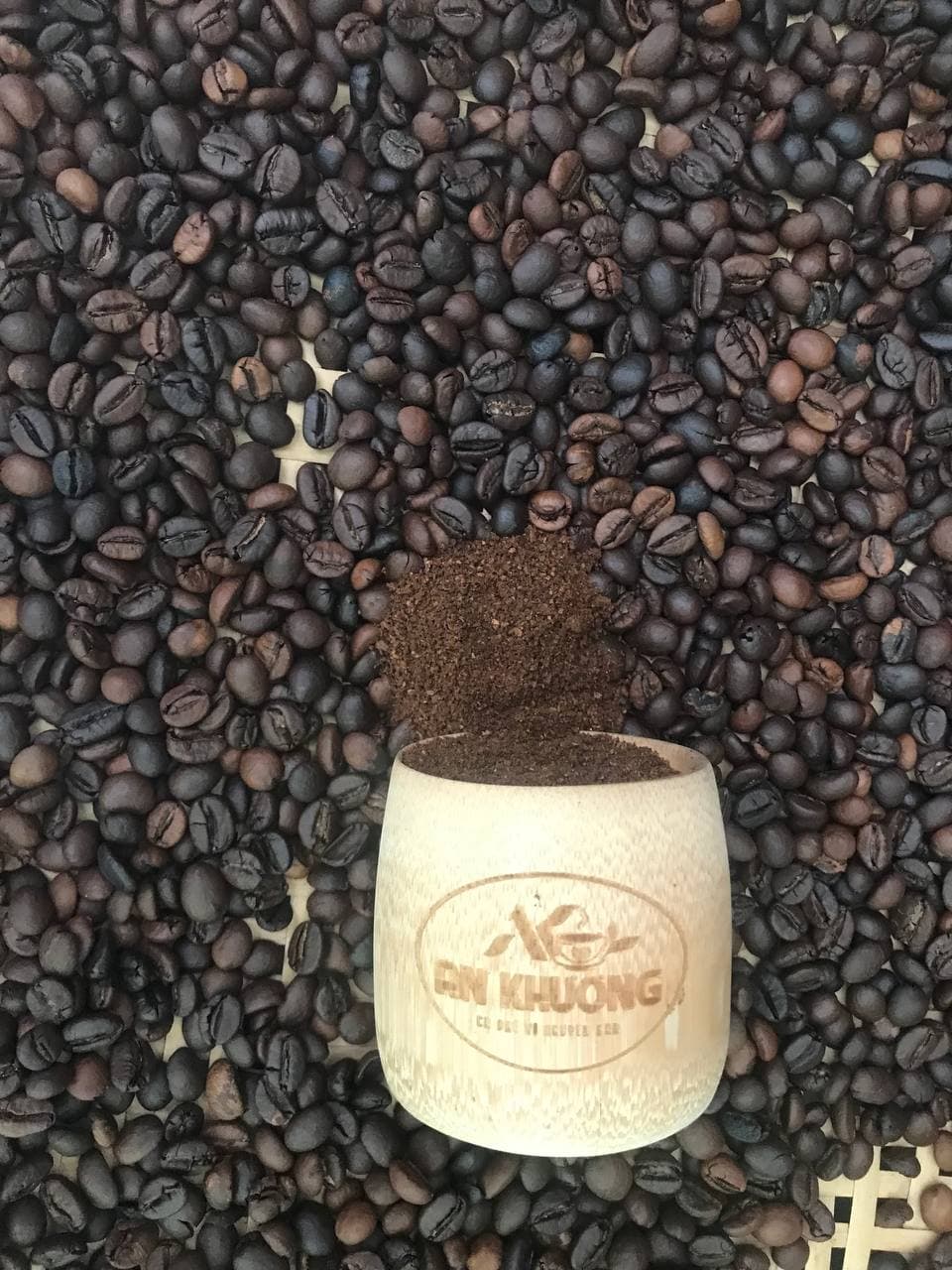
“Sạch” của nguyên liệu và “sạch” của thiết bị nằm ở hai điểm khác nhau
Nguyên liệu và thiết bị cùng xuất hiện trong một dây chuyền sản xuất, nhưng chúng không được đánh giá theo cùng một câu hỏi. Với nguyên liệu, câu hỏi bắt đầu từ thứ được đưa vào xưởng: hạt có đúng yêu cầu, có tạp chất hoặc khuyết tật cần loại bỏ hay không. Với thiết bị, câu hỏi lại là bề mặt tiếp xúc và điều kiện xử lý có được giữ trong trạng thái phù hợp trước, trong và sau sản xuất hay không.
Sự khác nhau này có ý nghĩa ngay từ khâu tiếp nhận. ISO 4149:2025 dành cho cà phê xanh quy định phương pháp kiểm tra bằng giác quan và xác định tạp chất, khuyết tật. Đó là cách tiếp cận đối với nguyên liệu. Sau khi hạt đi vào quá trình sản xuất, một hệ thống kiểm soát khác bắt đầu hoạt động: thiết bị phải được thiết kế và duy trì sao cho có thể làm sạch, kiểm tra và hạn chế nguy cơ nhiễm bẩn.
Vì thế, “nguyên liệu sạch” không phải là phiên bản khác của “thiết bị sạch”. Hai khái niệm nằm ở hai điểm khác nhau của cùng một chuỗi.
Thiết bị sạch giải quyết loại rủi ro nào
Một thiết bị sau khi sử dụng có thể còn lại cặn sản phẩm, bụi, dầu hoặc vật liệu mắc ở những vị trí khó quan sát. Nếu những tồn dư này tiếp xúc với mẻ sau, vấn đề không còn nằm ở chất lượng nguyên liệu đầu vào mà nằm ở quá trình xử lý.
FDA trong tài liệu về thực hành sản xuất tốt cho ngành thực phẩm nhấn mạnh rằng thiết bị có thiết kế vệ sinh tốt cần giảm khả năng nhiễm bẩn, các bộ phận cần vệ sinh phải có khả năng tiếp cận và bề mặt phải đủ thuận lợi để làm sạch. Đây là nguyên tắc quản lý vệ sinh thiết bị, không phải một công thức riêng cho máy rang hay máy xay cà phê.
Trong xưởng cà phê, điều này dẫn đến một cách nhìn thực tế: không chỉ hỏi “đã vệ sinh máy chưa?” mà phải hỏi “đã vệ sinh những vị trí nào, có vị trí nào giữ lại cặn và sau vệ sinh đã kiểm tra ra sao?”. Một thiết bị nhìn sạch từ bên ngoài vẫn có thể còn vật liệu ở bên trong, tại khe, góc, đường dẫn hoặc vùng khó tiếp cận.
Nguyên liệu sạch không tự bảo đảm thiết bị sạch
Một lô nguyên liệu được kiểm tra tốt không làm cho thiết bị tự trở nên sạch. Đây là điểm dễ bị bỏ qua khi người ta dùng chữ “sạch” như một đặc tính chung cho toàn bộ quy trình.
Hãy hình dung hai tình huống. Ở tình huống thứ nhất, nguyên liệu đầu vào được kiểm tra kỹ nhưng thiết bị còn lượng cặn của mẻ trước. Ở tình huống thứ hai, thiết bị được vệ sinh tốt nhưng nguyên liệu mới tiếp nhận lại có vấn đề về tạp chất hoặc khuyết tật. Hai tình huống cho thấy hai tuyến kiểm soát có thể độc lập với nhau.
Nếu chỉ ghi một dòng “nguyên liệu đạt” trong hồ sơ, không thể dùng dòng đó để chứng minh thiết bị đã được vệ sinh. Tương tự, một phiếu vệ sinh thiết bị không thể thay thế cho kiểm tra nguyên liệu. Mỗi hồ sơ cần trả lời đúng câu hỏi của nó.
Cách tách này cũng giúp phát hiện điểm yếu. Khi một mẻ có vấn đề, người phụ trách có thể xem lại đầu vào và quá trình thay vì mặc định rằng chỉ một phía có lỗi.
Thiết kế hệ thống kiểm soát theo hai tuyến
Một hệ thống đơn giản nhưng rõ ràng có thể bắt đầu bằng hai tuyến hồ sơ. Tuyến thứ nhất dành cho nguyên liệu: nguồn, lô, tình trạng tiếp nhận, tiêu chí kiểm tra và quyết định chấp nhận hoặc xử lý. Tuyến thứ hai dành cho thiết bị: tình trạng trước sử dụng, công việc vệ sinh, các vị trí đã kiểm tra và xác nhận sau vệ sinh.
Hai tuyến này có thể liên hệ với cùng một lô sản xuất nhưng không nên trộn thành một kết luận chung. Khi có sự cố, việc giữ riêng dữ liệu giúp truy ngược dễ hơn: vấn đề xuất hiện từ nguyên liệu, từ thiết bị hay từ một công đoạn khác?
Cách làm này cũng khiến tuyên bố “sạch” trở nên có nội dung. Thay vì nói toàn bộ quy trình sạch một cách chung chung, nhà sản xuất có thể cho thấy mình kiểm soát từng lớp ở đâu. Đó là sự khác biệt giữa một lời mô tả và một hệ thống kiểm soát có thể kiểm tra.
Tài liệu tham khảo
- FDA — Good Manufacturing Practices for the 21st Century for Food Processing, Appendix A: Annotated Bibliography on Food Safety Problems and Recommended Controls — https://www.fda.gov/food/current-good-manufacturing-practices-cgmps-food-and-dietary-supplements/good-manufacturing-practices-21st-century-food-processing-2004-study-appendix-annotated-bibliography
- FDA — Food Packaging & Other Substances that Come in Contact with Food — https://www.fda.gov/food/food-ingredients-packaging/food-packaging-other-substances-come-contact-food-information-consumers
“Clean” ingredients and “clean” equipment sit at two different points
Ingredients and equipment both show up on the same production line, but they aren't judged by the same question. For ingredients, the question starts with what comes into the facility: do the beans meet requirements, and is there foreign matter or defects that need to be removed. For equipment, the question is whether the contact surfaces and handling conditions are kept in a suitable state before, during, and after production.
That distinction matters from the moment goods are received. ISO 4149:2025, for green coffee, sets out sensory examination methods for identifying foreign matter and defects. That's the raw-material approach. Once the beans enter production, a different control system takes over: equipment needs to be designed and maintained so it can be cleaned, inspected, and kept from becoming a source of contamination.
So “clean ingredients” isn't just another version of “clean equipment.” They're two separate points along the same chain.
What kind of risk does clean equipment actually address
Equipment that's been used can retain product residue, dust, oil, or trapped material in spots that aren't easy to see. If that leftover material touches the next batch, the problem is no longer about the quality of the incoming raw material — it's about the handling process itself.
In its guidance on good manufacturing practice for food, the FDA emphasizes that well-designed, hygienic equipment should reduce the potential for contamination, that parts requiring cleaning need to be accessible, and that surfaces should be practical to clean. This is a general principle for managing equipment hygiene — not a formula written specifically for coffee roasters or grinders.
In a coffee facility, that translates into a more practical way of asking the question: not just “has the machine been cleaned?” but “which specific spots were cleaned, are there spots that still hold residue, and how was the result checked afterward?” A machine that looks clean on the outside can still hold material inside — in gaps, corners, ducts, or hard-to-reach areas.
Clean ingredients don't guarantee clean equipment
A well-inspected batch of raw material doesn't make the equipment clean on its own. That's an easy point to miss when “clean” gets used as a blanket description for an entire process.
Picture two scenarios. In the first, the incoming raw material is carefully checked, but the equipment still carries residue from the previous batch. In the second, the equipment has been cleaned well, but the newly received raw material has issues with foreign matter or defects. Both scenarios show that the two lines of control can be entirely independent of each other.
If a record simply notes “raw material passed,” that line can't be used to prove the equipment was cleaned. Likewise, an equipment-cleaning checklist can't substitute for a raw-material inspection. Each record needs to answer its own specific question.
Keeping the two separate also makes it easier to spot weak points. When a batch has an issue, whoever is responsible can review both the input and the process, rather than assuming by default that only one side is at fault.
Designing a two-track control system
A simple but clear system can start with two separate sets of records. One track covers raw material: source, batch, condition on receipt, inspection criteria, and the decision to accept or reject. The other track covers equipment: condition before use, cleaning work performed, the spots that were checked, and confirmation after cleaning.
The two tracks can relate to the same production run without being merged into one blanket conclusion. When something goes wrong, keeping the data separate makes it easier to trace back: did the issue originate with the raw material, the equipment, or another step entirely?
This approach also gives the word “clean” actual substance. Instead of saying the whole process is clean in a general way, a producer can show exactly where each layer of control sits. That's the difference between a description and a control system that can actually be checked.
References
- FDA — Good Manufacturing Practices for the 21st Century for Food Processing, Appendix A: Annotated Bibliography on Food Safety Problems and Recommended Controls — https://www.fda.gov/food/current-good-manufacturing-practices-cgmps-food-and-dietary-supplements/good-manufacturing-practices-21st-century-food-processing-2004-study-appendix-annotated-bibliography
- FDA — Food Packaging & Other Substances that Come in Contact with Food — https://www.fda.gov/food/food-ingredients-packaging/food-packaging-other-substances-come-contact-food-information-consumers