Trong máy rang còn lại những gì sau một mẻ
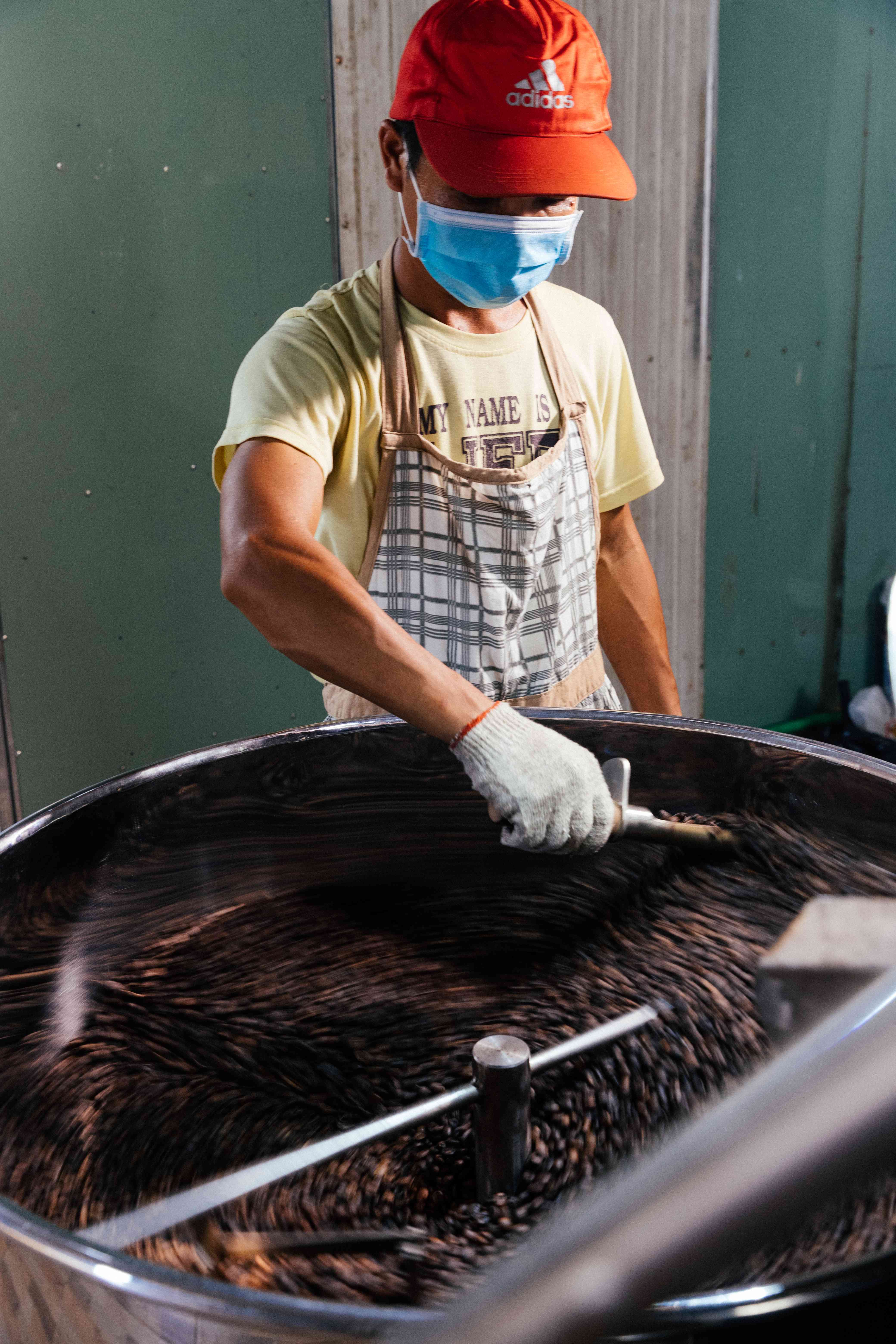
Một mẻ rang kết thúc không có nghĩa là mọi vật liệu của mẻ đã rời khỏi máy. Tùy cấu tạo và tình trạng thiết bị, có thể còn vỏ lụa, bụi, hạt vụn hoặc cặn bám ở các vùng khác nhau. Dầu cà phê cũng có thể tích tụ trên những bề mặt tiếp xúc với khí nóng và sản phẩm trong quá trình vận hành. Một phần tồn dư nằm ở nơi dễ nhìn thấy, phần khác nằm trong các khu vực khó quan sát.
Điều đáng chú ý không phải là giả định rằng mọi máy rang đều giữ lại cùng một lượng cặn, mà là nhận diện những vị trí có khả năng giữ lại vật liệu. Thiết kế thiết bị, đường đi của sản phẩm, luồng khí và tình trạng bề mặt đều ảnh hưởng đến việc cặn nằm ở đâu.
FDA khi xem xét thực hành vệ sinh thiết bị trong chế biến thực phẩm nhấn mạnh rằng thiết bị cần được thiết kế sao cho có thể làm sạch và các bộ phận cần vệ sinh phải có khả năng tiếp cận. Nguyên tắc này đặc biệt hữu ích khi nhìn vào máy rang: vệ sinh không nên chỉ được hiểu là lau phần vỏ bên ngoài.
Vì sao tồn dư có thể đi sang mẻ kế tiếp
Một tồn dư có thể ảnh hưởng đến mẻ sau theo nhiều con đường. Vật liệu rời có thể rơi trực tiếp vào dòng sản phẩm. Bụi hoặc phần nhẹ có thể bị luồng khí cuốn sang khu vực khác. Cặn bám lâu ngày có thể bong ra khi thiết bị rung, nóng lên hoặc được vận hành trở lại. Không phải trường hợp nào cũng xảy ra, nhưng đó là những cơ chế cần được xem xét khi thiết kế việc vệ sinh.
Mức độ ảnh hưởng phụ thuộc vào cấu tạo cụ thể của máy. Một vị trí nằm xa đường đi của hạt không có ý nghĩa giống một vị trí mà hạt hoặc luồng khí trực tiếp đi qua. Vì vậy, việc vệ sinh có hiệu quả không nên được đánh giá bằng số phút lau chùi mà bằng việc những điểm có khả năng gây tồn dư đã được xử lý hay chưa.
Trong sản xuất liên tục, vấn đề còn liên quan đến sự tích tụ theo thời gian. Một lượng nhỏ cặn sau từng mẻ có thể trở thành lượng lớn hơn nếu không có lịch kiểm tra phù hợp. Chính vì vậy, việc vệ sinh định kỳ và việc kiểm tra giữa các mẻ cần được đặt trong cùng một kế hoạch.
Ảnh hưởng nào có thể nhận thấy
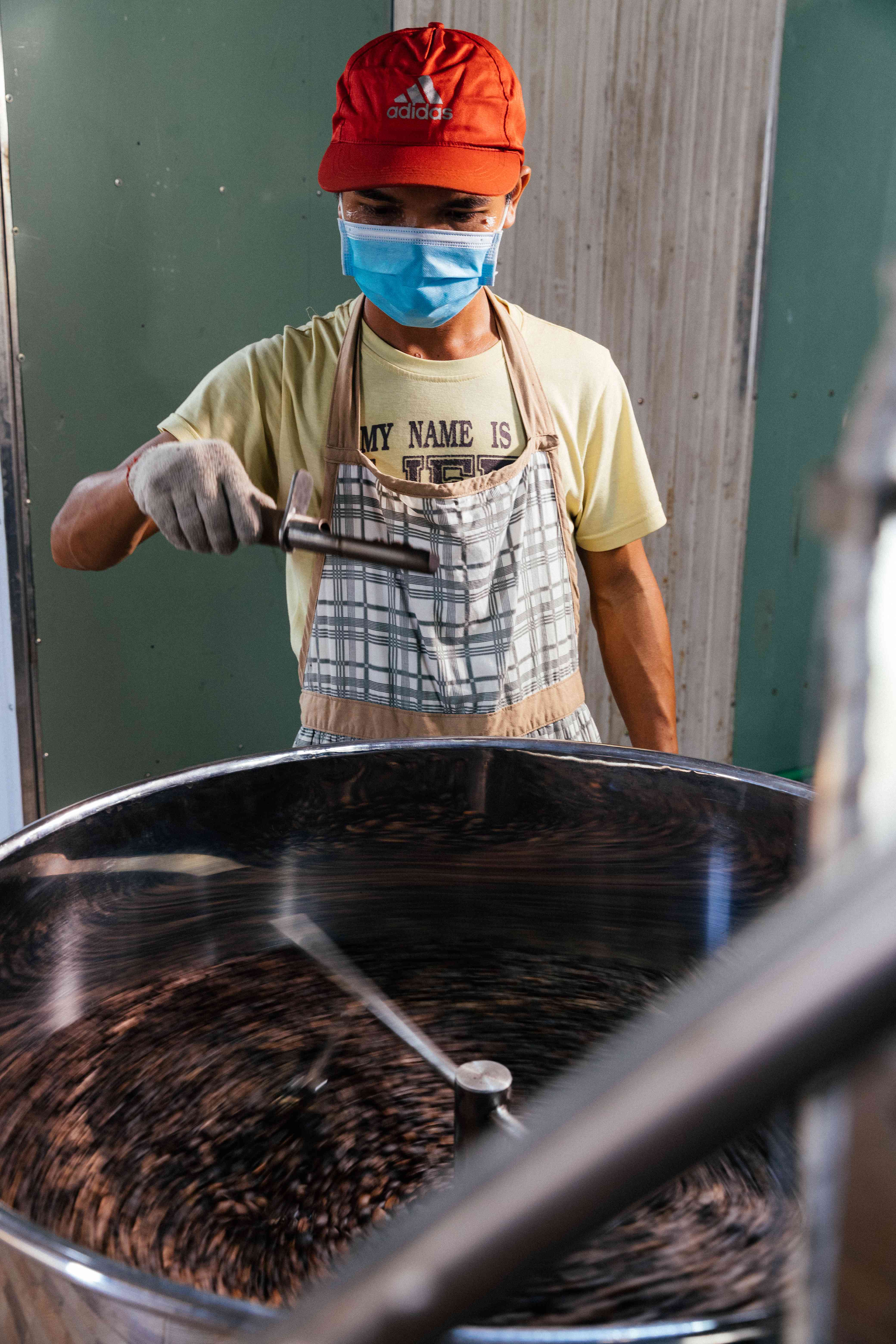
Ảnh hưởng dễ nhận thấy nhất có thể nằm ở cảm quan. Cặn của mẻ trước, đặc biệt khi có mùi mạnh hoặc dầu đã biến đổi, có thể tạo ra mùi hoặc vị không mong muốn nếu đi vào mẻ sau. Tồn dư vật liệu cũng có thể ảnh hưởng đến màu hoặc làm xuất hiện tạp vật nhìn thấy được.
Tuy nhiên, không nên biến mọi thay đổi cảm quan thành một kết luận về an toàn thực phẩm. Mùi lạ là dấu hiệu cần điều tra, nhưng chỉ từ mùi không thể xác định toàn bộ nguyên nhân. Tương tự, một thiết bị có cặn không đồng nghĩa với việc sản phẩm chắc chắn đã không an toàn. Cần phân biệt dấu hiệu chất lượng với đánh giá an toàn và truy tìm nguyên nhân tương ứng.
Cách phân biệt này giúp việc vệ sinh thực tế hơn. Mục tiêu không phải tạo ra một chiếc máy “vô trùng” theo nghĩa tuyệt đối, mà là kiểm soát những tồn dư có thể ảnh hưởng đến sản phẩm và duy trì thiết bị trong trạng thái phù hợp với quy trình.
Vệ sinh máy rang nên nhắm vào đâu
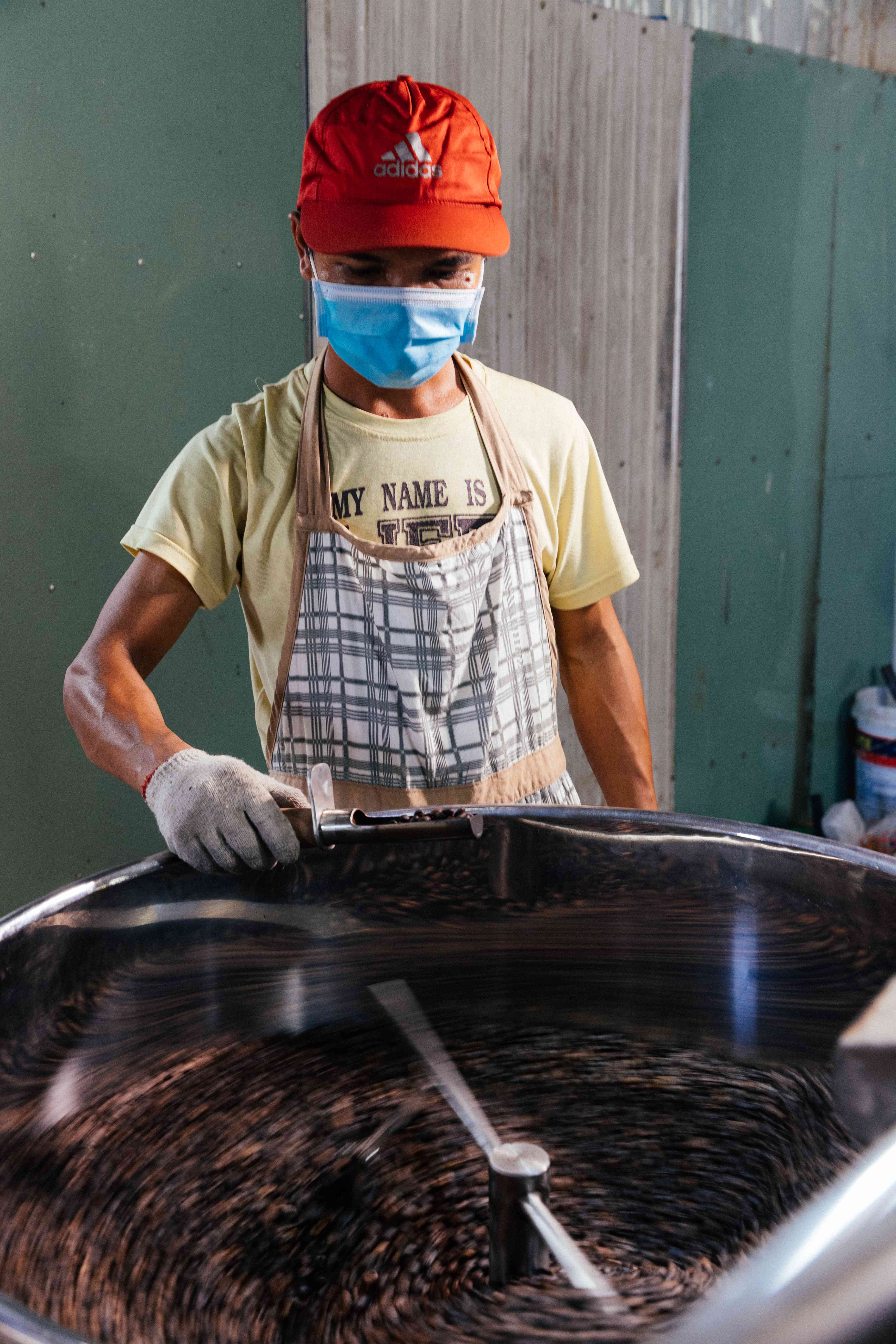
Một chương trình vệ sinh hiệu quả nên bắt đầu bằng bản đồ các điểm tích tụ. Người vận hành cần biết cặn thường xuất hiện ở đâu, bộ phận nào có thể mở để kiểm tra, phần nào cần vệ sinh theo lịch và phần nào cần kiểm tra sau những mẻ có đặc điểm đặc biệt.
Sau khi vệ sinh, bước xác nhận cũng quan trọng. Có thể bắt đầu bằng kiểm tra trực quan tại các điểm đã xác định, đối chiếu với tình trạng trước vệ sinh và ghi nhận bất thường. Nếu thiết bị có bộ phận khó tiếp cận, cần dựa vào hướng dẫn kỹ thuật của nhà sản xuất thay vì tự ý tháo các phần không được phép tháo.
Điều này thay đổi cách hiểu về câu “vệ sinh máy rang”. Đó không chỉ là một thao tác làm cho máy trông sạch hơn. Mục tiêu là loại bỏ hoặc kiểm soát những tồn dư có khả năng ảnh hưởng đến mẻ tiếp theo, đồng thời tạo ra một quy trình mà người khác có thể thực hiện và kiểm tra lại.
Tài liệu tham khảo
- FDA — Good Manufacturing Practices for the 21st Century for Food Processing, Appendix A: Annotated Bibliography on Food Safety Problems and Recommended Controls — https://www.fda.gov/food/current-good-manufacturing-practices-cgmps-food-and-dietary-supplements/good-manufacturing-practices-21st-century-food-processing-2004-study-appendix-annotated-bibliography
- FAO — Global Perspectives in Coffee Quality Improvement: processing, storage and transport controls — https://www.fao.org/4/X6938E/x6938e08.htm
What's left inside a roaster after a batch
Finishing a roast doesn't mean every trace of that batch has left the machine. Depending on the design and condition of the equipment, silverskin, dust, bean fragments, or residue can remain in various spots. Coffee oil can also build up on surfaces that come into contact with hot air and the beans during operation. Some of this residue sits in plain sight, while other pockets are tucked away in places that are hard to inspect.
What matters isn't assuming every roaster holds the same amount of residue, but identifying which spots are actually prone to retaining material. Equipment design, the path the beans travel, the airflow, and the condition of the surfaces all affect where that residue ends up.
When the FDA discusses equipment hygiene practices in food processing, it stresses that equipment should be designed to be cleaned, and that parts requiring cleaning need to be accessible. That principle is especially useful for roasters: cleaning shouldn't simply mean wiping down the outer casing.
Why residue can carry over into the next batch
Leftover material can affect the next batch through several routes. Loose material can fall directly into the product stream. Dust or lighter particles can get carried by airflow into another area. Residue that's built up over time can flake off when the equipment vibrates, heats up, or starts running again. Not every case plays out this way, but these are the mechanisms worth considering when designing a cleaning routine.
How much this matters depends on the specific design of the machine. A spot far from the path of the beans doesn't carry the same weight as a spot the beans or airflow pass through directly. So the effectiveness of cleaning shouldn't be judged by how many minutes were spent wiping things down, but by whether the spots capable of holding residue have actually been dealt with.
In continuous production, there's also the question of buildup over time. A small amount of residue after each batch can add up to something much larger without a proper inspection schedule. That's why periodic cleaning and checks between batches need to sit within the same plan.
What effects can actually be noticed
The most noticeable effect is usually sensory. Residue from a previous batch — especially if it carries a strong smell or the oil has changed — can introduce an unwanted aroma or flavor if it carries into the next roast. Leftover material can also affect color or show up as visible foreign matter.
That said, not every sensory change should be turned into a conclusion about food safety. An off smell is a signal worth investigating, but smell alone can't identify the entire cause. Likewise, equipment with residue doesn't automatically mean the product is unsafe. Quality signals and safety assessments need to be kept separate, each traced back through its own line of investigation.
Making that distinction keeps cleaning grounded in reality. The goal isn't to create a machine that's “sterile” in some absolute sense, but to control the residue capable of affecting the product and keep the equipment in a condition suited to the process.
Where roaster cleaning should actually focus
An effective cleaning program should start with a map of where buildup tends to occur. Operators need to know where residue typically shows up, which parts can be opened for inspection, what needs cleaning on a schedule, and what needs checking after batches with unusual characteristics.
The confirmation step after cleaning matters just as much. It can start with a visual check at the identified points, compared against the condition before cleaning, with any abnormalities noted. If a part of the machine is hard to reach, operators should follow the manufacturer's technical guidance rather than dismantling parts that aren't meant to be removed.
This reframes what “roaster cleaning” actually means. It's not just an action that makes the machine look tidier. The goal is to remove or control the residue capable of affecting the next batch, while building a process that someone else can follow and verify.
References
- FDA — Good Manufacturing Practices for the 21st Century for Food Processing, Appendix A: Annotated Bibliography on Food Safety Problems and Recommended Controls — https://www.fda.gov/food/current-good-manufacturing-practices-cgmps-food-and-dietary-supplements/good-manufacturing-practices-21st-century-food-processing-2004-study-appendix-annotated-bibliography
- FAO — Global Perspectives in Coffee Quality Improvement: processing, storage and transport controls — https://www.fao.org/4/X6938E/x6938e08.htm