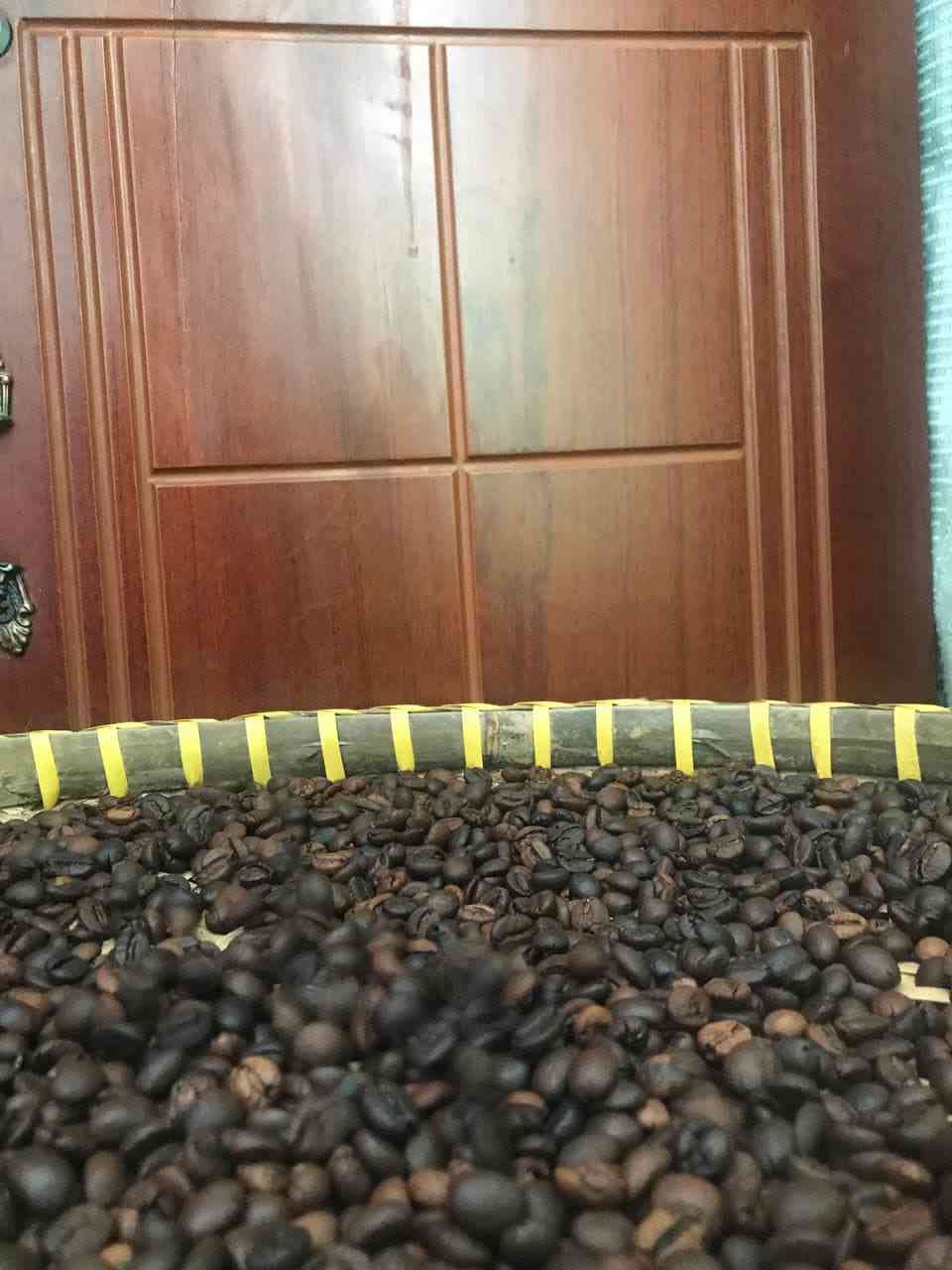
Nhiệt độ và độ ẩm không tác động theo cùng một cách
Trong bảo quản cà phê, nhiệt độ và độ ẩm thường được nhắc cùng nhau nhưng chúng không phải một biến số. Nhiệt độ ảnh hưởng đến tốc độ của nhiều phản ứng hóa học và sự di chuyển của các hợp chất; độ ẩm quyết định lượng nước mà sản phẩm có thể hấp thụ từ môi trường.
Một kho có nhiệt độ cao nhưng khô sẽ tạo ra một kiểu rủi ro khác với kho vừa nóng vừa ẩm. Vì vậy, chỉ ghi một con số “nhiệt độ kho” là chưa đủ để đánh giá điều kiện bảo quản.
Các nghiên cứu về cà phê cho thấy điều kiện nhiệt độ và độ ẩm có thể ảnh hưởng đến sự hấp thụ ẩm và tốc độ suy giảm chất lượng. Nghiên cứu năm 2024 về cà phê trong viên nén sinh học cho thấy khi nhiệt độ và độ ẩm tương đối tăng, lượng ẩm hấp thụ tăng và một chỉ số chất lượng của dịch pha giảm nhanh hơn.
Điều này không có nghĩa mọi loại cà phê đều có cùng giới hạn. Điều kiện phù hợp phải gắn với dạng sản phẩm, bao bì và thời gian lưu kho.
Độ ẩm của không khí liên quan trực tiếp đến khả năng hút ẩm
Cà phê rang xay có thể trao đổi ẩm với môi trường. Khi môi trường có độ ẩm tương đối cao, chênh lệch giữa trạng thái của sản phẩm và không khí có thể thúc đẩy quá trình hút ẩm.
Cà phê hòa tan còn nhạy với ẩm hơn ở một số dạng sản phẩm. Các tài liệu về bảo quản cà phê hòa tan ghi nhận tính hút ẩm và nguy cơ vón cục khi sản phẩm nhận quá nhiều nước.
Đối với cà phê rang nguyên hạt hoặc xay, hút ẩm cũng có thể làm thay đổi trạng thái vật lý và góp phần vào suy giảm chất lượng. Nhưng không nên dùng một ngưỡng độ ẩm của cà phê hòa tan để áp dụng trực tiếp cho mọi sản phẩm rang xay.
Điều quan trọng trong kho là theo dõi độ ẩm tương đối của môi trường cùng tình trạng thực tế của sản phẩm. Khi bao bì, pallet hoặc khu vực kho có dấu hiệu bất thường, cần kiểm tra nguyên nhân thay vì chỉ nhìn số trên nhiệt ẩm kế.
Nhiệt độ cao có thể làm quá trình suy giảm diễn ra nhanh hơn
Nhiệt độ không phải là nguyên nhân duy nhất làm cà phê mất chất, nhưng nó có thể làm nhiều quá trình diễn ra nhanh hơn. Khi nhiệt tăng, tốc độ của các phản ứng hóa học và quá trình di chuyển của các hợp chất có thể thay đổi.
Điều này đặc biệt đáng chú ý khi nhiệt độ kho dao động mạnh. Một bao cà phê nằm trong kho mát nhưng thường xuyên bị nóng lên rồi hạ xuống sẽ trải qua lịch sử nhiệt khác với bao được giữ trong điều kiện ổn định.
Các nghiên cứu về độ ổn định của cà phê trong bao bì cho thấy nhiệt độ và độ ẩm cần được xem cùng nhau. Vì vậy, “kho mát” không nên chỉ được hiểu là một cảm giác; cơ sở nên có dữ liệu để biết điều kiện thực tế.
Theo dõi nhiệt độ theo thời gian cũng hữu ích hơn một lần đo ngẫu nhiên. Một nhiệt kế cho biết trạng thái hiện tại; dữ liệu liên tục cho biết kho đã trải qua điều gì.

Quản lý kho nên dựa trên dữ liệu chứ không chỉ một con số
Không có một mức nhiệt độ và độ ẩm duy nhất có thể áp dụng cho mọi loại cà phê, mọi bao bì và mọi thời gian lưu kho. Thay vào đó, cơ sở nên xác định điều kiện mục tiêu từ đặc tính sản phẩm và yêu cầu của bao bì, rồi theo dõi xem kho có duy trì được hay không.
Nên đặt thiết bị đo ở vị trí đại diện, tránh đặt ngay cạnh cửa kho hoặc nguồn nhiệt nếu vị trí đó không phản ánh khu vực chứa hàng chính. Với kho lớn, nhiều điểm đo có thể cần thiết vì điều kiện không nhất thiết đồng đều.
Dữ liệu cũng nên được đối chiếu với những thay đổi của sản phẩm: độ ẩm, mùi, tình trạng bao bì, vón cục hoặc thay đổi cảm quan. Khi có sự bất thường, lịch sử nhiệt ẩm giúp tìm nguyên nhân nhanh hơn.
Mục tiêu của kiểm soát kho không phải giữ một con số đẹp trên màn hình. Mục tiêu là tạo điều kiện ổn định đủ để bao bì và sản phẩm thực hiện đúng chức năng bảo quản trong thời gian dự kiến.
Tài liệu tham khảo
- Moisture uptake during storage of coffee packed into compostable capsules decreases the quality of coffee brew (2024) — https://www.sciencedirect.com/science/article/pii/S2214289424001686
- Instant Coffee — ScienceDirect Topics, Packaging and Storage overview — https://www.sciencedirect.com/topics/food-science/instant-coffee
- Effect of packaging materials and storage time on green coffee (2019) — https://www.sciencedirect.com/science/article/pii/S0022474X19300074
Temperature and humidity don't act the same way
In coffee storage, temperature and humidity often get mentioned together, but they aren't the same variable. Temperature affects the rate of many chemical reactions and how compounds migrate; humidity determines how much water the product can absorb from the environment.
A warehouse that's hot but dry creates a different type of risk than one that's both hot and humid. So recording a single “warehouse temperature” figure isn't enough to assess storage conditions.
Research on coffee shows temperature and humidity conditions can affect moisture uptake and the rate of quality decline. A 2024 study on coffee in biodegradable capsules found that as temperature and relative humidity rose, moisture uptake increased and a quality indicator of the brewed drink declined faster.
That doesn't mean every type of coffee shares the same threshold. Suitable conditions need to be tied to the product form, packaging, and storage duration.
Ambient humidity relates directly to moisture uptake
Ground roasted coffee can exchange moisture with its environment. When ambient relative humidity is high, the gap between the product's state and the air can drive moisture uptake.
Instant coffee is even more sensitive to moisture in certain forms. Literature on instant-coffee storage notes its tendency to absorb moisture and the risk of clumping if the product picks up too much water.
For whole-bean or ground roasted coffee, moisture uptake can also change its physical state and contribute to quality decline. But an instant-coffee moisture threshold shouldn't be applied directly to every roasted product.
What matters in a warehouse is tracking ambient relative humidity alongside the product's actual condition. When packaging, pallets, or warehouse areas show something unusual, it's worth investigating the cause rather than just looking at the number on a hygrometer.
High temperature can speed up decline
Temperature isn't the sole cause of coffee losing quality, but it can accelerate many processes. As temperature rises, the rate of chemical reactions and how compounds migrate can change.
This matters especially when warehouse temperature fluctuates a lot. A bag of coffee sitting in a cool warehouse that repeatedly heats up and cools down goes through a different temperature history than one kept under stable conditions.
Research on the stability of packaged coffee shows temperature and humidity need to be considered together. So “cool warehouse” shouldn't just be a feeling — a facility should have data to know the actual conditions.
Tracking temperature over time is also more useful than a single random measurement. A thermometer tells you the current state; continuous data tells you what the warehouse has actually been through.
Warehouse management should rely on data, not a single number
There's no single temperature and humidity level that applies to every type of coffee, every packaging, and every storage duration. Instead, a facility should determine target conditions based on the product's characteristics and the packaging's requirements, then monitor whether the warehouse actually maintains them.
Measuring devices should be placed in representative locations, avoiding spots right next to a door or a heat source if that location doesn't reflect the main storage area. For a large warehouse, multiple measuring points may be needed, since conditions aren't necessarily uniform.
Data should also be checked against changes in the product: moisture, smell, packaging condition, clumping, or sensory changes. When something's off, temperature and humidity history makes it much faster to identify the cause.
The goal of warehouse control isn't keeping a nice-looking number on a display. It's maintaining conditions stable enough for the packaging and the product to actually perform their intended storage function over the expected period.
References
- Moisture uptake during storage of coffee packed into compostable capsules decreases the quality of coffee brew (2024) — https://www.sciencedirect.com/science/article/pii/S2214289424001686
- Instant Coffee — ScienceDirect Topics, Packaging and Storage overview — https://www.sciencedirect.com/topics/food-science/instant-coffee
- Effect of packaging materials and storage time on green coffee (2019) — https://www.sciencedirect.com/science/article/pii/S0022474X19300074