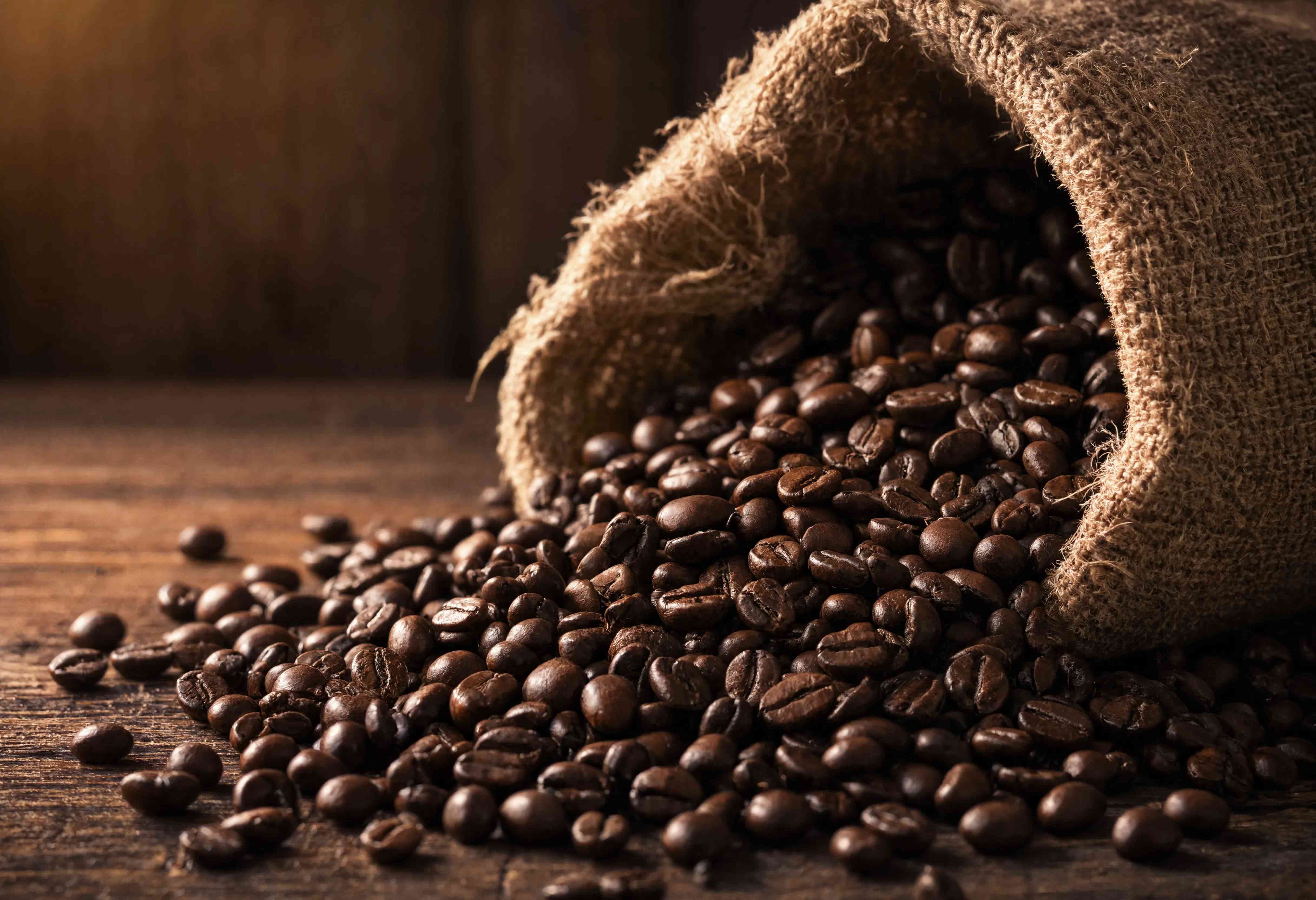
Ánh sáng là một yếu tố bảo quản chứ không chỉ là chuyện trưng bày
Bao bì thường được đánh giá qua khả năng cản oxygen và hơi ẩm, nhưng ánh sáng cũng có thể tham gia vào quá trình suy giảm của một số sản phẩm. Vì vậy, việc chọn bao bì trong suốt hay chắn sáng không nên chỉ dựa trên việc người mua có nhìn thấy sản phẩm hay không.
Với cà phê, mức độ nhạy với ánh sáng phụ thuộc vào dạng sản phẩm, thành phần và hệ thống bao bì. Không phải mọi sản phẩm cà phê đều phản ứng giống nhau, nhưng ánh sáng có thể trở thành một biến số cần xem xét khi thời gian trưng bày dài hoặc sản phẩm chứa các thành phần nhạy sáng.
Các nghiên cứu về sản phẩm cà phê cho thấy ánh sáng có thể góp phần vào những thay đổi chất lượng khi đi cùng oxygen và vật liệu bao bì phù hợp hoặc không phù hợp. Vì vậy, cản sáng là một công cụ bảo vệ trong những trường hợp cần thiết, không phải một đặc điểm bắt buộc giống nhau cho mọi gói cà phê.
Bao bì trong suốt có lợi ích nhưng cũng có đánh đổi
Một bao bì trong suốt cho phép người mua nhìn thấy màu sản phẩm, mức đầy của gói hoặc hình dạng hạt. Đây là lợi thế về trình bày và trải nghiệm tại điểm bán.
Nhưng nếu sản phẩm nhạy với ánh sáng, khả năng nhìn thấy cũng đồng nghĩa với việc ánh sáng đi tới sản phẩm dễ hơn. Nghiên cứu trên các sản phẩm liên quan đến cà phê cho thấy vật liệu có độ truyền sáng cao có thể làm tăng tác động của ánh sáng lên một số chỉ dấu chất lượng.
Điều này không có nghĩa mọi túi trong suốt đều làm cà phê hỏng nhanh. Cường độ ánh sáng, thời gian chiếu, thành phần sản phẩm và khả năng cản oxygen của bao bì đều ảnh hưởng kết quả.
Do đó, quyết định dùng bao bì trong suốt nên dựa trên điều kiện trưng bày thực tế. Một sản phẩm nằm trong kho tối sẽ có lịch sử ánh sáng rất khác một sản phẩm đặt dưới đèn bán lẻ nhiều giờ mỗi ngày.
Cản sáng cần được xem cùng oxygen và nhiệt độ
Một lớp vật liệu có khả năng cản ánh sáng tốt không tự động giải quyết những nguyên nhân khác của suy giảm. Nếu đường hàn kém, oxygen vẫn có thể đi vào. Nếu kho quá nóng, tốc độ các phản ứng vẫn có thể tăng.
Đây là lý do thiết kế bao bì thường phải cân bằng nhiều chức năng: hàng rào oxygen, hàng rào hơi ẩm, khả năng cản sáng, độ bền cơ học và khả năng hàn. Một vật liệu có ưu điểm ở một thuộc tính có thể tạo ra đánh đổi ở thuộc tính khác.
Nghiên cứu về viên nén cà phê cho thấy các hệ thống bao bì khác nhau có khả năng kiểm soát moisture và oxygen khác nhau. Nghiên cứu về cà phê xanh cũng cho thấy điều kiện ánh sáng, độ ẩm và nhiệt độ cùng liên quan đến chất lượng trong bảo quản.
Bao bì vì vậy nên được thiết kế theo môi trường mà sản phẩm thực sự trải qua, thay vì chọn một thuộc tính riêng lẻ rồi coi đó là giải pháp toàn diện.
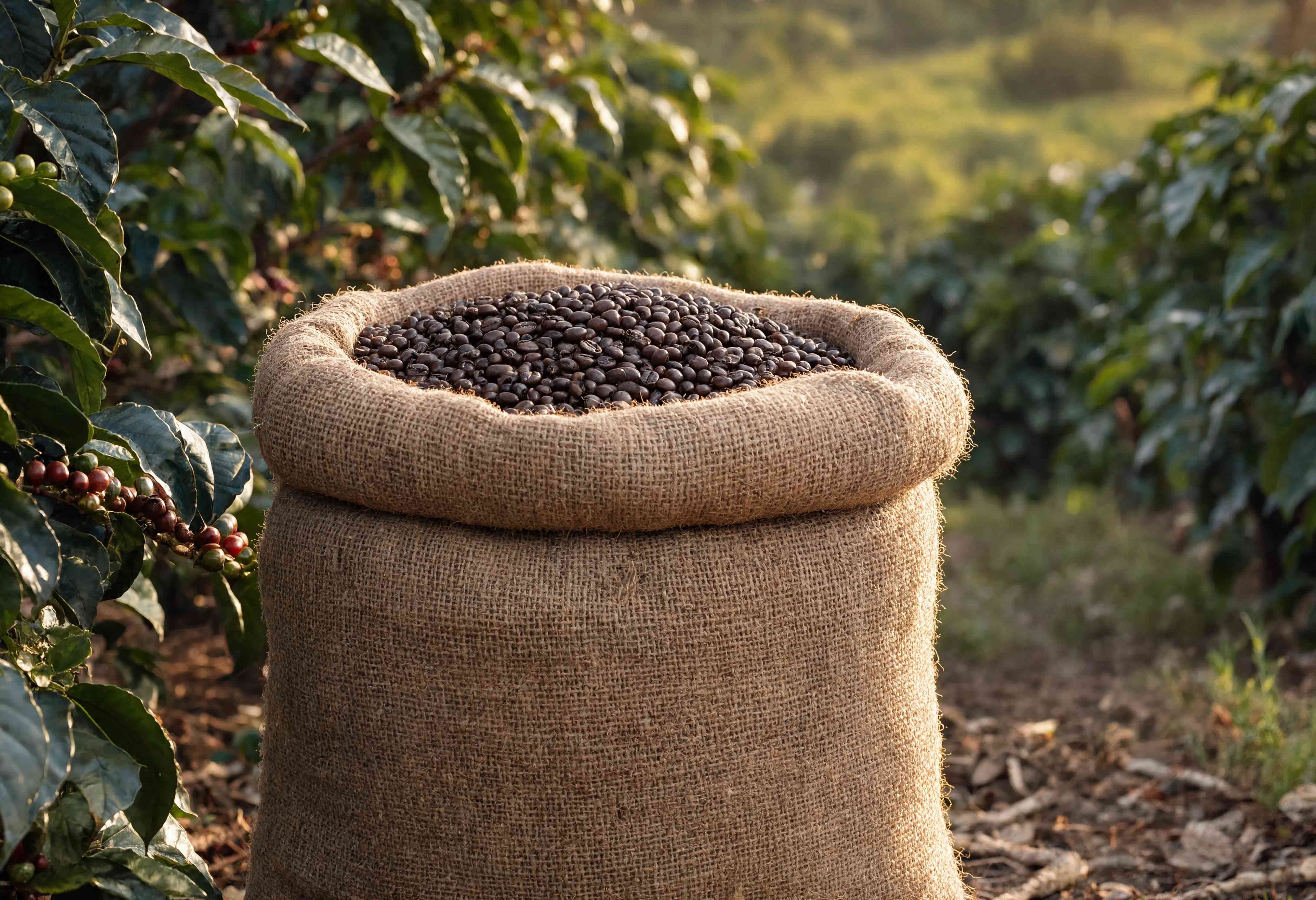
Khi nào cản sáng trở thành lựa chọn đáng cân nhắc
Cản sáng đặc biệt đáng cân nhắc khi sản phẩm có thời gian trưng bày dài, tiếp xúc trực tiếp với ánh sáng mạnh hoặc có thành phần nhạy với ánh sáng. Nếu sản phẩm được bảo vệ bởi một lớp bao bì ngoài kín sáng hoặc luôn nằm trong thùng carton, yêu cầu đối với lớp bên trong có thể khác.
Cách quyết định tốt nhất là xác định đường đi của sản phẩm: đóng gói, kho, vận chuyển, trưng bày và sử dụng. Ở mỗi giai đoạn, sản phẩm tiếp xúc với ánh sáng ở mức nào? Bao bì đang bảo vệ bằng cách nào? Thời gian ở mỗi điều kiện bao lâu?
Nếu thương hiệu muốn chứng minh thời hạn bảo quản, cần đánh giá sản phẩm trong chính cấu trúc bao bì và điều kiện dự kiến thay vì chỉ dựa vào tên vật liệu.
Cản sáng không phải một khẩu hiệu về bao bì. Đó là một quyết định kỹ thuật dựa trên lịch sử ánh sáng mà sản phẩm thực sự phải chịu.
Tài liệu tham khảo
- Influence of novel retail lighting on the quality of coffee cream in different types of packaging — https://www.sciencedirect.com/science/article/abs/pii/S0958694616302576
- Variety and shelf-life of coffee packaged in capsules — https://www.sciencedirect.com/science/article/pii/S0023643819310606
Light is a storage factor, not just a display consideration
Packaging is usually assessed by its oxygen and moisture barrier, but light can also play a role in the decline of certain products. So choosing clear versus light-blocking packaging shouldn't be based solely on whether buyers can see the product inside.
For coffee, sensitivity to light depends on the product form, composition, and the overall packaging system. Not every coffee product reacts the same way, but light can become a factor worth considering when display time is long or the product contains light-sensitive components.
Research on coffee products shows light can contribute to quality changes when combined with oxygen and either suitable or unsuitable packaging material. So blocking light is a protective tool for cases where it's needed — not a mandatory feature identical for every coffee package.
Clear packaging has benefits, but also trade-offs
Clear packaging lets buyers see the product's color, how full the bag is, or the shape of the beans. That's an advantage for presentation and the point-of-sale experience.
But if the product is light-sensitive, visibility also means light can reach the product more easily. Research on coffee-related products shows that materials with high light transmission can increase light's impact on certain quality indicators.
That doesn't mean every clear bag causes coffee to spoil quickly. Light intensity, exposure duration, the product's composition, and the packaging's oxygen barrier all affect the outcome.
So the decision to use clear packaging should be based on the actual display conditions. A product sitting in a dark warehouse has a very different light history than one placed under retail lighting for many hours a day.
Light-blocking needs to be considered alongside oxygen and temperature
A material layer with good light-blocking properties doesn't automatically solve other causes of decline. If the seal is poor, oxygen can still get in. If the warehouse is too hot, reaction rates can still increase.
This is why packaging design usually has to balance several functions at once: oxygen barrier, moisture barrier, light-blocking, mechanical strength, and sealability. A material that excels at one property can involve a trade-off in another.
Research on coffee capsules shows different packaging systems offer varying control over moisture and oxygen. Research on green coffee also shows light, humidity, and temperature conditions are all linked to quality during storage.
Packaging, then, should be designed around the environment the product actually goes through — not chosen for one isolated property and treated as a comprehensive solution.
When light-blocking becomes worth considering
Light-blocking is especially worth considering when a product has a long display period, faces direct exposure to strong light, or contains light-sensitive components. If a product is protected by an outer light-blocking layer or always kept in a carton, the requirements for the inner layer may differ.
The best approach is mapping the product's journey: packing, warehouse, transport, display, and use. At each stage, how much light exposure does the product face? How is the packaging protecting it? How long does it spend under each condition?
If a brand wants to establish a shelf life claim, it needs to test the product within its actual packaging structure and expected conditions — not rely solely on the name of the material.
Light-blocking isn't a marketing slogan for packaging. It's a technical decision based on the actual light history a product has to endure.
References
- Influence of novel retail lighting on the quality of coffee cream in different types of packaging — https://www.sciencedirect.com/science/article/abs/pii/S0958694616302576
- Variety and shelf-life of coffee packaged in capsules — https://www.sciencedirect.com/science/article/pii/S0023643819310606