
Cà phê và hơi ẩm có một mối quan hệ rất nhạy
Hơi ẩm là một trong những yếu tố quan trọng khi bảo quản cà phê. Sau rang, sản phẩm cần được giữ trong điều kiện phù hợp để tránh hấp thụ nước quá mức từ môi trường. Với cà phê xay, diện tích tiếp xúc lớn khiến việc kiểm soát môi trường và bao bì càng đáng chú ý.
Moisture barrier là khả năng của cấu trúc bao bì hạn chế sự truyền hơi nước giữa môi trường bên ngoài và sản phẩm. Một bao bì có hàng rào hơi ẩm tốt giúp làm chậm quá trình trao đổi, nhưng không có nghĩa sản phẩm hoàn toàn không nhận hoặc mất nước.
Nghiên cứu năm 2024 trên cà phê trong viên nén cho thấy khi nhiệt độ và độ ẩm tương đối tăng, lượng ẩm hấp thụ tăng rõ rệt trong những cấu trúc có hàng rào hơi ẩm kém. Điều đó cho thấy bao bì và điều kiện kho phải được xem cùng nhau.
Moisture barrier vì vậy không phải một thông số chỉ dùng trong phòng thí nghiệm. Nó ảnh hưởng trực tiếp đến cách cà phê tồn tại trong kho và đến chất lượng khi pha.
Vì sao cà phê xay thường nhạy hơn
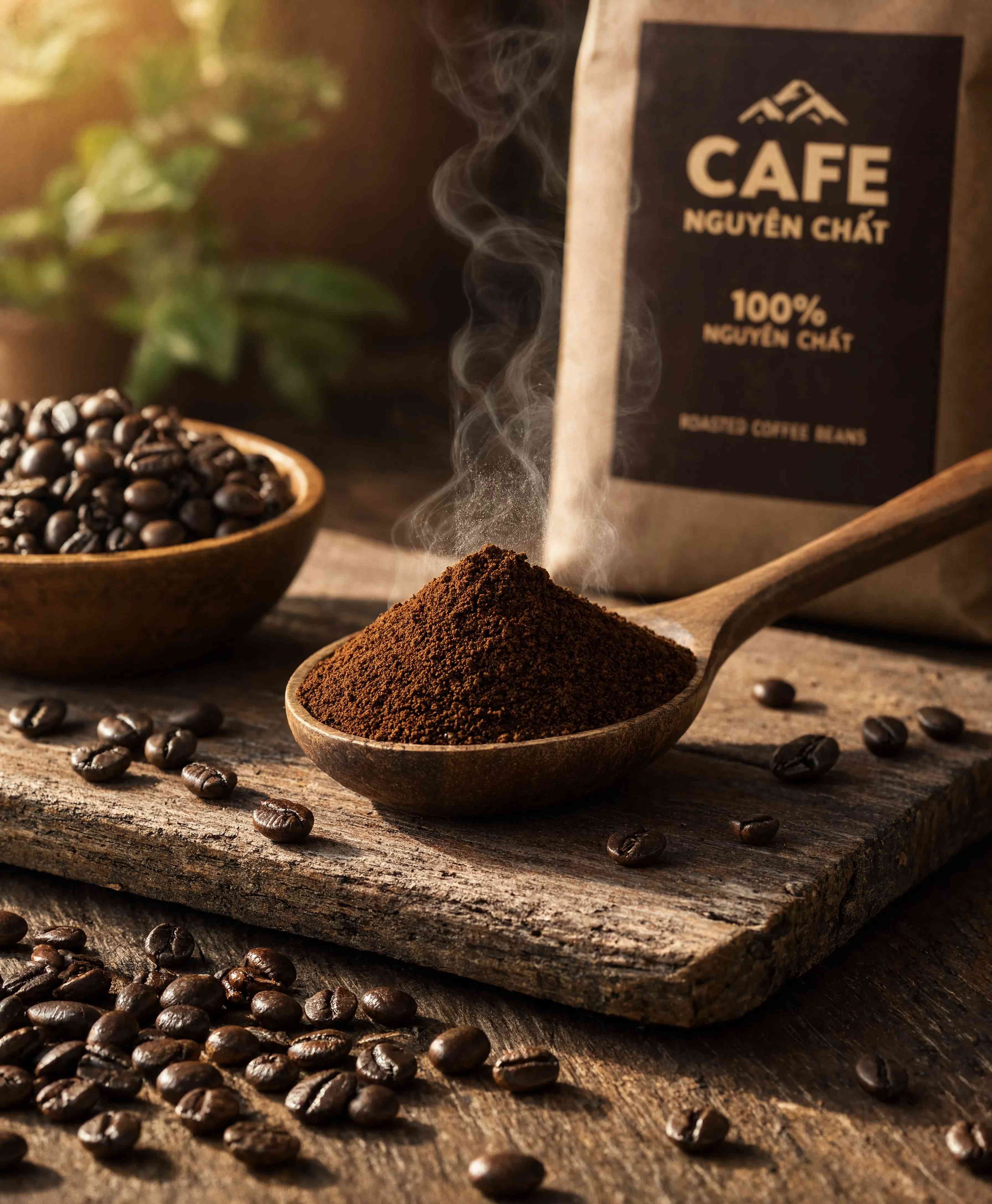
Khi hạt được xay, tổng diện tích bề mặt tăng lên rất nhiều. Điều đó tạo thêm diện tích tiếp xúc giữa cà phê và không khí, đồng thời làm cho quá trình trao đổi ẩm diễn ra dễ nhận thấy hơn.
Một lượng ẩm nhỏ cũng có thể phân bố trên nhiều bề mặt hạt nhỏ. Với sản phẩm xay mịn, sự thay đổi này có thể ảnh hưởng đến trạng thái vật lý và những quá trình liên quan đến oxy hóa, hương và khả năng pha.
Nghiên cứu năm 2026 về bảo quản cà phê xay dưới điều kiện gia tốc đã kết hợp các chỉ dấu cảm quan với phân tích hóa học để theo dõi ảnh hưởng của oxygen và moisture. Đây là ví dụ cho thấy không thể đánh giá độ ổn định chỉ bằng cảm quan tại một thời điểm.
Với cà phê xay, vì vậy cần đồng thời quan tâm đến cấu trúc bao bì, thời gian mở gói, điều kiện kho và cách người dùng đóng lại bao bì.
Moisture barrier không chỉ phụ thuộc một lớp vật liệu
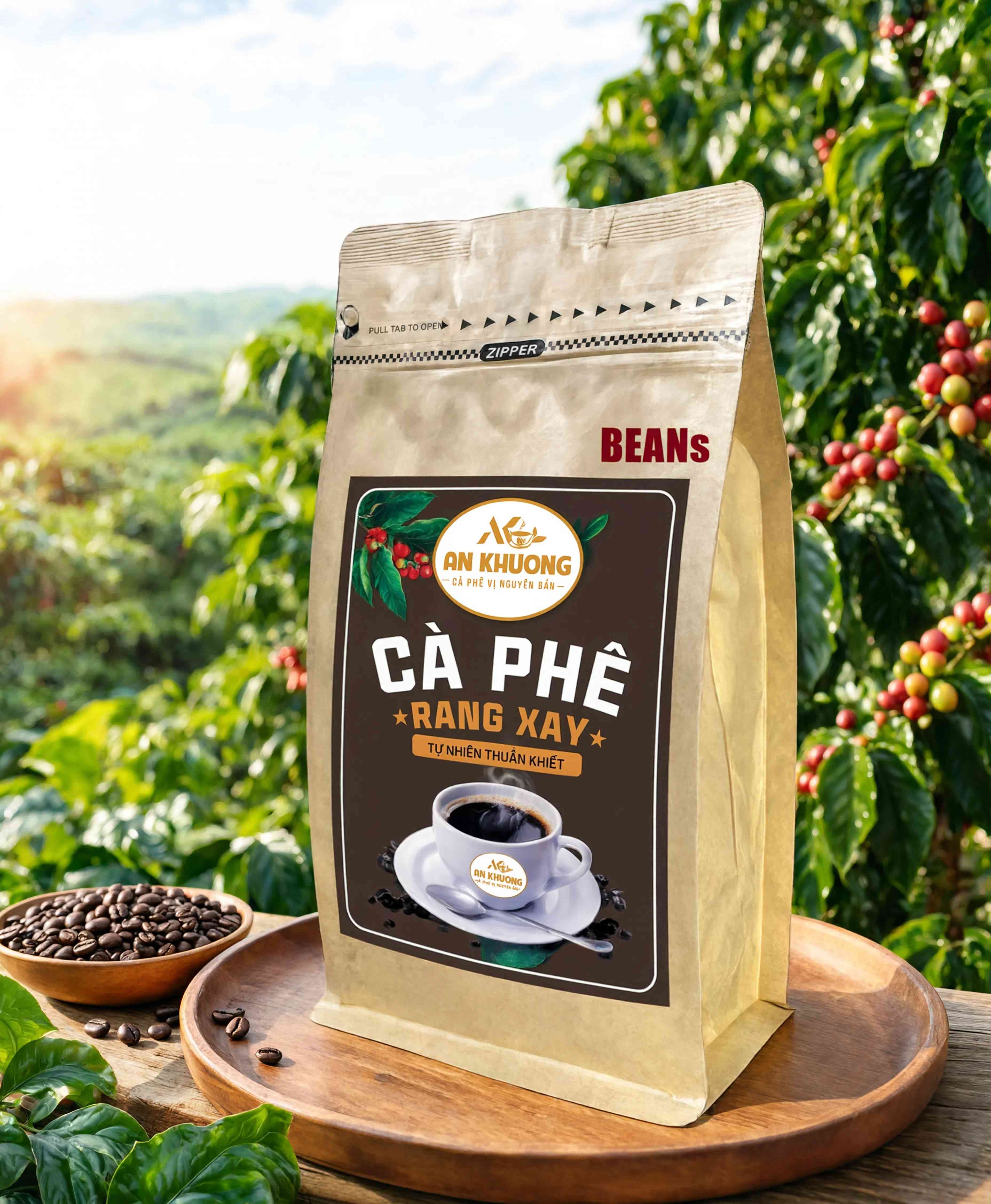
Bao bì cà phê thường là một cấu trúc gồm nhiều lớp. Một lớp có thể tạo độ bền, một lớp hỗ trợ hàn và một lớp khác đóng vai trò hàng rào. Khả năng bảo vệ thực tế là kết quả của toàn bộ cấu trúc.
Đường hàn và các vị trí nối cũng quan trọng. Nếu hơi ẩm đi vào qua một điểm yếu ngoài vùng vật liệu chính, chỉ số cản ẩm của màng không thể phản ánh đúng hiệu quả của cả gói.
Điều kiện nhiệt độ cũng làm thay đổi khả năng truyền hơi nước của nhiều vật liệu. Vì vậy, cùng một bao bì có thể cho kết quả khác nhau khi được bảo quản trong môi trường khác nhau.
Khi đánh giá một cấu trúc mới, nên xem thông số vật liệu cùng với thử nghiệm trên gói hoàn chỉnh. Đây là cách tránh việc một thông số đẹp trên bảng kỹ thuật tạo ra cảm giác an toàn giả.
Kiểm soát ẩm cần nối từ bao bì đến kho và cách sử dụng
Bao bì chỉ bảo vệ trong phạm vi nó được thiết kế để bảo vệ. Nếu kho quá ẩm, nhiệt độ cao hoặc gói thường xuyên bị mở, lượng ẩm mà sản phẩm tiếp xúc có thể tăng dù cấu trúc bao bì ban đầu phù hợp.
Nghiên cứu về bảo quản cà phê sau khi mở cho thấy cách người tiêu dùng đóng lại bao bì ảnh hưởng đến tốc độ mất độ tươi. Điều này cho thấy “thời hạn bảo quản” trước khi mở và trạng thái sau khi mở là hai giai đoạn khác nhau.
Với cơ sở sản xuất, cần xác định điều kiện bảo quản mục tiêu, kiểm soát độ kín và theo dõi môi trường kho. Với người dùng, hướng dẫn đóng kín và tránh nơi nóng ẩm có thể quan trọng không kém việc chọn đúng loại túi.
Moisture barrier tốt không phải là lời hứa rằng cà phê sẽ không bao giờ hút ẩm. Nó là một phần của hệ thống giúp kiểm soát tốc độ trao đổi ẩm, để chất lượng sản phẩm được duy trì trong khoảng thời gian đã định.
Tài liệu tham khảo
- Moisture uptake during storage of coffee packed into compostable capsules decreases the quality of coffee brew (2024) — https://www.sciencedirect.com/science/article/pii/S2214289424001686
- Accelerated storage of ground coffee: Merging of analytical techniques to assess sensitivity to oxygen and moisture exposure (2026) — https://www.sciencedirect.com/science/article/pii/S0963996925023658
- Effects of different coffee storage methods on coffee freshness after opening of packages (2022) — https://www.sciencedirect.com/science/article/pii/S2214289422000850
Coffee and moisture have a very sensitive relationship
Moisture is one of the key factors in storing coffee. After roasting, the product needs to be kept under suitable conditions to avoid absorbing too much water from the environment. For ground coffee, the large contact area makes controlling the environment and packaging even more important.
Moisture barrier is a packaging structure's ability to limit the transfer of water vapor between the outside environment and the product. Packaging with good moisture barrier slows that exchange, but that doesn't mean the product neither gains nor loses water at all.
A 2024 study on coffee in capsules found that as temperature and relative humidity rose, moisture uptake increased notably in structures with poor moisture barrier. That shows packaging and warehouse conditions need to be considered together.
Moisture barrier, then, isn't just a lab specification. It directly affects how coffee holds up in storage and its quality when brewed.
Why ground coffee tends to be more sensitive
Once beans are ground, total surface area increases enormously. That creates far more contact area between the coffee and the air, making moisture exchange much more noticeable.
Even a small amount of moisture can spread across many small particle surfaces. For finely ground products, that change can affect physical state and processes tied to oxidation, aroma, and brewing quality.
A 2026 study on ground-coffee storage under accelerated conditions combined sensory indicators with chemical analysis to track the effects of oxygen and moisture. This is an example showing stability can't be assessed through a single sensory check at one point in time.
For ground coffee, then, attention is needed on the packaging structure, how long the bag stays open, warehouse conditions, and how the consumer reseals the package all at once.
Moisture barrier doesn't depend on a single material layer
Coffee packaging usually consists of several layers. One might provide strength, another supports sealing, and another acts as the barrier. The actual protective ability is the result of the whole structure.
The seal and connection points matter too. If moisture enters through a weak spot outside the main material area, the film's moisture-barrier rating can't accurately reflect the whole package's real performance.
Temperature conditions also change how much water vapor many materials transmit. So the same packaging can produce different results when stored in different environments.
When evaluating a new structure, it's worth looking at material specifications alongside testing on the complete package. That's the way to avoid a nice-looking spec sheet creating a false sense of security.
Moisture control needs to connect packaging, warehouse, and use
Packaging only protects within the scope it was designed for. If the warehouse is too humid, too hot, or the bag is opened frequently, the amount of moisture the product is exposed to can rise even if the original packaging structure was suitable.
Research on coffee storage after opening shows how the consumer reseals the bag affects how quickly freshness is lost. This shows that “shelf life” before opening and the product's state after opening are two different phases.
For a production facility, it's worth defining target storage conditions, controlling seal integrity, and monitoring the warehouse environment. For the end user, instructions to reseal tightly and avoid hot, humid places can matter just as much as choosing the right bag.
Good moisture barrier isn't a promise that coffee will never absorb moisture. It's part of a system that controls the rate of moisture exchange, so the product's quality holds up over its intended period.
References
- Moisture uptake during storage of coffee packed into compostable capsules decreases the quality of coffee brew (2024) — https://www.sciencedirect.com/science/article/pii/S2214289424001686
- Accelerated storage of ground coffee: Merging of analytical techniques to assess sensitivity to oxygen and moisture exposure (2026) — https://www.sciencedirect.com/science/article/pii/S0963996925023658
- Effects of different coffee storage methods on coffee freshness after opening of packages (2022) — https://www.sciencedirect.com/science/article/pii/S2214289422000850