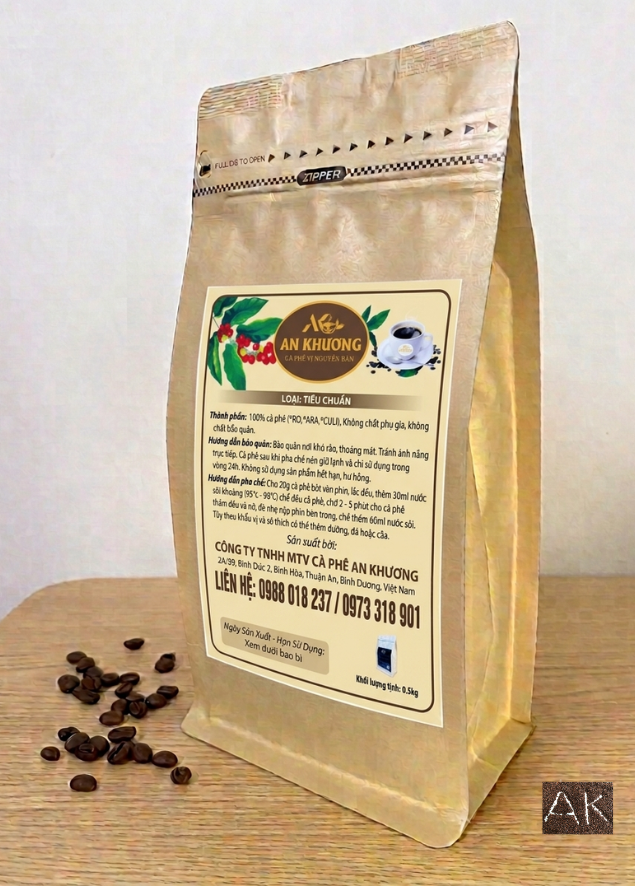
Ngay khi xay, một phần hương có thể thoát ra
Xay cà phê không chỉ làm thay đổi kích thước hạt. Nó phá vỡ cấu trúc vật lý của hạt và tạo ra một diện tích bề mặt lớn hơn, đồng thời giải phóng những hợp chất dễ bay hơi vốn được giữ trong cấu trúc hạt.
Nghiên cứu của Baggenstoss và cộng sự cho thấy lượng hợp chất hương giải phóng trong quá trình xay có liên quan đến áp suất carbon dioxide bên trong cà phê rang. Điều này giải thích tại sao cà phê mới rang có thể tạo ra sự giải phóng hương rất mạnh ngay khi được xay.
Một phần mùi mà người dùng cảm nhận ngay sau khi xay vì thế không phải là dấu hiệu cho thấy cà phê “tạo thêm hương”, mà là những hợp chất vốn đã tồn tại được giải phóng khỏi cấu trúc hạt.
Đây là một trong những lý do hạt nguyên thường giữ hương tốt hơn bột trong quá trình bảo quản: diện tích tiếp xúc với môi trường nhỏ hơn và cấu trúc hạt vẫn còn nguyên vẹn.
Oxygen có thể thúc đẩy các phản ứng làm hương thay đổi
Sau khi xay, diện tích tiếp xúc với không khí tăng mạnh. Oxygen có thể tiếp cận nhiều bề mặt cà phê hơn, từ đó tham gia vào các phản ứng oxy hóa liên quan đến chất béo và những thành phần dễ bị oxy hóa.
Quá trình này không phải lúc nào cũng tạo ra một thay đổi rõ ngay lập tức. Trong thời gian đầu, người dùng có thể chỉ nhận thấy hương giảm dần. Về sau, một số sản phẩm có thể xuất hiện những đặc tính cảm quan kém dễ chịu hơn.
Các nghiên cứu về bảo quản cà phê cho thấy oxygen và độ ẩm là hai yếu tố quan trọng trong sự suy giảm chất lượng. Một nghiên cứu năm 2026 trên cà phê xay sử dụng điều kiện gia tốc để theo dõi đồng thời ảnh hưởng của oxygen và độ ẩm đến các chỉ dấu hóa học và cảm quan.
Vì vậy, bảo vệ cà phê xay khỏi không khí không chỉ là chuyện giữ mùi thơm trong túi. Đó còn là cách làm chậm những biến đổi hóa học xảy ra trong thời gian bảo quản.
Độ ẩm và nhiệt độ có thể làm tốc độ suy giảm thay đổi
Oxygen không hoạt động một mình. Độ ẩm có thể ảnh hưởng đến tốc độ của một số quá trình oxy hóa và đến trạng thái vật lý của sản phẩm. Nhiệt độ lại có thể làm nhiều phản ứng diễn ra nhanh hơn.
Nghiên cứu về dự đoán thời hạn bảo quản sản phẩm cà phê nhạy oxygen cho thấy việc chỉ xét lượng oxygen đi vào mà không xét sự thay đổi độ ẩm có thể làm giảm độ chính xác của mô hình. Khi độ ẩm tăng, tốc độ tiêu thụ oxygen và oxy hóa cũng có thể thay đổi.
Điều này giúp giải thích tại sao hai gói cà phê xay cùng tuổi có thể cho trải nghiệm khác nhau nếu được bảo quản ở hai môi trường khác nhau. Một gói được giữ kín, khô và mát sẽ có lịch sử tiếp xúc rất khác một gói thường xuyên mở và để trong môi trường nóng ẩm.
Bảo quản tốt vì vậy phải kiểm soát cả đường vào của không khí, độ ẩm và nhiệt độ thay vì chỉ tập trung vào một yếu tố.
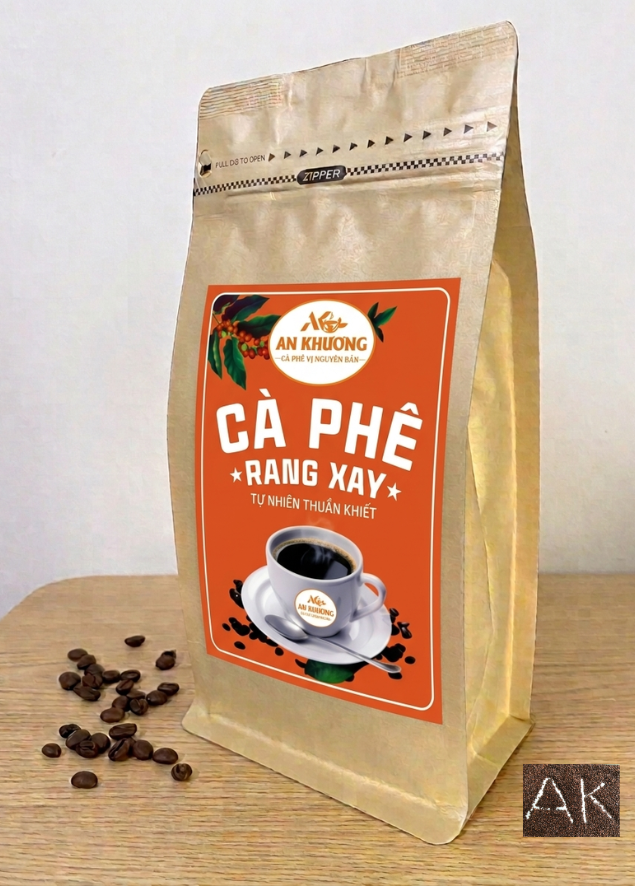
Bao bì và cách sử dụng quyết định tốc độ mất hương
Một bao bì có hàng rào tốt có thể làm chậm sự trao đổi oxygen và hơi ẩm. Nhưng khi túi được mở, người dùng lấy bột ra rồi đóng lại, điều kiện bên trong thay đổi nhiều lần. Đây là lý do cà phê có thể giữ chất lượng khác nhau trước và sau khi mở.
Bao bì chân không, bao bì có van một chiều và bao bì nạp khí trơ đều dùng những chiến lược khác nhau để kiểm soát môi trường bên trong. Không có giải pháp nào tự động phù hợp cho mọi sản phẩm; hiệu quả phụ thuộc vào mức rang, trạng thái hạt hoặc bột, thời điểm đóng gói và điều kiện bảo quản.
Với người dùng, cách đơn giản nhất để giảm tốc độ mất hương là hạn chế thời gian bột tiếp xúc với không khí và đóng kín ngay sau khi lấy lượng cần dùng. Với nhà sản xuất, việc đánh giá phải đi xa hơn: cần xem cấu trúc bao bì và điều kiện bảo quản thực tế.
Mất hương sau khi xay vì vậy không phải một hiện tượng đơn lẻ. Nó là kết quả của sự giải phóng hợp chất dễ bay hơi, trao đổi với môi trường và những biến đổi hóa học tiếp tục diễn ra sau khi cấu trúc hạt đã bị phá vỡ.
Tài liệu tham khảo
- Baggenstoss et al. (2010), Aroma Recovery from Roasted Coffee by Wet Grinding — https://doi.org/10.1111/j.1750-3841.2010.01822.x
- Accelerated storage of ground coffee: Merging of analytical techniques to assess sensitivity to oxygen and moisture exposure (2026) — https://www.sciencedirect.com/science/article/pii/S0963996925023658
- Shelf life prediction of oxygen-sensitive products: The influence of moisture on prediction accuracy for freeze-dried coffee (2019) — https://onlinelibrary.wiley.com/doi/full/10.1002/pts.2444
The moment coffee is ground, some aroma can escape
Grinding coffee doesn't just change particle size. It breaks down the bean's physical structure, creates far more surface area, and releases the volatile compounds that had been held within that structure.
Research by Baggenstoss and colleagues shows the amount of aroma compounds released during grinding is linked to the carbon dioxide pressure inside roasted coffee. That explains why freshly roasted coffee can produce such a strong release of aroma right at the moment it's ground.
Part of the smell a person notices right after grinding, then, isn't a sign that coffee is “creating extra aroma” — it's aroma compounds that already existed being released from the bean's structure.
This is one reason whole beans tend to hold onto aroma better than grounds during storage: a smaller contact area with the environment and a structure that's still intact.
Oxygen can drive reactions that change aroma
After grinding, contact area with air increases dramatically. Oxygen can reach far more of the coffee's surface, taking part in oxidation reactions involving fat and other oxidation-prone components.
This process doesn't always produce an immediately obvious change. Early on, a person might just notice a gradual decline in aroma. Later, some products can develop less pleasant sensory characteristics.
Research on coffee storage shows oxygen and moisture are two key factors in quality decline. A 2026 study on ground coffee used accelerated conditions to track how oxygen and moisture jointly affect chemical and sensory indicators.
So protecting ground coffee from air isn't just about keeping aroma inside the bag. It's also about slowing the chemical changes that occur during storage.
Humidity and temperature can shift the rate of decline
Oxygen doesn't act alone. Humidity can affect the rate of certain oxidation processes and the product's physical state. Temperature can speed up many reactions.
Research on shelf-life prediction for oxygen-sensitive coffee products shows that considering oxygen ingress alone, without accounting for changes in moisture, can reduce a model's accuracy. As humidity rises, the rate of oxygen consumption and oxidation can change too.
This helps explain why two bags of ground coffee of the same age can give very different experiences if stored in two different environments. A bag kept sealed, dry, and cool has a very different exposure history than one that's frequently opened and left in a hot, humid environment.
Good storage, then, needs to control the pathway air can enter, humidity, and temperature together — not focus on just one factor.
Packaging and usage habits determine the rate of aroma loss
Packaging with a good barrier can slow oxygen and moisture exchange. But once a bag is opened, the user scoops out grounds and reseals it, and conditions inside change repeatedly. That's why coffee can hold quality differently before and after opening.
Vacuum packaging, one-way valve packaging, and inert-gas-flushed packaging all use different strategies to control the internal environment. No solution automatically suits every product — effectiveness depends on roast level, whole-bean or ground state, packing timing, and storage conditions.
For users, the simplest way to slow aroma loss is limiting how long grounds are exposed to air and resealing immediately after taking out what's needed. For producers, assessment needs to go further — looking at the actual packaging structure and real storage conditions.
Aroma loss after grinding, then, isn't a single isolated phenomenon. It's the result of volatile compounds being released, exchange with the environment, and chemical changes that continue after the bean's structure has been broken down.
References
- Baggenstoss et al. (2010), Aroma Recovery from Roasted Coffee by Wet Grinding — https://doi.org/10.1111/j.1750-3841.2010.01822.x
- Accelerated storage of ground coffee: Merging of analytical techniques to assess sensitivity to oxygen and moisture exposure (2026) — https://www.sciencedirect.com/science/article/pii/S0963996925023658
- Shelf life prediction of oxygen-sensitive products: The influence of moisture on prediction accuracy for freeze-dried coffee (2019) — https://onlinelibrary.wiley.com/doi/full/10.1002/pts.2444