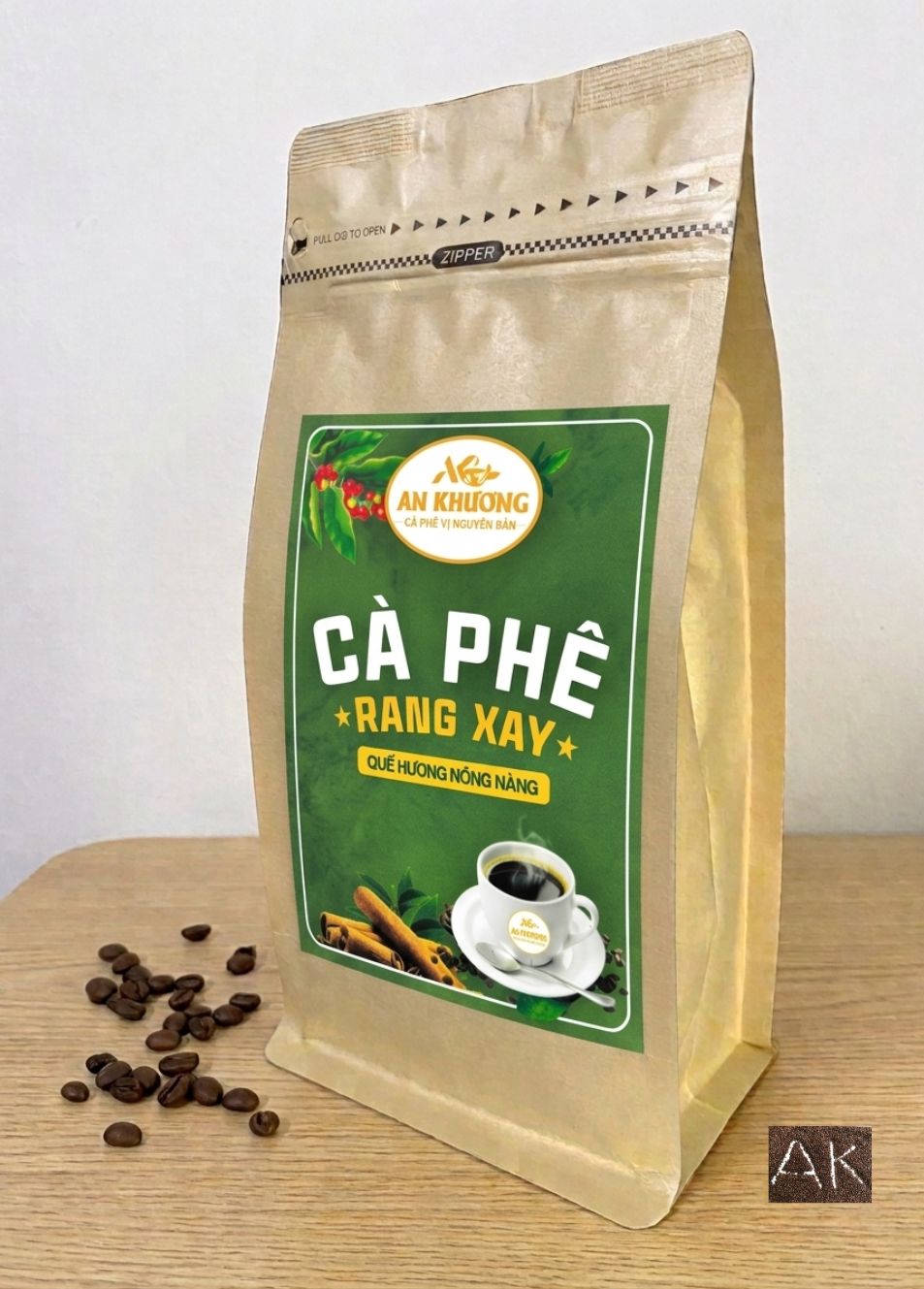
Nitơ được dùng để thay đổi môi trường khí trong bao
Nitơ là một khí trơ tương đối trong điều kiện đóng gói thực phẩm và thường được dùng để thay thế một phần không khí trong khoảng không của bao. Mục tiêu chính là giảm lượng oxy tiếp xúc với cà phê ngay từ thời điểm đóng gói.
Cà phê rang xay dễ bị ảnh hưởng bởi oxygen và độ ẩm trong quá trình bảo quản. Khi oxy được giảm xuống, một trong những tác nhân thúc đẩy quá trình oxy hóa cũng được giảm theo.
Nạp nitơ không làm cà phê ngừng biến đổi. Hạt vẫn tiếp tục giải phóng carbon dioxide sau rang, các hợp chất dễ bay hơi vẫn có thể thay đổi và vật liệu bao bì vẫn có thể cho một lượng khí nhất định đi qua theo thời gian.
Vì vậy, nitơ nên được hiểu là một công cụ để tạo môi trường đóng gói phù hợp hơn, chứ không phải chất bảo quản có thể thay thế mọi yêu cầu về bao bì và kho.
Nạp nitơ khác với chỉ thổi đầy túi bằng khí
Hiệu quả của nạp khí phụ thuộc vào cách khí được đưa vào, thể tích khoảng không, tốc độ cấp khí, hình dạng bao và mức độ kín sau khi hàn. Nếu không khí còn lại quá nhiều, việc có sử dụng nitơ vẫn không có nghĩa là oxy đã được loại bỏ hoàn toàn.
Nghiên cứu năm 2003 trên cà phê rang xay đã so sánh hệ thống có và không có nạp nitơ. Trong điều kiện thử nghiệm, bao nạp nitơ có khoảng 2–3% oxy dư trong khoảng không và cho thời gian bảo quản cảm quan dài hơn hệ thống không nạp nitơ.
Điều này cho thấy mục tiêu của công nghệ không phải “cho nitơ vào” theo nghĩa đơn giản. Mục tiêu là đạt một môi trường khí có lượng oxy đủ thấp và duy trì được điều kiện đó trong suốt thời gian bảo quản.
Nếu đường hàn không kín hoặc vật liệu có khả năng truyền oxy cao, lợi ích ban đầu có thể giảm theo thời gian.
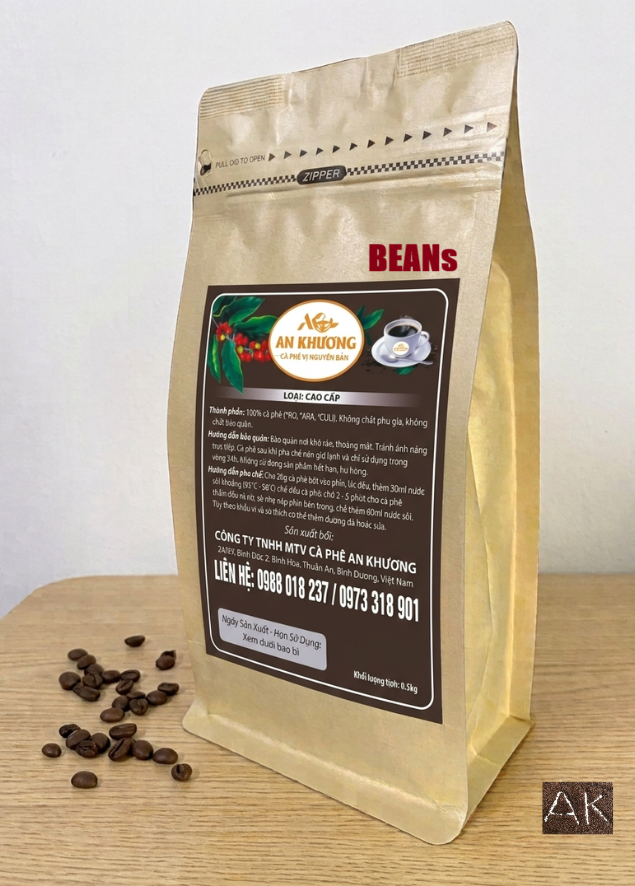
Nitơ không thay thế cho bao bì cản khí
Sau khi nạp khí, bao bì vẫn phải giữ được môi trường bên trong. Một cấu trúc có khả năng truyền oxy cao có thể cho phép oxy từ bên ngoài đi vào dần dần. Vì vậy, công nghệ nạp nitơ và vật liệu bao bì là hai lớp kiểm soát bổ sung cho nhau.
Các nghiên cứu về bao bì cà phê cho thấy việc kiểm soát oxy, độ ẩm và các hợp chất dễ bay hơi cần được đánh giá đồng thời. Một cấu trúc bao bì tốt phải vừa hạn chế sự trao đổi với môi trường vừa duy trì trạng thái khí phù hợp bên trong.
Cũng cần tính đến carbon dioxide. Cà phê rang tiếp tục giải phóng khí sau khi đóng gói. Với túi có van một chiều, carbon dioxide có thể được quản lý theo cơ chế riêng. Với hệ thống khác, nhà sản xuất có thể cần kiểm soát thời điểm đóng gói hoặc mức độ khử khí trước đó.
Nitơ vì vậy là một phần của thiết kế bao bì, không phải một giải pháp đứng riêng.
Khi nào nạp nitơ có ý nghĩa
Nạp nitơ có ý nghĩa nhất khi nhà sản xuất muốn giảm oxy ban đầu trong bao bì và có một cấu trúc bao bì đủ tốt để duy trì điều kiện đó. Hiệu quả sẽ được thể hiện rõ hơn khi thời gian bảo quản đủ dài để sự khác biệt về môi trường khí tác động đến chất lượng.
Nghiên cứu của Alves và cộng sự là một ví dụ cụ thể: trong điều kiện thử nghiệm 25°C và độ ẩm tương đối 65%, hệ thống nạp nitơ cho cà phê rang xay có thời gian bảo quản được đánh giá ít nhất sáu tháng, so với ba tháng ở hệ thống không nạp nitơ. Nhưng kết quả này thuộc về một sản phẩm, cấu trúc bao bì và điều kiện thử nghiệm cụ thể.
Vì vậy, không nên quảng bá “nạp nitơ” như một lời bảo đảm rằng mọi cà phê sẽ giữ nguyên chất lượng trong một khoảng thời gian cố định.
Giá trị thực sự của nitơ nằm ở việc nó giúp nhà sản xuất kiểm soát một biến quan trọng trong hệ thống bảo quản: lượng oxy tiếp xúc với cà phê.
Tài liệu tham khảo
- Alves et al. (2003), Roasted and ground coffee in nitrogen gas flushing packages — https://www.scielo.br/j/cta/a/CTZcCZjzvNfSLxFYSxWx84n/
- Specialty Coffee Association — What is the Shelf Life of Roasted Coffee? A Literature Review on Coffee Staling — https://sca.coffee/sca-news/2012/02/15/what-is-the-shelf-life-of-roasted-coffee-a-literature-review-on-coffee-staling-bjcx7
- Effect of packaging materials and storage time on coffee quality / volatile compounds — https://www.sciencedirect.com/science/article/pii/S2214289421000739
Nitrogen is used to change the gas environment inside the bag
Nitrogen is a relatively inert gas under food-packing conditions and is often used to replace part of the air in a package's headspace. The main goal is reducing the amount of oxygen coffee is exposed to right from the moment of packing.
Ground roasted coffee is susceptible to oxygen and moisture during storage. When oxygen is reduced, one of the drivers of oxidation is reduced along with it.
Nitrogen flushing doesn't stop coffee from changing altogether. Beans still release carbon dioxide after roasting, volatile compounds can still shift, and the packaging material can still let a certain amount of gas through over time.
So nitrogen should be understood as a tool for creating a more suitable packing environment — not a preservative that can substitute for every packaging and warehouse requirement.
Nitrogen flushing is different from simply filling a bag with gas
The effectiveness of gas flushing depends on how the gas is introduced, headspace volume, flow rate, bag shape, and how well it's sealed after that. If too much residual air remains, using nitrogen still doesn't mean oxygen has been fully eliminated.
A 2003 study on ground roasted coffee compared systems with and without nitrogen flushing. Under test conditions, the nitrogen-flushed bag had roughly 2–3% residual oxygen in the headspace and produced a longer sensory shelf life than the non-flushed system.
This shows the goal of the technology isn't simply “adding nitrogen” in a literal sense. The goal is achieving a gas environment with sufficiently low oxygen and maintaining that condition throughout the storage period.
If the seal isn't airtight or the material has a high oxygen transmission rate, the initial benefit can diminish over time.
Nitrogen doesn't replace a gas-barrier package
After gas flushing, the packaging still needs to maintain the internal environment. A structure with a high oxygen transmission rate can gradually let outside oxygen in. So nitrogen-flushing technology and packaging material are two complementary layers of control.
Research on coffee packaging shows controlling oxygen, moisture, and volatile compounds needs to be assessed together. A good packaging structure needs to both limit environmental exchange and maintain a suitable internal gas state.
Carbon dioxide also needs to be accounted for. Roasted coffee keeps releasing gas after packing. With a one-way valve bag, carbon dioxide can be managed through its own mechanism. With other systems, the producer may need to control the packing timing or the degree of pre-packing degassing.
Nitrogen, then, is part of the packaging design — not a standalone solution.
When does nitrogen flushing make sense
Nitrogen flushing makes the most sense when a producer wants to reduce initial oxygen in the packaging and has a packaging structure good enough to maintain that condition. The benefit becomes clearer when the storage period is long enough for the difference in gas environment to actually affect quality.
The study by Alves and colleagues is a specific example: under test conditions of 25°C and 65% relative humidity, the nitrogen-flushed system for ground roasted coffee was assessed to have a shelf life of at least six months, compared with three months for the non-flushed system. But this result belongs to one specific product, packaging structure, and test condition.
So “nitrogen-flushed” shouldn't be marketed as a guarantee that every coffee will retain the same quality for a fixed period.
The real value of nitrogen lies in helping a producer control an important variable in the storage system: the amount of oxygen coffee is exposed to.
References
- Alves et al. (2003), Roasted and ground coffee in nitrogen gas flushing packages — https://www.scielo.br/j/cta/a/CTZcCZjzvNfSLxFYSxWx84n/
- Specialty Coffee Association — What is the Shelf Life of Roasted Coffee? A Literature Review on Coffee Staling — https://sca.coffee/sca-news/2012/02/15/what-is-the-shelf-life-of-roasted-coffee-a-literature-review-on-coffee-staling-bjcx7
- Effect of packaging materials and storage time on coffee quality / volatile compounds — https://www.sciencedirect.com/science/article/pii/S2214289421000739