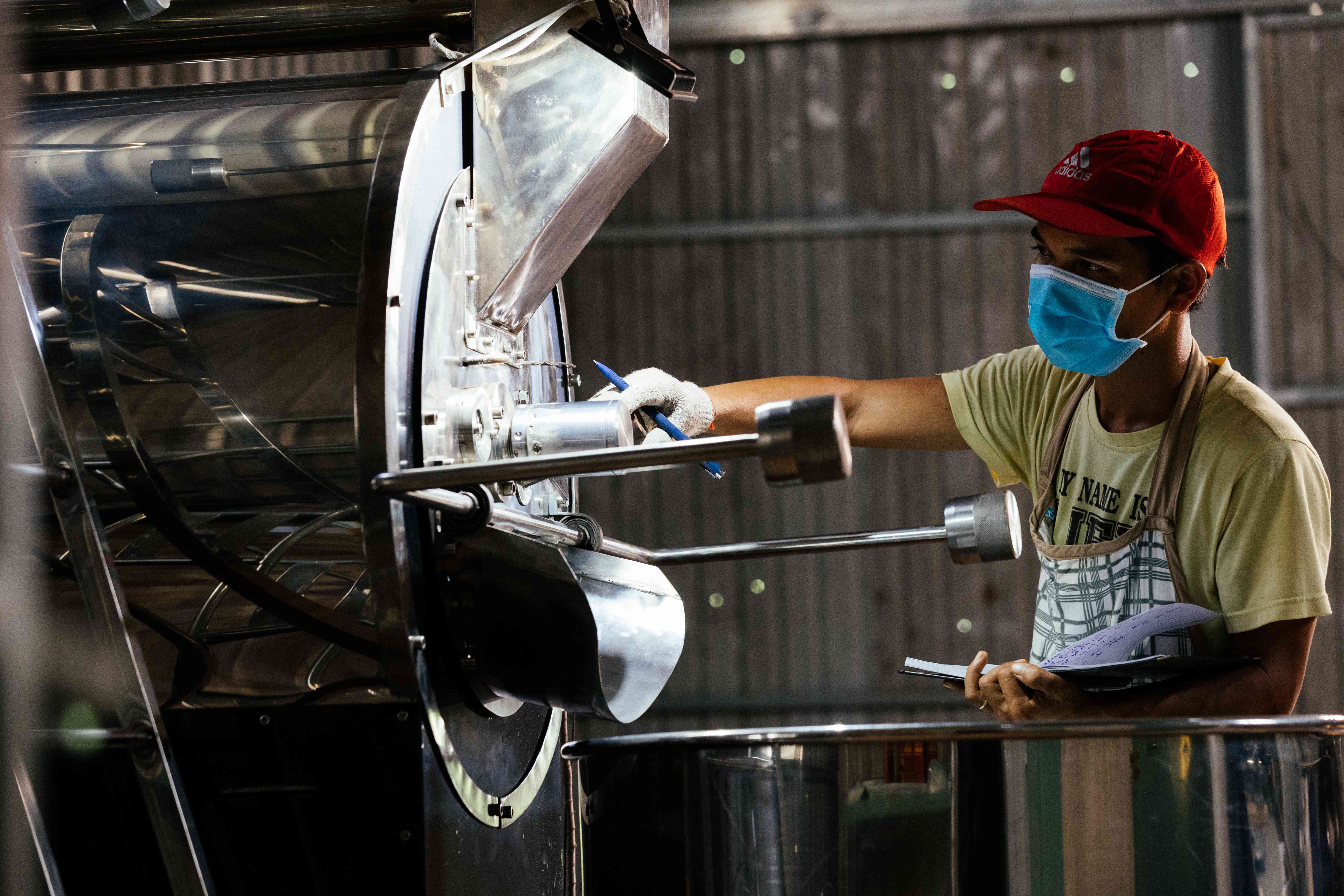
Không có một con số ngày áp dụng cho mọi máy rang
Một máy rang một mẻ mỗi ngày và một máy chạy liên tục nhiều giờ không tạo ra cùng một lượng bụi, vỏ lụa và tồn dư. Vì vậy, câu hỏi “bao nhiêu ngày vệ sinh một lần?” chỉ có thể trả lời chính xác khi biết mức sử dụng và cấu tạo thiết bị.
FDA xem vệ sinh và bảo trì thiết bị là những chương trình nền cần được xây dựng, thực hiện và ghi chép. Lịch vệ sinh vì vậy nên được thiết kế cho chính thiết bị và quy trình đang sử dụng thay vì sao chép một khoảng thời gian chung.
Sản xuất liên tục làm thay đổi tốc độ tích tụ
Khi sản lượng tăng, lượng vỏ lụa, bụi và chất bám sinh ra trong hệ thống cũng có xu hướng tăng. Nhưng tốc độ tích tụ không chỉ phụ thuộc số kilôgam cà phê.
Mức rang, loại hạt, thiết kế bộ phận thu gom, hiệu quả hút và đường đi của khí đều có thể làm lượng tồn dư khác nhau. Hai máy cùng chạy 100 kg mỗi ngày vì thế chưa chắc cần cùng lịch vệ sinh.
Nên ghi nhận khối lượng rang, số mẻ, loại cà phê, thời gian chạy và những vị trí thường phát hiện tích tụ. Sau vài chu kỳ, dữ liệu thực tế sẽ giúp điều chỉnh lịch tốt hơn.
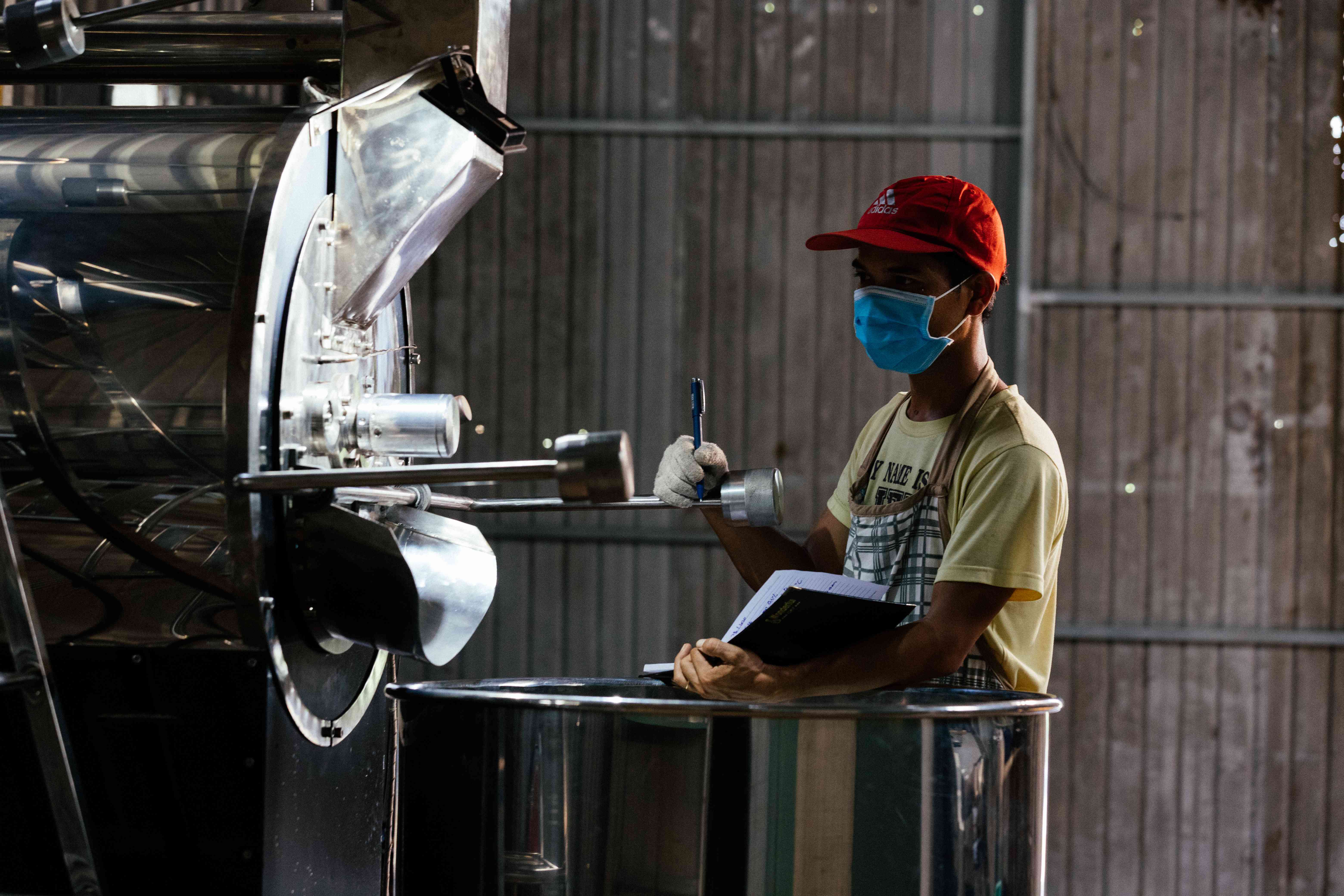
Dấu hiệu cho thấy không nên chờ đến lịch định kỳ
Nếu lượng bụi hoặc vỏ lụa tăng rõ, đường hút bị ảnh hưởng, tồn dư dầu nhiều hơn bình thường hoặc khu vực bên trong thiết bị có mùi và cặn bất thường, việc kiểm tra nên được thực hiện sớm hơn.
Tuy nhiên, dấu hiệu bất thường không tự động chứng minh nguyên nhân. Thay đổi mùi của một mẻ cà phê có thể liên quan đến nguyên liệu, hồ sơ rang, môi trường hoặc thiết bị. Cần xem các dữ liệu liên quan trước khi kết luận.
Vệ sinh nên là hành động có căn cứ, nhưng khi có dấu hiệu rõ thì không hợp lý nếu chỉ chờ đến “đúng ngày”.
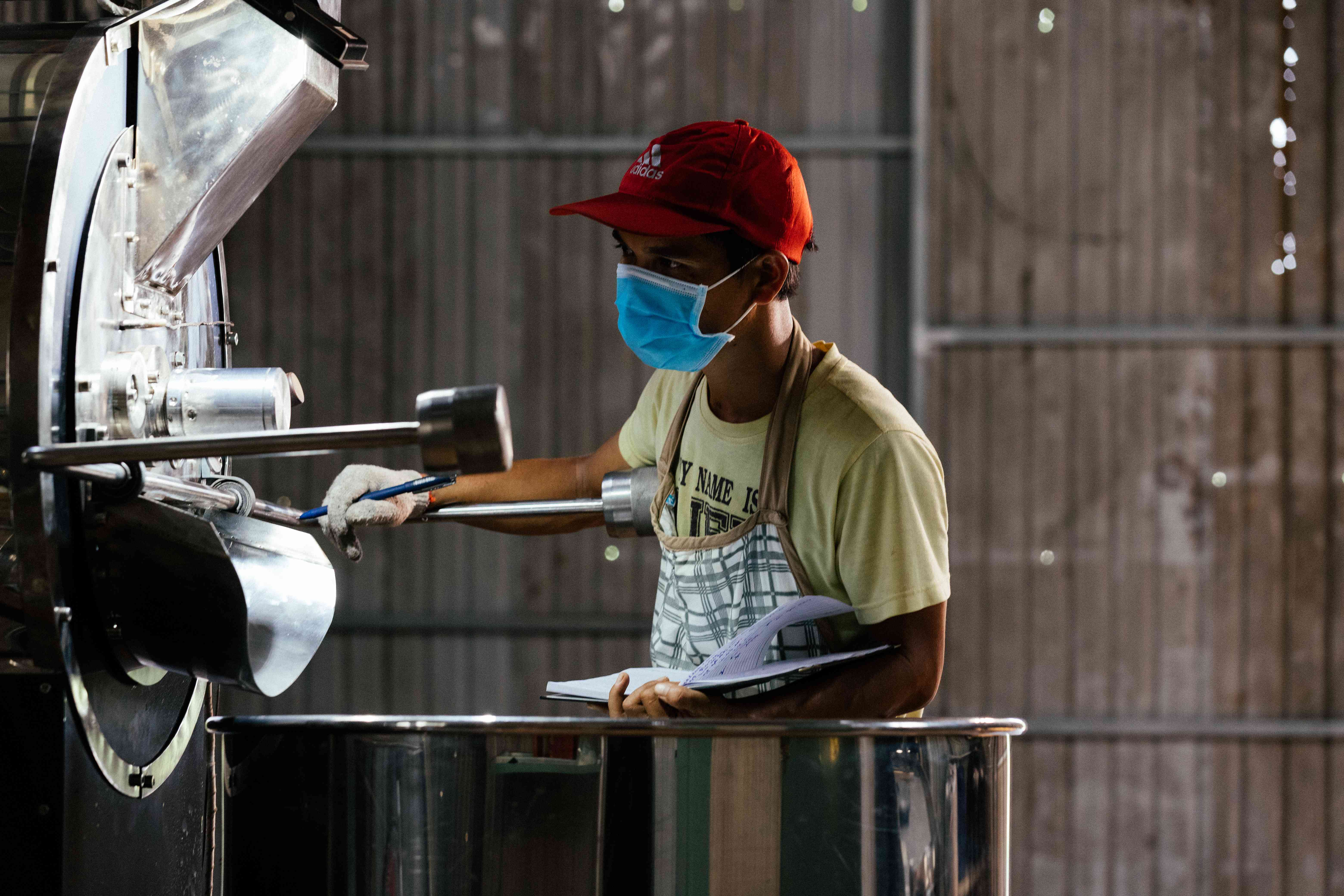
Xây lịch vệ sinh theo nhiều tầng
Với sản xuất liên tục, có thể tổ chức vệ sinh theo ba tầng. Tầng đầu là làm sạch thường xuyên những khu vực có lượng tồn dư lớn và dễ kiểm tra. Tầng thứ hai là kiểm tra định kỳ các vị trí khó tiếp cận, đường dẫn và bộ phận thu gom. Tầng thứ ba là vệ sinh sâu theo lịch bảo trì hoặc khi dữ liệu cho thấy mức tích tụ đã vượt giới hạn nội bộ.
Cách làm này phù hợp với nguyên tắc của chương trình vệ sinh có kế hoạch: quy trình phải được viết, thực hiện, giám sát và cập nhật khi điều kiện thay đổi. FDA cũng nhấn mạnh việc lập lịch vệ sinh và duy trì hồ sơ.
Vì vậy, câu trả lời tốt nhất cho “bao lâu?” không phải một con số. Đó là một lịch có thể giải thích bằng mức sử dụng, vị trí tích tụ, dấu hiệu vận hành và lịch bảo trì của chính máy rang.
Tài liệu tham khảo
- FDA — HACCP Principles & Application Guidelines
- FDA — Current Good Manufacturing Practices for Food and Dietary Supplements
- FDA — Good Manufacturing Practices for the 21st Century for Food Processing
There's no single number of days that fits every roaster
A roaster running one batch a day doesn't generate the same amount of dust, silverskin, and residue as one running continuously for many hours. So the question “how many days between cleanings?” can only be answered accurately once you know the actual usage level and the equipment's design.
The FDA treats equipment cleaning and maintenance as foundational programs that need to be established, carried out, and documented. A cleaning schedule, then, should be designed around the specific equipment and process in use — not copied from some generic time interval.
Continuous production changes the rate of buildup
As output increases, the amount of silverskin, dust, and residue generated within the system tends to increase too. But the rate of buildup doesn't depend only on the number of kilograms roasted.
Roast level, bean type, the design of the collection components, extraction efficiency, and the airflow path can all make the amount of residue different. Two machines running 100 kg a day might not actually need the same cleaning schedule.
It's worth recording roasting volume, number of batches, coffee type, running time, and the spots where buildup is commonly found. After a few cycles, real data will make it much easier to adjust the schedule.
Signs that mean you shouldn't wait for the scheduled date
If dust or silverskin visibly increases, the extraction path is affected, oil residue is heavier than usual, or the inside of the equipment shows an unusual smell or buildup, inspection should happen sooner.
That said, an unusual sign doesn't automatically prove the cause. A change in a batch's smell could relate to the raw material, the roast profile, the environment, or the equipment. Related data should be reviewed before drawing a conclusion.
Cleaning should be an evidence-based action, but when a clear sign appears, it's not reasonable to simply wait for the “right day.”
Building a multi-tier cleaning schedule
For continuous production, cleaning can be organized into three tiers. The first tier is frequently cleaning spots with heavy buildup that are easy to check. The second tier is periodically inspecting hard-to-reach spots, conveyance paths, and collection components. The third tier is deep cleaning based on a maintenance schedule or when data shows buildup has exceeded an internal threshold.
This approach fits the principle of a planned hygiene program: the procedure needs to be written, carried out, monitored, and updated as conditions change. The FDA also stresses scheduling cleaning and keeping records.
So the best answer to “how often?” isn't a single number. It's a schedule that can be explained by usage level, buildup locations, operating signs, and the roaster's own maintenance schedule.
References
- FDA — HACCP Principles & Application Guidelines
- FDA — Current Good Manufacturing Practices for Food and Dietary Supplements
- FDA — Good Manufacturing Practices for the 21st Century for Food Processing