Freshness là trạng thái, shelf life là khoảng thời gian chấp nhận được
Freshness thường được dùng để mô tả mức độ giữ được những đặc tính mà người uống liên hệ với cà phê mới rang: hương rõ, mùi sống động và cảm giác vị chưa bị suy giảm đáng kể. Shelf life lại là khái niệm về khoảng thời gian sản phẩm vẫn nằm trong mức chất lượng hoặc khả năng chấp nhận đã được xác định.
Hai khái niệm có liên hệ nhưng không đồng nhất. Một sản phẩm có thể vẫn nằm trong shelf life được công bố nhưng freshness đã giảm so với giai đoạn đầu. Ngược lại, “tươi” không phải một mốc thời gian cố định áp dụng cho mọi loại cà phê.
Freshness thay đổi liên tục sau khi rang
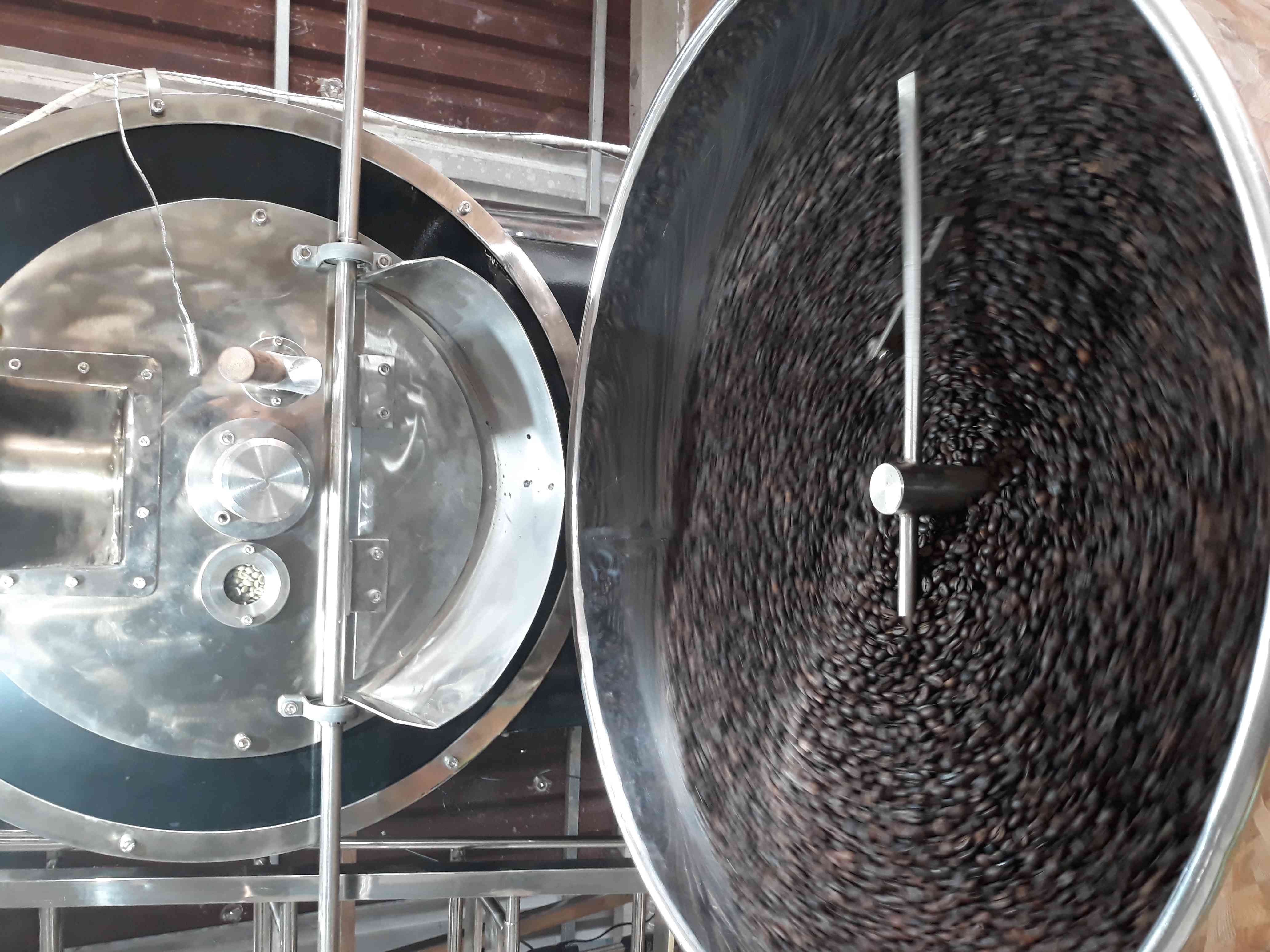
Cà phê rang không đứng yên sau khi ra khỏi máy. CO2 tiếp tục thoát ra, các hợp chất dễ bay hơi thay đổi và các phản ứng liên quan đến oxygen tiếp tục diễn ra.
Một nghiên cứu về cà phê rang cho thấy chất lượng cảm quan giảm theo thời gian lưu trữ, trong đó các thuộc tính tích cực giảm và một số thuộc tính tiêu cực tăng. Nghiên cứu về cà phê sau khi mở bao cũng cho thấy môi trường bảo vệ thay đổi và làm mất freshness nhanh hơn.
Vì vậy, freshness nên được hiểu như một trạng thái động. Nó không bật hoặc tắt ở một ngày cụ thể.
Shelf life phụ thuộc vào cách xác định điểm kết thúc
Shelf life không nhất thiết có cùng một điểm kết thúc cho mọi mục tiêu. Trong nghiên cứu, điểm kết thúc có thể được xác định bằng mức chấp nhận cảm quan, chỉ số hóa học hoặc sự kết hợp của nhiều tiêu chí.
Nghiên cứu của Cardelli và Labuza về cà phê rang xay đã xây dựng mô hình thời hạn bảo quản dựa trên oxygen, water activity và nhiệt độ, với điểm kết thúc được gắn với mức chấp nhận cảm quan của người tiêu dùng. Điều này cho thấy shelf life là một khái niệm có thể định lượng khi tiêu chí kết thúc được xác định rõ.
Trong thực tế thương mại, ngày “tốt nhất trước” cũng không nên được hiểu đơn giản là ngày sản phẩm đột nhiên trở nên không dùng được. Nó là một mốc gắn với mục tiêu chất lượng mà nhà sản xuất lựa chọn.
Hai khái niệm nên được dùng cùng nhưng không thay thế nhau
Freshness hữu ích khi nói về trải nghiệm và sự suy giảm của hương vị theo thời gian. Shelf life hữu ích khi nói về khoảng thời gian sản phẩm được kỳ vọng duy trì chất lượng theo tiêu chí đã xác định.
Khi đánh giá cà phê, có thể theo dõi cả hai: freshness thông qua cảm quan hoặc các chỉ số hương phù hợp, shelf life thông qua mô hình hoặc dữ liệu lưu trữ. Cách này giúp tránh việc biến một khái niệm cảm quan thành một con số ngày tháng cứng nhắc.
Nói “cà phê còn trong hạn” không đồng nghĩa với “cà phê đang ở trạng thái tươi nhất”. Đây chính là khác biệt quan trọng nhất giữa hai khái niệm.
Tài liệu tham khảo
- Cardelli & Labuza — Application of Weibull Hazard Analysis to the Determination of the Shelf Life of Roasted and Ground Coffee (2001)
- ScienceDirect — Effects of different coffee storage methods on coffee freshness after opening of packages (2022)
- Changes in sensory quality characteristics of coffee during storage — Food Chemistry / PMC (2013)
Freshness is a state; shelf life is an acceptable window of time
Freshness is usually used to describe how well a product retains the qualities drinkers associate with just-roasted coffee: pronounced aroma, vivid smell, and a flavor that hasn't noticeably declined. Shelf life is the concept of how long a product stays within a defined quality or acceptability level.
The two are related but not identical. A product can still fall within its stated shelf life while its freshness has already declined compared with the early period. Conversely, “fresh” isn't a fixed time point that applies the same way to every type of coffee.
Freshness keeps changing after roasting
Roasted coffee doesn't stand still once it leaves the machine. CO2 keeps escaping, volatile compounds keep changing, and oxygen-related reactions keep occurring.
A study on roasted coffee found sensory quality declines with storage time, with positive attributes decreasing and certain negative attributes increasing. Research on coffee after opening also shows the protective environment changes and freshness is lost faster.
Freshness, then, should be understood as a dynamic state. It doesn't switch on or off on a specific day.
Shelf life depends on how the endpoint is defined
Shelf life doesn't necessarily share the same endpoint for every purpose. In research, the endpoint can be defined by sensory acceptability, a chemical indicator, or a combination of several criteria.
Cardelli and Labuza's study on ground roasted coffee built a shelf-life model based on oxygen, water activity, and temperature, with the endpoint tied to consumer sensory acceptability. This shows shelf life is a concept that can be quantified once the endpoint criteria are clearly defined.
In commercial practice, a “best before” date shouldn't simply be understood as the day a product suddenly becomes unusable. It's a milestone tied to the quality target a manufacturer has chosen.
The two concepts should be used together, not as substitutes
Freshness is useful for talking about the experience and the decline of flavor over time. Shelf life is useful for talking about the period a product is expected to maintain quality according to defined criteria.
When assessing coffee, both can be tracked: freshness through sensory evaluation or relevant aroma indicators, shelf life through modeling or storage data. This approach helps avoid turning a sensory concept into a rigid date on a calendar.
Saying “the coffee is still within date” isn't the same as saying “the coffee is at its freshest.” That's the most important distinction between the two concepts.
References
- Cardelli & Labuza — Application of Weibull Hazard Analysis to the Determination of the Shelf Life of Roasted and Ground Coffee (2001)
- ScienceDirect — Effects of different coffee storage methods on coffee freshness after opening of packages (2022)
- Changes in sensory quality characteristics of coffee during storage — Food Chemistry / PMC (2013)