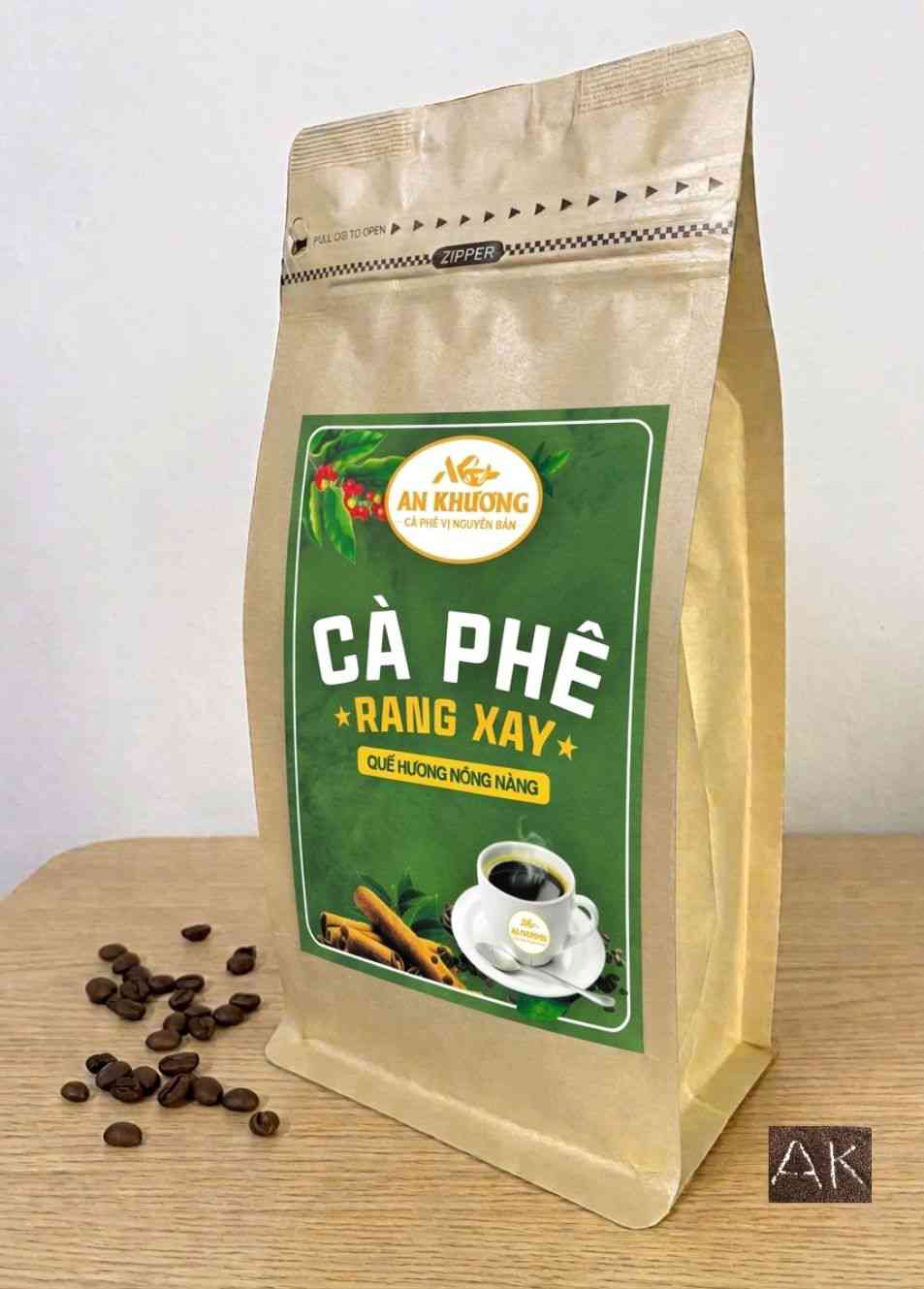
Mở túi làm thay đổi môi trường bảo vệ
Khi một gói cà phê còn nguyên vẹn, vật liệu bao bì và thiết kế đóng gói tạo ra một môi trường tương đối ổn định quanh sản phẩm. Sau khi mở, không khí bên ngoài có thể trao đổi trực tiếp với khoảng không trong túi và với cà phê.
Nghiên cứu về “thời hạn thứ cấp” của cà phê cho thấy sau khi mở, môi trường bảo vệ thay đổi và quá trình mất freshness diễn ra nhanh hơn. Đây là một vấn đề khác với shelf life của gói chưa mở.
Vì vậy, ngày sản xuất hoặc hạn sử dụng in trên bao không thể được hiểu như một cam kết rằng cà phê sẽ giữ nguyên trạng thái đó trong cùng khoảng thời gian sau khi đã mở.
Oxygen tiếp xúc với cà phê tăng lên
Sau khi mở, oxygen có cơ hội tiếp xúc với cà phê nhiều hơn. Với cà phê xay, diện tích bề mặt lớn khiến sự tiếp xúc này càng đáng chú ý.
Nghiên cứu của Cardelli và Labuza cho thấy oxygen là một biến quan trọng trong tốc độ suy giảm của cà phê rang xay. Nghiên cứu năm 2022 về cà phê nguyên hạt sau mở bao cũng tìm thấy mối liên hệ giữa thay đổi oxygen, CO2 và tốc độ mất freshness.
Do đó, thao tác đóng lại bao sau mỗi lần lấy cà phê có ý nghĩa. Nó không đưa sản phẩm trở lại trạng thái ban đầu, nhưng có thể hạn chế tốc độ trao đổi với môi trường.
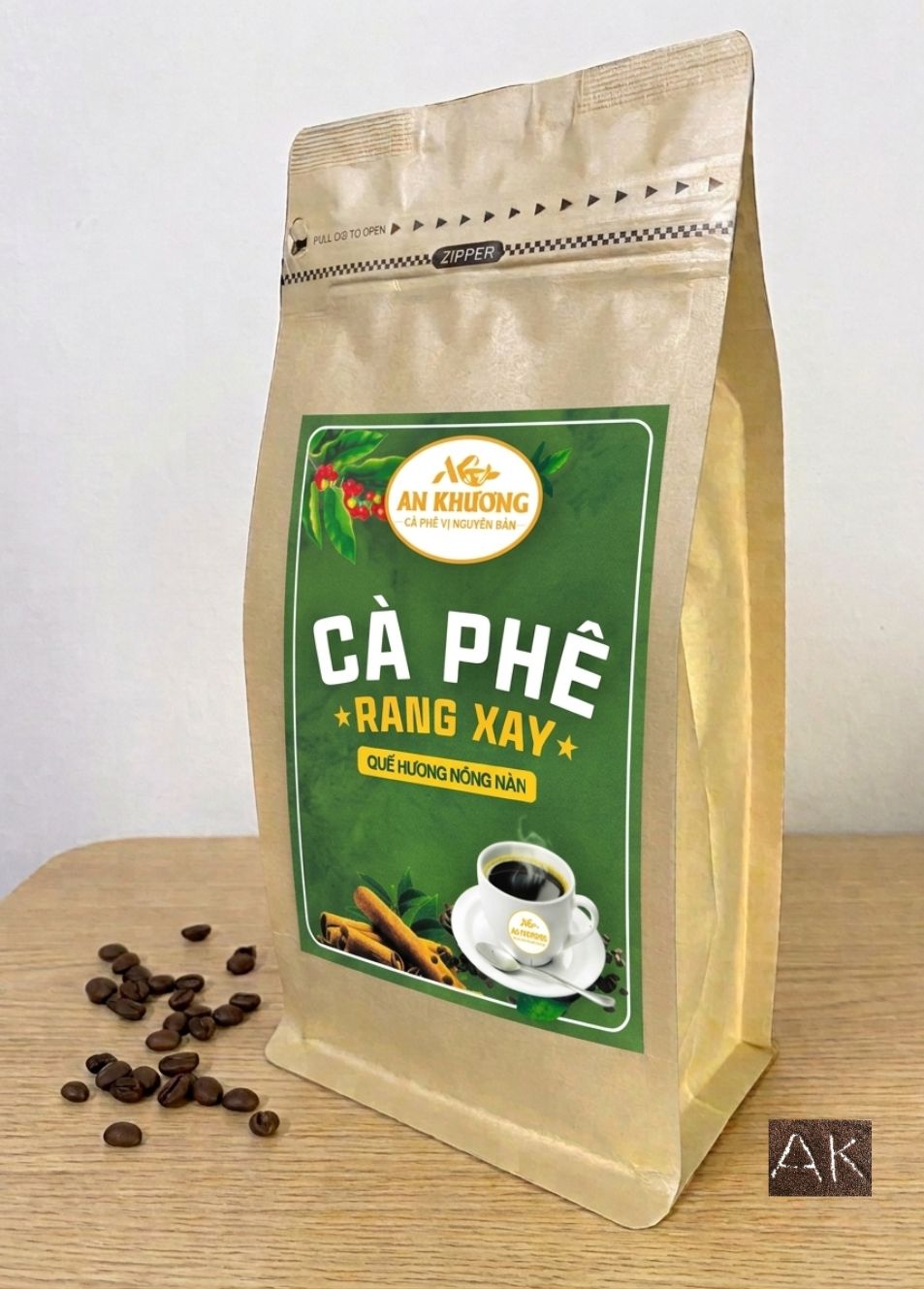
Đóng lại bao không phải cách nào cũng giống nhau
Nghiên cứu năm 2022 so sánh nhiều cách bảo quản cà phê nguyên hạt sau mở. Bao bì có nắp vặn tích hợp duy trì freshness tốt hơn các cách đơn giản như kẹp hoặc dán lại bằng băng keo; các phương án này tạo ra mức trao đổi khí khác nhau.
Điểm quan trọng không nằm ở một loại phụ kiện cụ thể mà ở khả năng hạn chế oxygen tiếp tục đi vào và hương tiếp tục thoát ra. Một vật chứa kín phù hợp có thể tạo môi trường ổn định hơn so với một túi chỉ được gấp hoặc kẹp.
Đối với người dùng, cách đóng lại sau mỗi lần lấy cà phê vì thế có thể ảnh hưởng đáng kể đến trải nghiệm ở những lần pha sau.
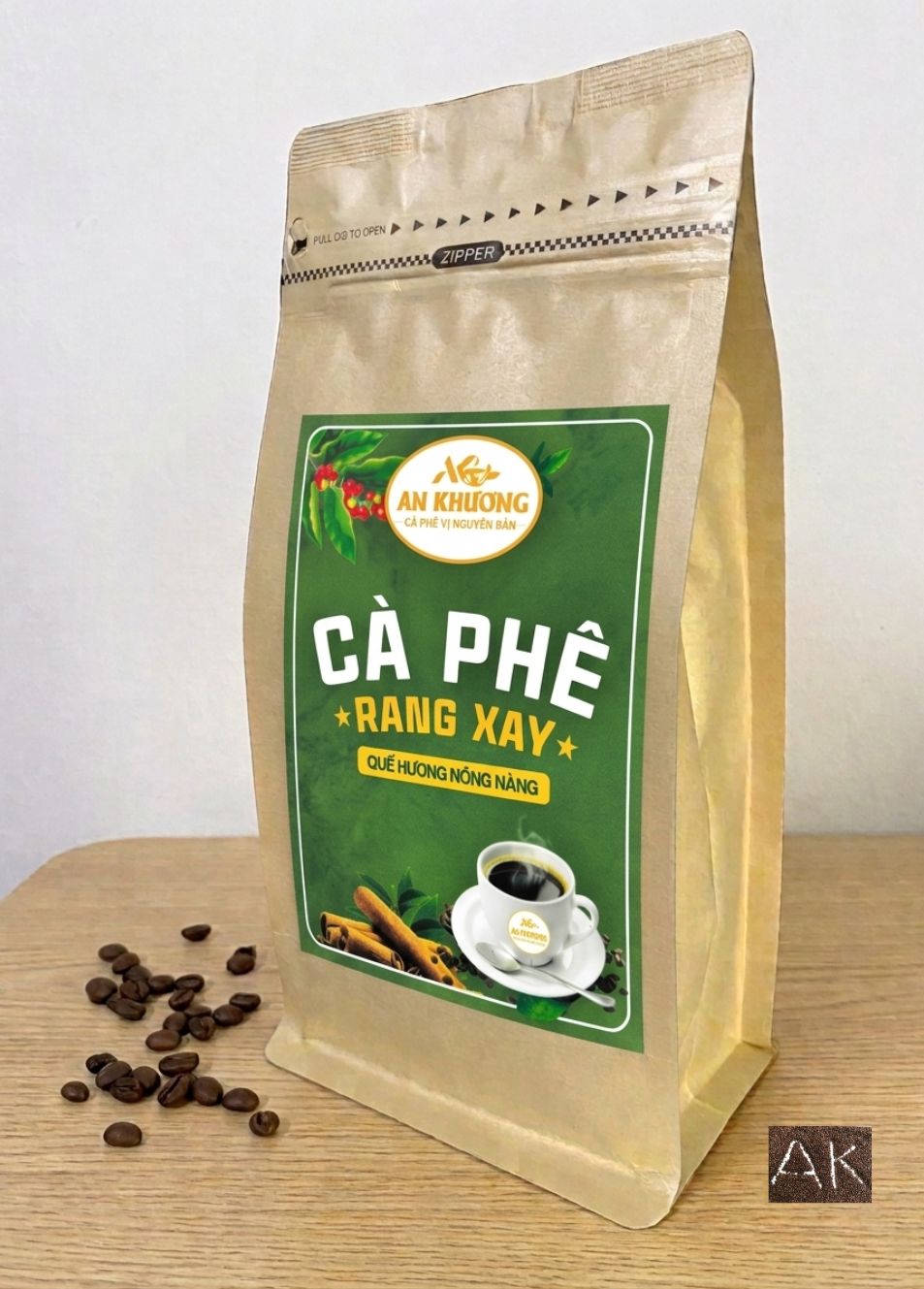
Thời hạn thứ cấp phụ thuộc vào cách sử dụng
Sau khi mở, tốc độ suy giảm không giống nhau ở mọi gia đình. Tần suất mở túi, lượng cà phê còn lại, dạng hạt hay bột, nhiệt độ và điều kiện nơi bảo quản đều có thể thay đổi tốc độ mất freshness.
Nếu một gói được mở nhiều lần mỗi ngày, lượng không khí trao đổi có thể lớn hơn so với gói chỉ mở một lần rồi đóng kín. Cà phê xay cũng thường nhạy hơn vì diện tích tiếp xúc với môi trường lớn.
Vì vậy, cách bảo quản sau mở nên được xem như một phần của chất lượng sản phẩm. Một bao bì tốt giúp bảo vệ cà phê trước khi mở; sau khi mở, chính thói quen sử dụng sẽ quyết định phần lớn môi trường mà cà phê tiếp tục trải qua.
Tài liệu tham khảo
- ScienceDirect — Effects of different coffee storage methods on coffee freshness after opening of packages (2022)
- Cardelli & Labuza — Application of Weibull Hazard Analysis to the Determination of the Shelf Life of Roasted and Ground Coffee (2001)
- SCA — What is the Shelf Life of Roasted Coffee? A Literature Review on Coffee Staling
Opening the bag changes the protective environment
While a bag of coffee is intact, the packaging material and packing design create a relatively stable environment around the product. Once opened, outside air can exchange directly with the space inside the bag and with the coffee itself.
Research on the “secondary shelf life” of coffee shows that once opened, the protective environment changes and the loss of freshness speeds up. This is a different issue from the shelf life of an unopened package.
So the production date or expiration date printed on a bag can't be understood as a promise that coffee will maintain the same state for the same length of time after opening.
Oxygen exposure increases
Once opened, oxygen has more opportunity to reach the coffee. For ground coffee, the large surface area makes this exposure even more significant.
Cardelli and Labuza's research shows oxygen is a key variable in the rate of decline for ground roasted coffee. A 2022 study on whole-bean coffee after opening also found a relationship between changes in oxygen, CO2, and the rate of freshness loss.
So resealing the bag after each use has real meaning. It doesn't bring the product back to its original state, but it can slow the rate of exchange with the environment.
Not every resealing method works the same way
A 2022 study compared several ways of storing whole-bean coffee after opening. Packaging with a built-in screw cap maintained freshness better than simple methods like clipping or taping the bag shut; these different methods created different levels of gas exchange.
The key point isn't a specific type of accessory — it's the ability to limit ongoing oxygen ingress and aroma loss. A suitable sealed container can create a more stable environment than a bag that's just folded or clipped shut.
For users, then, how the bag is resealed after each use can meaningfully affect the experience in later brews.
Secondary shelf life depends on how the product is used
After opening, the rate of decline isn't the same in every household. How often the bag is opened, how much coffee is left, whether it's whole bean or ground, temperature, and storage conditions can all change the rate of freshness loss.
If a bag is opened several times a day, the amount of air exchanged can be greater than for a bag opened once and then sealed shut. Ground coffee also tends to be more sensitive, given its larger contact area with the environment.
So post-opening storage should be seen as part of the product's quality. Good packaging protects coffee before opening; after that, usage habits largely determine what environment the coffee continues to experience.
References
- ScienceDirect — Effects of different coffee storage methods on coffee freshness after opening of packages (2022)
- Cardelli & Labuza — Application of Weibull Hazard Analysis to the Determination of the Shelf Life of Roasted and Ground Coffee (2001)
- SCA — What is the Shelf Life of Roasted Coffee? A Literature Review on Coffee Staling