
Xay cà phê làm thay đổi mạnh diện tích tiếp xúc
Một hạt cà phê nguyên có cấu trúc tương đối nguyên vẹn. Khi xay, hạt bị phá thành rất nhiều phần nhỏ, làm tổng diện tích bề mặt tiếp xúc với môi trường tăng lên đáng kể.
Điều này có ý nghĩa đối với quá trình trao đổi khí, mất hợp chất dễ bay hơi và tiếp xúc với hơi ẩm. Vì vậy, cà phê xay thường nhạy với điều kiện bảo quản hơn cà phê nguyên hạt.
Sự khác biệt không chỉ nằm ở cảm giác “bột dễ cũ”. Nó bắt nguồn từ thay đổi vật lý của chính sản phẩm sau khi xay.
Oxygen tiếp cận cà phê xay dễ hơn
Khi diện tích bề mặt tăng, oxygen có nhiều cơ hội tiếp xúc với các thành phần dễ bị oxy hóa. Nghiên cứu về thời hạn bảo quản cà phê rang xay cho thấy oxygen là một trong những biến quan trọng quyết định tốc độ suy giảm.
Cà phê xay cũng thường mất các hợp chất hương dễ bay hơi nhanh hơn vì đường thoát ra môi trường được mở rộng. Một phần khí CO2 còn lại trong hạt cũng được giải phóng nhanh hơn sau khi xay.
Vì vậy, việc giữ cà phê nguyên hạt cho đến gần thời điểm pha không chỉ là một thói quen của người yêu cà phê. Nó có cơ sở vật lý và hóa học rõ ràng.
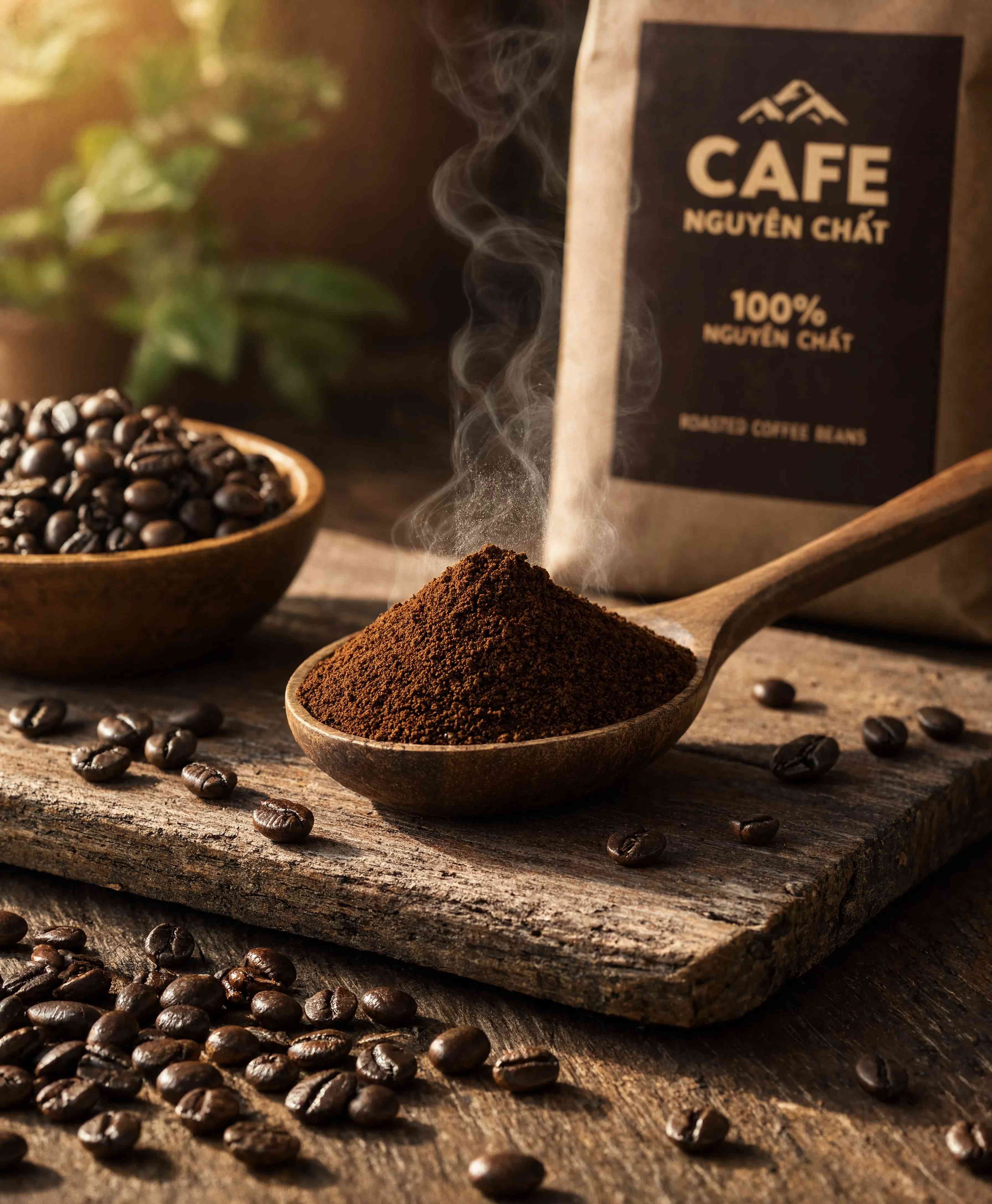
Hơi ẩm cũng tác động rõ hơn lên bột cà phê
Cùng với oxygen, hơi ẩm là một yếu tố quan trọng. Cà phê xay có cấu trúc nhỏ và diện tích tiếp xúc lớn nên có thể trao đổi ẩm với môi trường nhanh hơn.
Nghiên cứu của Cardelli và Labuza cho thấy water activity ảnh hưởng đáng kể đến tốc độ suy giảm của cà phê rang xay. Nghiên cứu về bảo quản cà phê sau mở cũng cho thấy điều kiện môi trường thay đổi có thể ảnh hưởng đến freshness.
Vì thế, một túi bột cà phê đặt trong môi trường nóng ẩm hoặc thường xuyên mở ra đóng vào có thể thay đổi nhanh hơn một gói hạt nguyên được giữ kín.
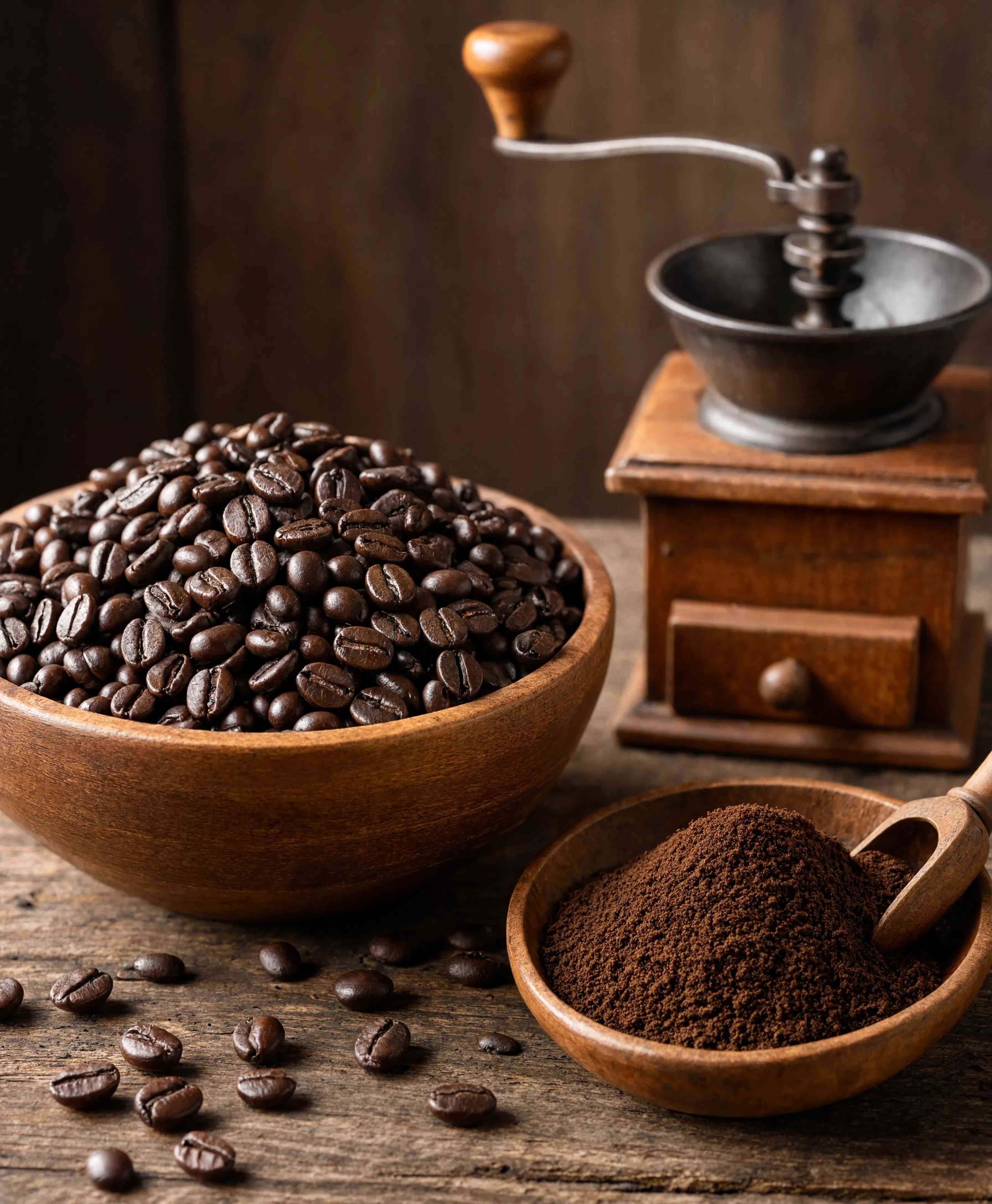
Bao bì không thể hoàn toàn bù cho việc xay quá sớm
Bao bì có khả năng cản oxygen và hơi ẩm tốt có thể làm chậm quá trình suy giảm, nhưng không thay đổi thực tế rằng cà phê xay có diện tích tiếp xúc lớn hơn.
Nếu cần lưu trữ lâu hơn, việc lựa chọn giữa hạt nguyên và cà phê xay nên tính đến thời gian từ lúc mở bao đến lúc sử dụng hết. Với cà phê xay, đóng gói theo lượng nhỏ có thể giảm số lần mở và lượng sản phẩm tiếp xúc với môi trường.
Cách bảo quản tốt nhất vì vậy không chỉ là chọn bao bì tốt. Đó là kết hợp dạng sản phẩm, kích thước gói, thời điểm xay và cách sử dụng.
Tài liệu tham khảo
- Cardelli & Labuza — Application of Weibull Hazard Analysis to the Determination of the Shelf Life of Roasted and Ground Coffee (2001)
- ScienceDirect — Effects of different coffee storage methods on coffee freshness after opening of packages (2022)
- PubMed — Time-Resolved Gravimetric Method To Assess Degassing of Roasted Coffee (2017)
Grinding drastically changes contact area
A whole coffee bean has a relatively intact structure. Once ground, the bean breaks into countless small pieces, significantly increasing the total surface area in contact with the environment.
This matters for gas exchange, loss of volatile compounds, and exposure to moisture. So ground coffee is typically more sensitive to storage conditions than whole beans.
The difference isn't just a feeling that “ground coffee gets stale faster.” It stems from an actual physical change in the product after grinding.
Oxygen reaches ground coffee more easily
As surface area increases, oxygen has far more opportunity to come into contact with oxidation-prone components. Research on ground-roasted-coffee shelf life shows oxygen is one of the key variables determining the rate of decline.
Ground coffee also tends to lose volatile aroma compounds faster, since the pathway to the environment is much wider. Some of the CO2 remaining in the bean is also released faster once ground.
So keeping coffee whole until close to the time of brewing isn't just a habit coffee lovers follow out of preference. It has a clear physical and chemical basis.
Moisture also affects ground coffee more noticeably
Alongside oxygen, moisture is another important factor. Ground coffee's small particle structure and large contact area let it exchange moisture with the environment faster.
Cardelli and Labuza's research shows water activity has a significant effect on the rate of decline for ground roasted coffee. Research on coffee storage after opening also shows changing environmental conditions can affect freshness.
So a bag of ground coffee kept in a hot, humid environment or opened and closed frequently can change faster than a whole-bean bag kept sealed.
Packaging can't fully compensate for grinding too early
Packaging with good oxygen and moisture barrier can slow the decline process, but it doesn't change the fact that ground coffee has a larger contact area.
If longer storage is needed, choosing between whole bean and ground coffee should factor in the time between opening the bag and finishing the product. For ground coffee, packing in smaller portions can reduce how often the bag is opened and how much product is exposed to the environment.
The best storage approach, then, isn't just about choosing good packaging. It's about combining product form, package size, grinding timing, and usage habits.
References
- Cardelli & Labuza — Application of Weibull Hazard Analysis to the Determination of the Shelf Life of Roasted and Ground Coffee (2001)
- ScienceDirect — Effects of different coffee storage methods on coffee freshness after opening of packages (2022)
- PubMed — Time-Resolved Gravimetric Method To Assess Degassing of Roasted Coffee (2017)