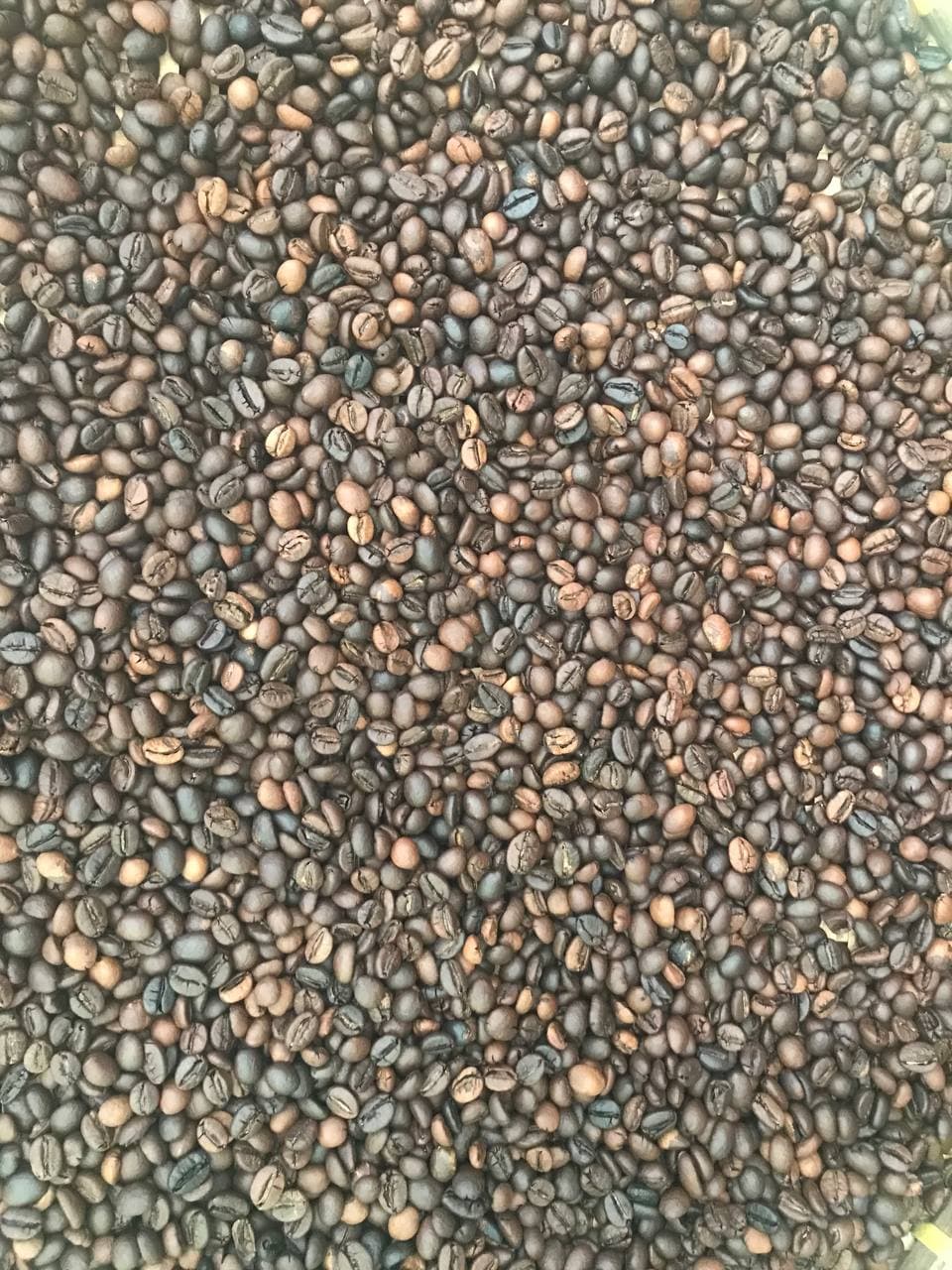
Trong kiểm soát cà phê, khuyết tật của hạt và dị vật thường được nhắc đến cùng nhau vì cả hai đều có thể làm giảm chất lượng sản phẩm. Tuy nhiên, chúng không phải là một vấn đề và cũng không nên được xử lý bằng cùng một cách.
Khuyết tật là câu chuyện của chất lượng nguyên liệu
Khuyết tật thường liên quan trực tiếp đến bản thân hạt cà phê. Hạt có thể bị lỗi do quá trình hình thành, thu hái, sơ chế, bảo quản hoặc vận chuyển. Một số lỗi thể hiện qua màu sắc, kích thước, hình dạng hoặc trạng thái của hạt. Khi rang, những khác biệt này có thể ảnh hưởng đến màu rang, mùi và vị của cà phê.
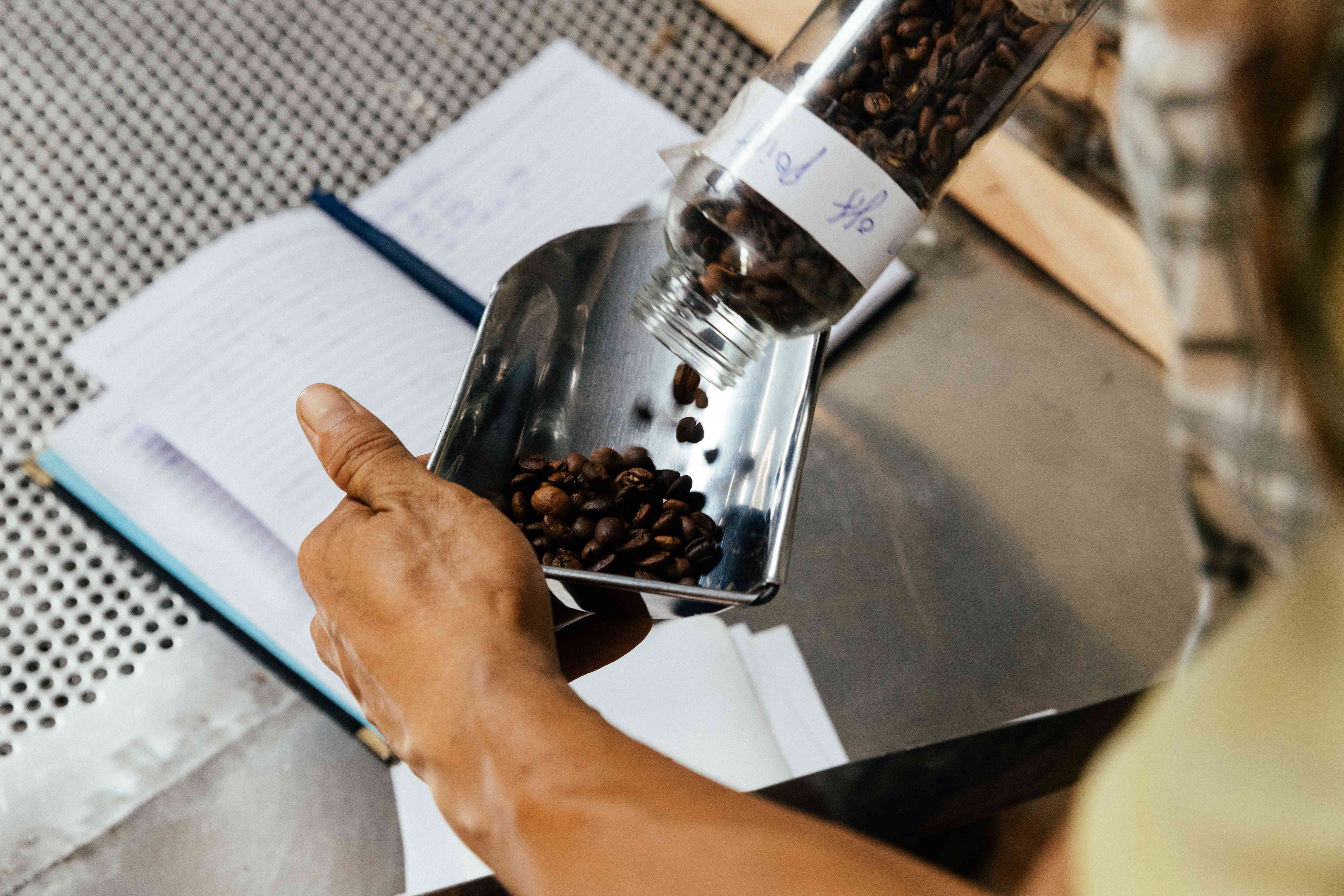
Dị vật cần một tuyến kiểm soát khác
Dị vật lại là vật chất không thuộc về sản phẩm nhưng có thể xuất hiện trong nguyên liệu hoặc trong quá trình sản xuất. Đó có thể là đá, mảnh kim loại, mảnh nhựa, gỗ, dây buộc hoặc mảnh bao bì. Vì vậy, kiểm soát dị vật phải tập trung vào nguồn phát sinh, điểm tiếp xúc và khả năng ngăn chúng đi theo dòng sản phẩm.
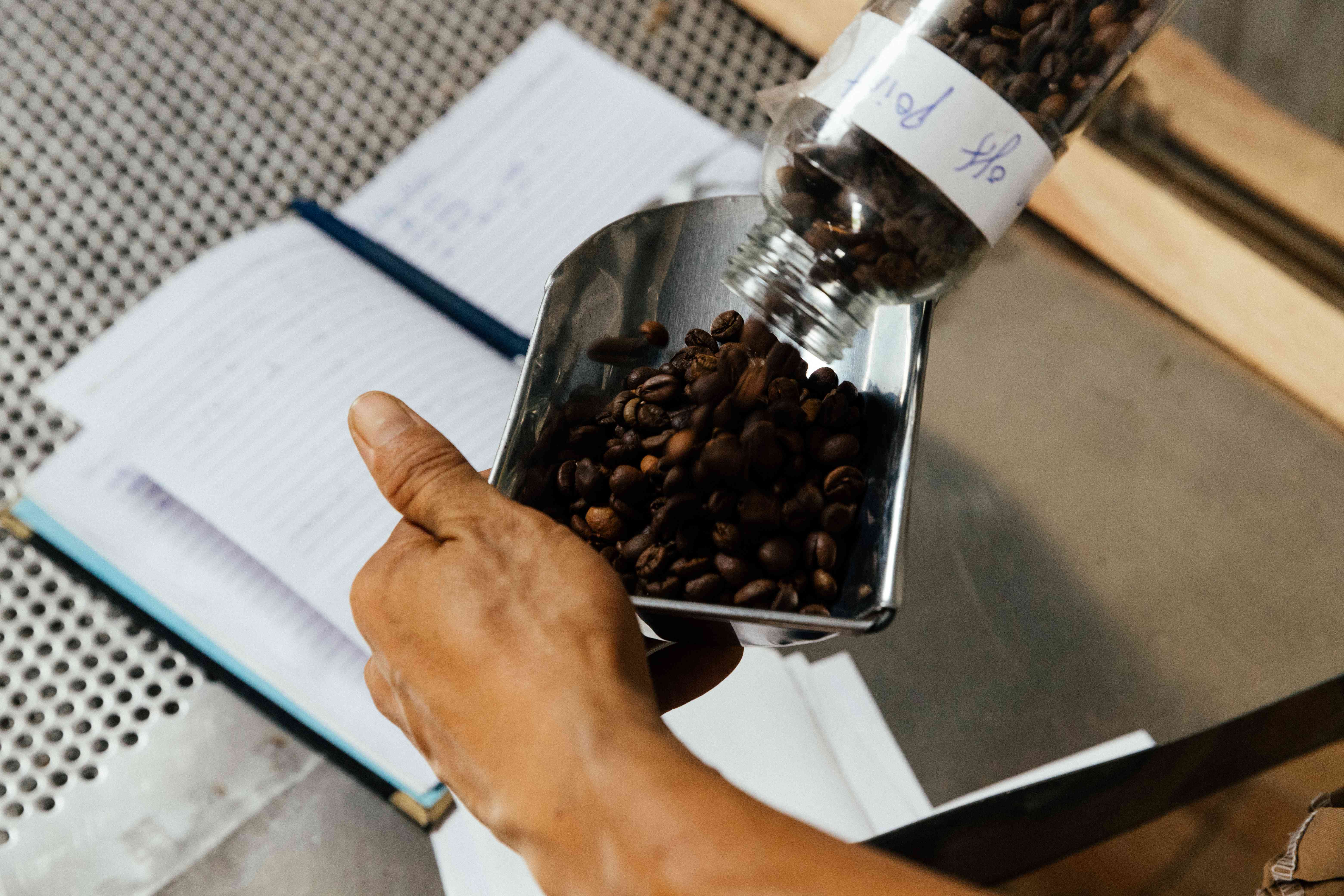
Hai hồ sơ kiểm soát không nên nhập làm một
Một lô có nhiều hạt lỗi cần được điều tra theo hướng chất lượng nguyên liệu. Một mảnh kim loại trong thành phẩm lại cần truy ngược thiết bị, bảo trì và điểm kiểm soát. Gộp hai vấn đề vào cùng một nhóm sẽ khiến việc tìm nguyên nhân trở nên khó khăn hơn.
Tài liệu tham khảo
- Codex Alimentarius – General Principles of Food Hygiene.
- FDA – Filth and Extraneous Materials Program.
- FDA – HACCP Principles & Application Guidelines.
In coffee control, bean defects and foreign matter often get mentioned in the same breath, since both can reduce product quality. But they aren't the same issue, and they shouldn't be handled the same way.
A defect is a story about raw-material quality
A defect usually relates directly to the coffee bean itself. A bean can be flawed due to how it developed, was harvested, processed, stored, or transported. Some flaws show up as color, size, shape, or the bean's overall condition. During roasting, these differences can affect roast color, smell, and flavor.
Foreign matter needs a different line of control
Foreign matter, by contrast, is material that isn't part of the product but can end up in the raw material or during production. That could be stone, metal fragments, plastic, wood, string, or packaging fragments. So controlling foreign matter needs to focus on where it originates, the points of contact, and the ability to keep it from traveling along with the product stream.
The two control records shouldn't be merged into one
A batch with many defective beans needs to be investigated from a raw-material-quality angle. A piece of metal in the finished product needs to be traced back through equipment, maintenance, and control points. Lumping the two issues into one category makes it harder to find the actual cause.
References
- Codex Alimentarius — General Principles of Food Hygiene
- FDA — Filth and Extraneous Materials Program
- FDA — HACCP Principles & Application Guidelines