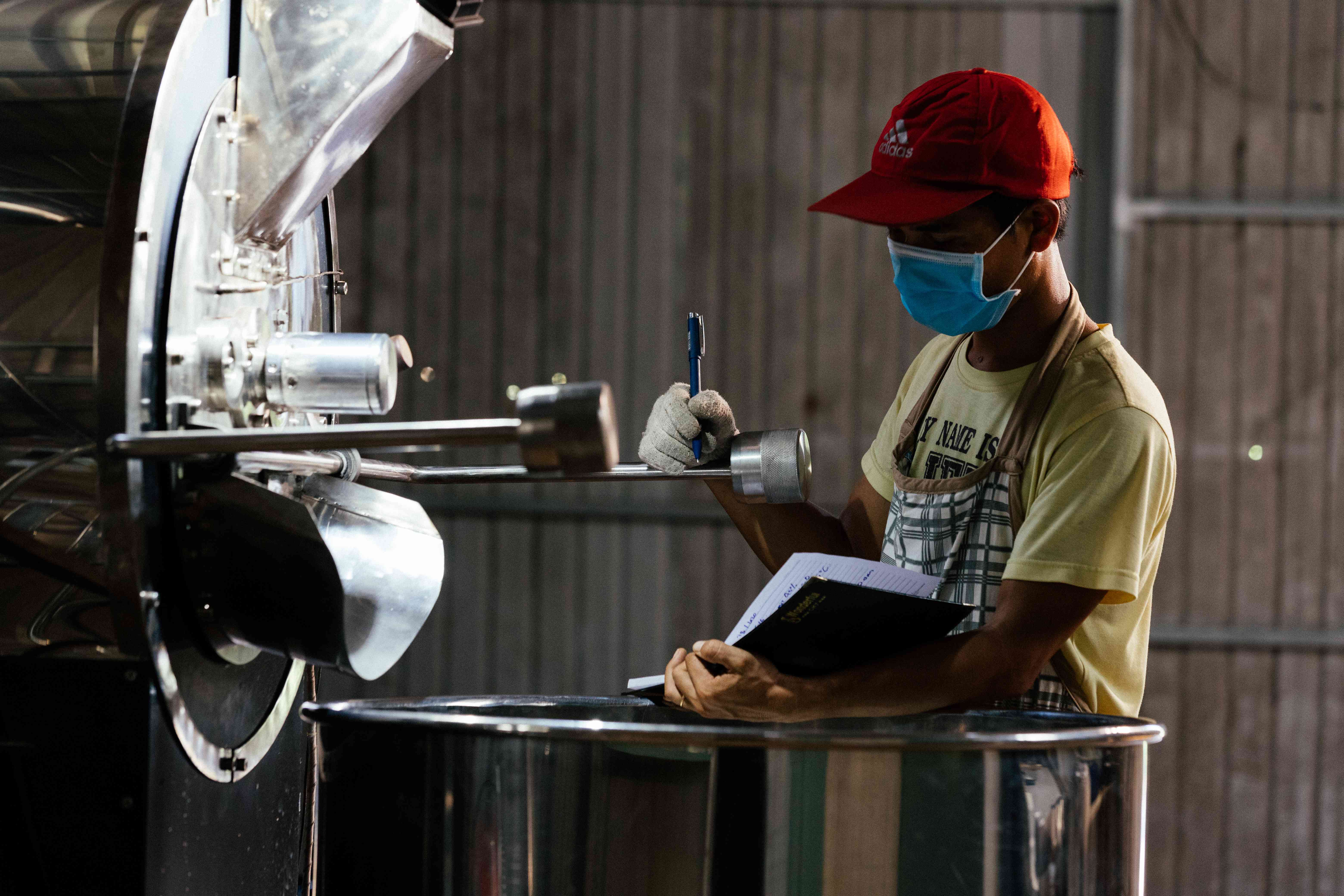
Một xưởng rang sạch về hình thức vẫn có thể tồn tại nguy cơ nhiễm chéo nếu dòng di chuyển của nguyên liệu, con người và dụng cụ không được kiểm soát.
Nhìn vào dòng di chuyển trước khi nhìn vào hóa chất vệ sinh
Hạt xanh đi theo đường nào? Hạt rang đi theo đường nào? Dụng cụ nào dùng chung? Khi trả lời được những câu hỏi này, doanh nghiệp mới xác định được điểm cần kiểm soát.
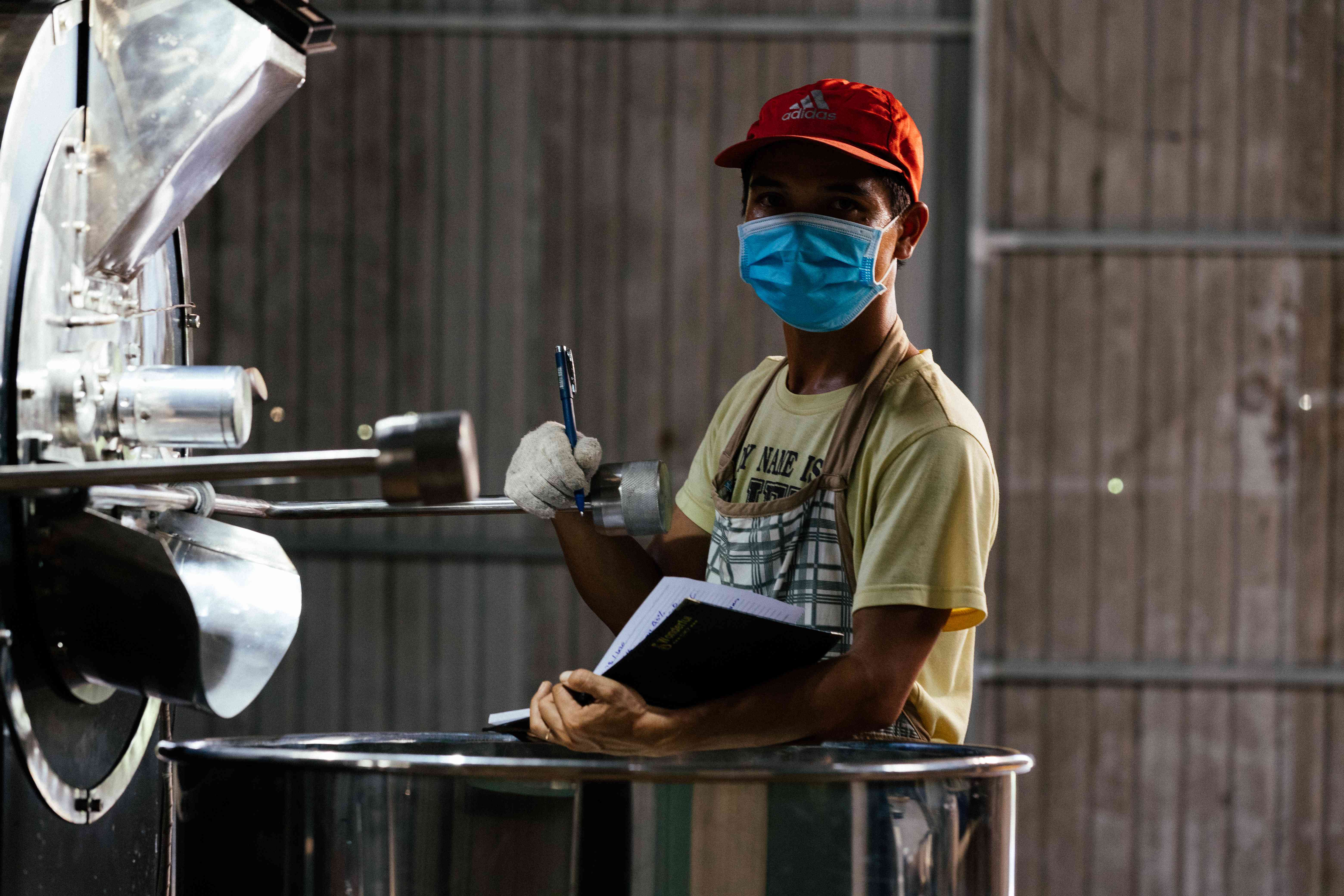
Tách khu vực có nguy cơ khác nhau
Khu vực tiếp nhận nguyên liệu và khu vực thành phẩm không nhất thiết phải xây phòng riêng, nhưng cần hạn chế giao cắt và tránh mang chất bẩn quay trở lại thành phẩm.
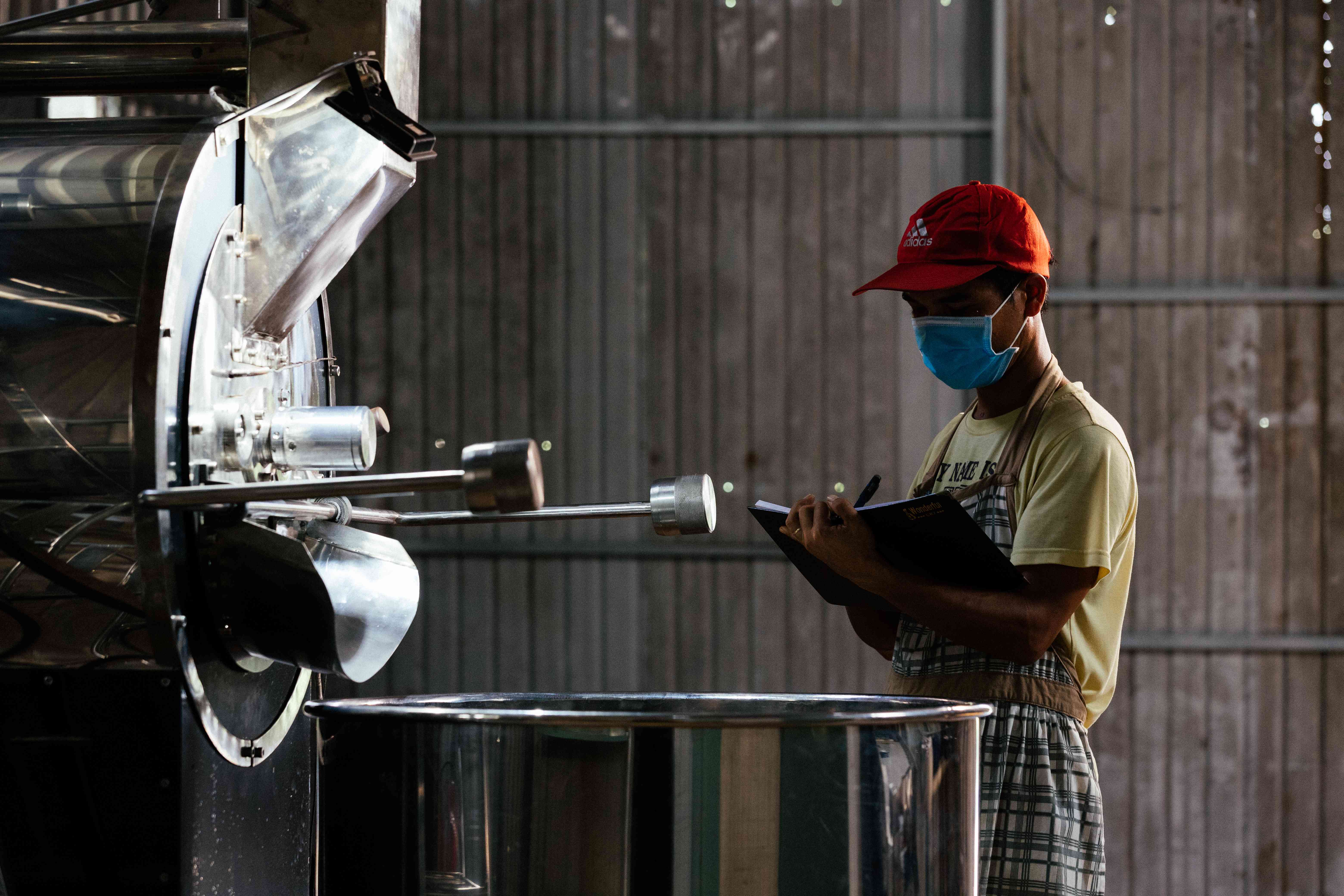
Con người cũng là một phần của dòng sản xuất
Giày dép, quần áo, găng tay và dụng cụ đều có thể trở thành đường truyền chất bẩn nếu không có quy trình rõ ràng.
Tài liệu tham khảo
- Codex Alimentarius – General Principles of Food Hygiene.
- FDA – HACCP Principles & Application Guidelines.
A roasting workshop that looks clean on the surface can still carry a cross-contamination risk if the movement of raw material, people, and tools isn't properly controlled.
Look at the flow before reaching for cleaning chemicals
Which path do green beans follow? Which path do roasted beans follow? Which tools are shared between them? Once these questions are answered, a business can actually identify the points that need control.
Separate areas with different levels of risk
The raw-material receiving area and the finished-goods area don't necessarily need separate rooms, but crossover needs to be limited, and dirt shouldn't be carried back toward finished product.
People are also part of the production flow
Shoes, clothing, gloves, and tools can all become a pathway for contamination if there's no clear procedure governing them.
References
- Codex Alimentarius — General Principles of Food Hygiene
- FDA — HACCP Principles & Application Guidelines