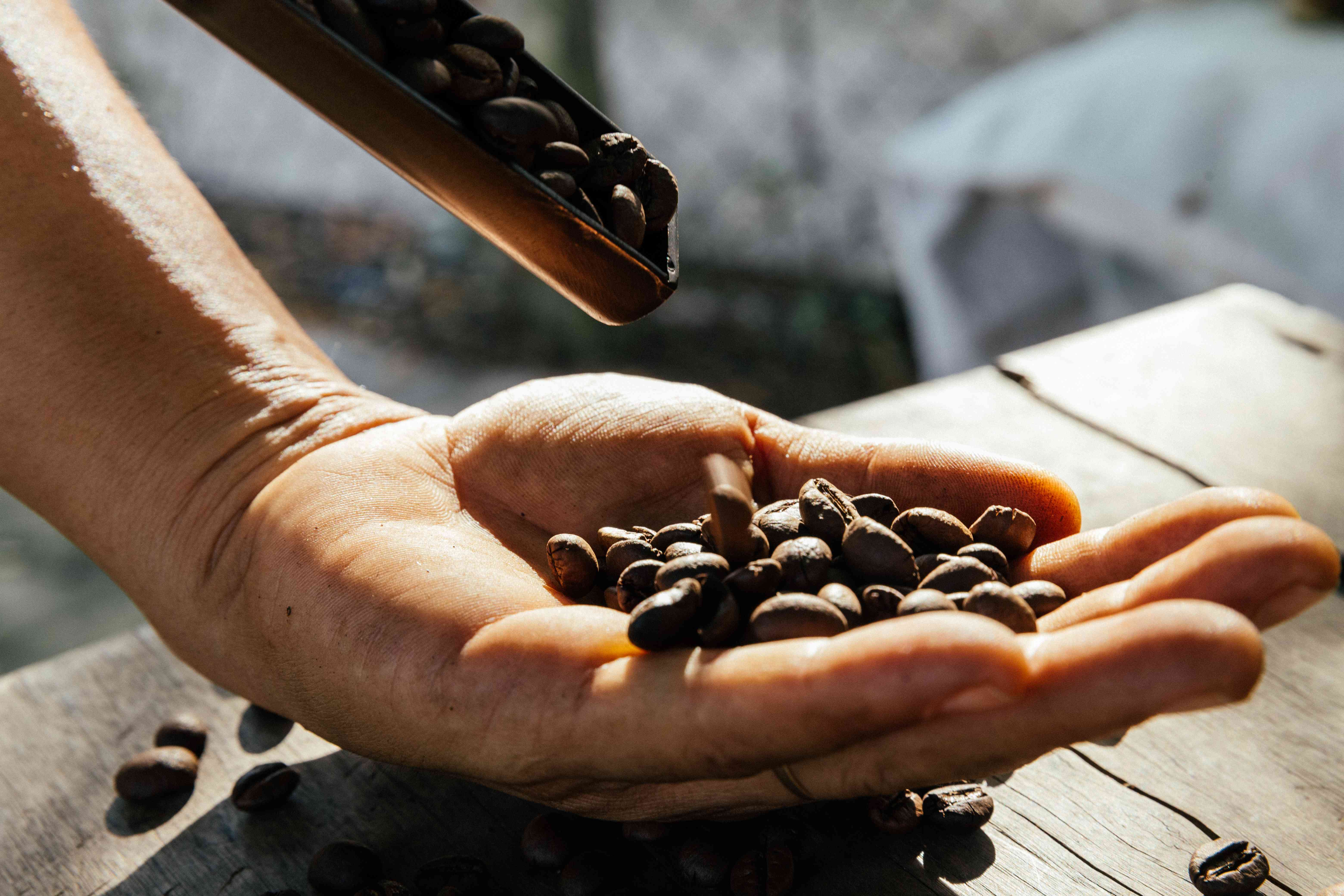
Không. Kiểm nghiệm là một công cụ quan trọng trong kiểm soát chất lượng và an toàn thực phẩm, nhưng không phải mọi sản phẩm cà phê đều cần thực hiện tất cả các loại kiểm nghiệm có thể nghĩ đến. Câu hỏi đúng hơn là sản phẩm có những mối nguy nào cần kiểm soát, bằng chứng nào cần có và phép kiểm nghiệm nào thực sự giúp trả lời câu hỏi đó.
Kiểm nghiệm phải xuất phát từ mối nguy
Một chương trình kiểm soát hợp lý bắt đầu bằng việc nhận diện những mối nguy có thể xuất hiện trong nguyên liệu và quá trình sản xuất. Với cà phê, tùy nguồn nguyên liệu và quy trình, các vấn đề có thể liên quan đến dị vật, chất nhiễm bẩn hóa học, độc tố nấm mốc hoặc những chỉ tiêu khác theo yêu cầu của sản phẩm và thị trường.
Không phải mối nguy nào cũng được kiểm soát tốt nhất bằng xét nghiệm thành phẩm. Có vấn đề cần kiểm soát ngay từ nhà cung cấp, điều kiện bảo quản, vệ sinh thiết bị hoặc quy trình sản xuất. Codex xem lấy mẫu và kiểm nghiệm là một trong các hoạt động xác minh hệ thống kiểm soát, chứ không phải toàn bộ hệ thống kiểm soát.
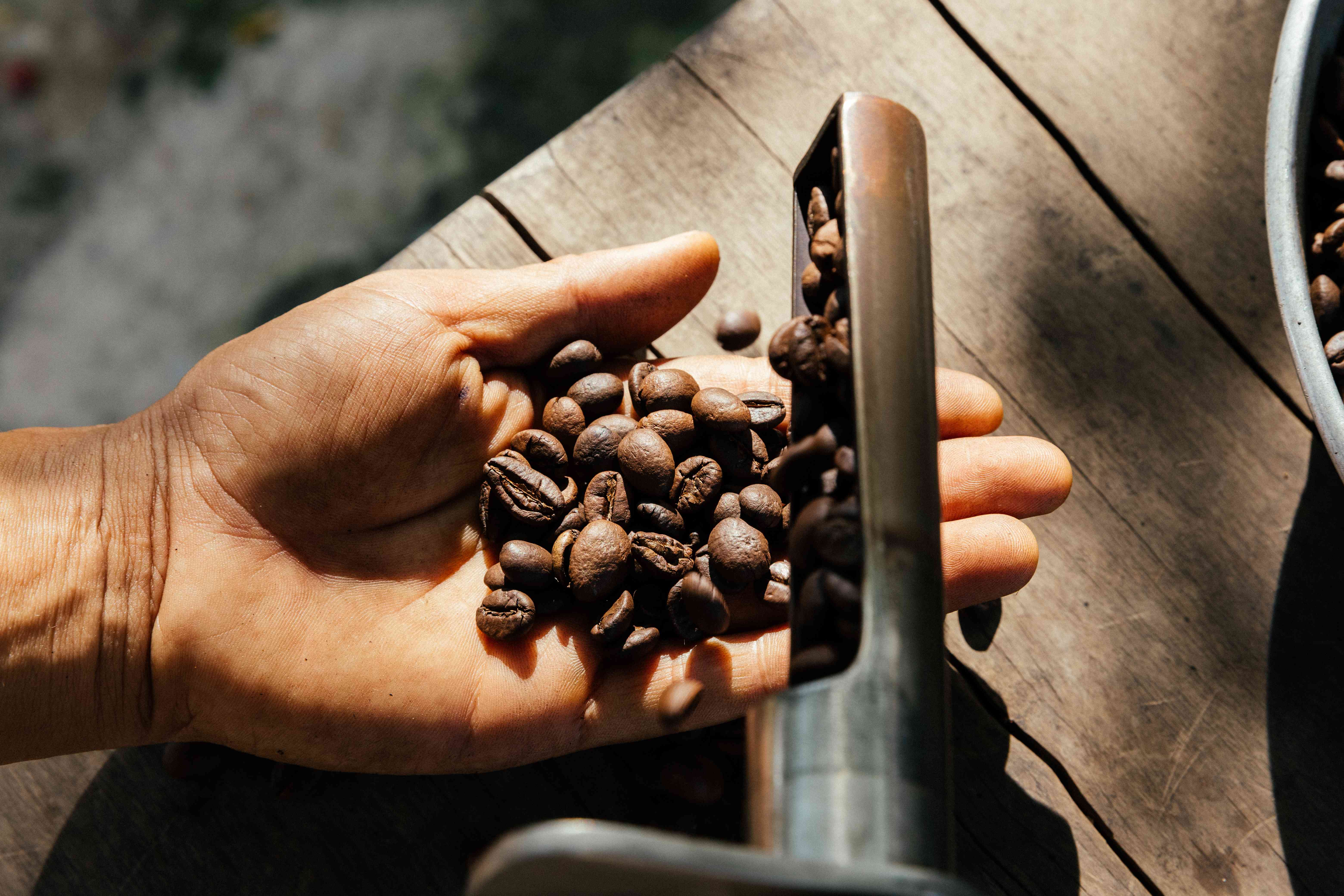
Một kết quả xét nghiệm không thay thế cả quá trình
Một mẫu đạt yêu cầu chỉ cho biết điều gì xảy ra với mẫu được lấy, theo phương pháp và thời điểm kiểm tra cụ thể. Nó không tự động chứng minh rằng mọi lô hàng, mọi thời điểm hoặc mọi công đoạn đều giống nhau.
Vì vậy, nếu chỉ dựa vào một phiếu kiểm nghiệm để kết luận toàn bộ quá trình sản xuất luôn sạch, lập luận đó quá rộng so với bằng chứng. Ngược lại, khi kết quả xét nghiệm được đặt cạnh hồ sơ nguyên liệu, điều kiện sản xuất, kiểm soát vệ sinh và truy xuất lô, giá trị của nó rõ ràng hơn.
Khi nào cần kiểm nghiệm
Kiểm nghiệm đặc biệt hữu ích khi doanh nghiệp cần xác nhận một nguy cơ cụ thể, xác minh hiệu quả của biện pháp kiểm soát, đánh giá nhà cung cấp, điều tra một sai lệch hoặc đáp ứng yêu cầu pháp lý và thị trường.
Tần suất cũng không nhất thiết phải giống nhau cho mọi chỉ tiêu. Mức độ rủi ro, lịch sử kết quả, thay đổi nguyên liệu, thay đổi quy trình và yêu cầu của khách hàng có thể ảnh hưởng đến kế hoạch lấy mẫu. Codex hiện liệt kê cả nguyên tắc sử dụng lấy mẫu và kiểm nghiệm trong thương mại thực phẩm, đồng thời yêu cầu phương pháp phân tích phải phù hợp với mục đích kiểm soát.
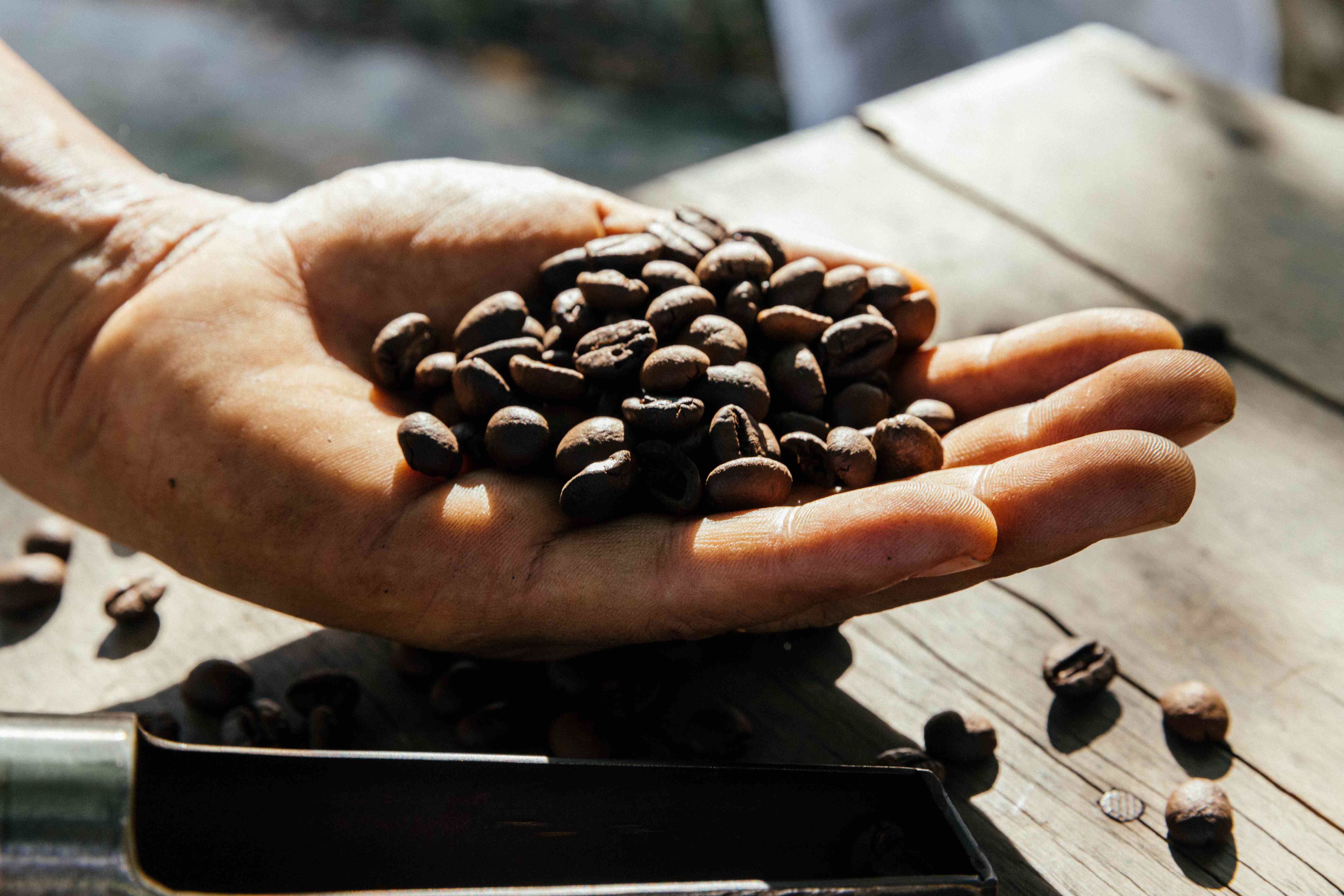
Điều quan trọng là biết mình đang muốn chứng minh điều gì
Trước khi gửi mẫu đến phòng thí nghiệm, doanh nghiệp nên viết rõ câu hỏi cần trả lời. Chẳng hạn, có phải đang cần xác minh một chất nhiễm bẩn cụ thể, kiểm tra sự phù hợp của một lô hàng hay đánh giá một biện pháp kiểm soát?
Khi câu hỏi rõ, việc chọn chỉ tiêu, phương pháp lấy mẫu và phương pháp phân tích cũng có cơ sở hơn. Một hệ thống kiểm soát tốt vì thế không chạy theo số lượng phiếu kiểm nghiệm, mà xây dựng bằng chứng phù hợp với từng mối nguy và mục đích.
Tài liệu tham khảo
- Codex Alimentarius, General Principles of Food Hygiene (CXC 1-1969).
- Codex Alimentarius, Principles for the Use of Sampling and Testing in International Food Trade.
No. Testing is an important tool in quality and food-safety control, but not every coffee product needs to undergo every conceivable test. The better question is which hazards actually need controlling for this product, what evidence is needed, and which specific test actually helps answer that question.
Testing has to start from the hazard
A sound control program starts by identifying the hazards that could show up in the raw material and the production process. For coffee, depending on the raw-material source and process, concerns can involve foreign matter, chemical contaminants, mycotoxins, or other indicators required by the product and market.
Not every hazard is best controlled through finished-product testing. Some issues need to be controlled right at the supplier, through storage conditions, equipment hygiene, or the production process itself. Codex treats sampling and testing as one of the activities used to verify a control system — not the entire control system itself.
A single test result doesn't stand in for the whole process
A passing sample only tells you what happened with that particular sample, tested by that particular method, at that particular time. It doesn't automatically prove every batch, every point in time, or every step is identical.
So relying on a single test report to conclude the entire production process is always clean is a claim far broader than the evidence supports. On the other hand, when a test result is placed alongside raw-material records, production conditions, hygiene controls, and batch traceability, its value becomes much clearer.
When is testing actually needed
Testing is especially useful when a business needs to confirm a specific hazard, verify the effectiveness of a control measure, assess a supplier, investigate a deviation, or meet a legal or market requirement.
Frequency doesn't have to be the same for every indicator either. Risk level, result history, changes in raw material, changes in process, and customer requirements can all influence a sampling plan. Codex sets out principles for using sampling and testing in food trade and requires analytical methods to be fit for the intended control purpose.
What matters is knowing what you're actually trying to prove
Before sending a sample to a lab, a business should clearly write out the question it needs answered. Is it verifying a specific contaminant, checking whether a batch meets requirements, or assessing a control measure?
Once the question is clear, choosing the indicator, the sampling method, and the analytical method has a much stronger basis. A good control system, then, doesn't chase a large number of test reports — it builds evidence appropriate to each hazard and purpose.
References
- Codex Alimentarius — General Principles of Food Hygiene (CXC 1-1969)
- Codex Alimentarius — Principles for the Use of Sampling and Testing in International Food Trade