
Đóng gói là công đoạn cuối nhưng không phải vì thế mà nguy cơ dị vật biến mất. Ngược lại, đây là thời điểm sản phẩm tiếp xúc với bao bì, thiết bị, dụng cụ và con người trước khi rời khỏi cơ sở. Kiểm soát dị vật vì vậy cần được tổ chức thành nhiều lớp thay vì chờ đến bước cuối mới kiểm tra.
Kiểm soát vật liệu trước khi đóng gói
Bao bì, thùng chứa, dây buộc và các vật tư liên quan cần được kiểm tra trước khi đưa vào khu vực đóng gói. Vật liệu bị rách, vỡ, bong tróc hoặc có dấu hiệu nhiễm bẩn cần được xử lý trước khi sử dụng.
Điểm này đặc biệt quan trọng vì một vật liệu không phù hợp có thể trở thành nguồn dị vật ngay trong quá trình đóng gói.

Kiểm tra thiết bị và khu vực
Máy đóng gói, phễu, máng dẫn, bàn thao tác và các dụng cụ tiếp xúc với cà phê cần được kiểm tra tình trạng. Những chi tiết lỏng, nứt, mòn hoặc có nguy cơ bong ra cần được sửa chữa hoặc thay thế.
Việc kiểm tra nên được thực hiện trước khi bắt đầu sản xuất và sau bảo trì, thay đổi thiết bị hoặc những sự cố có khả năng làm phát sinh vật chất lạ.
Kiểm soát trong quá trình đóng gói
Người vận hành cần hạn chế những vật không cần thiết trong khu vực đóng gói. Dụng cụ, vật tư và đồ dùng cá nhân không nên được đưa vào khu vực sản phẩm nếu không có lý do chính đáng.
Nếu có biện pháp phát hiện dị vật như sàng lọc hoặc thiết bị phát hiện kim loại, phương pháp đó phải được lựa chọn theo loại nguy cơ và đặc tính sản phẩm. Codex xem lấy mẫu và kiểm nghiệm là một phần của hoạt động xác minh, trong đó kiểm tra vật lý như mảnh kim loại có thể được sử dụng khi phù hợp.
Kiểm tra bao bì sau khi đóng
Một gói hoàn chỉnh vẫn cần được kiểm tra về tình trạng đường hàn, độ nguyên vẹn và dấu hiệu bất thường. Việc này vừa liên quan đến khả năng bảo vệ sản phẩm vừa giúp phát hiện những lỗi có thể phát sinh trong quá trình đóng gói.
Nếu phát hiện dị vật hoặc dấu hiệu bất thường, không nên chỉ loại bỏ riêng gói đó. Cần xem xét thời điểm vấn đề có thể xuất hiện và những sản phẩm được đóng trong cùng khoảng thời gian.
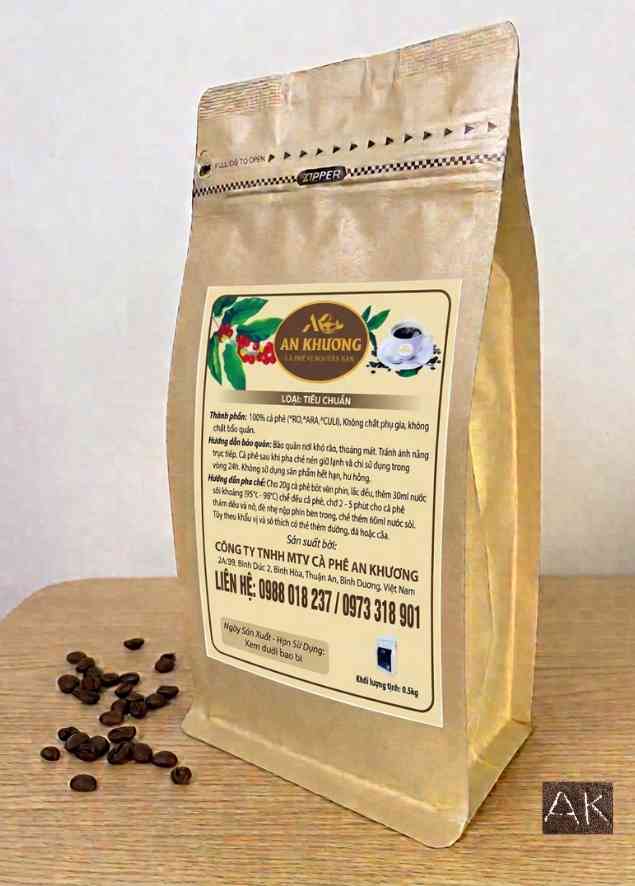
Điều quan trọng nhất là phòng ngừa
Thiết bị phát hiện dị vật có giá trị nhưng không nên được xem là lý do để bỏ qua việc kiểm soát nguồn phát sinh. Phòng ngừa bằng thiết kế thiết bị, bảo trì, vệ sinh, quản lý vật tư và thao tác đúng vẫn là nền tảng.
Một hệ thống tốt tạo ra nhiều lớp bảo vệ: ngăn dị vật đi vào, giảm khả năng phát sinh trong xưởng, phát hiện khi có sai lệch và truy xuất được sản phẩm nếu sự cố xảy ra.
Tài liệu tham khảo
- Codex Alimentarius, General Principles of Food Hygiene (CXC 1-1969).
- Codex Alimentarius, Principles for the Use of Sampling and Testing in International Food Trade.
Packing is the final step, but that doesn't mean foreign-matter risk disappears by then. On the contrary, this is when the product comes into contact with packaging, equipment, tools, and people right before leaving the facility. Foreign-matter control, then, needs to be organized into multiple layers rather than checked only at the very end.
Controlling materials before packing
Packaging, containers, ties, and related supplies need to be inspected before entering the packing area. Torn, broken, peeling, or otherwise contaminated-looking material needs to be dealt with before use.
This matters especially because an unsuitable material can itself become a source of foreign matter right during the packing process.
Inspecting equipment and the surrounding area
Packing machines, hoppers, chutes, work tables, and tools that touch coffee need to have their condition checked. Loose, cracked, worn, or flaking parts need repair or replacement.
This inspection should happen before starting production and after maintenance, equipment changes, or any incident capable of introducing foreign material.
Control during the packing process itself
Operators need to limit unnecessary objects in the packing area. Tools, supplies, and personal items shouldn't be brought into the product area without good reason.
If foreign-matter detection measures like sieving or metal detection are in place, the method needs to be chosen based on the type of hazard and the product's characteristics. Codex treats sampling and testing as part of verification activity, in which physical checks like metal-fragment detection can be used where appropriate.
Checking packaging after sealing
A completed package still needs to be checked for seal condition, integrity, and any unusual signs. This relates both to the product's protection and to catching flaws that may have arisen during packing.
If foreign matter or an unusual sign is found, it's not enough to simply discard that one package. It's worth considering when the issue may have arisen and which other products were packed in the same timeframe.
Prevention matters most
Foreign-matter detection equipment has value, but it shouldn't be treated as a reason to skip controlling the source. Prevention through equipment design, maintenance, hygiene, supply management, and correct operation remains the foundation.
A good system creates multiple layers of protection: preventing foreign matter from entering, reducing the chance it arises within the facility, detecting deviations, and being able to trace the product if an incident occurs.
References
- Codex Alimentarius — General Principles of Food Hygiene (CXC 1-1969)
- Codex Alimentarius — Principles for the Use of Sampling and Testing in International Food Trade