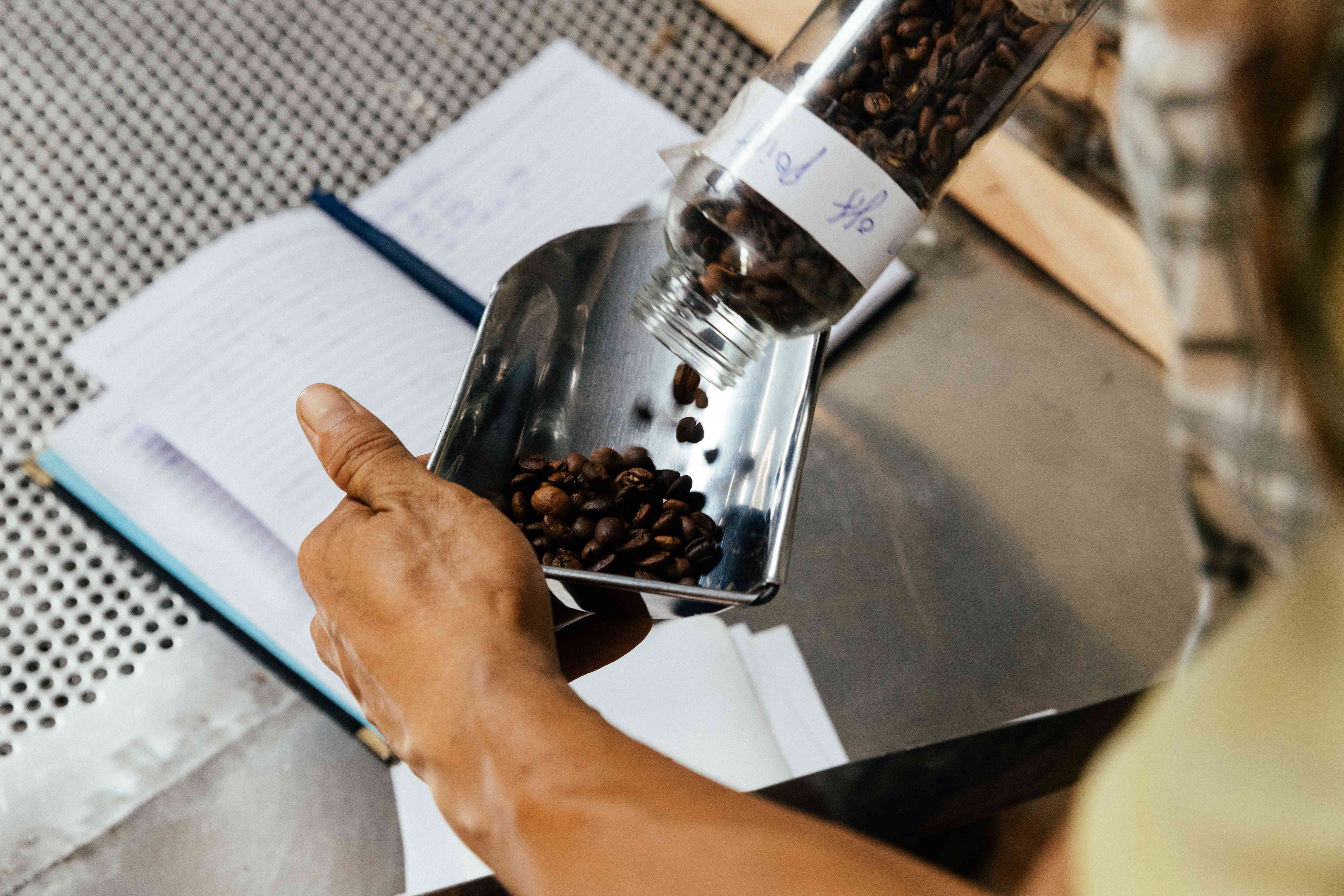
Trong một dây chuyền cà phê, dị vật kim loại là một dạng rủi ro vật lý cần được xem xét riêng. Kim loại có thể xuất hiện từ nguyên liệu, dụng cụ, chi tiết máy bị mòn hoặc hỏng, vật liệu đóng gói và quá trình vận chuyển. FDA xác định kim loại, thủy tinh và các vật thể ngoại lai khác là những mối nguy vật lý có thể gây thương tích cho người tiêu dùng. Vì vậy, máy dò kim loại có thể là một lớp kiểm soát hữu ích, nhưng không nên được hiểu là thiết bị có thể thay thế toàn bộ hệ thống phòng ngừa.
Máy dò kim loại kiểm soát điều gì?
Máy dò kim loại được dùng để phát hiện những mảnh kim loại có thể đi vào sản phẩm trong hoặc sau quá trình chế biến. Trong dây chuyền cà phê, thiết bị cần được bố trí ở vị trí phù hợp với thiết kế nhà máy, loại sản phẩm và kết quả phân tích mối nguy.
Điểm quan trọng là phải xác định trước loại nguy cơ cần kiểm soát. Nếu một công đoạn có khả năng làm gãy, mòn hoặc rơi chi tiết kim loại vào cà phê, doanh nghiệp cần đánh giá khả năng xảy ra và lựa chọn biện pháp kiểm soát tương ứng.
Máy dò kim loại không phải là lá chắn tuyệt đối
Hiệu quả của máy dò phụ thuộc vào loại kim loại, kích thước, hình dạng, hướng của mảnh kim loại khi đi qua thiết bị và đặc tính của sản phẩm. Thép không gỉ có thể khó phát hiện hơn một số loại kim loại khác. Độ ẩm và tính dẫn điện của sản phẩm cũng có thể tạo tín hiệu gây nhiễu nếu thiết bị không được thiết lập phù hợp.
Vì vậy, câu hỏi đúng không phải là máy có phát hiện kim loại hay không, mà là máy được thiết lập để phát hiện mối nguy đã xác định với độ nhạy phù hợp hay chưa.
Thiết bị phải đi cùng kiểm tra và bảo trì
Nguồn kim loại có thể bắt đầu từ chính thiết bị sản xuất. Các bộ phận chuyển động, lưới, vít, dao, mối nối hoặc chi tiết bị mòn đều cần được xem xét trong chương trình bảo trì.
Nếu một bộ phận của máy bị hỏng, việc phát hiện sản phẩm ở cuối dây chuyền chỉ giúp xử lý hậu quả. Kiểm tra thiết bị định kỳ có thể giúp phát hiện nguyên nhân trước khi sản phẩm bị ảnh hưởng.
Cần kiểm tra máy như thế nào?
Một hệ thống đáng tin cậy cần quy định rõ cách kiểm tra hoạt động của máy, thời điểm kiểm tra, tiêu chí chấp nhận và cách xử lý khi thiết bị không đạt. Không nên chỉ bật máy rồi mặc nhiên xem đó là kiểm soát.
Nếu thiết bị không hoạt động đúng, doanh nghiệp cần xác định những sản phẩm nào có thể đã đi qua trong khoảng thời gian bị ảnh hưởng. Đây là lý do việc ghi nhận thời gian sản xuất, mã lô và kết quả kiểm tra có giá trị lớn trong xử lý sự cố.
Máy dò kim loại nằm ở đâu trong khái niệm cà phê sạch?
Cà phê sạch không thể được chứng minh chỉ bằng một máy dò kim loại. Thiết bị này chỉ kiểm soát một nhóm nguy cơ cụ thể. Một hệ thống vệ sinh và an toàn thực phẩm đầy đủ còn liên quan đến nguyên liệu, thiết bị, vệ sinh, môi trường sản xuất, bao bì, kho, vận chuyển và khả năng truy xuất.

Kết luận
Máy dò kim loại là một công cụ kiểm soát dị vật kim loại hữu ích khi phân tích mối nguy cho thấy nó phù hợp. Giá trị của thiết bị nằm ở khả năng phát hiện và loại sản phẩm có nguy cơ, nhưng hiệu quả thực tế phụ thuộc vào thiết lập, kiểm tra, bảo trì, đặc tính sản phẩm và cách xử lý khi có sai lệch.
On a coffee line, metal foreign matter is a physical hazard that deserves separate consideration. Metal can come from raw material, tools, worn or broken machine parts, packaging material, and transport. The FDA identifies metal, glass, and other extraneous objects as physical hazards capable of injuring consumers. So a metal detector can be a useful control layer, but it shouldn't be understood as a device capable of replacing the entire prevention system.
What does a metal detector actually control?
A metal detector is used to catch metal fragments that could enter the product during or after processing. On a coffee line, the equipment needs to be positioned according to facility layout, product type, and the results of a hazard analysis.
What matters is defining the type of risk to control beforehand. If a step is capable of breaking, wearing down, or dropping a metal component into the coffee, a business needs to assess how likely that is and choose an appropriate control measure.
A metal detector isn't an absolute shield
A detector's effectiveness depends on the type of metal, its size, its shape, its orientation as it passes through the equipment, and the product's own characteristics. Stainless steel can be harder to detect than some other metals. Moisture and the product's own conductivity can also create interfering signals if the equipment isn't set up correctly.
So the right question isn't whether the machine can detect metal at all, but whether it's set up to detect the identified hazard with appropriate sensitivity.
The equipment needs to go hand in hand with inspection and maintenance
A source of metal can originate from the production equipment itself. Moving parts, screens, screws, blades, joints, or worn components all need consideration within a maintenance program.
If a machine part fails, detecting the product at the end of the line only addresses the consequence. Regular equipment inspection can help catch the cause before the product is affected.
How should the machine be checked?
A reliable system needs to clearly define how to check the machine's operation, when to check it, acceptance criteria, and what to do when the equipment fails. Simply turning the machine on shouldn't be treated as control in itself.
If the equipment isn't functioning correctly, a business needs to identify which products may have passed through during the affected period. This is why recording production time, batch codes, and check results carries significant value in handling an incident.
Where does a metal detector fit within the idea of clean coffee?
Clean coffee can't be proven by a metal detector alone. This equipment only controls one specific group of hazards. A complete hygiene and food-safety system also involves raw material, equipment, sanitation, production environment, packaging, storage, transport, and traceability.
Conclusion
A metal detector is a useful tool for controlling metal foreign matter when hazard analysis shows it's appropriate. Its value lies in its ability to detect and remove at-risk product, but real-world effectiveness depends on setup, checking, maintenance, product characteristics, and how deviations are handled.